Lim Dong Min, Lee Hyunsu, Eom Kisang, Kim Yun Hak, Kim Shin
Interdisciplinary Program of Genomic Data Science, Pusan National University, Yangsan 50612, Korea.
Department of Medical Informatics, School of Medicine, Keimyung University, 1095 Dalgubeol-daero, Dalseo-gu, Daegu 42601, Republic of Korea.
J Cancer. 2023 Jan 22;14(3):322-335. doi: 10.7150/jca.80977. eCollection 2023.
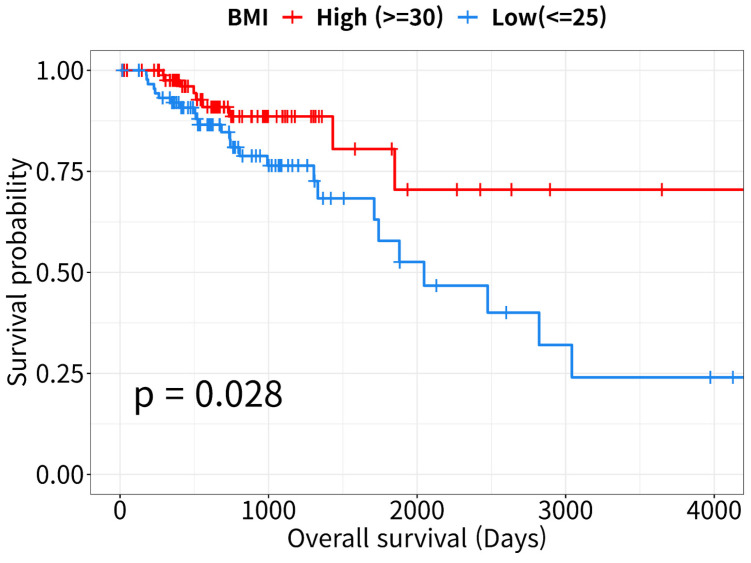
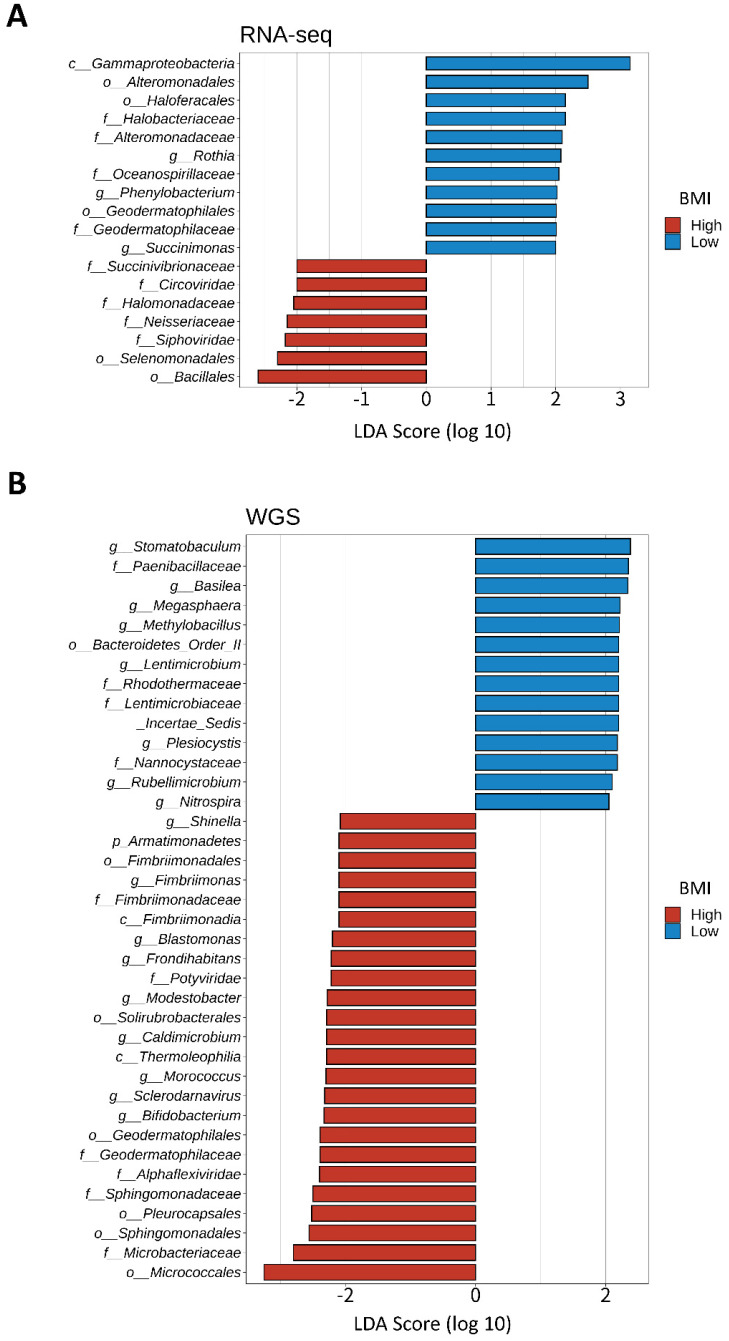
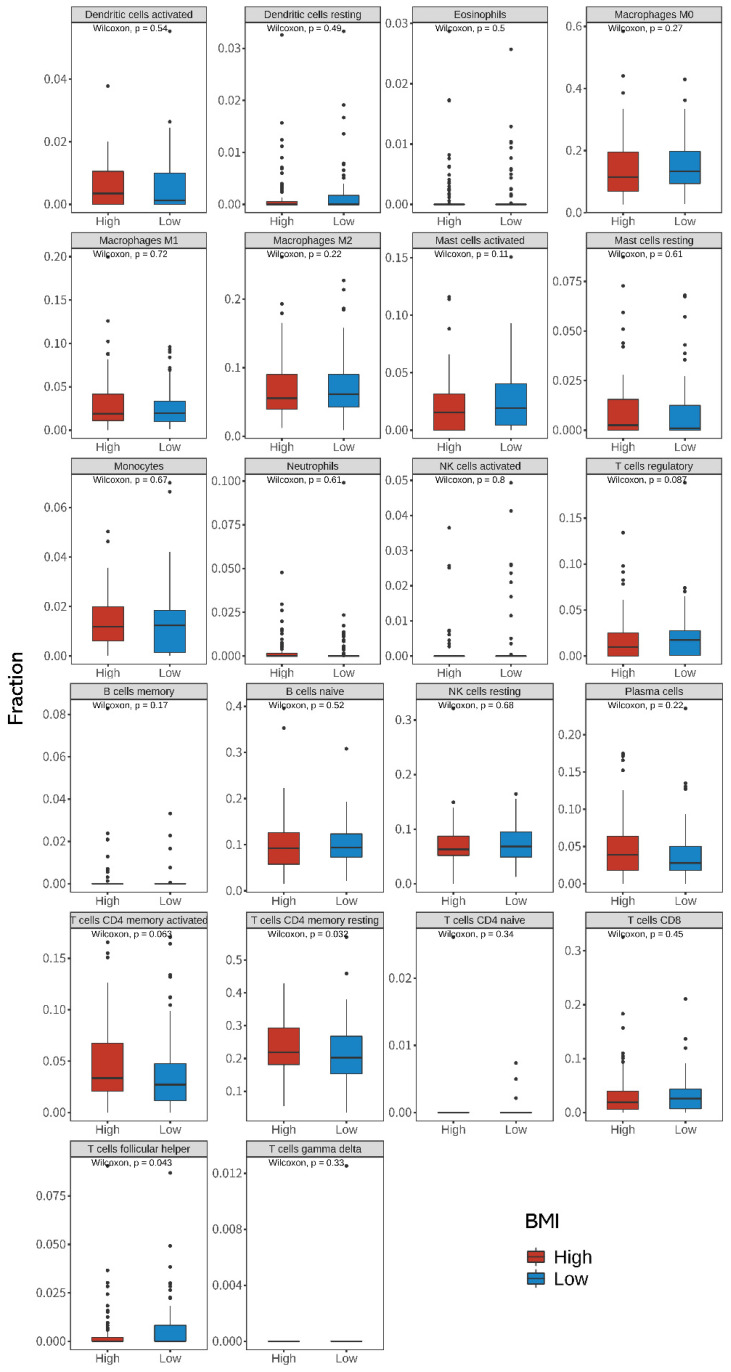
Colorectal cancer (CRC) is a common malignancy worldwide and the second leading cause of cancer-related deaths. Obesity is an important determinant of CRC incidence; however, obese patients have also shown better long-term survival than non-obese patients, suggesting that the development and progression of CRC are associated with different mechanisms. This study compares the expression of genes, tumor-infiltrating immune cells, and intestinal microbiota between high- and low-body mass index (BMI) patients at the time of CRC diagnosis. The results revealed that high-BMI patients with CRC have better prognosis, higher levels of resting CD4+ T cells, lower levels of T follicular helper cells, and different levels of intratumoral microbiota than low-BMI patients. Our study highlights that tumor-infiltrating immune cells and intratumoral microbe diversity are major features of the obesity paradox in CRC.
结直肠癌(CRC)是全球常见的恶性肿瘤,也是癌症相关死亡的第二大主要原因。肥胖是CRC发病率的一个重要决定因素;然而,肥胖患者的长期生存率也高于非肥胖患者,这表明CRC的发生和发展与不同的机制有关。本研究比较了CRC诊断时高体重指数(BMI)和低体重指数患者之间的基因表达、肿瘤浸润免疫细胞和肠道微生物群。结果显示,与低BMI患者相比,高BMI的CRC患者预后更好,静息CD4+T细胞水平更高,滤泡辅助性T细胞水平更低,肿瘤内微生物群水平也不同。我们的研究强调,肿瘤浸润免疫细胞和肿瘤内微生物多样性是CRC肥胖悖论的主要特征。