Feng Jie, Zhou Letian, Zhao Xiaochao, Chen Jianyi, Li Zhi, Liu Yongfeng, Ou Lei, Xie Zixin, Wang Miao, Yin Xue, Zhang Xin, Li Yan, Luo Mingjie, Zeng Lidong, Yan Qin, Xie Linshen, Sun Lei
State Environmental Protection Key Laboratory of Drinking Water Source Management and Technology, Shenzhen Academy of Environmental Sciences, Shenzhen, China.
GeneMind Biosciences Company Limited, Shenzhen, China.
Front Microbiol. 2023 Feb 14;14:1091818. doi: 10.3389/fmicb.2023.1091818. eCollection 2023.
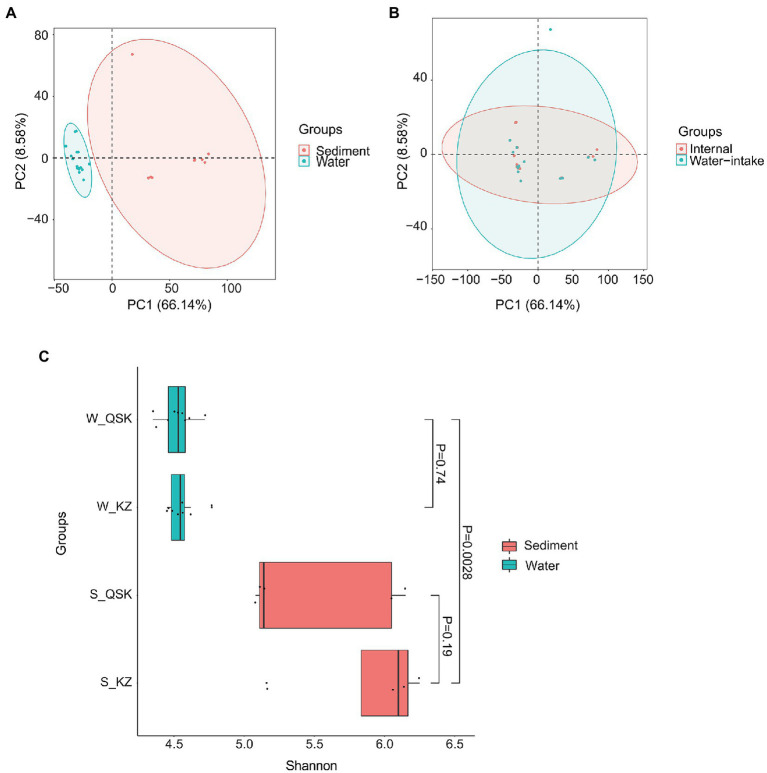
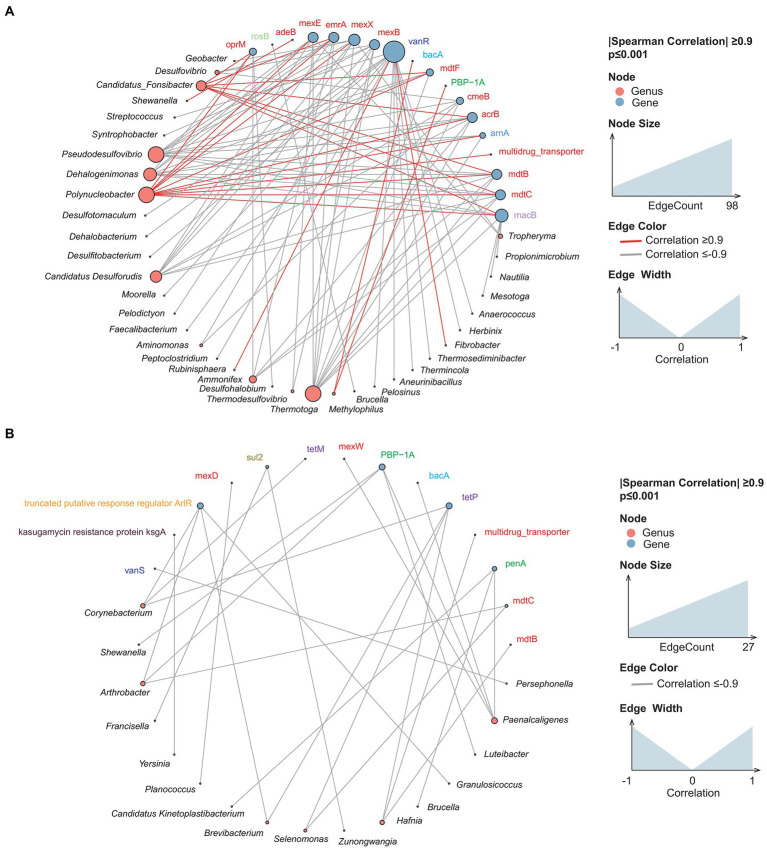
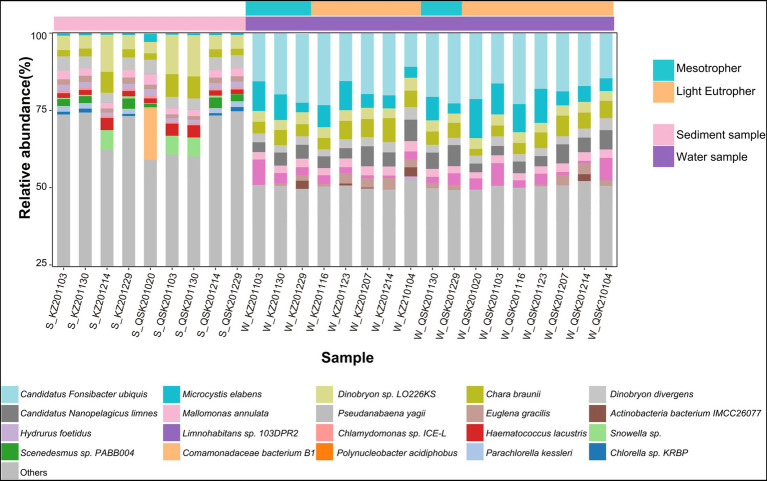
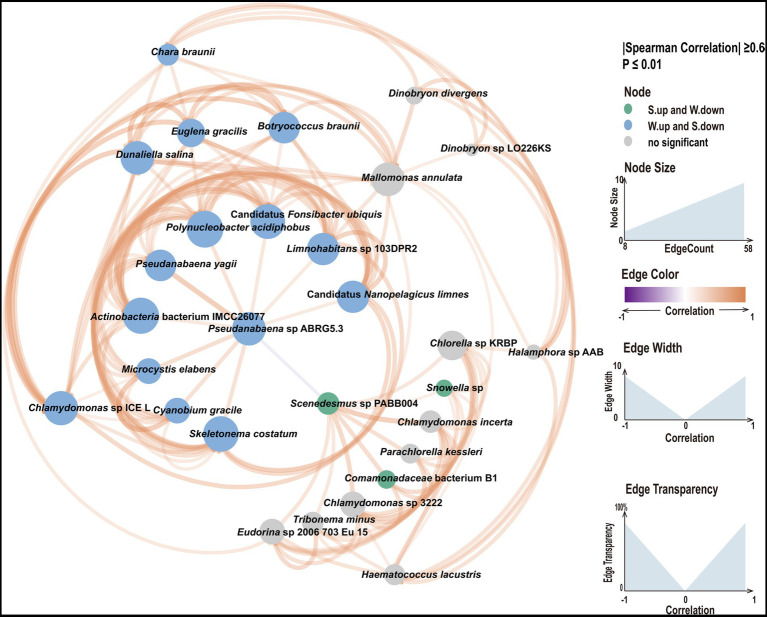
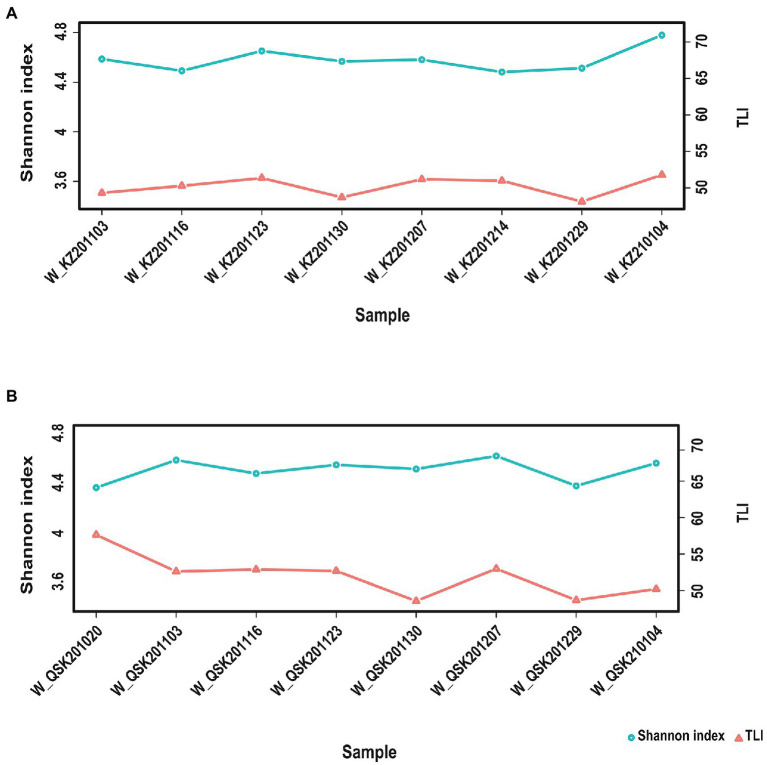
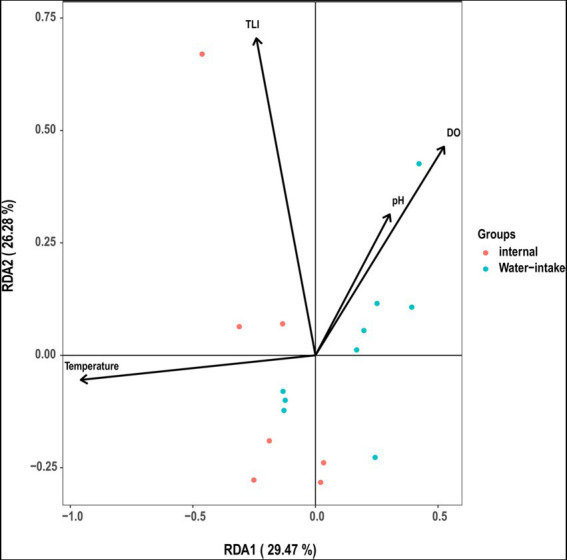
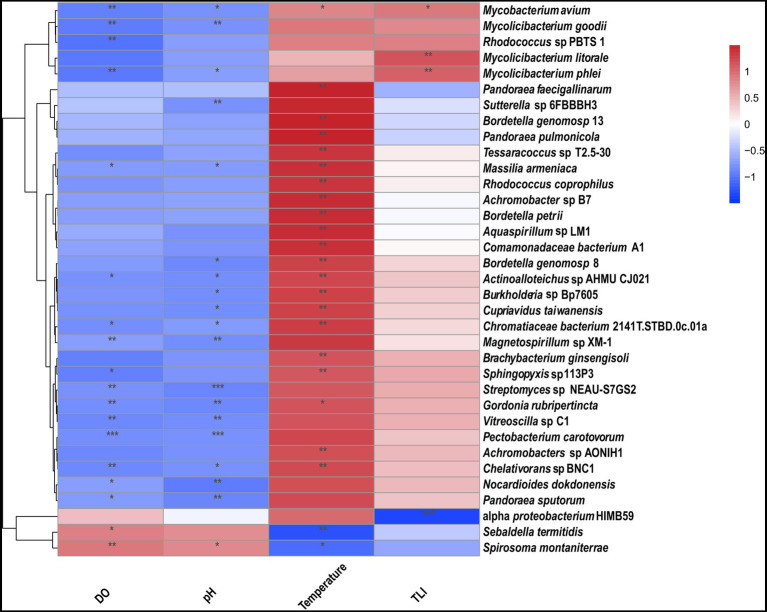
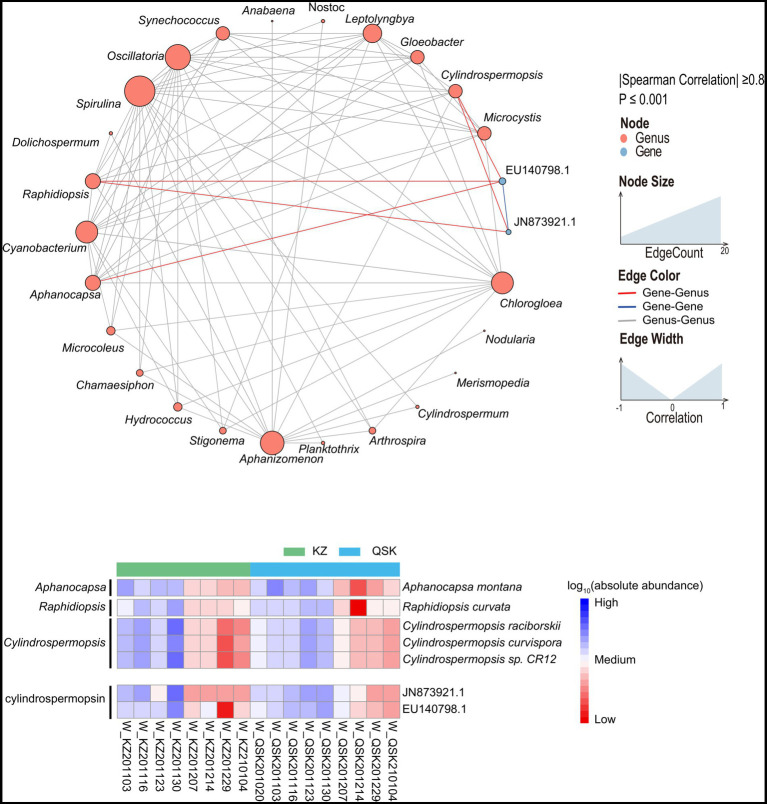
The composition of microbial communities varies in water and sediments, and changes in environmental factors have major effects on microbiomes. Here, we characterized variations in microbial communities and physicochemical factors at two sites in a large subtropical drinking water reservoir in southern China. The microbiomes of all sites, including the diversity and abundance of microbial species, were determined metagenomics, and the relationships between microbiomes and physicochemical factors were determined redundancy analysis. The dominant species in sediment and water samples differed; sp. LO226KS and were dominant in sediment samples, whereas Candidatus and s were dominant in water. The diversity was also significantly different in microbial alpha diversity between water and sediment habitats ( < 0.01). The trophic level index (TLI) was the major factor affecting the microbial community in water samples; and were significantly positively related to TLI. Furthermore, we also studied the distribution of algal toxin-encoding genes and antibiotic-resistant genes (ARGs) in the reservoir. It found that water samples contained more phycotoxin genes, with the cylindrospermopsin gene cluster most abundant. We found three genera highly related to cylindrospermopsin and explored a new cyanobacteria that may produce cylindrospermopsin based on the correlation through network analysis. The multidrug resistance gene was the most abundant ARG, while the relationship between ARGs and bacteria in sediment samples was more complicated than in water. The results of this study enhance our understanding of the effects of environmental factors on microbiomes. In conclusion, research on the properties, including profiles of algal toxin-encoding genes and ARGs, and microbial communities can aid water quality monitoring and conservation.
微生物群落的组成在水和沉积物中有所不同,环境因素的变化对微生物群落有重大影响。在此,我们对中国南方一个大型亚热带饮用水水库两个地点的微生物群落和理化因素的变化进行了表征。通过宏基因组学确定了所有地点的微生物群落,包括微生物物种的多样性和丰度,并通过冗余分析确定了微生物群落与理化因素之间的关系。沉积物和水样中的优势物种不同;LO226KS菌属在沉积物样本中占主导地位,而候选蓝藻属和s菌属在水中占主导地位。水和沉积物栖息地之间的微生物α多样性也存在显著差异(P < 0.01)。营养水平指数(TLI)是影响水样中微生物群落的主要因素;Chlorophyta和Cyanophyta与TLI显著正相关。此外,我们还研究了水库中藻类毒素编码基因和抗生素抗性基因(ARGs)的分布。结果发现水样中含有更多的藻毒素基因,其中柱孢藻毒素基因簇最为丰富。我们发现了三个与柱孢藻毒素高度相关的属,并通过网络分析基于相关性探索了一种可能产生柱孢藻毒素的新蓝藻。多药抗性基因是最丰富的ARGs,而沉积物样本中ARGs与细菌之间的关系比水中更为复杂。本研究结果增进了我们对环境因素对微生物群落影响的理解。总之,对包括藻类毒素编码基因和ARGs谱以及微生物群落在内的特性进行研究有助于水质监测和保护。