Department of Anatomy, Faculty of Medicine, Mbarara University of Science and Technology, P.O Box 1410, Mbarara, Uganda
Department of Anatomy, Faculty of Biomedical Sciences, Kampala International University, Western Campus, P.O Box 71, Ishaka, Bushenyi, Uganda
J Evid Based Integr Med. 2023 Jan-Dec;28:2515690X231160191. doi: 10.1177/2515690X231160191.
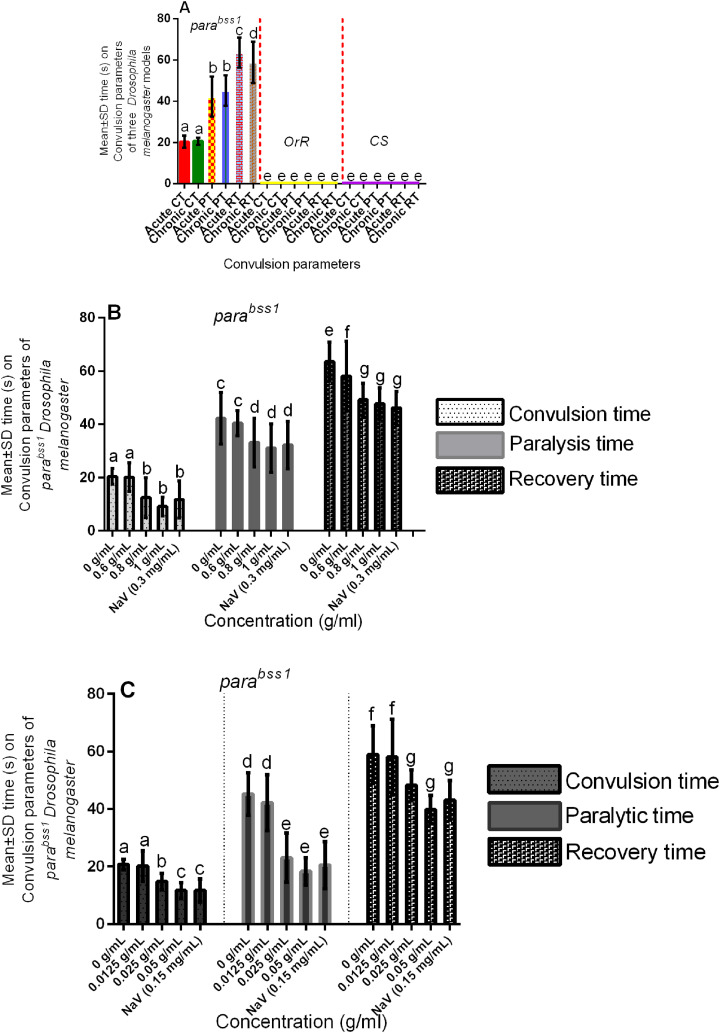
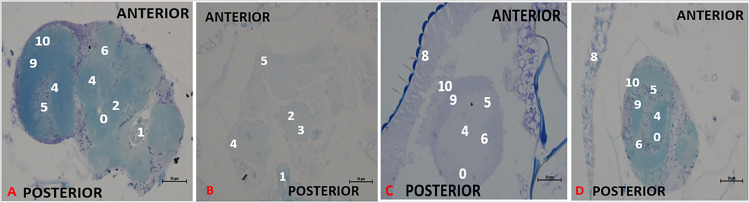
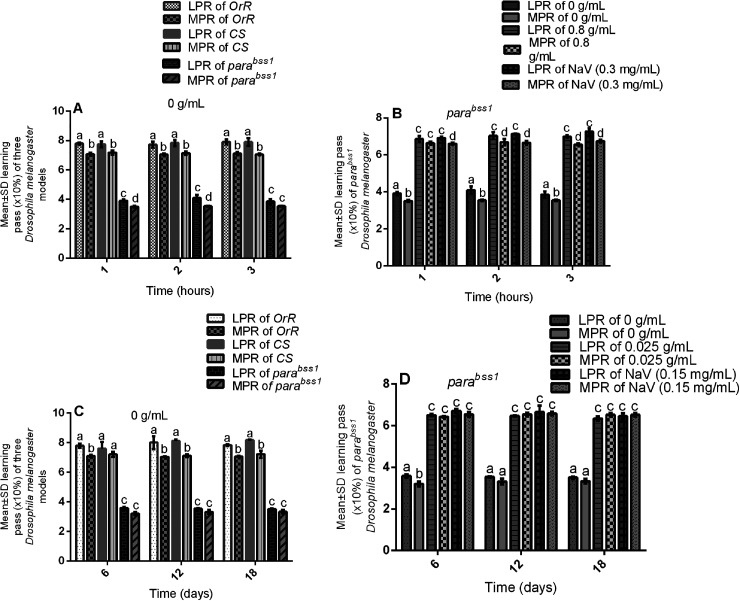
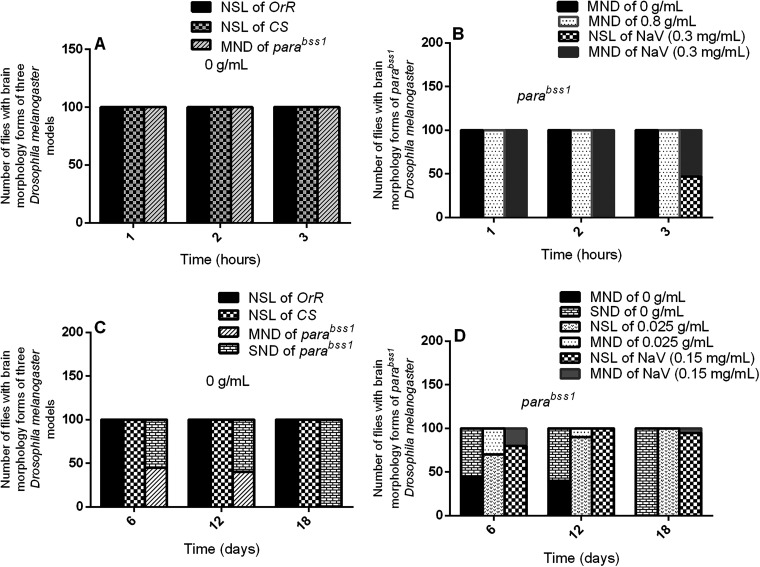
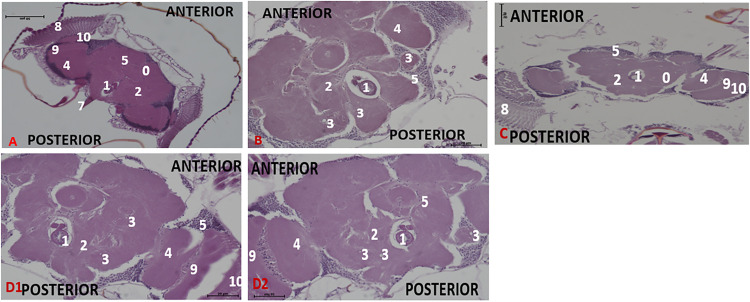
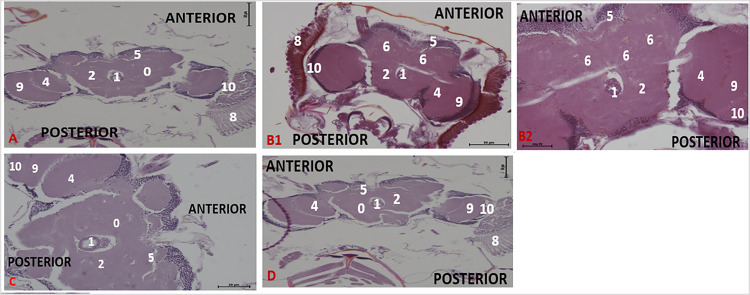
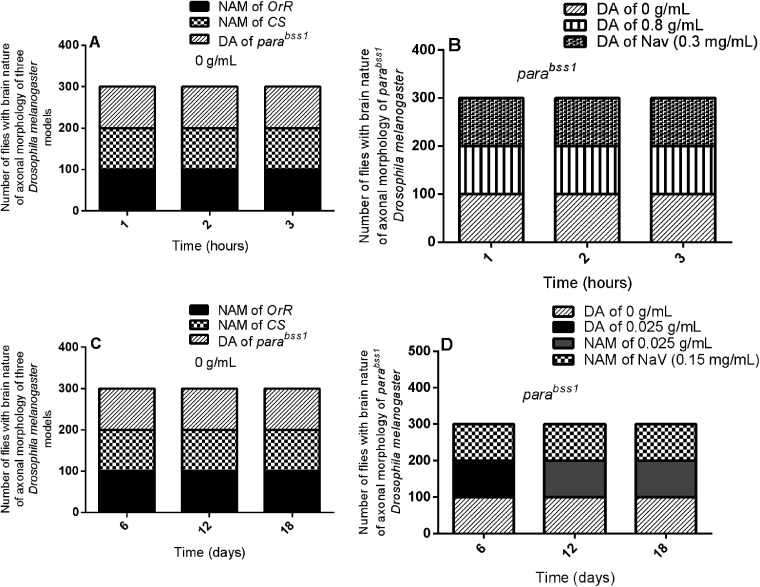
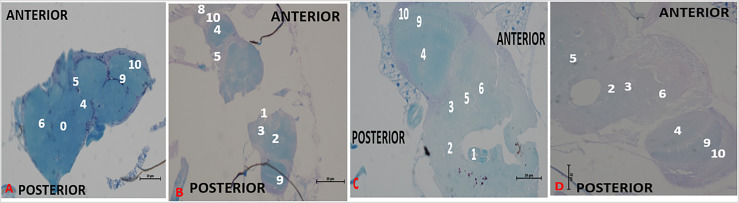
is a globally distributed plant known for its antiepileptic attributes, but there is a scarcity of robust evidence for its efficacy. The study investigated neuroprotective attributes of root extract on neuropathological features of epilepsy in a mutant model of epilepsy. It was conducted on 10-day-old (at the initiation of study) male post-eclosion bang-senseless paralytic () involved acute (1-3 h) and chronic (6-18 days) experiments; n = 50 flies per group (convulsions tests); n = 100 flies per group (learning/memory tests and histological examination). Administrations were done in 1 g standard fly food, per os. The mutant flies of study () showed marked age-dependent progressive brain neurodegeneration and axonal degeneration, significant (P < 0.05) bang sensitivity and convulsions, and cognitive deficits due to up-regulation of the gene in our mutants. The neuropathological findings were significantly (P < 0.05) alleviated in dose and duration-dependent fashions to near normal/normal after acute and chronic treatment with extract similar to sodium valproate. Therefore, is expressed in neurons of brain tissues in our mutant flies to bring about epilepsy phenotypes and behaviors of the current juvenile and old-adult mutant models of epilepsy. The herb exerts neuroprotection by anticonvulsant and antiepileptogenic mechanisms in mutant due to plant flavonoids, polyphenols, and chromones ( and ) which exert antioxidative and receptor or voltage-gated sodium ion channels' inhibitory properties, and thus causing reduced inflammation and apoptosis, increased tissue repair, and improved cell biology in the brain of mutant flies. The methanol root extract provides anticonvulsant and antiepileptogenic medicinal values which protect epileptic . Therefore, the herb should be advanced for more experimental and clinical studies to confirm its efficacy in treating epilepsy.
是一种分布广泛的植物,以其抗癫痫属性而闻名,但缺乏其疗效的有力证据。该研究调查了 根提取物对癫痫突变模型中癫痫神经病理学特征的神经保护作用。该研究在 10 天大(研究开始时)的雄性刚孵化的无感觉麻痹 ()中进行,包括急性(1-3 小时)和慢性(6-18 天)实验;每组 n = 50 只苍蝇(惊厥测试);每组 n = 100 只苍蝇(学习/记忆测试和组织学检查)。通过口服给予 1 g 标准蝇食。研究中的突变苍蝇()表现出明显的年龄依赖性进行性脑神经退行性变和轴突变性,显著(P < 0.05)对 bang 的敏感性和惊厥,以及由于我们突变体中 基因的上调而导致的认知缺陷。在急性和慢性治疗后,提取物以剂量和时间依赖性方式显著(P < 0.05)减轻了神经病理学发现,类似于丙戊酸钠,接近正常/正常。因此,在我们的突变苍蝇的脑组织神经元中表达 ,导致当前青少年和老年突变 癫痫模型的癫痫表型和行为。由于植物类黄酮、多酚和色酮(和)具有抗氧化和受体或电压门控钠离子通道抑制特性,该草药通过抗惊厥和抗癫痫发生机制发挥神经保护作用,从而减少炎症和细胞凋亡,增加组织修复,并改善突变苍蝇大脑中的细胞生物学。甲醇根提取物提供了抗惊厥和抗癫痫发生的药用价值,可保护癫痫 。因此,应该进一步进行更多的实验和临床研究,以确认其在治疗癫痫中的疗效。