Department of Medical Microbiology, Faculty of Medicine, Universiti Malaya, 50603, Kuala Lumpur, Malaysia.
Department of Obstetrics and Gynecology, Faculty of Medicine, Universiti Malaya, 50603, Kuala Lumpur, Malaysia.
BMC Microbiol. 2023 Mar 4;23(1):58. doi: 10.1186/s12866-023-02802-3.
Genital Chlamydia trachomatis infection is the most common bacterial sexual transmitted disease that causes severe complications including pelvic inflammatory disease, ectopic pregnancy, and infertility in females. The Pgp3 protein encoded by C. trachomatis plasmid has been speculated to be an important player in chlamydial pathogenesis. However, the precise function of this protein is unknown and thus remains to be thoroughly investigated.
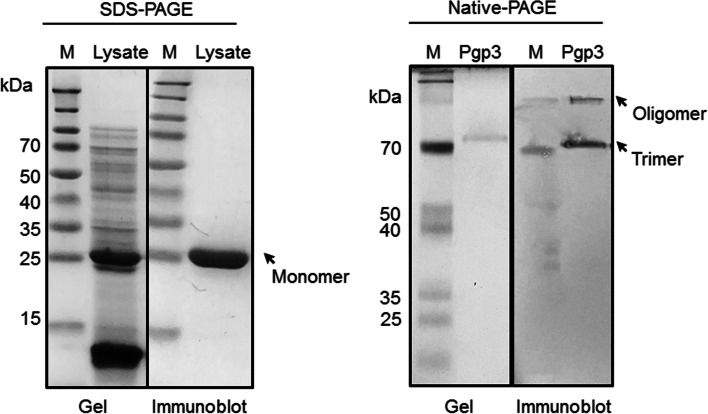
In this study, we synthesized Pgp3 protein for in vitro stimulation in the Hela cervical carcinoma cells.
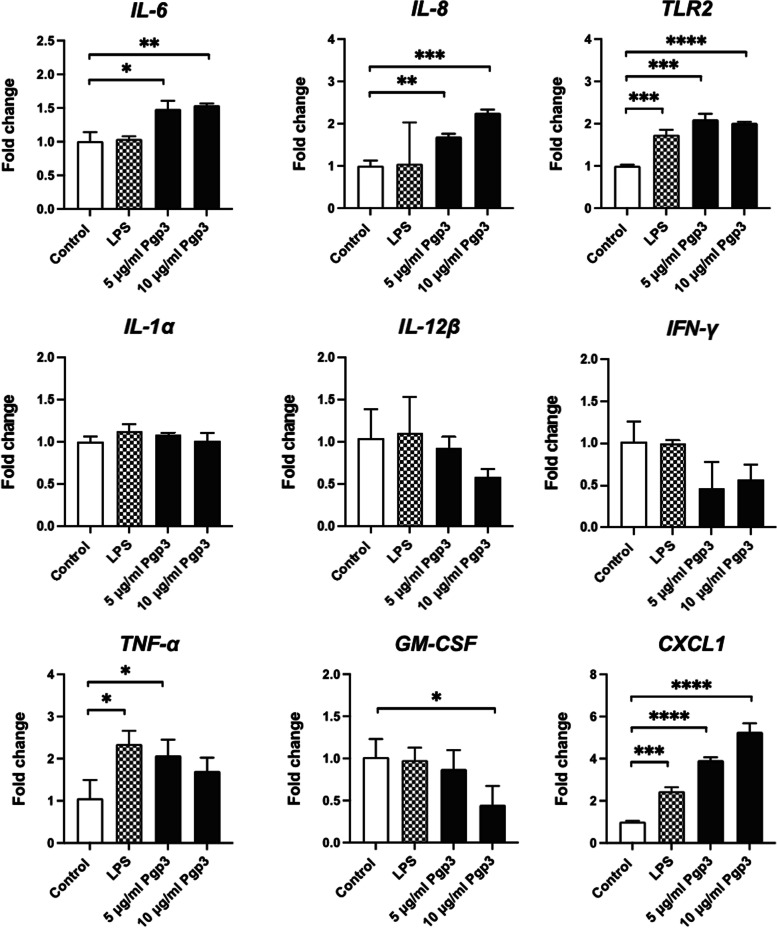
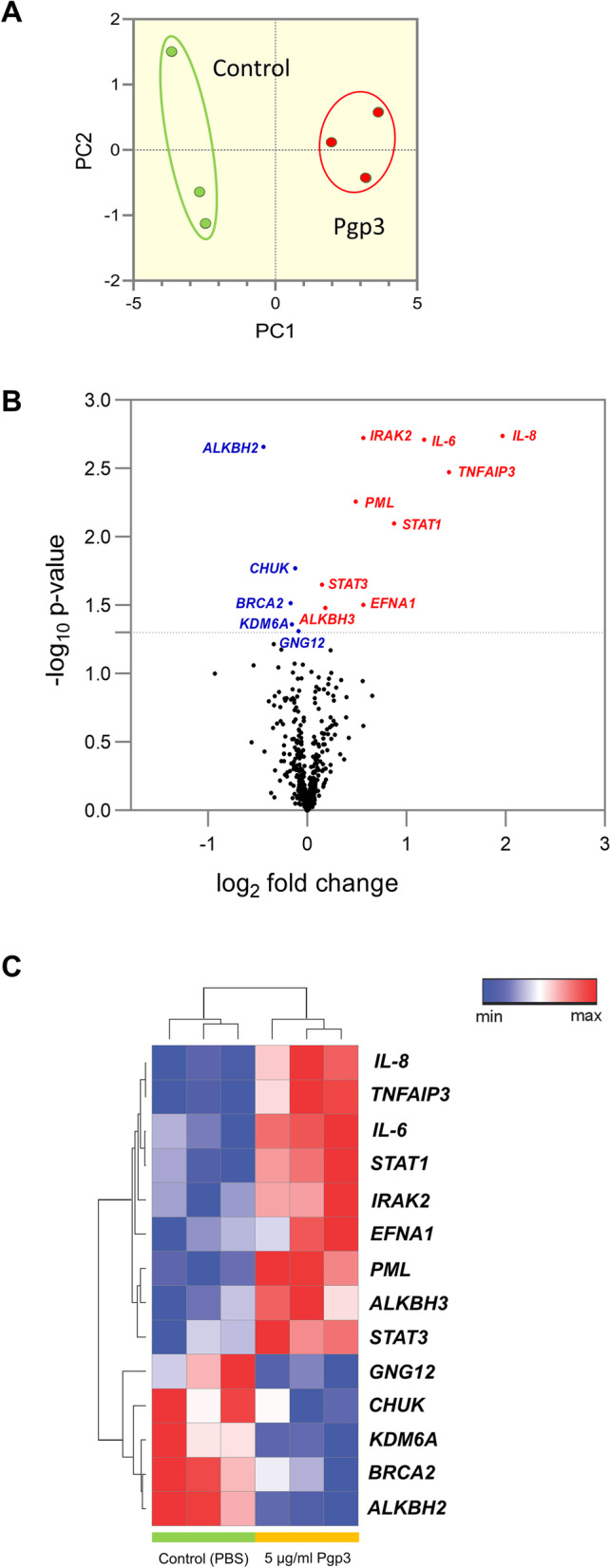
We showed that Pgp3 induced prominent expression of host inflammatory cytokine genes including interleukin-6 (IL-6), IL-8, tumor necrosis factor alpha-induced protein 3 (TNFAIP3), and chemokine C-X-C motif ligand 1 (CXCL1), implying a possible role of Pgp3 in modulating the inflammatory reaction in the host.
生殖道沙眼衣原体感染是最常见的细菌性性传播疾病,可导致严重并发症,包括女性盆腔炎、宫外孕和不孕。推测沙眼衣原体质粒编码的 Pgp3 蛋白在衣原体发病机制中起重要作用。然而,该蛋白的确切功能尚不清楚,因此仍需深入研究。
本研究中,我们合成了 Pgp3 蛋白用于体外刺激宫颈癌细胞系 Hela。
结果表明,Pgp3 诱导宿主炎症细胞因子基因(包括白细胞介素 6、白细胞介素 8、肿瘤坏死因子-α诱导蛋白 3 和趋化因子 C-X-C 基元配体 1)的显著表达,提示 Pgp3 可能在调节宿主炎症反应中发挥作用。