Department of Clinical Medicine and Surgery, University of Naples "Federico II", 80131, Naples, Italy.
Department of Biology, University of Naples "Federico II", 80126, Naples, Italy.
Nat Commun. 2023 Mar 4;14(1):1244. doi: 10.1038/s41467-023-36755-y.
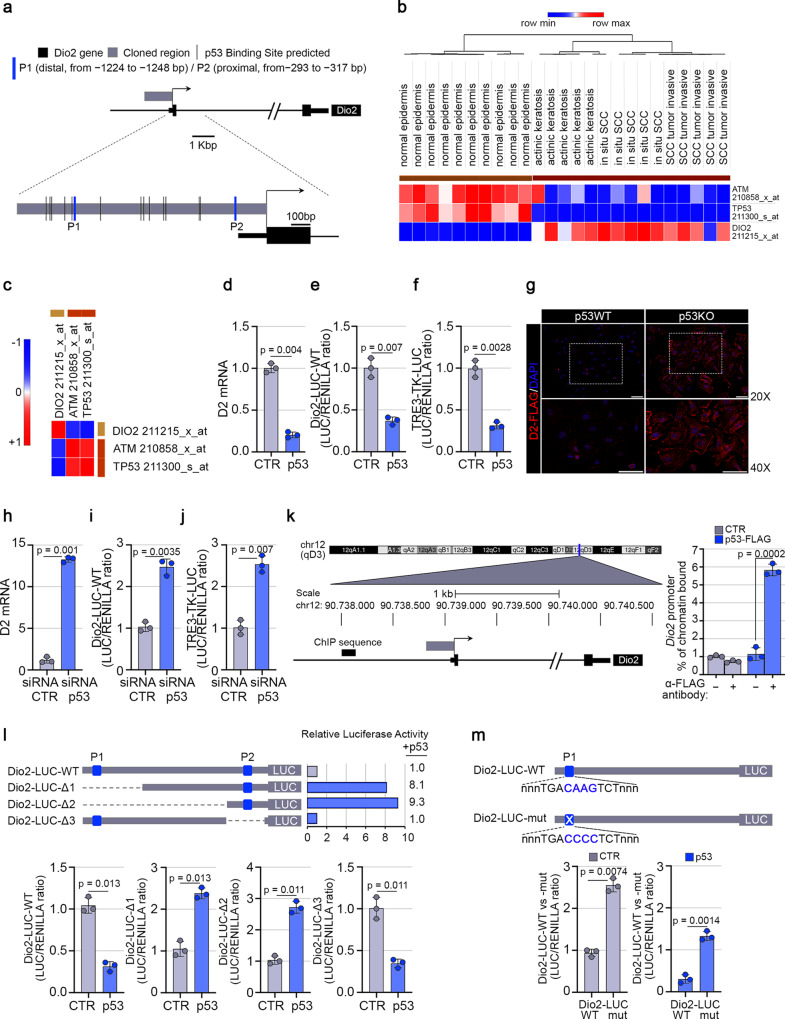
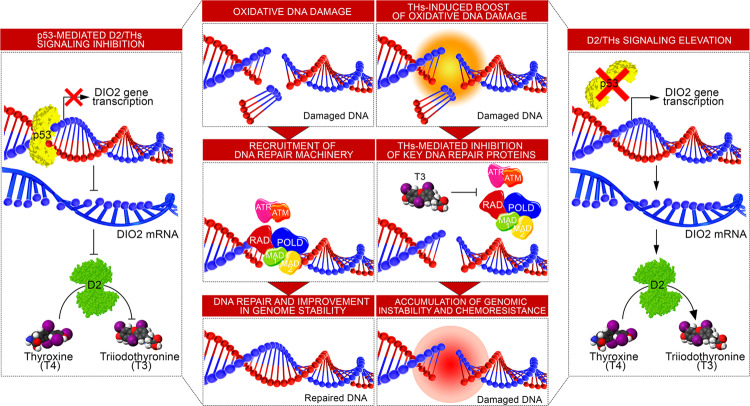
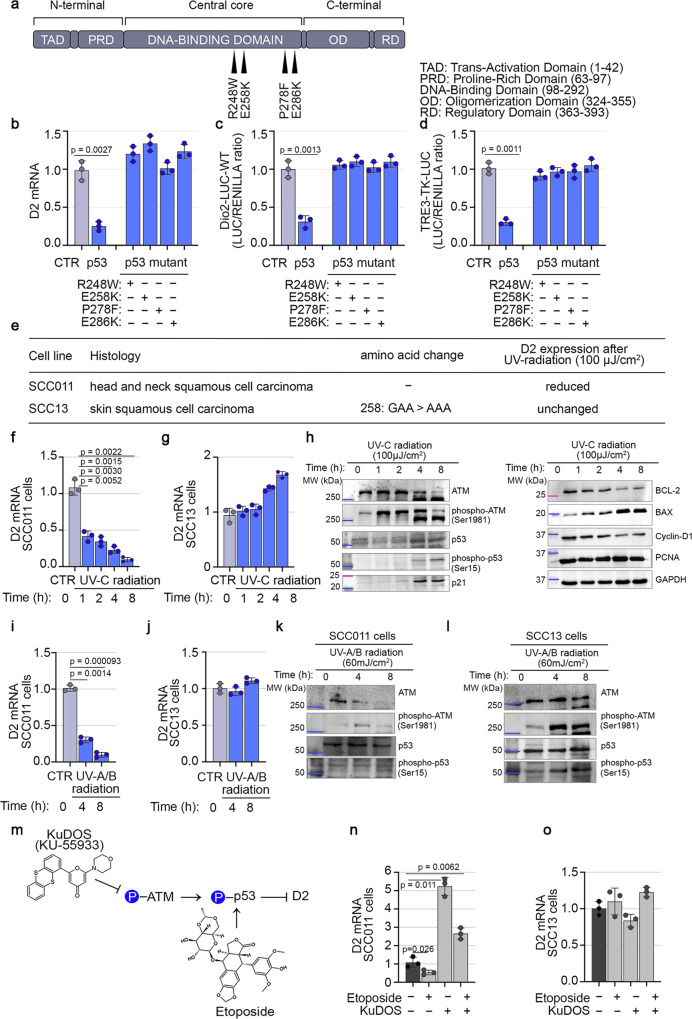
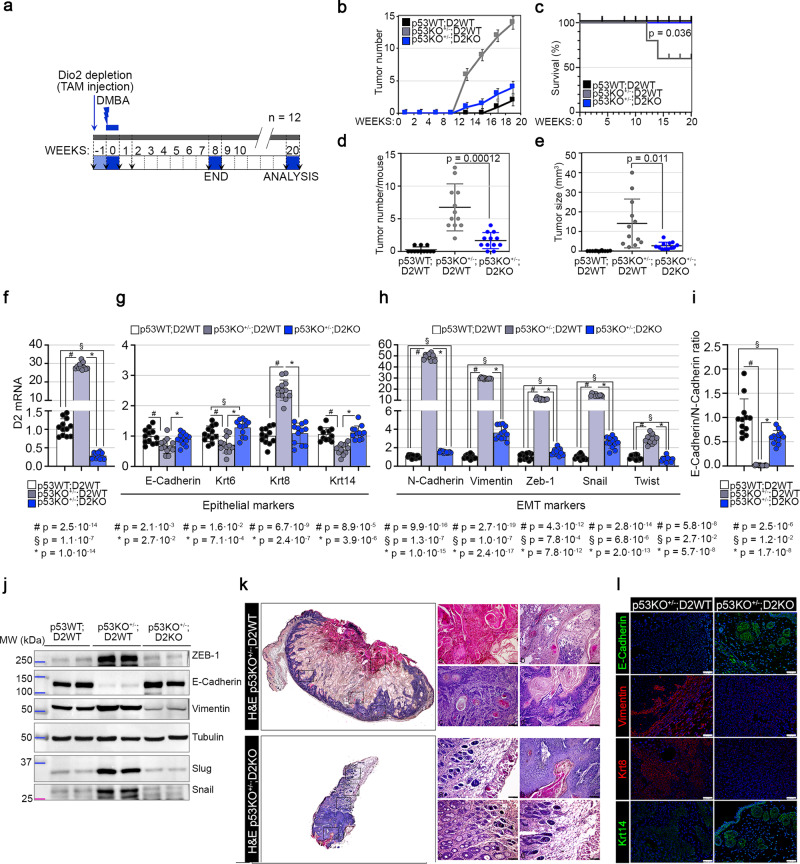
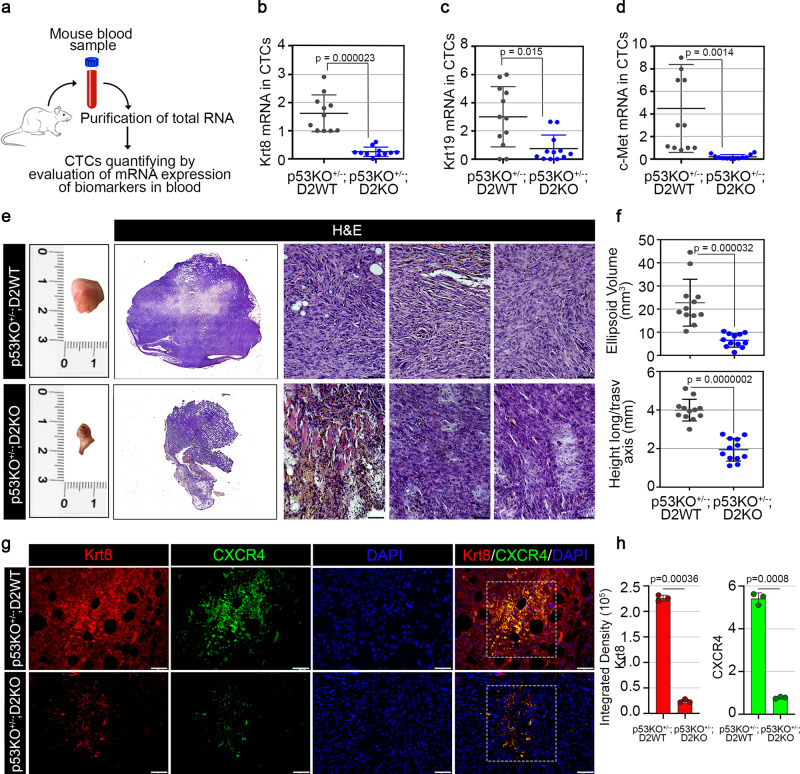
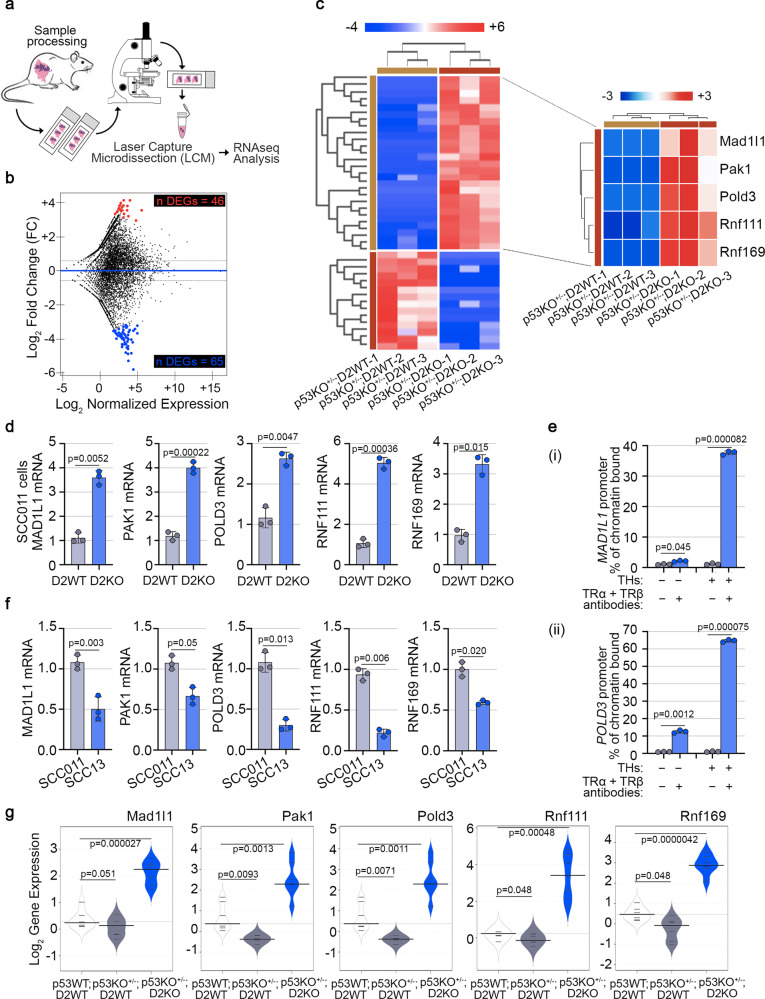
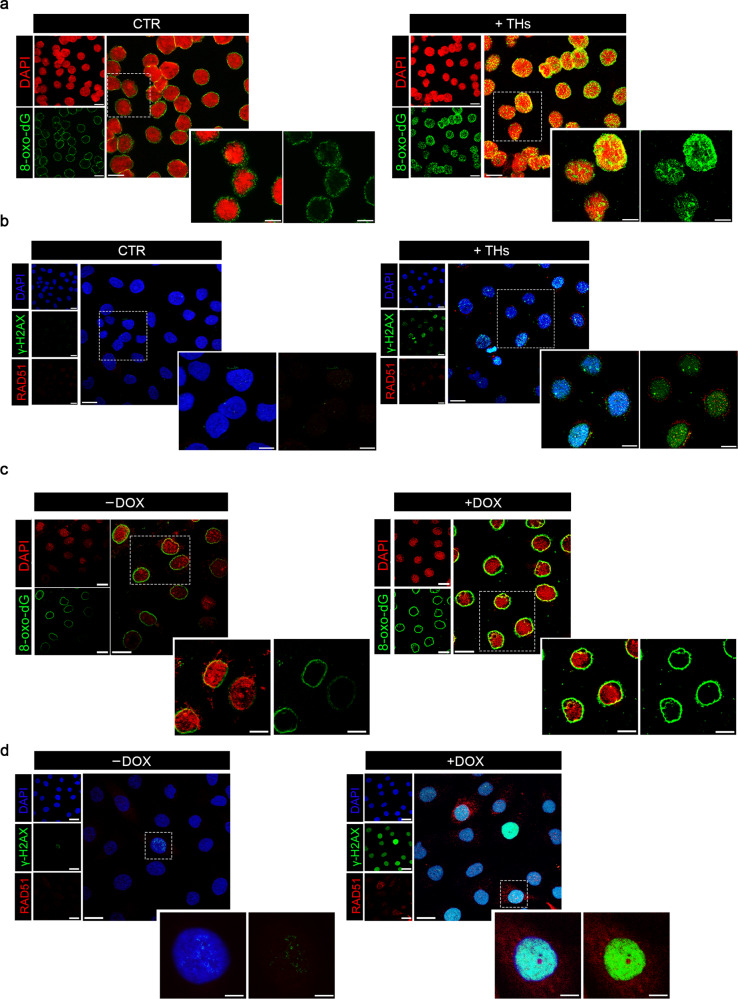
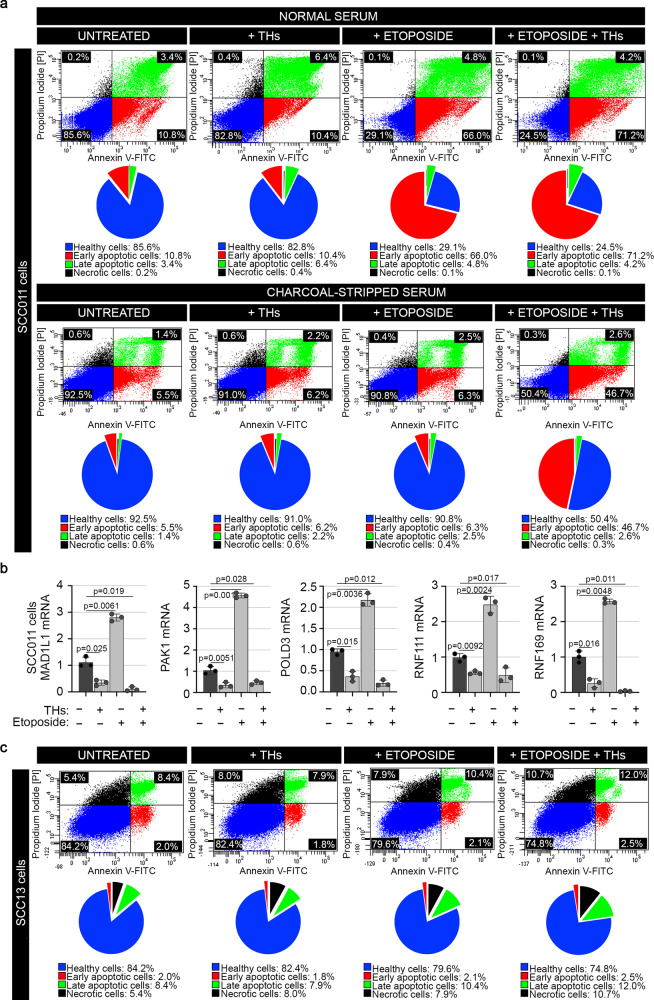
The Thyroid Hormone (TH) activating enzyme, type 2 Deiodinase (D2), is functionally required to elevate the TH concentration during cancer progression to advanced stages. However, the mechanisms regulating D2 expression in cancer still remain poorly understood. Here, we show that the cell stress sensor and tumor suppressor p53 silences D2 expression, thereby lowering the intracellular THs availability. Conversely, even partial loss of p53 elevates D2/TH resulting in stimulation and increased fitness of tumor cells by boosting a significant transcriptional program leading to modulation of genes involved in DNA damage and repair and redox signaling. In vivo genetic deletion of D2 significantly reduces cancer progression and suggests that targeting THs may represent a general tool reducing invasiveness in p53-mutated neoplasms.
甲状腺激素(TH)激活酶,2 型脱碘酶(D2),在癌症进展到晚期的过程中需要提高 TH 浓度,因此在功能上是必需的。然而,调节癌症中 D2 表达的机制仍知之甚少。在这里,我们表明,细胞应激传感器和肿瘤抑制因子 p53 沉默 D2 的表达,从而降低细胞内 TH 的可利用性。相反,即使是 p53 的部分缺失也会增加 D2/TH,从而通过增强显著的转录程序来刺激和增加肿瘤细胞的适应性,导致参与 DNA 损伤和修复以及氧化还原信号的基因的调制。体内遗传缺失 D2 可显著降低癌症的进展,并表明靶向 THs 可能是减少 p53 突变肿瘤侵袭性的一般工具。