Varadarajan Soovendran, Koh Joyce Hwee Ling, Daniel Ben Kei
Higher Education Development Centre, University of Otago, 65-75 Union Place West, P.O. Box 56, Dunedin, 9054 New Zealand.
Int J Educ Technol High Educ. 2023;20(1):13. doi: 10.1186/s41239-023-00381-x. Epub 2023 Feb 28.
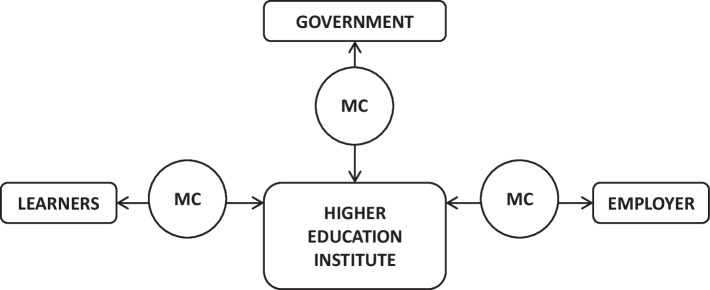
Micro-credentials are gaining traction as viable vehicles for rapid upskilling of the workforce in the twenty-first century and potential pathways for gaining employment for some students. The primary purpose of the current systematic review was to understand the current conceptions and discourses of micro-credentials in higher education and to identify the opportunities and challenges in adopting micro-credentials in higher education. The review also aimed to develop a need-driven micro-credentials framework that demonstrates the value of micro-credentials to stakeholders, i.e., learners, higher education institutions, employers, and government agencies. Key findings revealed that there are various stakeholders' needs and expectations. The learner wants short, practical, and up-to-date courses for their chosen career path, education institutions emphasise accreditation for building trust, employers want clarity regarding the competencies gained through micro-credentials, and government bodies expect higher graduate employability with lower tuition fees. Key findings revealed that implementing micro-credentials can be disruptive in the higher education sector and present several challenges. However, these challenges are likely to be mitigated by increased collaboration among stakeholders. The review has revealed several outstanding research questions critical for the success of micro-credentials as significant pathways to supplement traditional degree programmes. The research presented in the article has implications for policy development to guide the implementation of micro-credentials in the higher education sector.
微认证作为21世纪快速提升劳动力技能的可行手段以及一些学生就业的潜在途径,正越来越受到关注。当前系统综述的主要目的是了解高等教育中微认证的当前概念和论述,并确定在高等教育中采用微认证的机遇和挑战。该综述还旨在制定一个需求驱动的微认证框架,以向利益相关者,即学习者、高等教育机构、雇主和政府机构展示微认证的价值。主要研究结果表明,存在各种利益相关者的需求和期望。学习者希望为其选择的职业道路提供简短、实用且最新的课程,教育机构强调认证以建立信任,雇主希望明确通过微认证获得的能力,而政府机构期望提高毕业生就业能力并降低学费。主要研究结果表明实施微认证可能会给高等教育部门带来干扰并带来若干挑战。然而,利益相关者之间加强合作可能会缓解这些挑战。该综述揭示了几个对于微认证作为补充传统学位课程的重要途径取得成功至关重要的突出研究问题。文章中提出的研究对政策制定具有启示意义,以指导高等教育部门微认证的实施。