Sultana Mst Shamira, Mazarei Mitra, Jurat-Fuentes Juan Luis, Hewezi Tarek, Millwood Reginald J, Stewart C Neal
Department of Plant Sciences, University of Tennessee, Knoxville, TN, United States.
Center for Agricultural Synthetic Biology, University of Tennessee, Knoxville, TN, United States.
Front Plant Sci. 2023 Feb 17;14:1129454. doi: 10.3389/fpls.2023.1129454. eCollection 2023.
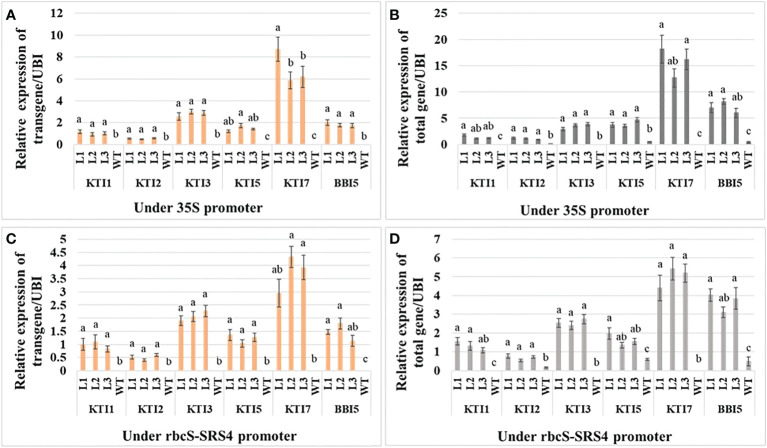
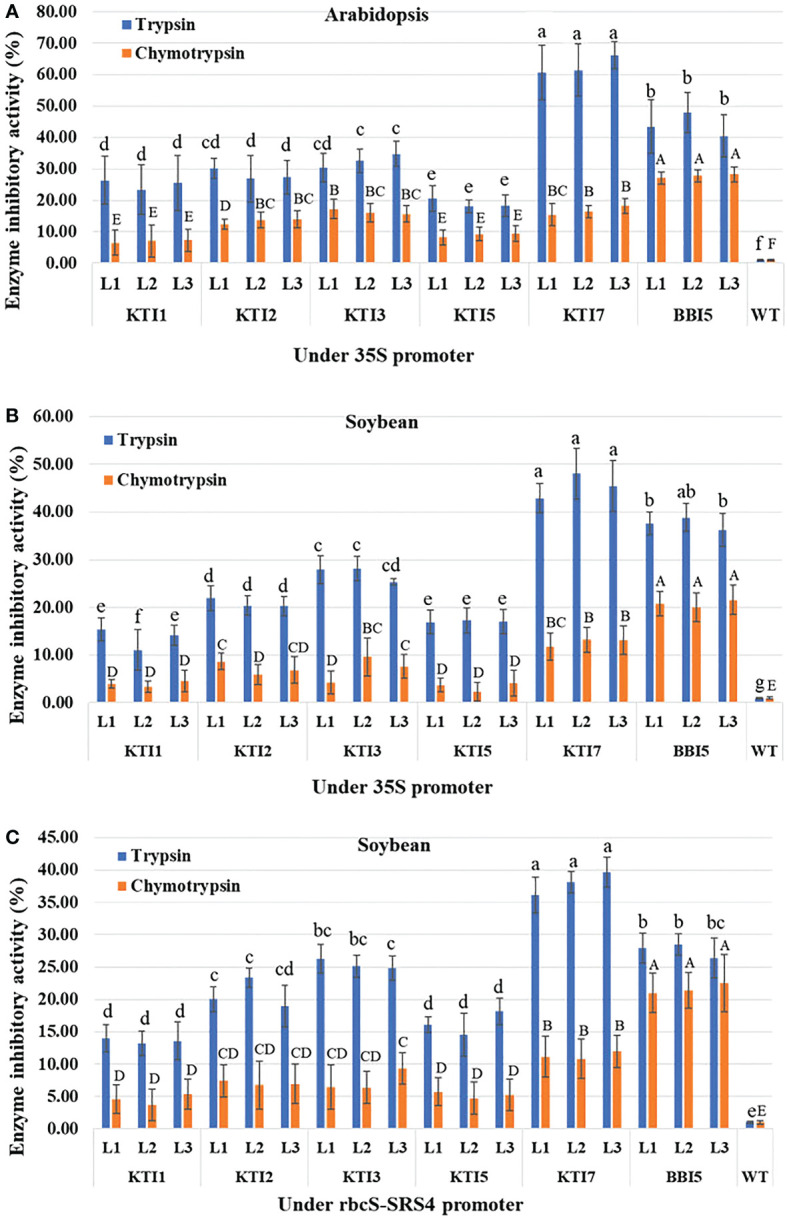
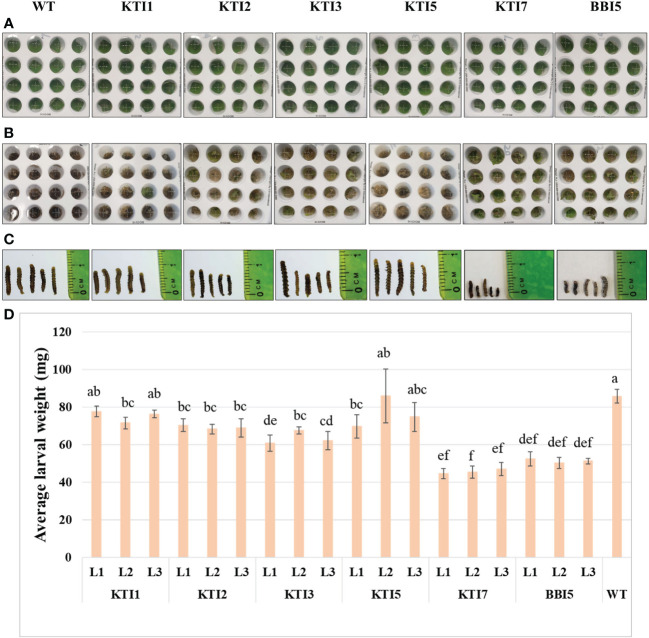
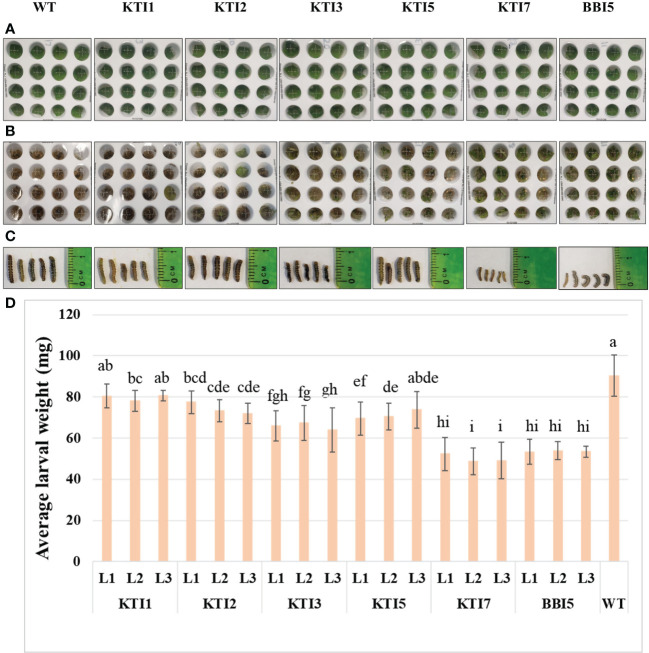
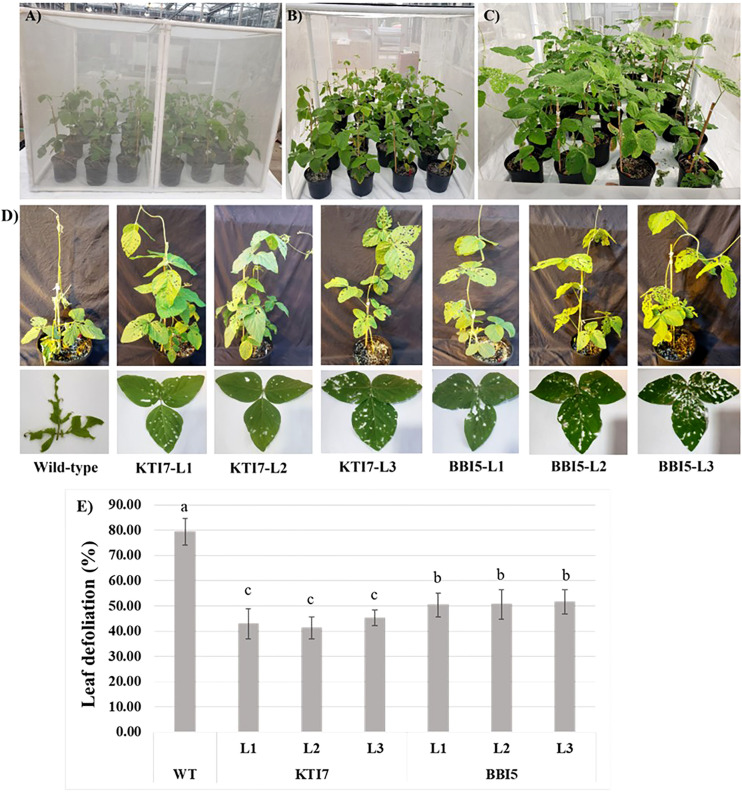
Trypsin inhibitors (TIs) are widely distributed in plants and are known to play a protective role against herbivores. TIs reduce the biological activity of trypsin, an enzyme involved in the breakdown of many different proteins, by inhibiting the activation and catalytic reactions of proteins. Soybean () contains two major TI classes: Kunitz trypsin inhibitor (KTI) and Bowman-Birk inhibitor (BBI). Both genes encoding TI inactivate trypsin and chymotrypsin enzymes, which are the main digestive enzymes in the gut fluids of Lepidopteran larvae feeding on soybean. In this study, the possible role of soybean TIs in plant defense against insects and nematodes was investigated. A total of six TIs were tested, including three known soybean trypsin inhibitors (KTI1, KTI2 and KTI3) and three genes encoding novel inhibitors identified in soybean (KTI5, KTI7, and BBI5). Their functional role was further examined by overexpression of the individual TI genes in soybean and Arabidopsis. The endogenous expression patterns of these TI genes varied among soybean tissues, including leaf, stem, seed, and root. enzyme inhibitory assays showed significant increase in trypsin and chymotrypsin inhibitory activities in both transgenic soybean and Arabidopsis. Detached leaf-punch feeding bioassays detected significant reduction in corn earworm () larval weight when larvae fed on transgenic soybean and Arabidopsis lines, with the greatest reduction observed in KTI7 and BBI5 overexpressing lines. Whole soybean plant greenhouse feeding bioassays with on KTI7 and BBI5 overexpressing lines resulted in significantly reduced leaf defoliation compared to non-transgenic plants. However, bioassays of KTI7 and BBI5 overexpressing lines with soybean cyst nematode (SCN, ) showed no differences in SCN female index between transgenic and non-transgenic control plants. There were no significant differences in growth and productivity between transgenic and non-transgenic plants grown in the absence of herbivores to full maturity under greenhouse conditions. The present study provides further insight into the potential applications of TI genes for insect resistance improvement in plants.
胰蛋白酶抑制剂(TIs)广泛分布于植物中,已知其对食草动物具有保护作用。TIs通过抑制蛋白质的激活和催化反应来降低胰蛋白酶的生物活性,胰蛋白酶是一种参与多种不同蛋白质分解的酶。大豆含有两类主要的TI:库尼兹胰蛋白酶抑制剂(KTI)和鲍曼-伯克抑制剂(BBI)。编码TI的两个基因均可使胰蛋白酶和胰凝乳蛋白酶失活,这两种酶是取食大豆的鳞翅目幼虫肠道液中的主要消化酶。在本研究中,对大豆TIs在植物抵御昆虫和线虫方面的可能作用进行了研究。共测试了六种TI,包括三种已知的大豆胰蛋白酶抑制剂(KTI1、KTI2和KTI3)以及在大豆中鉴定出的三种编码新型抑制剂的基因(KTI5、KTI7和BBI5)。通过在大豆和拟南芥中过表达单个TI基因,进一步研究了它们的功能作用。这些TI基因的内源表达模式在大豆的不同组织(包括叶、茎、种子和根)中有所不同。酶抑制试验表明,转基因大豆和拟南芥中的胰蛋白酶和胰凝乳蛋白酶抑制活性均显著增加。离体叶打孔取食生物测定发现,当玉米穗虫幼虫取食转基因大豆和拟南芥品系时,其幼虫体重显著降低,在过表达KTI7和BBI5的品系中观察到的体重降低最为明显。对过表达KTI7和BBI5的品系进行全株大豆温室取食试验,结果表明与非转基因植物相比,叶片的落叶率显著降低。然而,过表达KTI7和BBI5的品系与大豆胞囊线虫(SCN)的生物测定表明,转基因植物和非转基因对照植物之间的SCN雌虫指数没有差异。在温室条件下,在没有食草动物的情况下生长至完全成熟的转基因植物和非转基因植物之间,其生长和生产力没有显著差异。本研究为TI基因在提高植物抗虫性方面的潜在应用提供了进一步的见解。