Faltner Felix, Wessely Johannes, Frajman Božo
Department of Botany, University of Innsbruck/Universität Innsbruck, Sternwartestrasse, Innsbruck, Austria.
Department of Botany and Biodiversity Research, University of Vienna, Rennweg, Vienna, Austria.
Front Plant Sci. 2023 Feb 16;14:1116496. doi: 10.3389/fpls.2023.1116496. eCollection 2023.
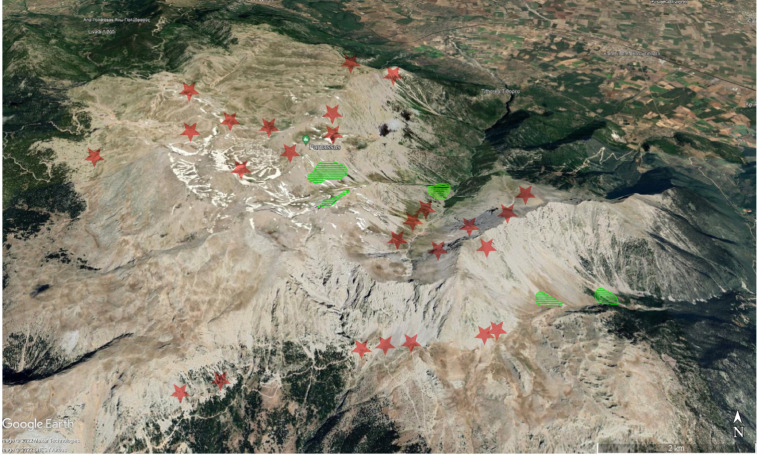
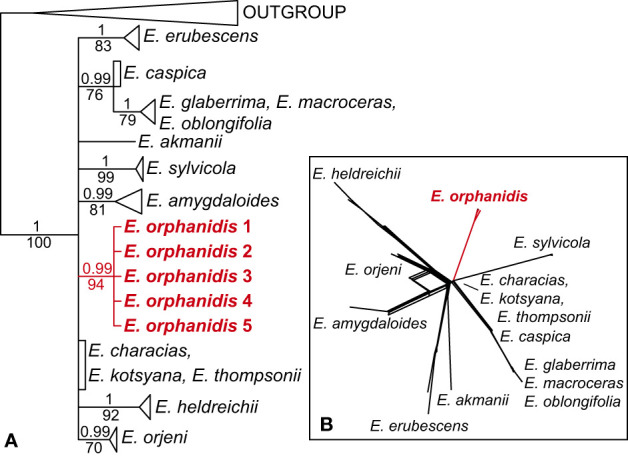
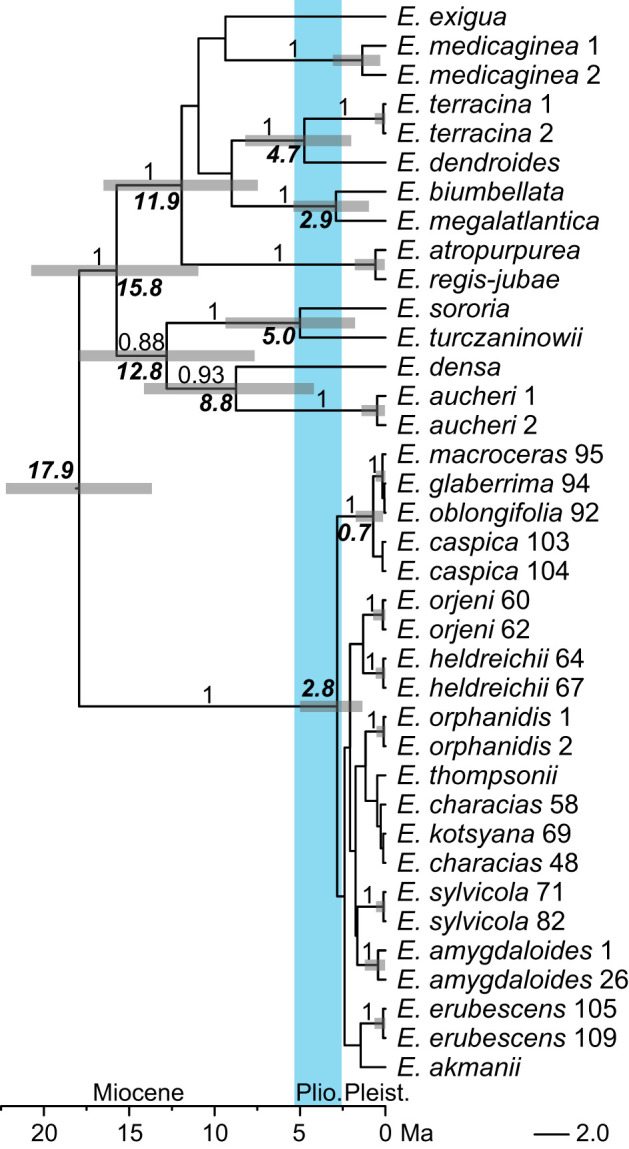
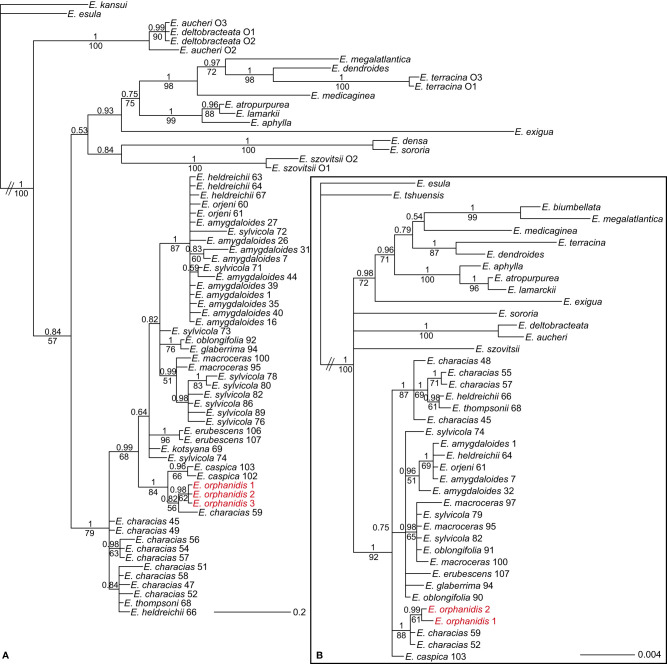
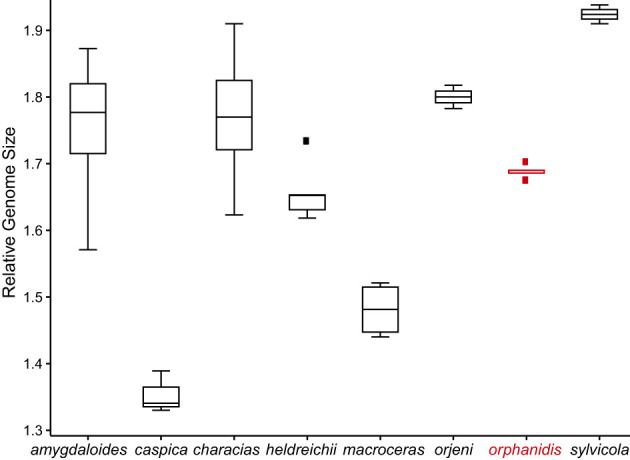
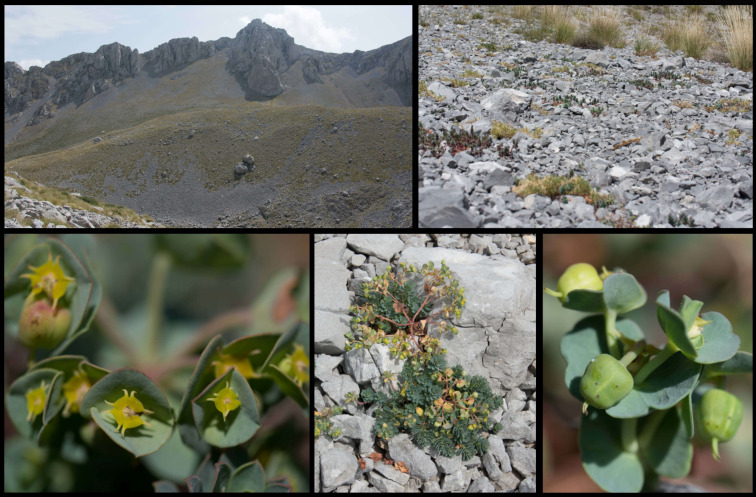
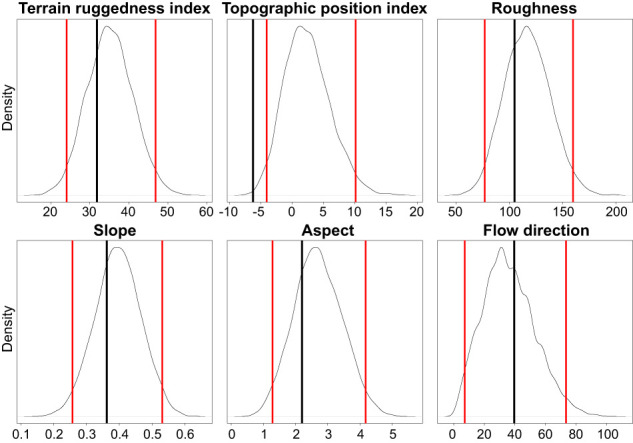
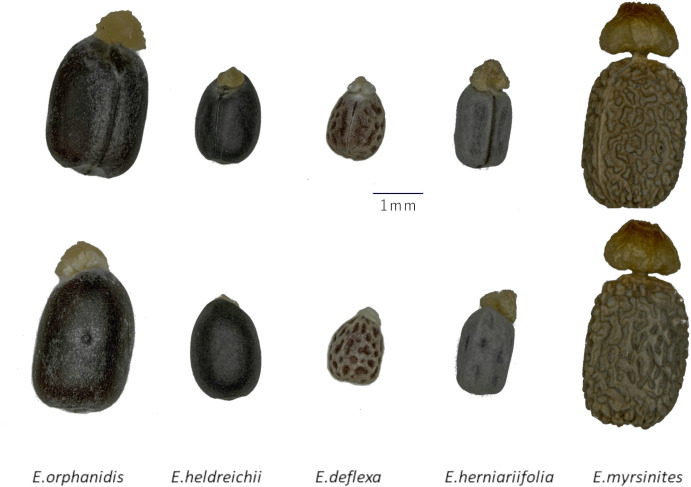
The Mediterranean Basin is one of the most biodiverse areas in the world, harboring 25,000 plant species, of which 60% are endemic. Some of them have narrow distributions, such as , which is only known from alpine screes on Mt. Parnassos in Greece. Its exact distribution in this mountain was, however, poorly known, and its phylogenetic origin was also unclear. We performed extensive field work in Mt. Parnassos and could register only in five patches of limestone screes in the eastern part of this mountain range, emphasizing its very narrow distribution, which is likely limited by topography influencing water availability as indicated by environmental modeling. We also registered 31 accompanying species and thus characterized its habitat. Using nuclear ribosomal internal transcribed spacer and plastid and sequences, we show that it belongs to sect. , despite not having connate raylet leaves typical for this section, and not to sect. as previously suggested. The relationships among the species of sect. are poorly resolved, suggesting their simultaneous divergence that dated to the late Pliocene, which coincided with the establishment of the Mediterranean climate. The relative genome size of is in the range of that for the other members of sect. , suggesting that it is diploid. Finally, we performed multivariate morphological analyses to generate a comprehensive description of . Based on its narrow distribution and the anticipated negative impact of global warming, we consider this species endangered. Our study demonstrates how microrelief can limit the distribution of plants in topographically heterogeneous mountain environments and likely plays an important, yet neglected, role in shaping the distribution patterns of plants in the Mediterranean Basin.
地中海盆地是世界上生物多样性最丰富的地区之一,拥有25000种植物,其中60%为特有种。它们中的一些分布范围狭窄,例如,仅在希腊帕尔纳索斯山的高山碎石中被发现。然而,它在这座山上的确切分布情况鲜为人知,其系统发育起源也不清楚。我们在帕尔纳索斯山进行了广泛的野外工作,仅在该山脉东部的五片石灰岩碎石中记录到了它,这凸显了其分布范围极其狭窄,环境模型显示这可能受到影响水分供应的地形限制。我们还记录了31种伴生种,从而对其栖息地进行了特征描述。利用核糖体内部转录间隔区以及质体和序列,我们表明它属于sect. ,尽管它没有该组典型的合生小羽片叶,且并非如之前所认为的属于sect. 。sect. 组内物种间的关系尚未得到很好的解析,这表明它们是同时分化的,可追溯到上新世晚期,这与地中海气候的形成相吻合。的相对基因组大小处于sect. 其他成员的范围内,表明它是二倍体。最后,我们进行了多变量形态分析,以全面描述。基于其狭窄的分布范围以及全球变暖预期产生的负面影响,我们认为该物种濒危。我们的研究表明,微地形如何能够限制地形异质山区植物的分布,并且可能在地中海盆地植物分布格局的形成中发挥了重要但被忽视的作用。