Lui Tun Hing, Li Charles Churk Hang
Department of Orthopaedics and Traumatology, Hong Kong SAR, China.
North District Hospital, Hong Kong SAR, China.
Arthrosc Tech. 2023 Jan 18;12(2):e233-e240. doi: 10.1016/j.eats.2022.11.001. eCollection 2023 Feb.
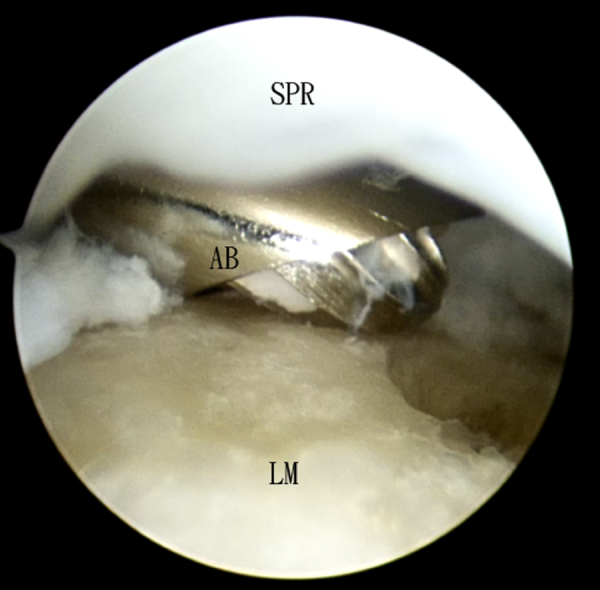
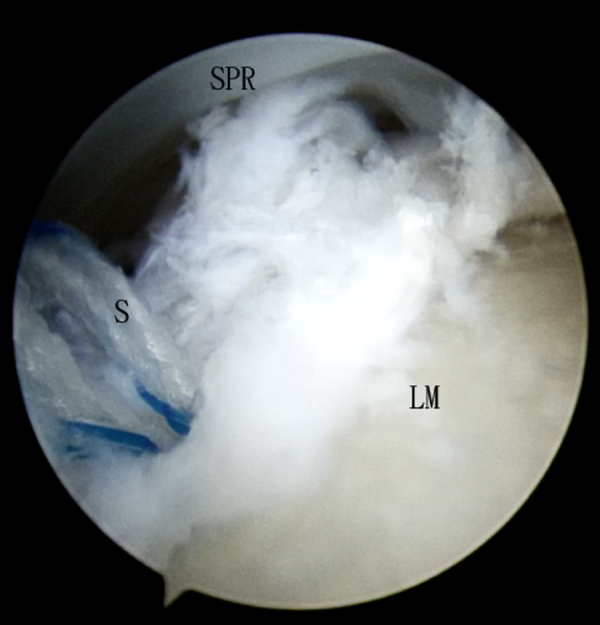
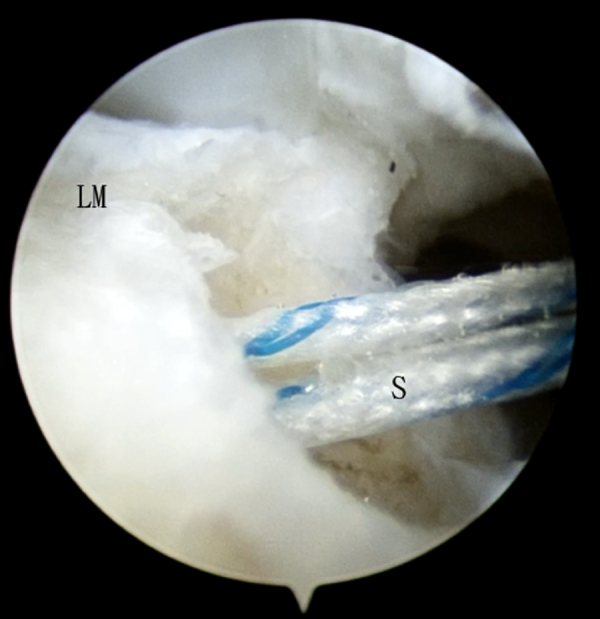
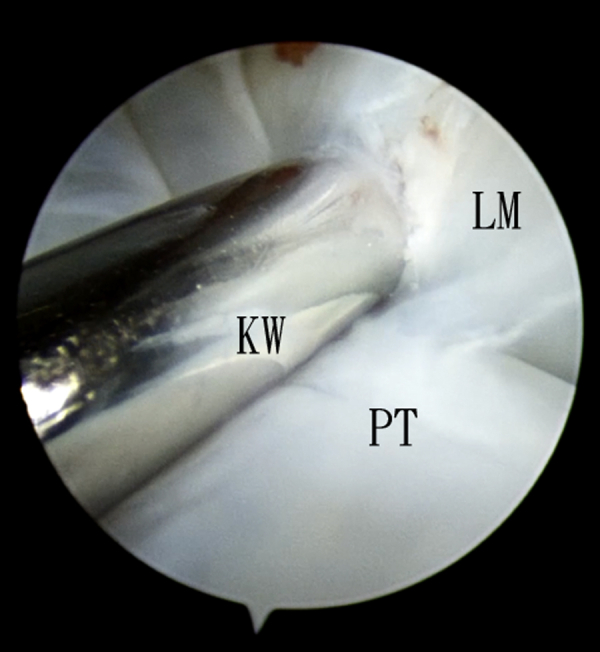
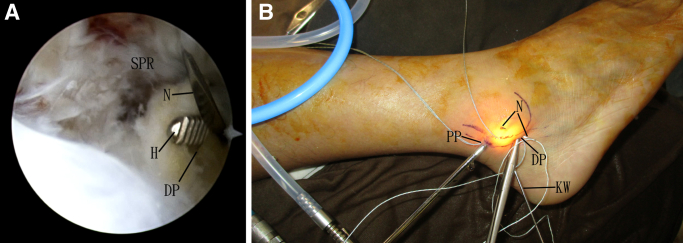
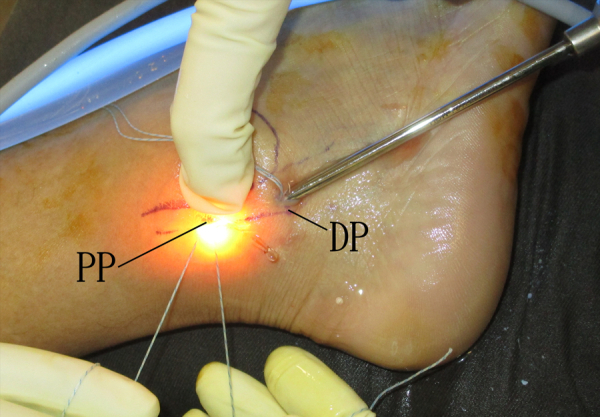
Post-traumatic peroneal tendon subluxation or dislocation is most commonly caused by injury to the superior peroneal retinaculum. Classic open surgeries usually require extensive soft-tissue dissection and have potential risks of peritendinous fibrous adhesions, sural nerve injury, limited range of movement, recurrent or persistent peroneal tendon instability, and tendon irritation. The purpose of this Technical Note is to describe the details of endoscopic superior peroneal retinaculum reconstruction using Q-FIX MINI suture anchor. This endoscopic approach has the advantages of minimally invasive surgery, including better cosmesis, less soft-tissue dissection, less postoperative pain, less peritendinous fibrosis, and less subjective tightness at peroneal tendons. Insertion of the Q-FIX MINI suture anchor can be performed inside a drill guide, and trapping of the surrounding soft tissue can be avoided.
创伤后腓骨肌腱半脱位或脱位最常见的原因是腓骨上支持带损伤。传统的开放手术通常需要广泛的软组织分离,并且存在腱周纤维粘连、腓肠神经损伤、活动范围受限、腓骨肌腱反复或持续不稳定以及肌腱刺激等潜在风险。本技术说明的目的是描述使用Q-FIX MINI缝合锚进行内镜下腓骨上支持带重建的细节。这种内镜方法具有微创手术的优点,包括更好的美容效果、更少的软组织分离、术后疼痛减轻、腱周纤维化减少以及腓骨肌腱处主观紧绷感减轻。Q-FIX MINI缝合锚可以在钻孔导向器内插入,并且可以避免周围软组织的卡压。