Department of Oncology of the First Affiliated Hospital & Tumor Institute, Hainan Medical University, Haikou, 570102, People's Republic of China.
Department of Otolaryngology, Head and Neck Surgery, the First Affiliated Hospital, Hainan Medical University, Haikou, 570102, People's Republic of China.
Drug Des Devel Ther. 2023 Mar 1;17:659-673. doi: 10.2147/DDDT.S386941. eCollection 2023.
This study aimed to explore the pharmacological mechanism of Dangshen () against hepatocellular carcinoma (HCC) based on network pharmacology and bioinformatics, and to verify the anticancer effect of luteolin, the active ingredient of , on HCC cells.
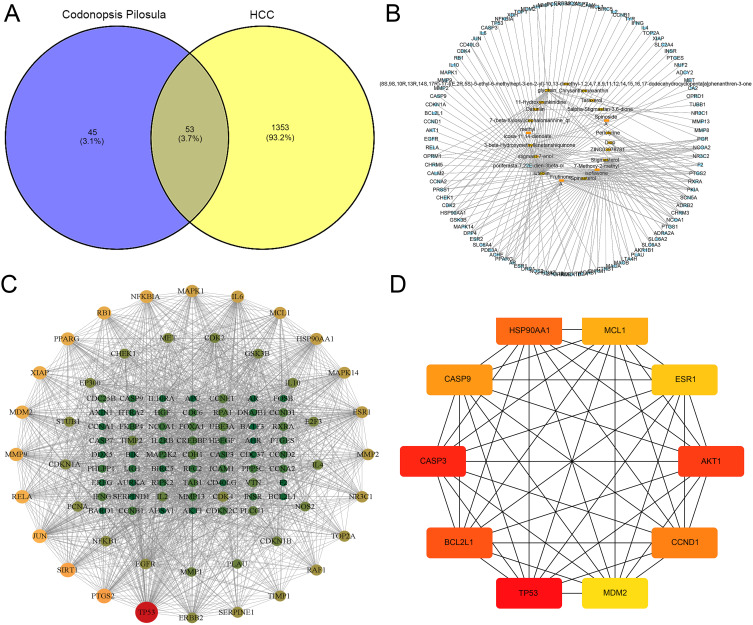
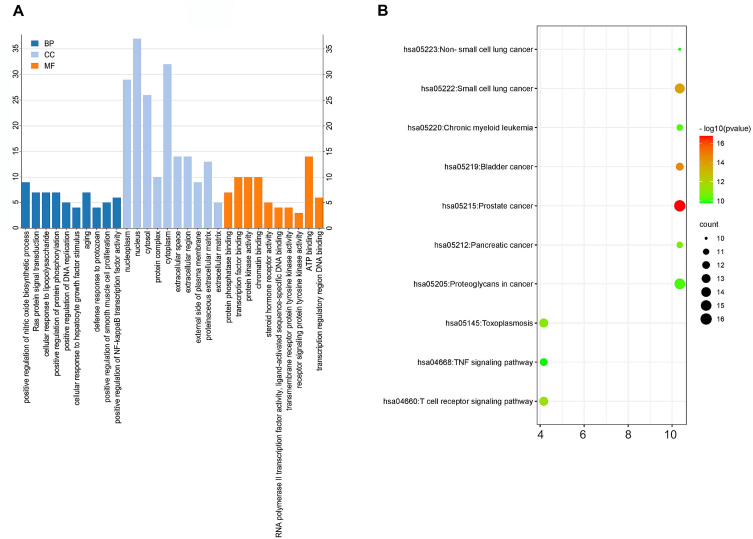
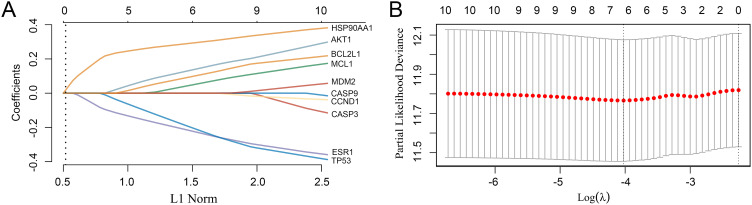
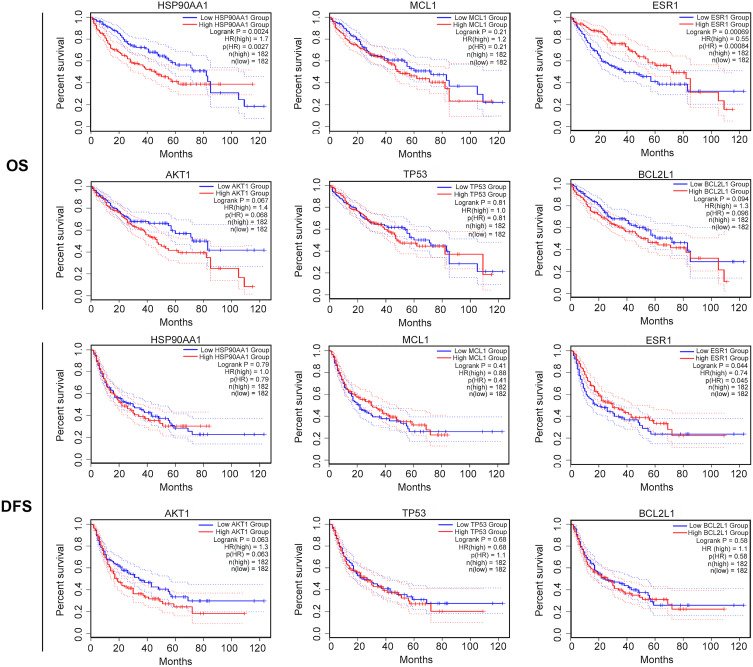
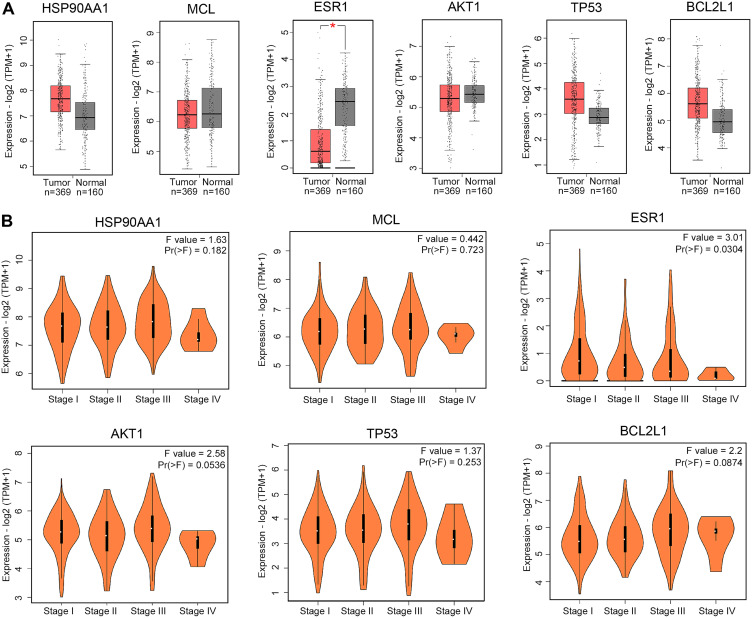
The effective compounds and potential targets of were established using the Traditional Chinese Medicine Systems Pharmacology Database and Analysis Platform (TCMSP) database. The genes related to HCC were obtained through the GeneCards database. The interactive genes were imported into the Visualization and Integrated Discovery database for Gene Ontology (GO) annotation and Kyoto Encyclopedia of Genes and Genomes (KEGG) signal enrichment, and the hub genes were screened out. The Cancer Genome Atlas database was used to construct a prognosis model, and the prognosis and clinicopathological correlation were analyzed. In in vitro experiments, we verified the effects of luteolin, an active compound of , on the proliferation, cell cycle, apoptosis and migration of HCC cells.
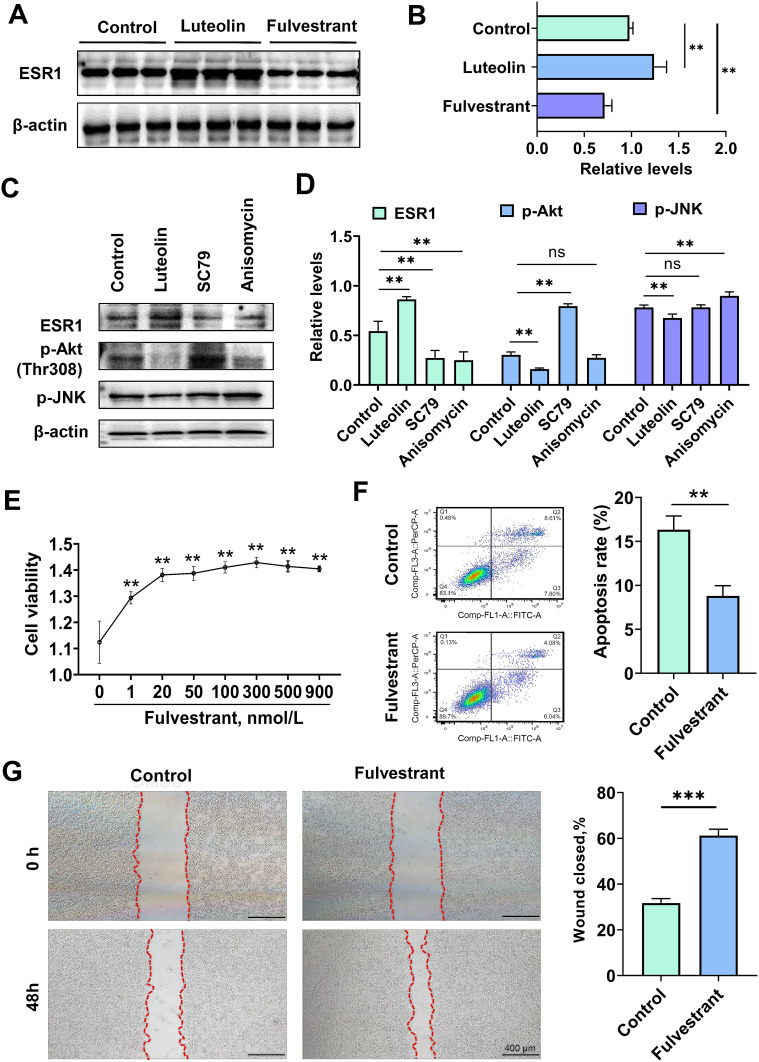
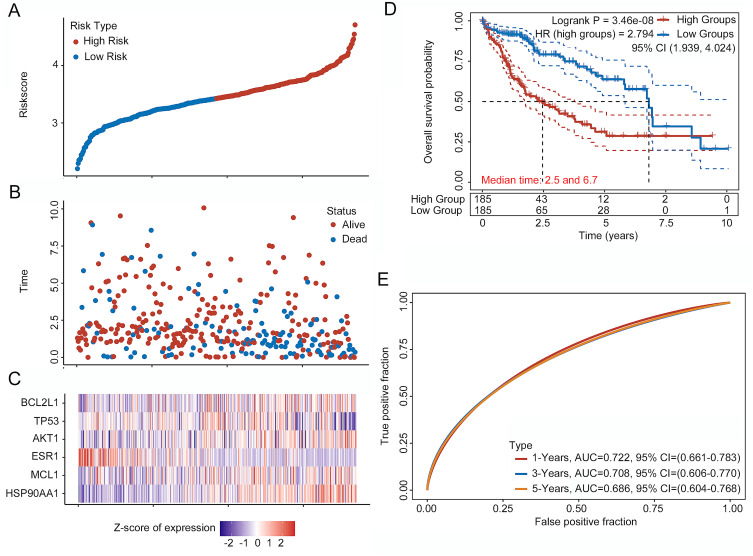
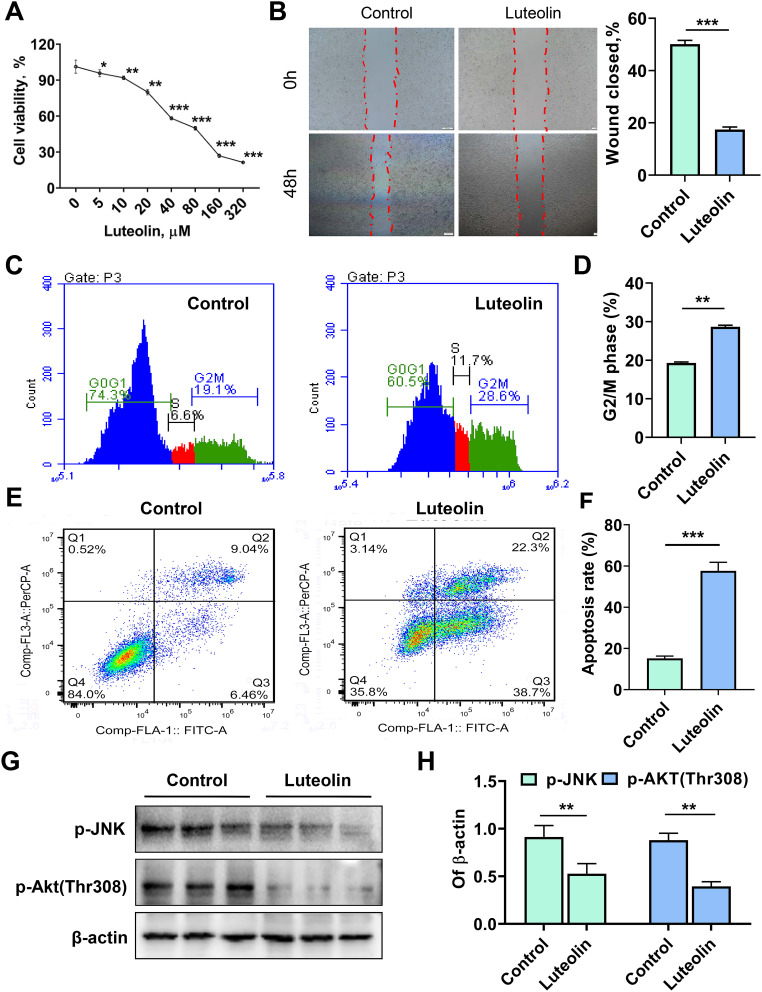
A total of 21 effective compounds of and 98 potential downstream target genes were screened through the TCMSP database, and 1406 HCC target genes were obtained through the GeneCards database. Finally, 53 interacting genes between the two databases were obtained, among which, the 10 key node genes were , and , involving 77 typical GO terms and 72 KEGG signals. The Kaplan-Meier survival curve of the model group showed that the overall survival of the low-risk group was significantly higher than that of the high-risk group. Luteolin significantly inhibited the proliferation and migration of HCC cells, induced apoptosis, and increased the G2/M phase ratio. Mechanistically, luteolin significantly inhibited the phosphorylation of MAPK-JNK and Akt (Thr308) and subsequently led to upregulation of ESR1. Pharmacological inhibition of ESR1 with fulvestrant enhanced cell viability and migration and attenuated apoptosis.
has potential for clinical development due to its anti-HCC properties. Luteolin, the effective component of , plays anti-HCC role through AKT- or MAPK-JNK signaling mediated ESR1.
本研究旨在基于网络药理学和生物信息学探讨党参()抗肝细胞癌(HCC)的药理机制,并验证其活性成分木犀草素对 HCC 细胞的抗癌作用。
采用中药系统药理学数据库和分析平台(TCMSP)数据库确定党参的有效化合物和潜在靶点,从 GeneCards 数据库获取与 HCC 相关的基因。将交互基因导入京都基因与基因组百科全书(KEGG)信号通路富集分析数据库(Visualization and Integrated Discovery,DAVID)进行基因本体论(GO)注释和信号通路富集分析,筛选出枢纽基因。利用癌症基因组图谱(TCGA)数据库构建预后模型,分析预后与临床病理的相关性。在体外实验中,验证木犀草素(党参的活性化合物)对 HCC 细胞增殖、细胞周期、凋亡和迁移的影响。
通过 TCMSP 数据库筛选出 21 种党参有效化合物和 98 个潜在下游靶基因,从 GeneCards 数据库获取 1406 个 HCC 靶基因。最终,从两个数据库中获取 53 个相互作用基因,其中关键节点基因有 10 个,涉及 77 个典型 GO 术语和 72 个 KEGG 信号通路。模型组的 Kaplan-Meier 生存曲线表明,低危组的总生存率明显高于高危组。木犀草素显著抑制 HCC 细胞的增殖和迁移,诱导细胞凋亡,增加 G2/M 期比例。机制上,木犀草素显著抑制 MAPK-JNK 和 Akt(Thr308)磷酸化,进而导致 ESR1 上调。用氟维司群抑制 ESR1 可显著增强细胞活力和迁移,减弱细胞凋亡。
党参具有抗 HCC 的潜力。木犀草素作为党参的有效成分,通过 AKT 或 MAPK-JNK 信号通路介导的 ESR1 发挥抗 HCC 作用。