Manaye Sara, Cheran Kaaviya, Murthy Chinmayee, Bornemann Elisa A, Kamma Hari Krishna, Alabbas Mohammad, Elashahab Mohammad, Abid Naushad, Arcia Franchini Ana P
Department of Internal Medicine, California Institute of Behavioral Neurosciences & Psychology, Fairfield, USA.
Department of General Medicine, California Institute of Behavioral Neurosciences & Psychology, Fairfield, USA.
Cureus. 2023 Feb 5;15(2):e34644. doi: 10.7759/cureus.34644. eCollection 2023 Feb.
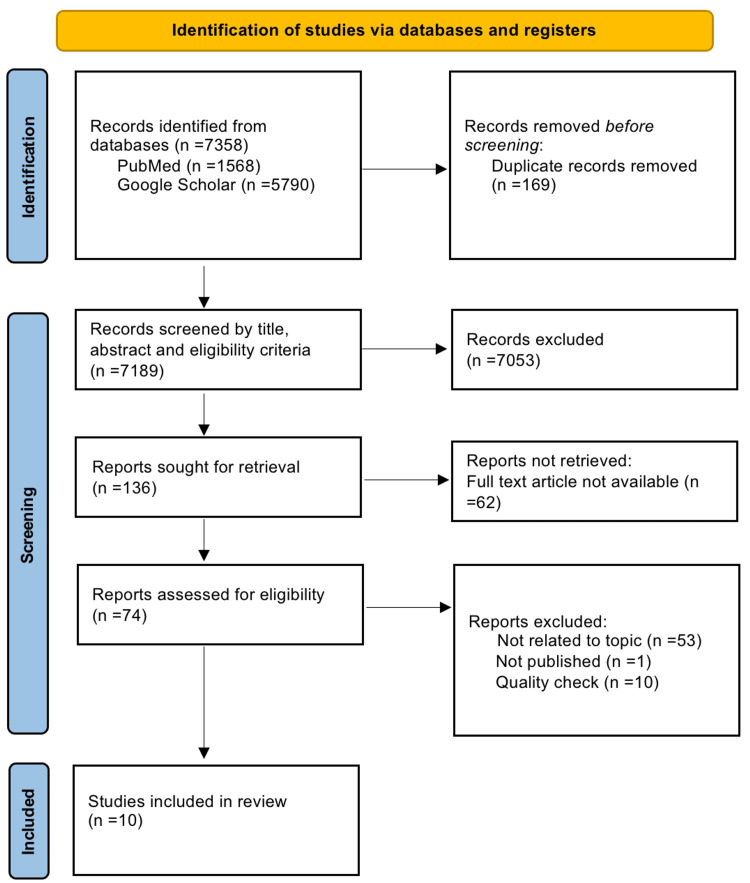
Postmenopausal osteoporosis is a chronic condition with decreased bone mass and altered bone structure, leading to a greater risk of fractures among older women. Exercise has been proposed as a potentially effective non-pharmacological method to prevent this condition. In this systematic review, we investigate the effects and safety of high-impact and high-intensity exercises in improving bone density at popular sites of fragility fractures, namely, the hip and spine. This review also highlights the mechanism of these exercises in improving bone density and other aspects of bone health in postmenopausal women. This study is done adhering to the Preferred Reporting Items for Systematic Reviews and Meta-Analyses (PRISMA) guidelines. After applying the eligibility criteria, we selected 10 articles from PubMed and Google Scholar to be included in our study. Based on the findings from the studies, we established that high-intensity and high-impact exercises are effective in improving, or at the very least maintaining, bone density in the lumbar spine and femur in postmenopausal women. An exercise protocol including high-intensity resistance exercises and high-impact training is shown to be most effective in improving bone density and other parameters of bone health. These exercises were found to be safe in older women, however, careful supervision is recommended. All limitations considered, high-intensity and high-impact exercises are an effective strategy to enhance bone density, and potentially reduce the burden of fragility as well as compression fractures in postmenopausal women.
绝经后骨质疏松症是一种慢性疾病,其骨量减少且骨结构改变,导致老年女性骨折风险增加。运动已被提议作为预防这种疾病的一种潜在有效的非药物方法。在本系统评价中,我们研究了高冲击力和高强度运动对改善脆性骨折常见部位(即髋部和脊柱)骨密度的效果和安全性。本评价还强调了这些运动在改善绝经后女性骨密度及骨骼健康其他方面的机制。本研究是按照系统评价和荟萃分析的首选报告项目(PRISMA)指南进行的。在应用纳入标准后,我们从PubMed和谷歌学术中筛选出10篇文章纳入我们的研究。基于这些研究的结果,我们确定高强度和高冲击力运动对于改善或至少维持绝经后女性腰椎和股骨的骨密度是有效的。一项包括高强度抗阻运动和高冲击力训练的运动方案在改善骨密度和骨骼健康的其他参数方面显示出最为有效。这些运动在老年女性中被发现是安全的,然而,建议进行仔细监督。综合考虑所有局限性,高强度和高冲击力运动是提高骨密度、并可能减轻绝经后女性脆性骨折及压缩性骨折负担的有效策略。