Balalian Arin A, Graeve Richard, Richter Matthias, Fink Astrid, Kielstein Heike, Martins Silvia S, Philbin Morgan M, Factor-Litvak Pam
Department of Epidemiology, Mailman School of Public Health, Columbia University, New York, NY, United States.
Medical Faculty, Martin Luther University Halle-Wittenberg, Halle (Saale), Germany.
Front Pediatr. 2023 Feb 21;11:1071889. doi: 10.3389/fped.2023.1071889. eCollection 2023.
This systematic review aims to estimate the relationship between prenatal exposure to opioids and neurodevelopmental outcomes and examines potential sources of heterogeneity between the studies.
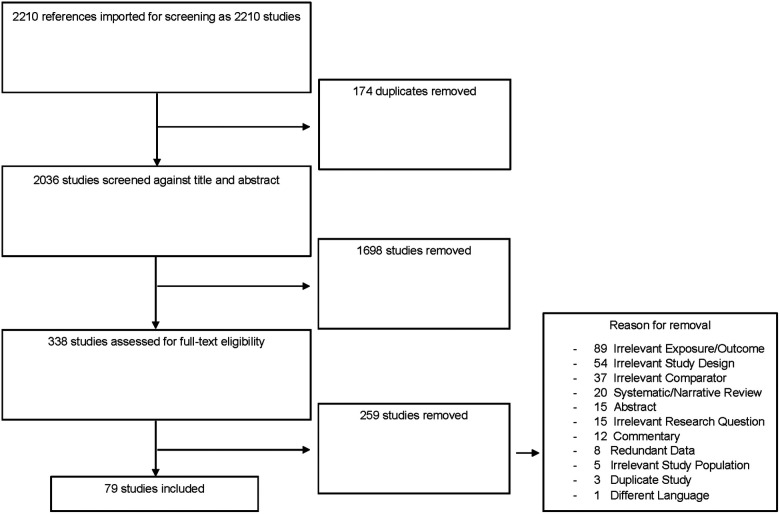
We searched four databases through May 21st, 2022: PubMed, Embase, PsycInfo and the Web of Science according to a specified search strings. Study inclusion criteria include: (1) cohort and case-control peer-reviewed studies published in English; (2) studies comparing neurodevelopmental outcomes among children with prenatal opioid-exposure (prescribed or used non-medically) vs. an unexposed group. Studies investigating fetal alcohol syndrome or a different primary prenatal exposure other than opioids were excluded. Two main performed data extraction using "Covidence" systematic review platform. This systematic review was conducted in accordance with PRISMA guidelines. The Newcastle-Ottawa-Scale was used for quality assessment of the studies. Studies were synthesized based on the type of neurodevelopmental outcome and the instrument used to assess neurodevelopment.
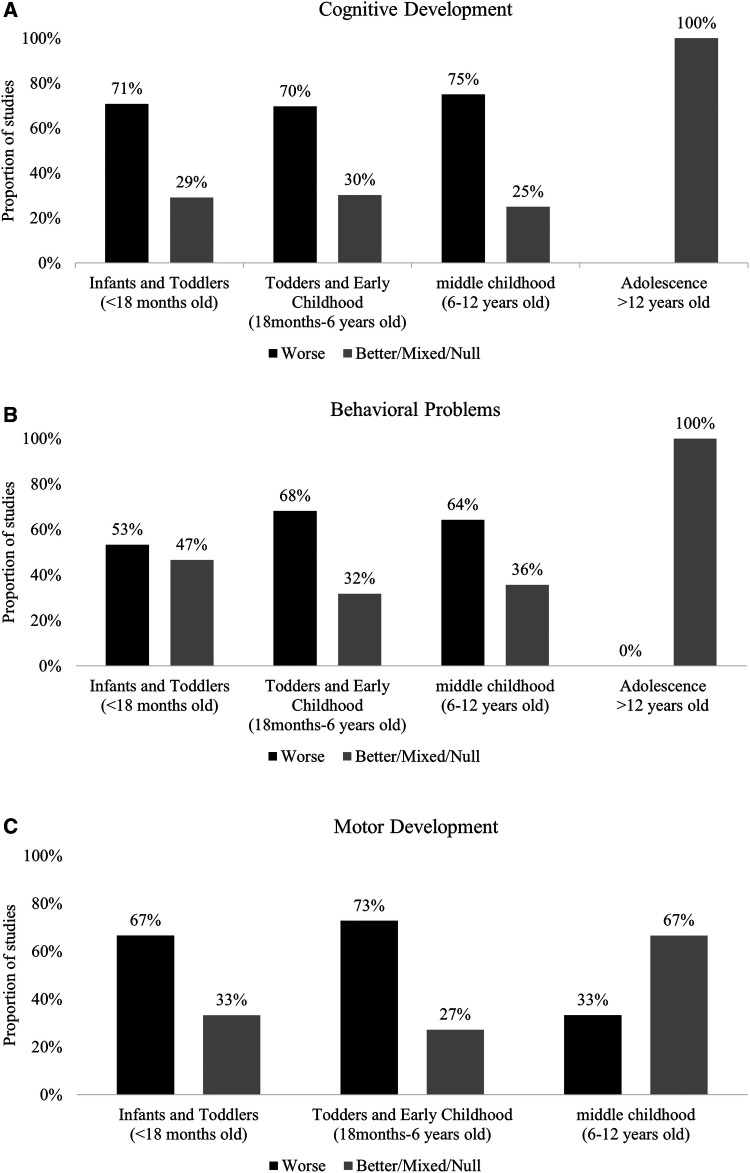
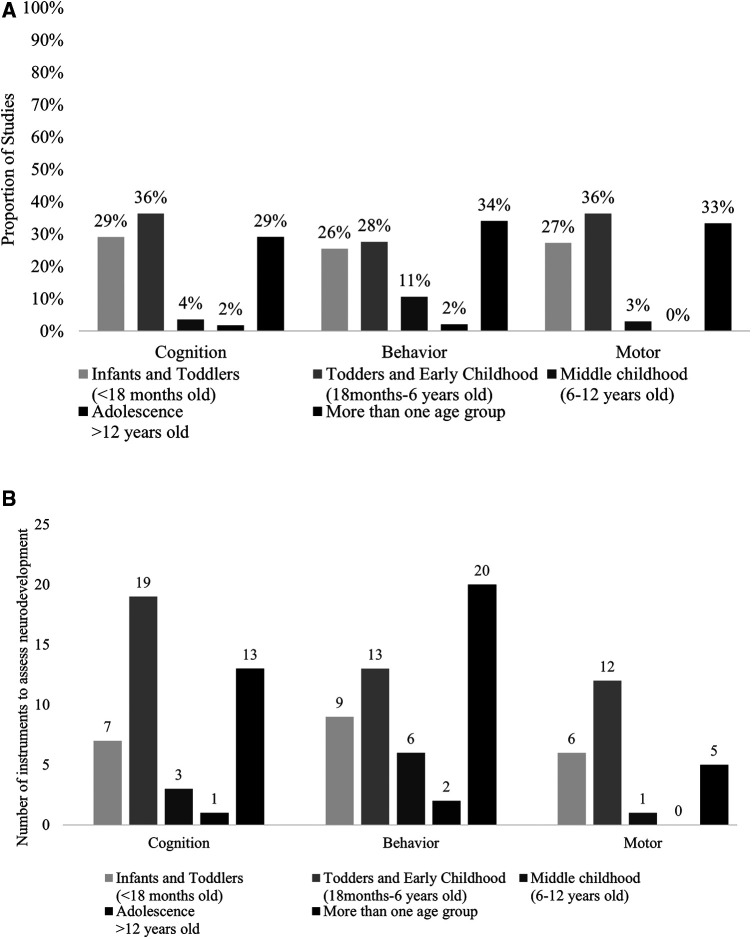
Data were extracted from 79 studies. We found significant heterogeneity between studies due to their use of different instruments to explore cognitive skills, motor, and behavioral outcomes among children of different ages. The other sources of heterogeneity included: procedures to assess prenatal exposure to opioids; period of pregnancy in which exposure was assessed; type of opioids assessed (non-medical, medication used for opioid use dis-order, prescribed by health professional), types of co-exposure; source of selection of prenatally exposed study participants and comparison groups; and methods to address lack of comparability between exposed and unexposed groups. Cognitive and motor skills as well as behavior were generally negatively affected by prenatal opioid exposure, but the significant heterogeneity precluded a meta-analysis.
We explored sources of heterogeneity in the studies assessing the association between prenatal exposure to opioids and neurodevelopmental outcomes. Sources of heterogeneity included different approaches to participant recruitment as well as exposure and outcome ascertainment methods. Nonetheless, overall negative trends were observed between prenatal opioid exposure and neuro-developmental outcomes.
本系统评价旨在评估产前暴露于阿片类药物与神经发育结局之间的关系,并探讨研究之间潜在的异质性来源。
我们根据指定的检索词,检索了截至2022年5月21日的四个数据库:PubMed、Embase、PsycInfo和科学网。研究纳入标准包括:(1)以英文发表的队列研究和病例对照同行评审研究;(2)比较产前暴露于阿片类药物(处方用药或非医疗使用)的儿童与未暴露组儿童神经发育结局的研究。排除调查胎儿酒精综合征或除阿片类药物以外其他主要产前暴露因素的研究。两名主要研究人员使用“Covidence”系统评价平台进行数据提取。本系统评价按照PRISMA指南进行。采用纽卡斯尔-渥太华量表对研究进行质量评估。根据神经发育结局的类型和用于评估神经发育的工具对研究进行综合分析。
从79项研究中提取了数据。我们发现研究之间存在显著异质性,原因是它们使用不同的工具来探究不同年龄段儿童的认知技能、运动和行为结局。其他异质性来源包括:评估产前阿片类药物暴露的程序;评估暴露的孕期;评估的阿片类药物类型(非医疗使用、用于阿片类药物使用障碍的药物、卫生专业人员处方用药)、共暴露类型;产前暴露研究参与者和对照组的选择来源;以及解决暴露组和未暴露组之间缺乏可比性的方法。产前阿片类药物暴露通常对认知和运动技能以及行为有负面影响,但显著的异质性排除了进行荟萃分析的可能性。
我们探讨了评估产前暴露于阿片类药物与神经发育结局之间关联的研究中的异质性来源。异质性来源包括参与者招募以及暴露和结局确定方法的不同途径。尽管如此,产前阿片类药物暴露与神经发育结局之间总体上观察到负面趋势。