Dinu Mihaela, Wang Kaiying, Mouele Emile S Massima, Parau Anca C, Vladescu Dragomir Alina, Liang Xinhua, Braic Viorel, Petrik Leslie Felicia, Braic Mariana
National Institute of Research and Development for Optoelectronics INOE 2000, 409 Atomistilor St., 077125 Magurele, Romania.
Department of Energy, Environmental & Chemical Engineering, Washington University in St. Louis, St. Louis, MO 63130, USA.
Materials (Basel). 2023 Feb 28;16(5):2007. doi: 10.3390/ma16052007.
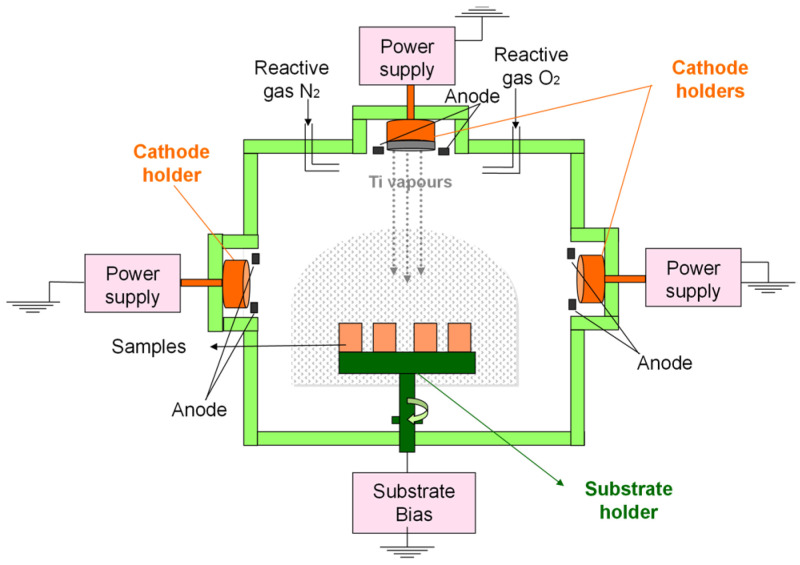
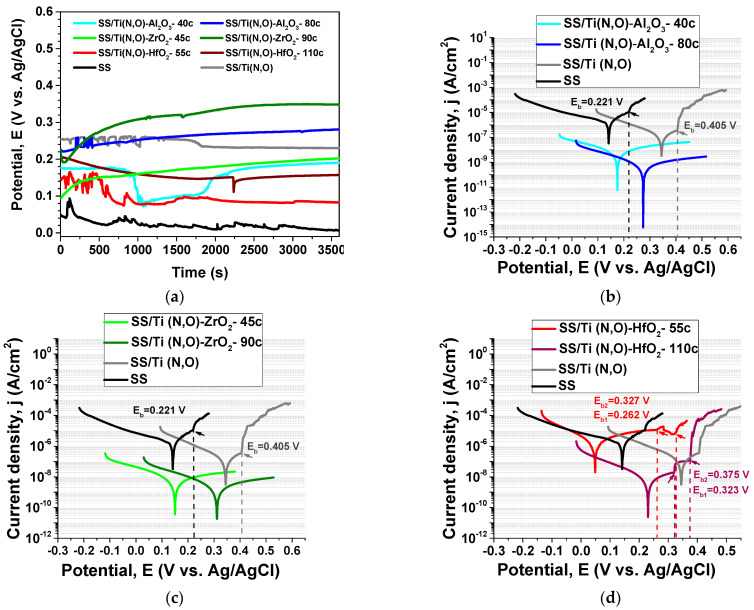
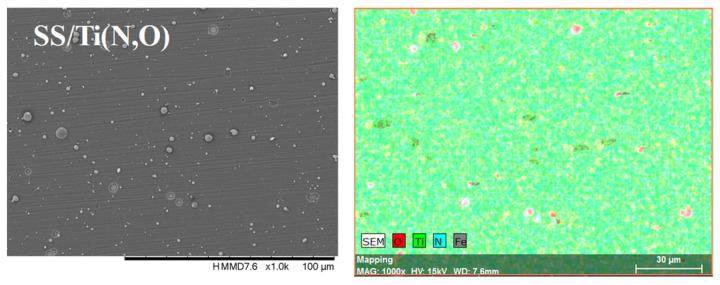
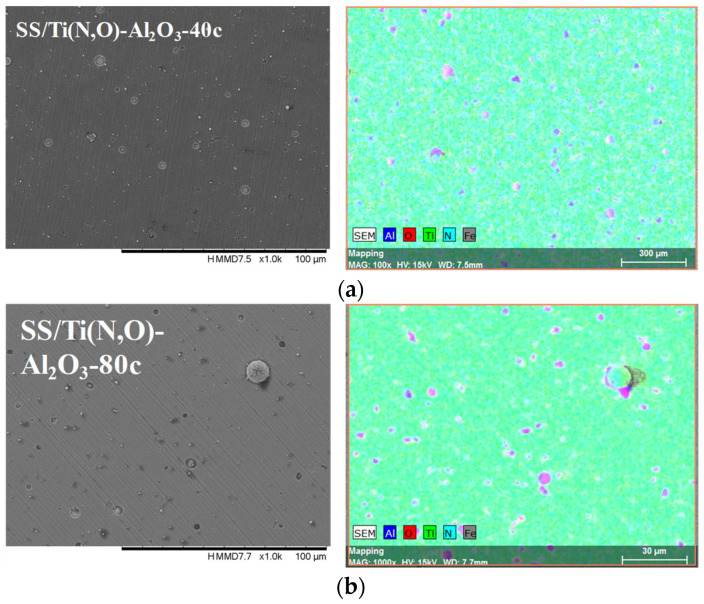
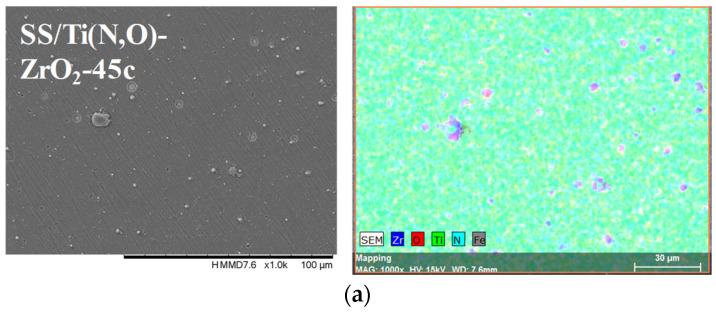
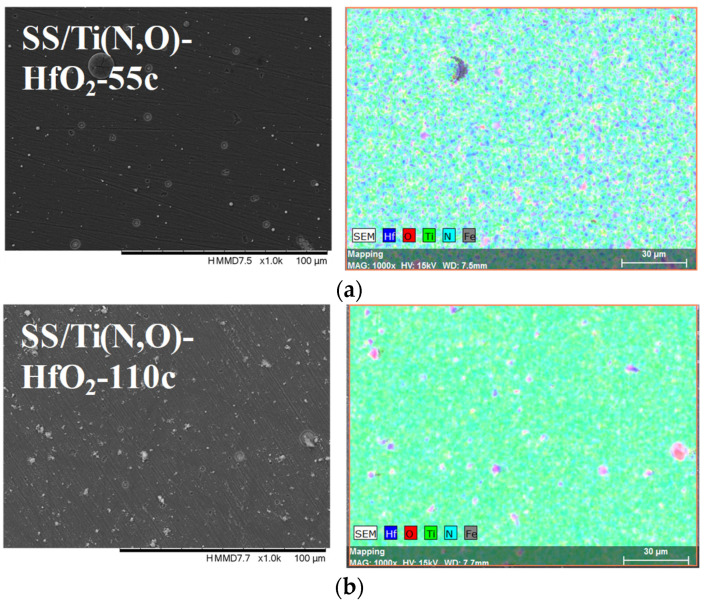
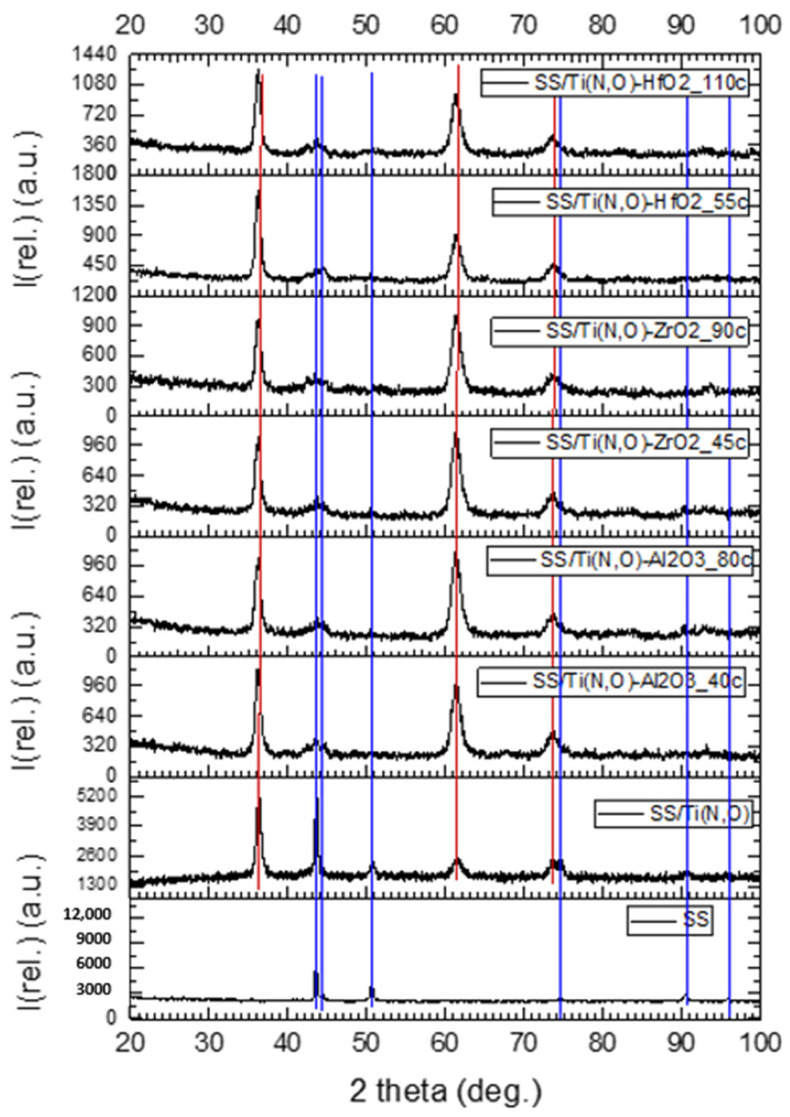
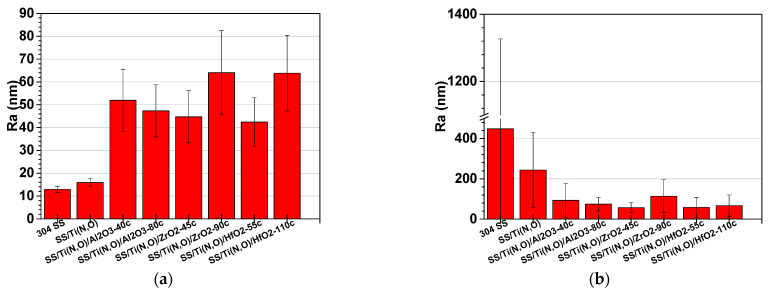
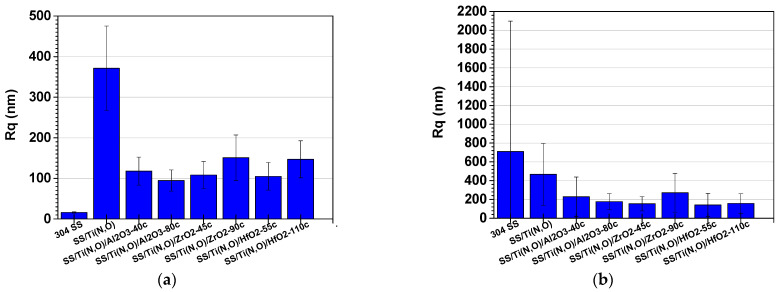
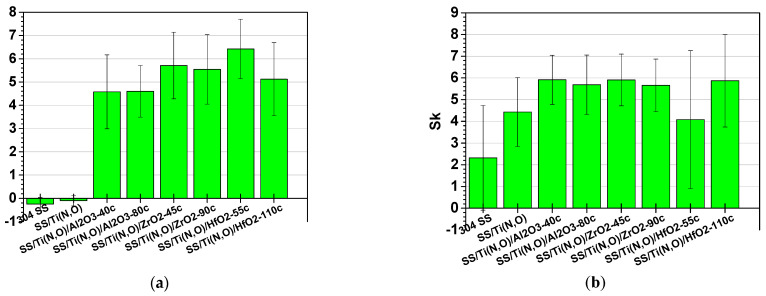
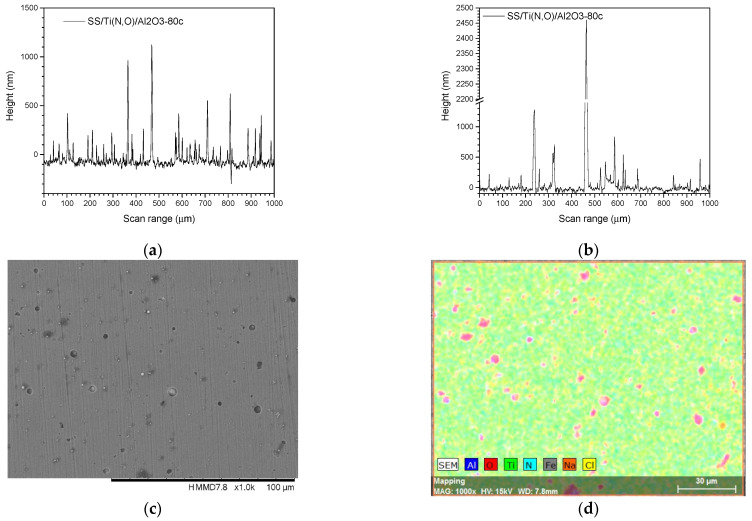
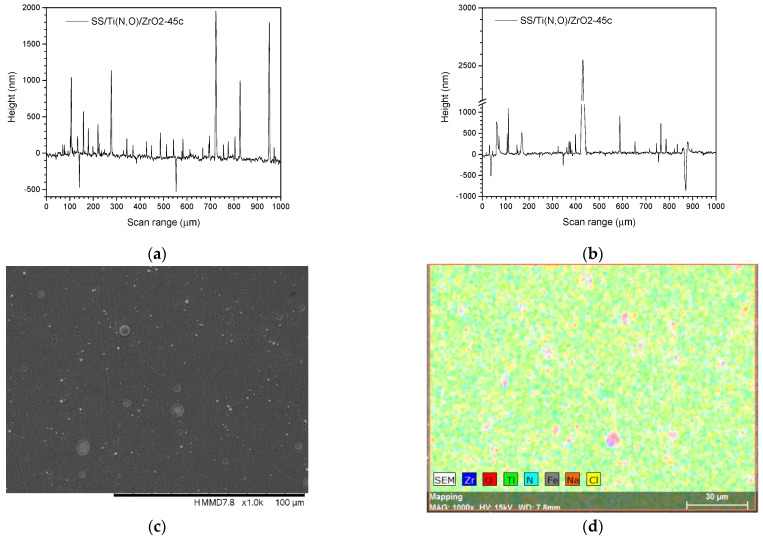
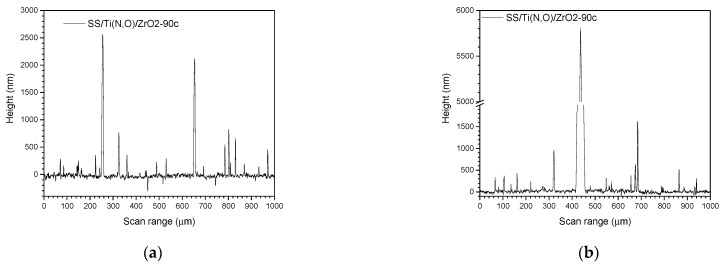
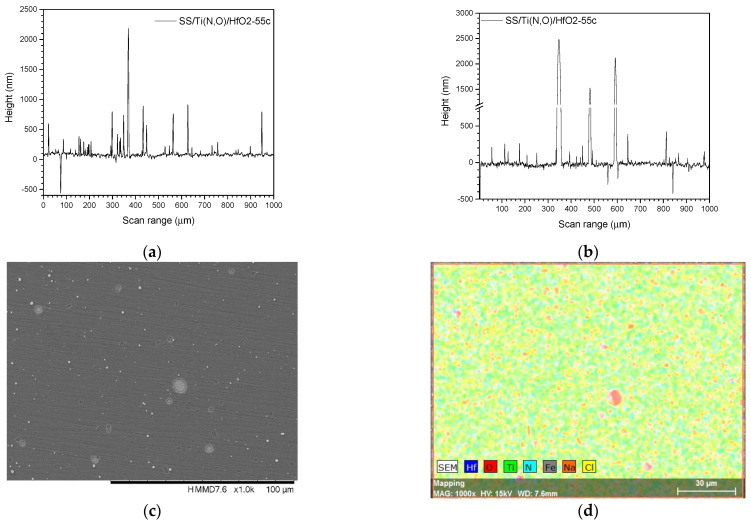
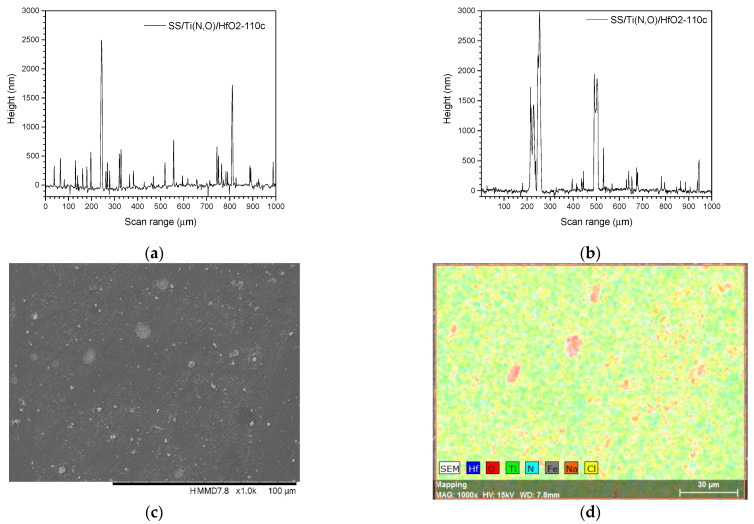
The goal of this stydy was to explore the potential of the enhanced corrosion resistance of Ti(N,O) cathodic arc evaporation-coated 304L stainless steel using oxide nano-layers deposited by atomic layer deposition (ALD). In this study, we deposited AlO, ZrO, and HfO nanolayers of two different thicknesses by ALD onto Ti(N,O)-coated 304L stainless steel surfaces. XRD, EDS, SEM, surface profilometry, and voltammetry investigations of the anticorrosion properties of the coated samples are reported. The amorphous oxide nanolayers homogeneously deposited on the sample surfaces exhibited lower roughness after corrosion attack compared to the Ti(N,O)-coated stainless steel. The best corrosion resistance was obtained for the thickest oxide layers. All samples coated with thicker oxide nanolayers augmented the corrosion resistance of the Ti(N,O)-coated stainless steel in a saline, acidic, and oxidising environment (0.9% NaCl + 6% HO, pH = 4), which is of interest for building corrosion-resistant housings for advanced oxidation systems such as cavitation and plasma-related electrochemical dielectric barrier discharge for breaking down persistent organic pollutants in water.
本研究的目的是探索利用原子层沉积(ALD)沉积的氧化物纳米层增强Ti(N,O)阴极电弧蒸发涂层304L不锈钢耐腐蚀性的潜力。在本研究中,我们通过ALD在Ti(N,O)涂层的304L不锈钢表面沉积了两种不同厚度的AlO、ZrO和HfO纳米层。报告了对涂层样品耐腐蚀性能的XRD、EDS、SEM、表面轮廓测量和伏安法研究。与Ti(N,O)涂层不锈钢相比,均匀沉积在样品表面的非晶态氧化物纳米层在腐蚀攻击后表现出更低的粗糙度。最厚的氧化层具有最佳的耐腐蚀性。所有涂覆有较厚氧化物纳米层的样品在盐水、酸性和氧化环境(0.9% NaCl + 6% HO,pH = 4)中增强了Ti(N,O)涂层不锈钢的耐腐蚀性,这对于构建用于先进氧化系统(如用于分解水中持久性有机污染物的空化和等离子体相关电化学介质阻挡放电)的耐腐蚀外壳具有重要意义。