Davis Simon W, Beynel Lysianne, Neacsiu Andrada D, Luber Bruce M, Bernhardt Elisabeth, Lisanby Sarah H, Strauman Timothy J
Department of Neurology, Duke University, Durham, NC, USA.
National Institute of Mental Health, Bethesda, MD, USA.
Int J Clin Health Psychol. 2023 Oct-Dec;23(4):100382. doi: 10.1016/j.ijchp.2023.100382. Epub 2023 Mar 4.
Despite the growing use of repetitive transcranial magnetic stimulation (rTMS) as a treatment for depression, there is a limited understanding of the mechanisms of action and how potential treatment-related brain changes help to characterize treatment response. To address this gap in understanding we investigated the effects of an approach combining rTMS with simultaneous psychotherapy on global functional connectivity.
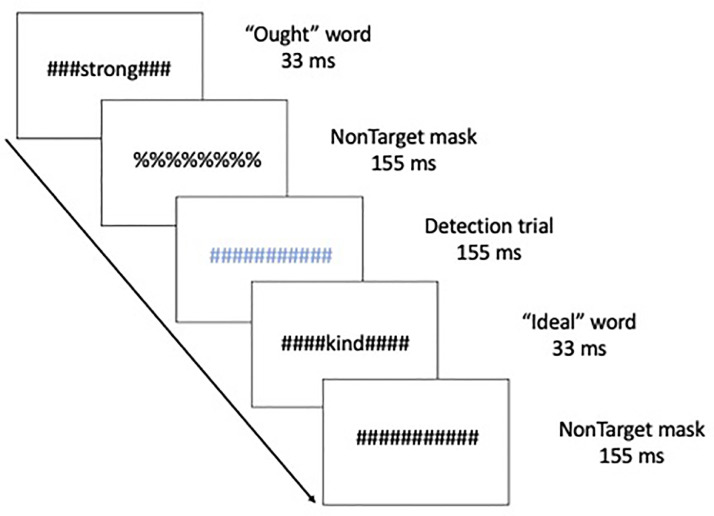
We compared task-related functional connectomes based on an idiographic goal priming task tied to emotional regulation acquired before and after simultaneous rTMS/psychotherapy treatment for patients with major depressive disorders and compared these changes to normative connectivity patterns from a set of healthy volunteers (HV) performing the same task.
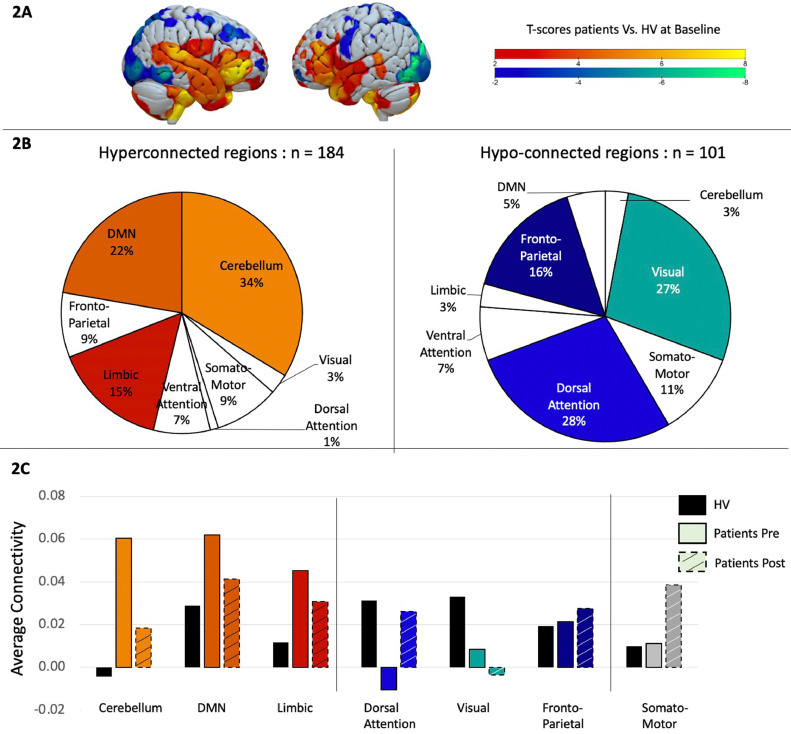
At baseline, compared to HVs, patients demonstrated connectivity of the DMN, cerebellum and limbic system, and connectivity of the fronto-parietal dorsal-attention network and visual cortex. Simultaneous rTMS/psychotherapy helped to normalize these differences, which were reduced after treatment. This finding suggests that the rTMS/therapy treatment regularizes connectivity patterns in both hyperactive and hypoactive brain networks.
These results help to link treatment to a comprehensive model of the neurocircuitry underlying depression and pave the way for future studies using network-guided principles to significantly improve rTMS efficacy for depression.
尽管重复经颅磁刺激(rTMS)作为抑郁症治疗方法的应用日益广泛,但对于其作用机制以及潜在的与治疗相关的大脑变化如何帮助表征治疗反应的了解仍然有限。为了填补这一认知空白,我们研究了rTMS与同步心理治疗相结合的方法对整体功能连接性的影响。
我们比较了基于个体目标启动任务的任务相关功能连接组,该任务与重度抑郁症患者在同步rTMS/心理治疗前后获得的情绪调节相关,并将这些变化与一组执行相同任务的健康志愿者(HV)的正常连接模式进行比较。
在基线时,与HV相比,患者表现出默认模式网络(DMN)、小脑和边缘系统的连接性,以及额顶叶背侧注意网络和视觉皮层的连接性。同步rTMS/心理治疗有助于使这些差异正常化,治疗后这些差异有所减少。这一发现表明,rTMS/治疗方法使过度活跃和活跃不足的脑网络中的连接模式正常化。
这些结果有助于将治疗与抑郁症潜在的神经回路综合模型联系起来,并为未来使用网络引导原则显著提高rTMS治疗抑郁症疗效的研究铺平道路。