Kotalevskaya Yu Yu, Stepanov V A
Moscow Regional Research and Clinical Institute, Moscow, Russia Charitable Foundation "BELA. Butterfly Children", Moscow, Russia.
Research Institute of Medical Genetics, Tomsk National Research Medical Center of the Russian Academy of Sciences, Tomsk, Russia.
Vavilovskii Zhurnal Genet Selektsii. 2023 Mar;27(1):18-27. doi: 10.18699/VJGB-23-04.
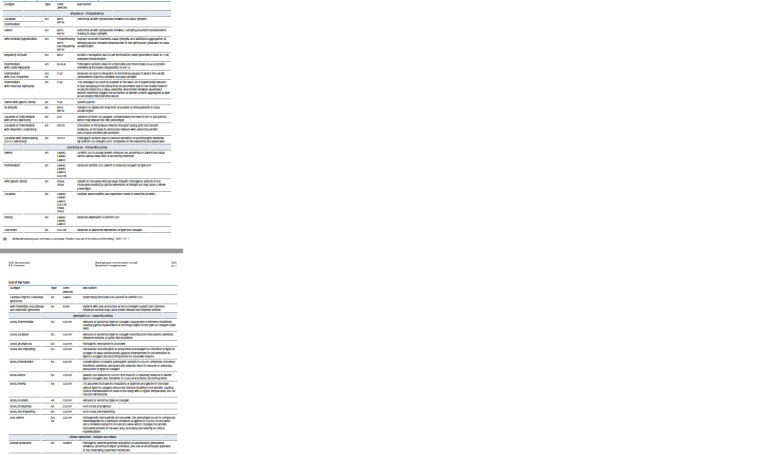
Epidermolysis bullosa (EB) is an inherited disorder of skin fragility, caused by mutations in a large number of genes associated with skin integrity and dermal-epidermal adhesion. Skin fragility is manifested by a decrease in resistance to external mechanical influences, the clinical signs of which are the formation of blisters, erosions and wounds on the skin and mucous membranes. EB is a multisystemic disease and characterized by a wide phenotypic spectrum with extracutaneous complications in severe types, besides the skin and mucous membranes, with high mortality. More than 30 clinical subtypes have been identified, which are grouped into four main types: simplex EB, junctional EB, dystrophic EB and Kindler syndrome. To date, pathogenic variants in 16 different genes are associated with EB and encode proteins that are part of the skin anchoring structures or are signaling proteins. Genetic mutations cause dysfunction of cellular structures, differentiation, proliferation and apoptosis of cells, leading to mechanical instability of the skin. The formation of reduced proteins or decrease in their level leads mainly to functional disorders, forming mild or intermediate severe phenotypes. Absent protein expression is a result of null genetic variants and leads to structural abnormalities, causing a severe clinical phenotype. For most of the genes involved in the pathogenesis of EB, certain relationships have been established between the type and position of genetic variant and the severity of the clinical manifestations of the disease. Establishing an accurate diagnosis depends on the correlation of clinical, genealogical and immunohistological data in combination with molecular genetic testing. In general, the study of clinical, genetic and ultrastructural changes in EB has significantly expanded the understanding of the natural history of the disease and supplemented the data on genotype-phenotype correlations, promotes the search and study of epigenetic and non-genetic disease modifier factors, and also allows developing approaches to radical treatment of the disease. New advances of sequencing technologies have made it possible to describe new phenotypes and study their genetic and molecular mechanisms. This article describes the pathogenetic aspects and genes that cause main and rare syndromic subtypes of EB.
大疱性表皮松解症(EB)是一种遗传性皮肤脆性疾病,由大量与皮肤完整性和真皮 - 表皮黏附相关的基因突变引起。皮肤脆性表现为对外界机械影响的抵抗力下降,其临床症状是皮肤和黏膜上出现水疱、糜烂和伤口。EB是一种多系统疾病,具有广泛的表型谱,严重类型除皮肤和黏膜外还伴有皮肤外并发症,死亡率高。已确定30多种临床亚型,分为四种主要类型:单纯型EB、交界型EB、营养不良型EB和Kindler综合征。迄今为止,16种不同基因中的致病变异与EB相关,这些基因编码的蛋白质是皮肤锚定结构的一部分或为信号蛋白。基因突变导致细胞结构、分化、增殖和凋亡功能障碍,从而导致皮肤机械稳定性下降。蛋白质减少或其水平降低主要导致功能障碍,形成轻度或中度严重表型。蛋白质表达缺失是无效基因变异的结果,导致结构异常,引起严重临床表型。对于大多数参与EB发病机制的基因,已在基因变异的类型和位置与疾病临床表现的严重程度之间建立了一定关系。准确诊断取决于临床、系谱和免疫组织学数据与分子基因检测结果的相关性。总体而言,对EB临床、遗传和超微结构变化的研究显著扩展了对该疾病自然史的认识,补充了基因型 - 表型相关性数据,促进了对表观遗传和非遗传疾病修饰因子的探索和研究,还为开发该疾病的根治方法提供了可能。测序技术的新进展使得描述新的表型并研究其遗传和分子机制成为可能。本文描述了导致EB主要和罕见综合征亚型的发病机制及相关基因。