Cerdá-Bernad Débora, Pitterou Ioanna, Tzani Andromachi, Detsi Anastasia, Frutos María José
Agro-Food Technology Department, CIAGRO-UMH, Centro de Investigación e Innovación Agroalimentaria y Agroambiental, Miguel Hernández University, 03312, Orihuela, Spain.
Laboratory of Organic Chemistry, Department of Chemical Sciences, School of Chemical Engineering, National Technical University of Athens, Zografou Campus, 15780, Athens, Greece.
Curr Res Food Sci. 2023 Feb 26;6:100469. doi: 10.1016/j.crfs.2023.100469. eCollection 2023.
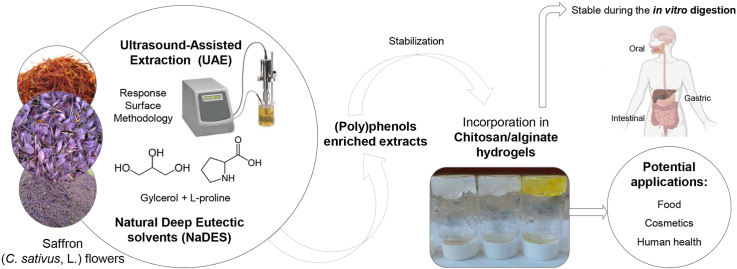
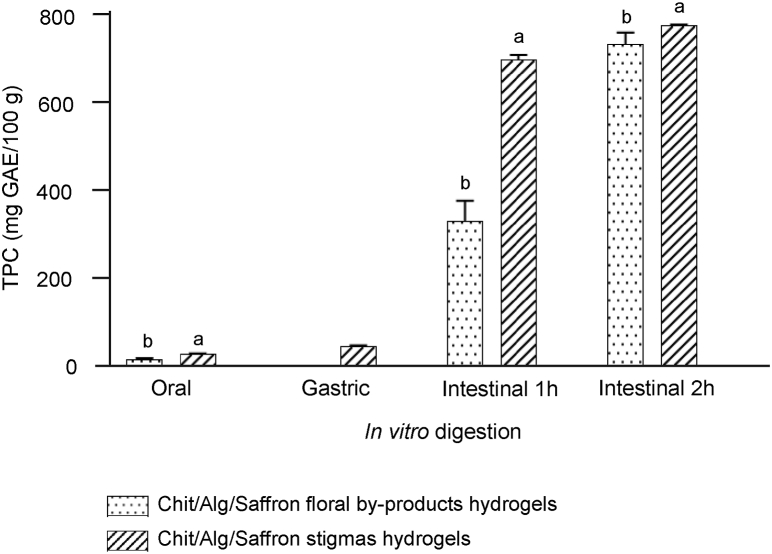
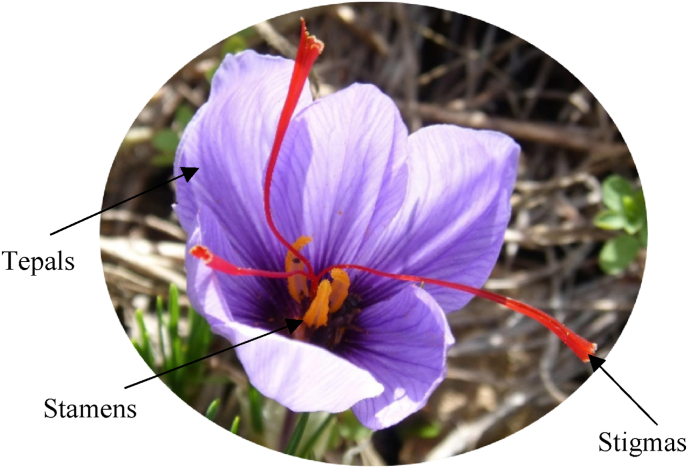
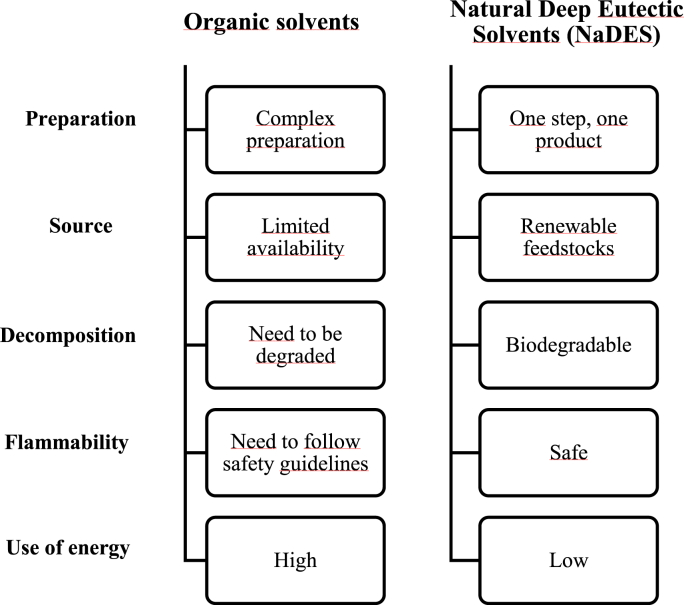
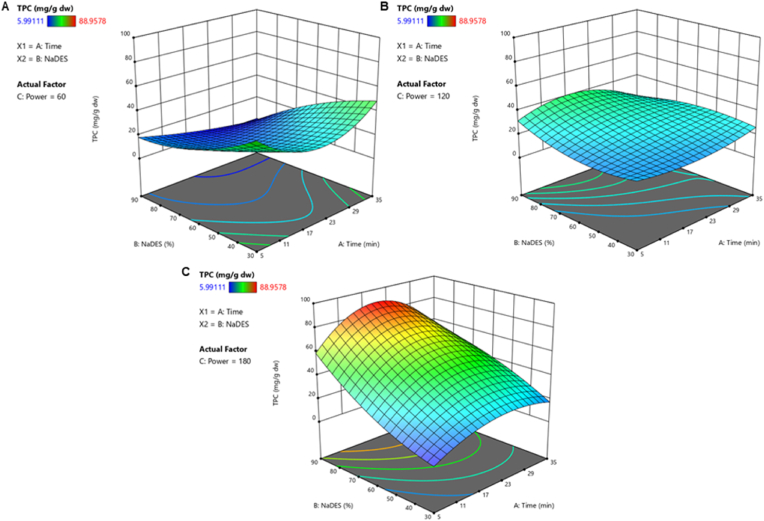
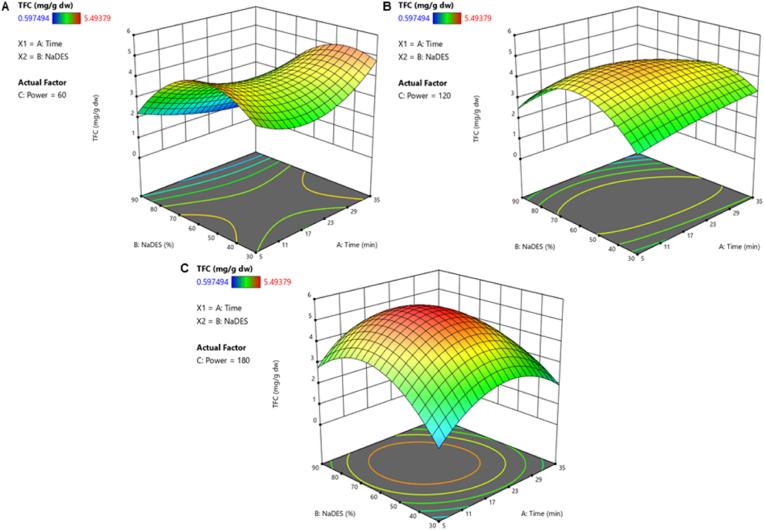
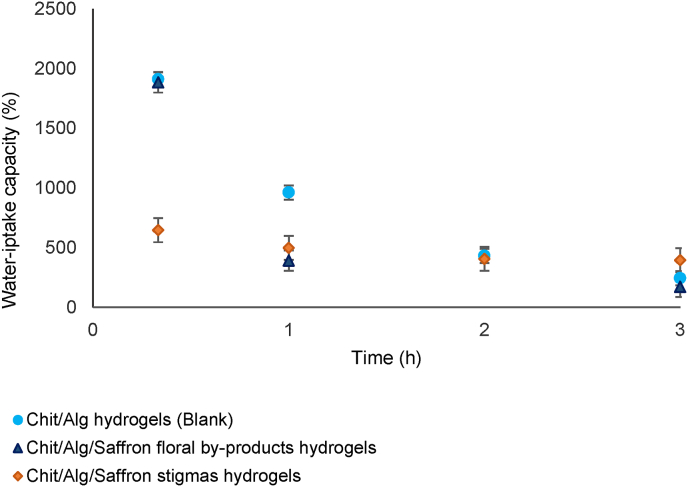
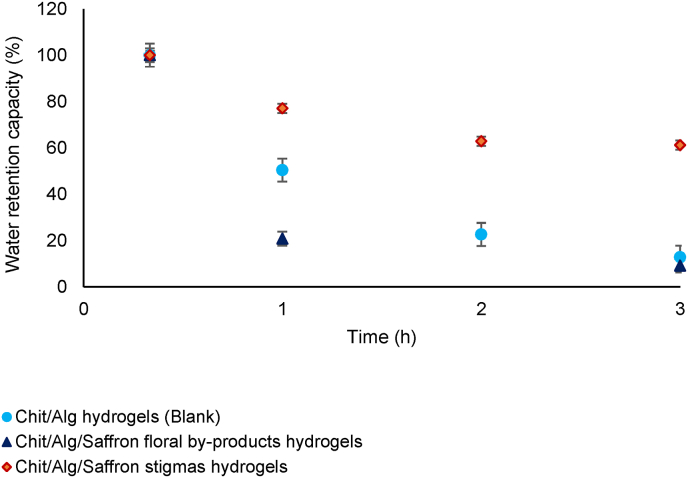
The current saffron production system is generating several hundreds of tons of tepal waste, because only stigmas are used for food. Consequently, the valorization of saffron floral by-products by developing stable functional ingredients could lead to the environmental impact minimization. Thus, the main aim of this study was to develop innovative green extraction processes from saffron floral by-products by using Natural Deep Eutectic Solvents (NaDES) and ultrasound-assisted extraction (UAE) as ecological extraction method. Response surface methodology was used to optimize process parameters. To improve the stability of the optimal extracts, they were incorporated into chitosan/alginate hydrogels, studying their water-uptake and water retention capacity and the total phenolic content (TPC) during the digestion. The results indicated that the optimal extraction, regarding total phenolic and flavonoid content, was achieved in 20 min, using 180 W ultrasound power and 90% of NaDES. The results of the DPPH assay revealed the potent antioxidant activity of saffron floral by-products. The chitosan/alginate hydrogels incorporating the as-obtained NaDES extracts showed favorable properties whereas the TPC remained stable under intestinal conditions. Therefore, NaDES combined with UAE was an efficient technique to isolate high added-value compounds from saffron flowers, succeeding also the valorization of discarded waste by using green and low-cost strategies. Furthermore, these novel hydrogels could be used as promising candidates for food or cosmetic applications.
目前的藏红花生产系统产生了数百吨的花被废弃物,因为只有柱头被用于食品。因此,通过开发稳定的功能成分来实现藏红花花副产品的增值,可将对环境的影响降至最低。因此,本研究的主要目的是通过使用天然深共晶溶剂(NaDES)和超声辅助提取(UAE)作为生态提取方法,从藏红花花副产品中开发创新的绿色提取工艺。采用响应面法优化工艺参数。为了提高最佳提取物的稳定性,将它们掺入壳聚糖/海藻酸盐水凝胶中,研究其在消化过程中的吸水和保水能力以及总酚含量(TPC)。结果表明,在20分钟内,使用180W超声功率和90%的NaDES,可实现总酚和黄酮含量的最佳提取。DPPH测定结果显示藏红花花副产品具有强大的抗氧化活性。掺入所得NaDES提取物的壳聚糖/海藻酸盐水凝胶表现出良好的性能,而TPC在肠道条件下保持稳定。因此,NaDES与UAE相结合是从藏红花花中分离高附加值化合物的有效技术,还通过绿色和低成本策略成功实现了废弃废物的增值。此外,这些新型水凝胶有望用于食品或化妆品应用。