CSIR-Centre for Cellular & Molecular Biology, Hyderabad, Telangana, India.
Department of Pediatrics, Gandhi Medical College, Secunderabad, Telangana, India.
Indian J Med Res. 2022 Oct-Nov;156(4&5):659-668. doi: 10.4103/ijmr.ijmr_3475_21.
BACKGROUND & OBJECTIVES: COVID-19 has been a global pandemic since early 2020. It has diverse clinical manifestations, but consistent immunological and metabolic correlates of disease severity and protection are not clear. This study was undertaken to compare seropositivity rate, antibody levels against nucleocapsid and spike proteins, virus neutralization and metabolites between adult and child COVID-19 patients.
Plasma samples from naïve control (n=14) and reverse transcription (RT)-PCR positive COVID-19 participants (n=132) were tested for reactivity with nucleocapsid and spike proteins by ELISA, neutralization of SARS-CoV-2 infectivity in Vero cells and metabolites by H nuclear magnetic resonance (NMR) spectroscopy.
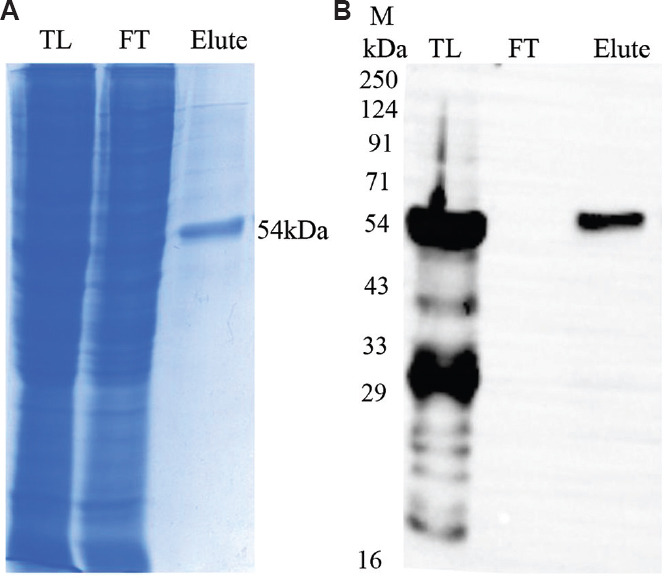
An ELISA platform was developed using nucleocapsid and spike proteins for COVID-19 serosurvey. The participants showed greater seropositivity for nucleocapsid (72%) than spike (55.3%), and males showed higher seropositivity than females for both the proteins. Antibody levels to both the proteins were higher in intensive care unit (ICU) than ward patients. Children showed lower seropositivity and antibody levels than adults. In contrast to ICU adults (81.3%), ICU children (33.3%) showed lower seropositivity for spike. Notably, the neutralization efficiency correlated with levels of anti-nucleocapsid antibodies. The levels of plasma metabolites were perturbed differentially in COVID-19 patients as compared with the naive controls.
INTERPRETATION & CONCLUSIONS: Our results reflect the complexity of human immune response and metabolome to SARS-CoV-2 infection. While innate and cellular immune responses are likely to be a major determinant of disease severity and protection, antibodies to multiple viral proteins likely affect COVID-19 pathogenesis. In children, not adults, lower seropositivity rate for spike was associated with disease severity.
自 2020 年初以来,COVID-19 已成为一种全球性大流行病。它具有多种临床表现,但疾病严重程度和保护的一致免疫和代谢相关性尚不清楚。本研究旨在比较成人和儿童 COVID-19 患者的血清阳性率、针对核衣壳和刺突蛋白的抗体水平、病毒中和作用和代谢物。
使用 ELISA 检测 naive 对照(n=14)和 RT-PCR 阳性 COVID-19 参与者(n=132)的血浆样本与核衣壳和刺突蛋白的反应性,使用 H 核磁共振(NMR)光谱法检测 SARS-CoV-2 在 Vero 细胞中的中和作用和代谢物。
开发了一种使用核衣壳和刺突蛋白进行 COVID-19 血清调查的 ELISA 平台。与 spike 蛋白(55.3%)相比,参与者对 nucleocapsid 的血清阳性率更高(72%),男性对这两种蛋白的血清阳性率均高于女性。两种蛋白的抗体水平在 ICU 患者中均高于病房患者。儿童的血清阳性率和抗体水平均低于成人。与 ICU 成人(81.3%)相比,ICU 儿童(33.3%)对 spike 的血清阳性率较低。值得注意的是,中和效率与抗核衣壳抗体水平相关。与 naive 对照组相比,COVID-19 患者的血浆代谢物水平存在差异。
我们的结果反映了人类对 SARS-CoV-2 感染的先天和适应性免疫反应和代谢组的复杂性。虽然先天和细胞免疫反应可能是疾病严重程度和保护的主要决定因素,但针对多种病毒蛋白的抗体可能会影响 COVID-19 的发病机制。在儿童中,而不是成人中,较低的 spike 血清阳性率与疾病严重程度相关。