EPICORE Centre, Department of Medicine, University of Alberta, Canada.
Faculty of Pharmacy and Pharmaceutical Sciences, University of Alberta, Canada.
Res Social Adm Pharm. 2023 Jun;19(6):944-955. doi: 10.1016/j.sapharm.2023.03.005. Epub 2023 Mar 11.
Community pharmacists were the face of the health response to the unprecedented COVID-19 pandemic. Their pivotal role during the pandemic has been widely recognized, as they adapted to continue to provide a higher level of care to their patients.
The objective of this study was to gain a deeper understanding of frontline pharmacists' lived experiences of the COVID-19 pandemic and its impact on their roles.
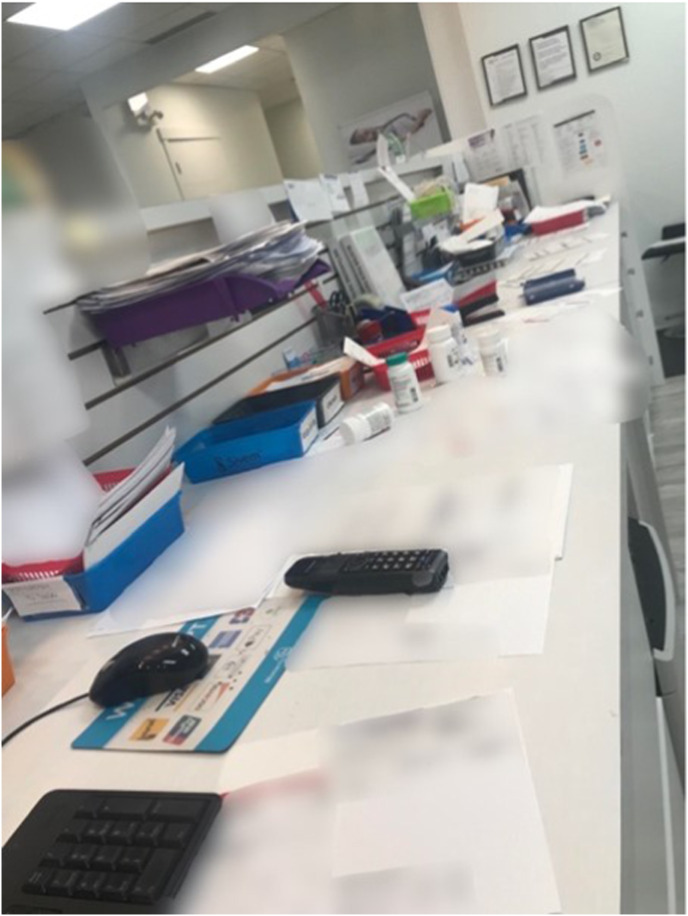
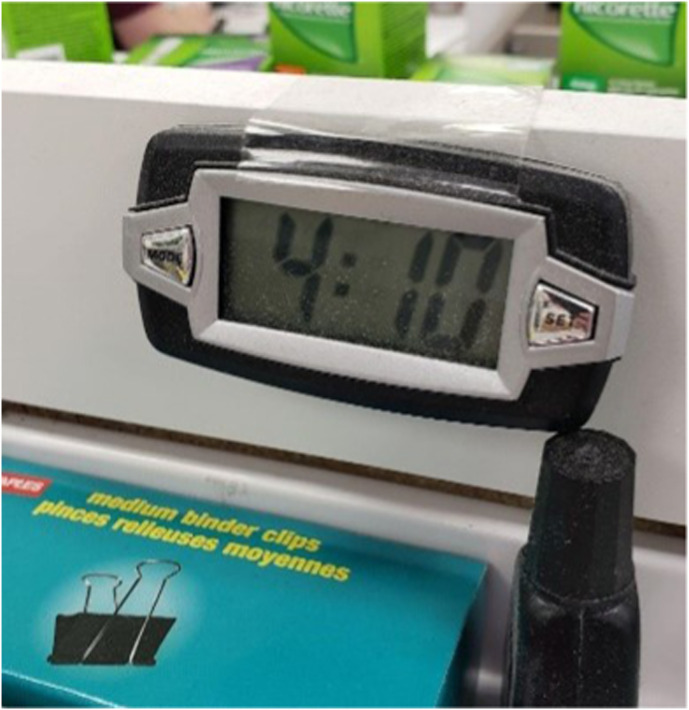
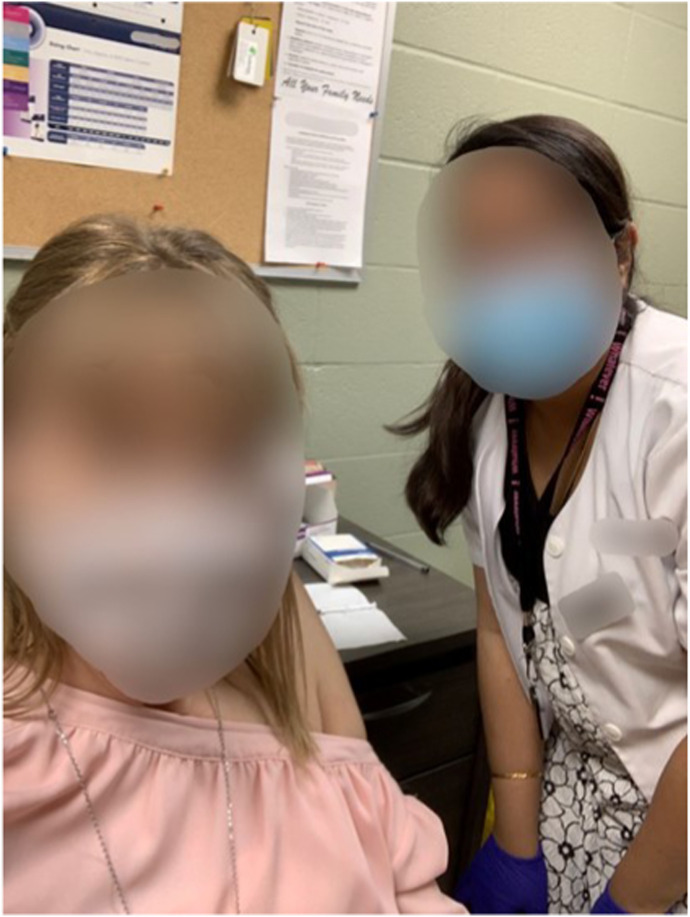
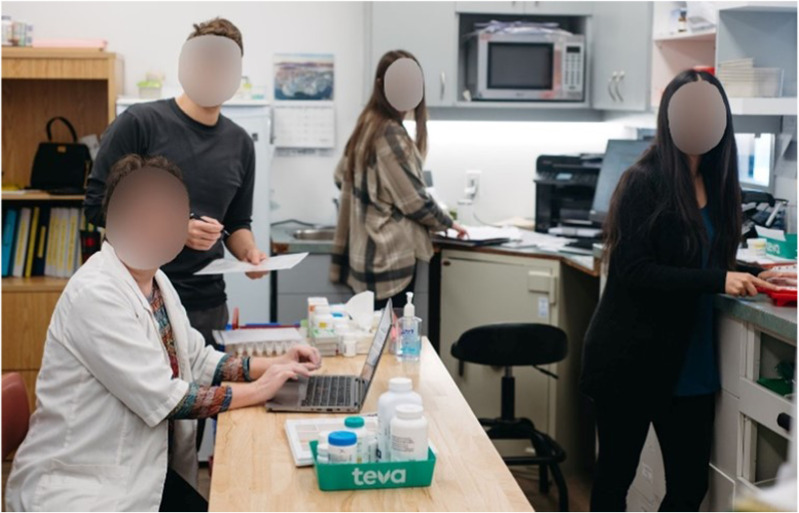
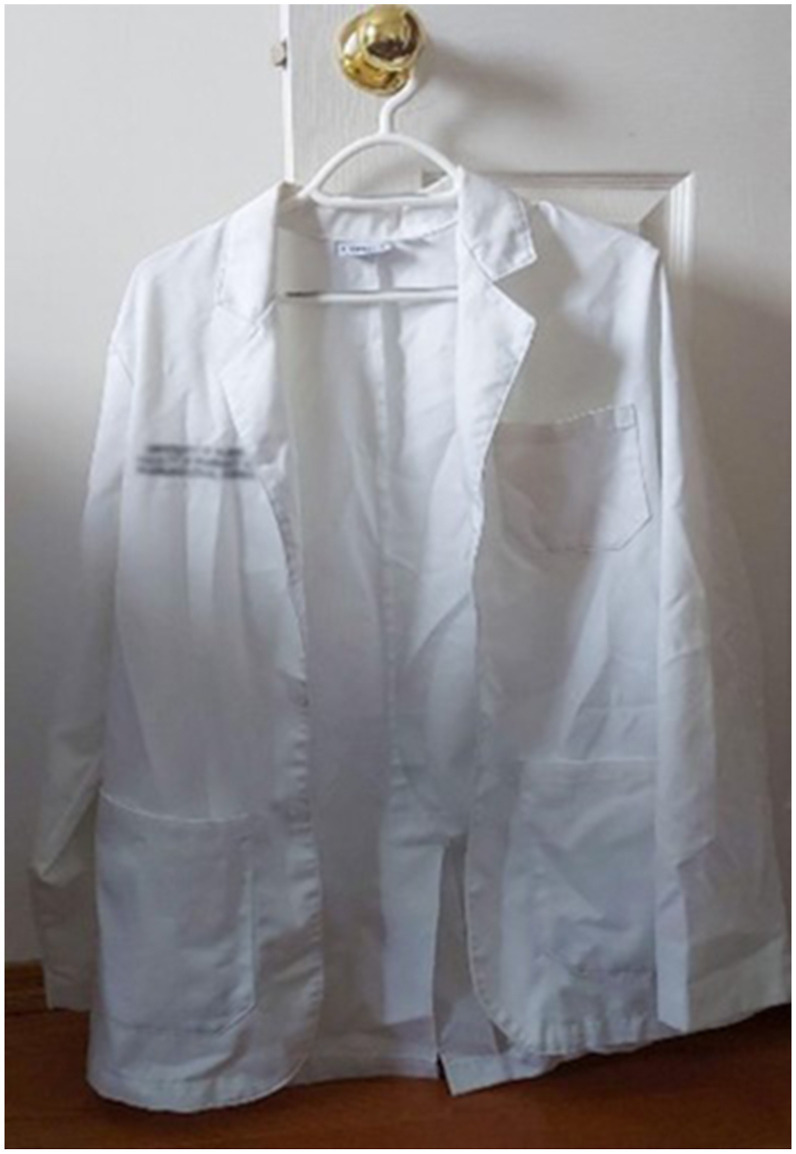
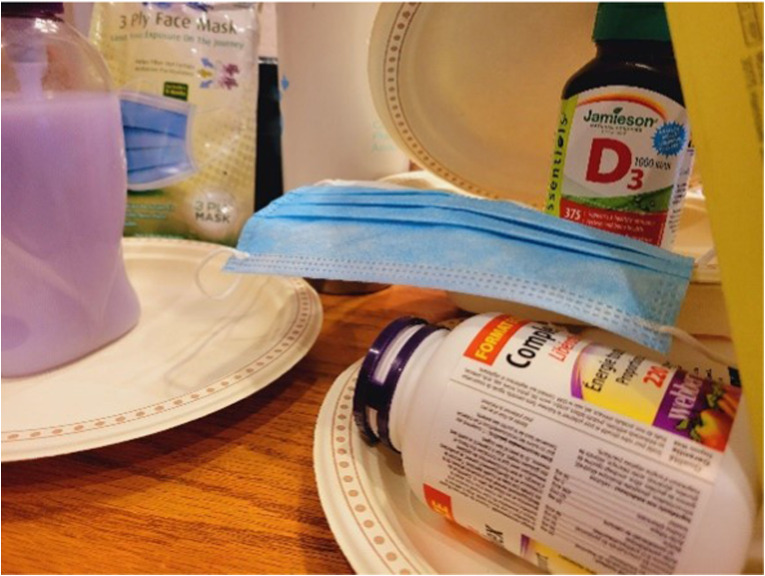
Photovoice, a visual research method that uses participant-generated photographs to articulate their experiences, was used with semi-structured interviews to explore pharmacists' lived experiences. Frontline community pharmacists who provided direct patient care during the COVID-19 pandemic in Alberta, Canada were recruited. Participants were asked to provide 3-5 photos that reflected on how they see themselves as a pharmacist and/or represents what they do as a pharmacist. Data analysis incorporated content, thematic and visual analysis and was facilitated using NVivo software. A published conceptual framework model was used as the foundation of the analysis with care taken to include new concepts. Ethics approval was obtained from the University of Alberta health research ethics board.
Interviews were conducted with 21 participants and they 71 photos. This study advanced the conceptual framework model presented in a scoping review, of what was made visible (pharmacists' information, public health, and medication management roles) and what was invisible but made visible by the pandemic (pharmacists' leadership roles). It was revealed through the reflective nature of this study the important leadership role pharmacists have in their communities.
This study highlighted the work of community pharmacists responding to the COVID-19 pandemic through their information, public health, medication management, and leadership roles. Their experiences also made visible the cost their work had on them as they did more to adapt and continually respond as the pandemic evolved. Pharmacists recognized their role as leaders in their practice and communities.
社区药剂师是应对前所未有的 COVID-19 大流行的医疗应对的代表。他们在大流行期间的关键作用得到了广泛认可,因为他们适应了继续为患者提供更高水平的护理。
本研究的目的是更深入地了解一线药剂师在 COVID-19 大流行期间的生活经历及其对他们角色的影响。
使用视觉研究方法——照片声音法,结合半结构化访谈,探讨药剂师的生活经历。在加拿大阿尔伯塔省,招募了在 COVID-19 大流行期间提供直接患者护理的社区一线药剂师。要求参与者提供 3-5 张反映他们对自己作为药剂师的看法的照片,或代表他们作为药剂师所做的工作。数据分析采用内容分析、主题分析和视觉分析,并使用 NVivo 软件进行协助。使用发表的概念框架模型作为分析的基础,并注意纳入新的概念。该研究获得了阿尔伯塔大学健康研究伦理委员会的伦理批准。
对 21 名参与者进行了访谈,并收到了他们的 71 张照片。本研究对范围综述中提出的概念框架模型进行了扩展,该模型展示了可见的内容(药剂师的信息、公共卫生和药物管理角色)和因大流行而变得可见但不可见的内容(药剂师的领导角色)。通过本研究的反思性质揭示了药剂师在其社区中具有重要的领导作用。
本研究强调了社区药剂师通过其信息、公共卫生、药物管理和领导角色应对 COVID-19 大流行的工作。他们的经历还使他们在适应和随着大流行的发展不断做出反应时所付出的工作成本变得可见。药剂师认识到他们在实践和社区中的领导角色。