Hong Yiling, Dong Xu, Chang Lawrence, Xie Chen, Chang Mariann, Aguilar Jose S, Lin Jimmy, Lin Juncheng, Li Qingshun Q
College of Veterinary Medicine, Western University of Health Sciences, Pomona, CA 91766-1854, USA.
Graduate College of Biomedical Sciences, Western University of Health Sciences, Pomona, CA 91766-1854, USA.
iScience. 2023 Feb 24;26(3):106267. doi: 10.1016/j.isci.2023.106267. eCollection 2023 Mar 17.
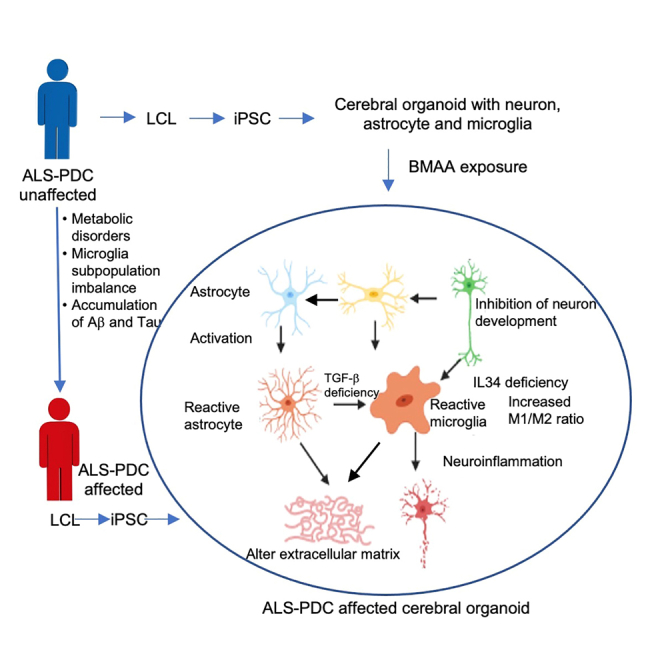
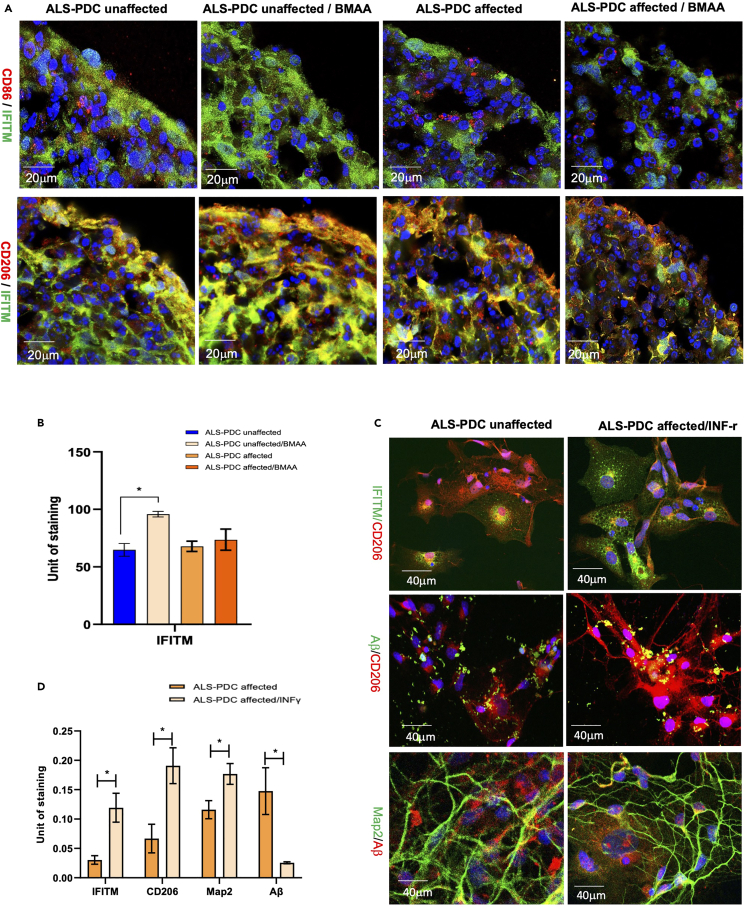
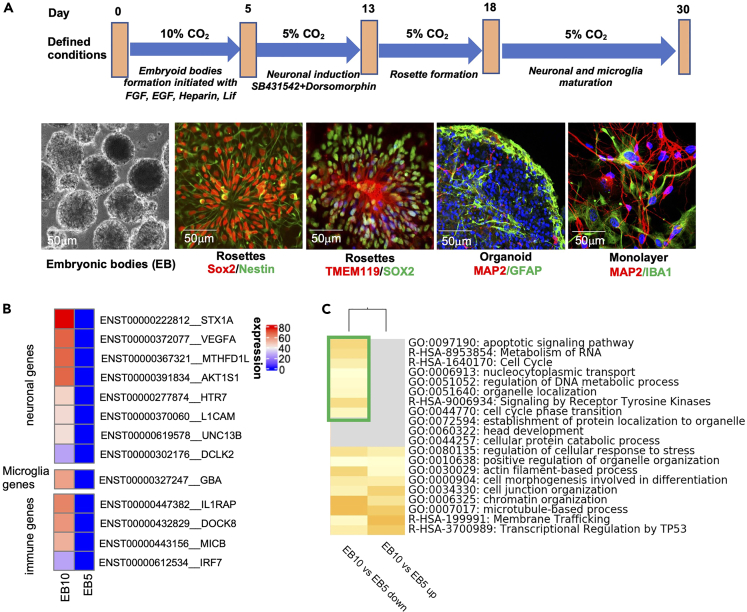
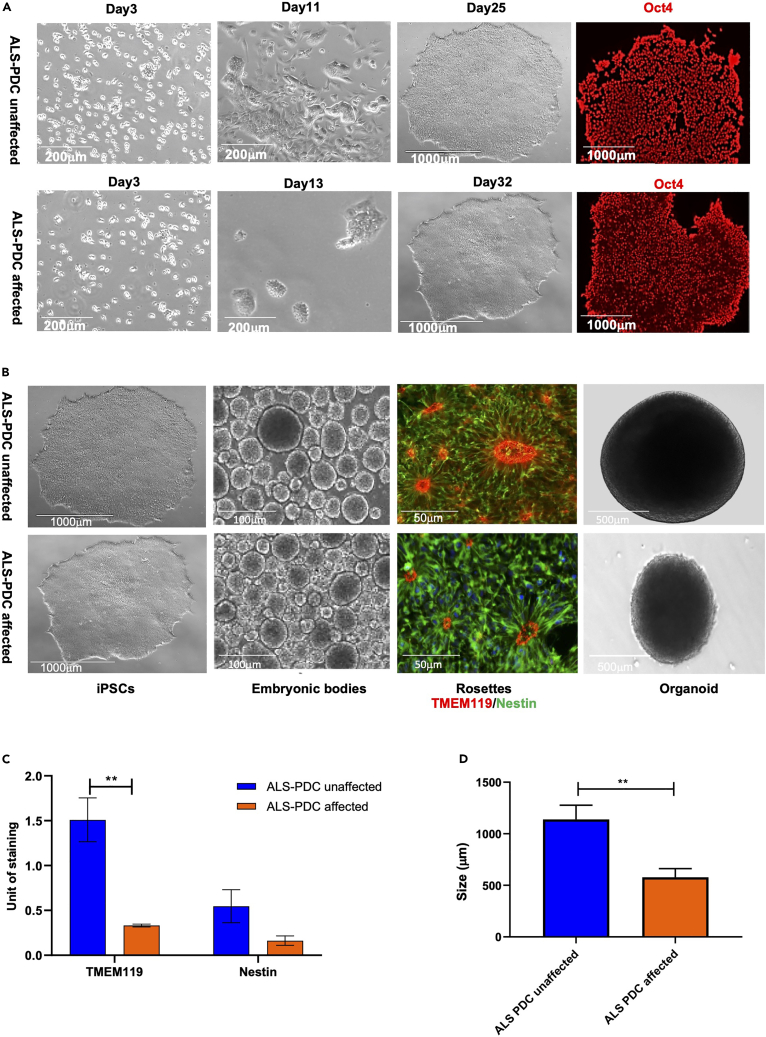
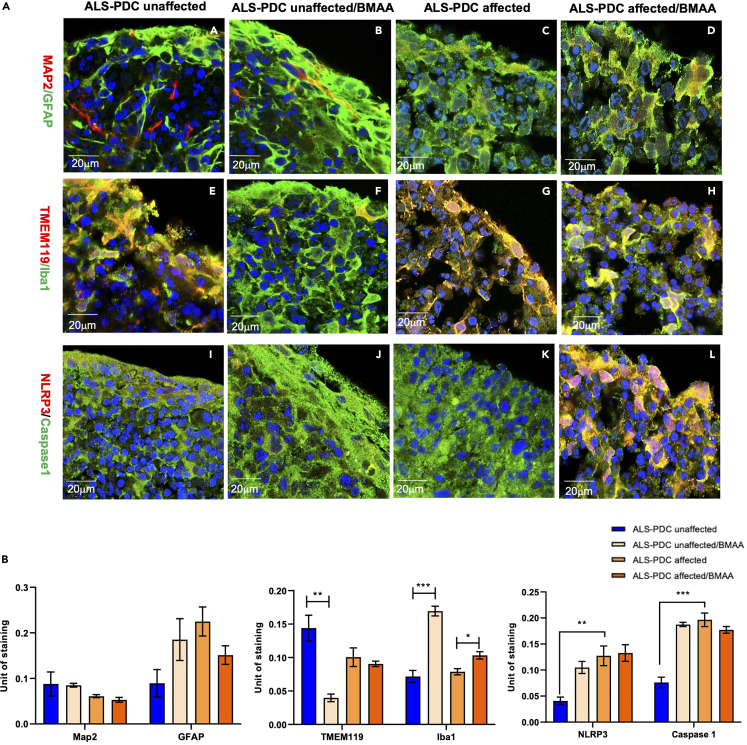
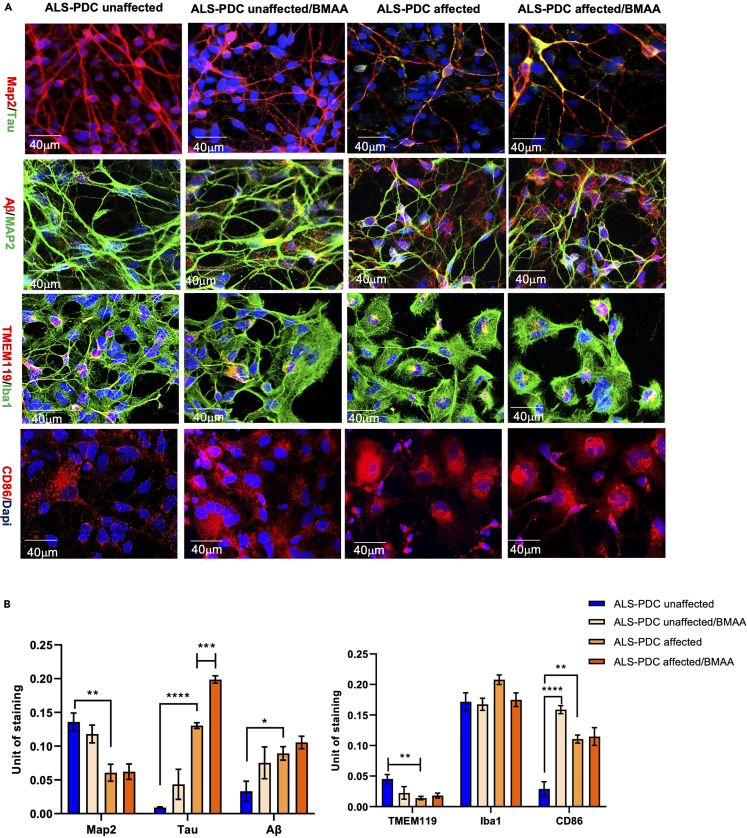
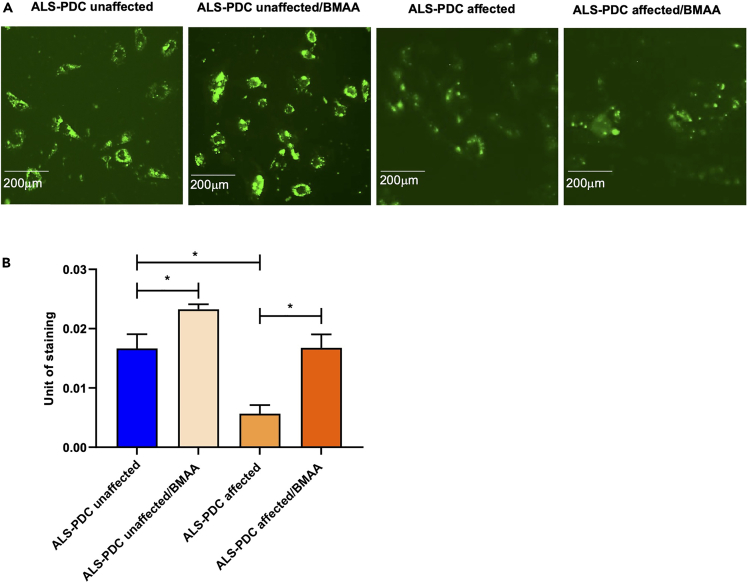
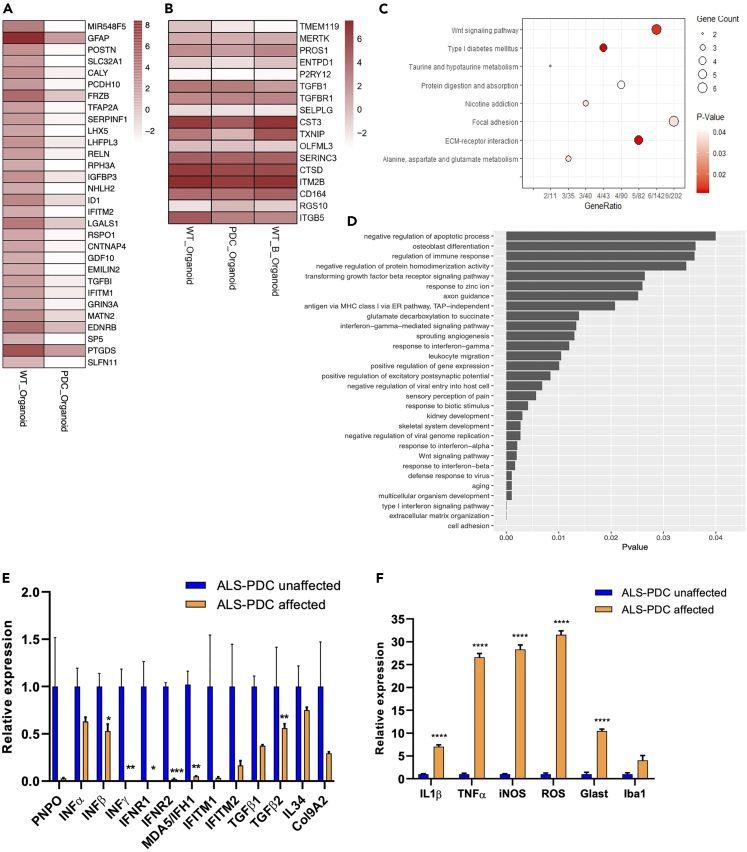
Microglia play an important role in neuroinflammation and neurodegeneration. Here, we report an approach for generating microglia-containing cerebral organoids derived from human pluripotent stem cells involving the supplementation of growth factors (FGF, EGF, heparin) and 10% CO2 culture conditions. Using this platform, Western Pacific Amyotrophic Lateral Sclerosis and Parkinsonism-Dementia Complex (ALS-PDC) cerebral organoids were generated from patient-derived induced pluripotent stem cells (iPSCs). These ALS-PDC-affected organoids had more reactive astrocytes and M1 microglia, and had fewer M2 microglia than their unaffected counterparts, leading to impaired microglia-mediated phagocytosis. RNA-seq analysis of ALS-PDC and control organoids indicated that the most significant changes were microglia- and astrocyte-related genes (IFITM1/2, TGF-β, and GFAP). The most significantly downregulated pathway was type I interferon signaling. Interferon-gamma supplementation increased IFITM expression, enhanced microglia-mediated phagocytosis, and reduced beta-amyloid accumulation in ALS-PDC-affected network. The results demonstrated the feasibility of using microglia-containing organoids for the study of neurodegenerative diseases.
小胶质细胞在神经炎症和神经退行性变中起重要作用。在此,我们报告了一种从人多能干细胞生成含小胶质细胞的类脑器官的方法,该方法涉及补充生长因子(FGF、EGF、肝素)和10%二氧化碳培养条件。利用该平台,从患者来源的诱导多能干细胞(iPSC)生成了西太平洋肌萎缩侧索硬化症和帕金森病痴呆综合征(ALS-PDC)类脑器官。这些受ALS-PDC影响的类脑器官比未受影响的对应物具有更多的反应性星形胶质细胞和M1小胶质细胞,而M2小胶质细胞较少,导致小胶质细胞介导的吞噬作用受损。对ALS-PDC和对照类脑器官的RNA测序分析表明,最显著的变化是与小胶质细胞和星形胶质细胞相关的基因(IFITM1/2、TGF-β和GFAP)。下调最显著的途径是I型干扰素信号通路。补充干扰素-γ可增加IFITM表达,增强小胶质细胞介导的吞噬作用,并减少受ALS-PDC影响的神经网络中β-淀粉样蛋白的积累。结果证明了使用含小胶质细胞的类脑器官研究神经退行性疾病的可行性。