López-Hernández Yamilé, Oropeza-Valdez Juan José, García Lopez David Alejandro, Borrego Juan Carlos, Murgu Michel, Valdez Jorge, López Jesús Adrián, Monárrez-Espino Joel
CONACyT-Metabolomics and Proteomics Laboratory, Academic Unit of Biological Sciences, Autonomous University of Zacatecas, Zacatecas, Mexico.
Metabolomics and Proteomics Laboratory, Academic Unit of Biological Sciences, Autonomous University of Zacatecas, Zacatecas, Mexico.
Front Mol Biosci. 2023 Mar 3;10:1100486. doi: 10.3389/fmolb.2023.1100486. eCollection 2023.
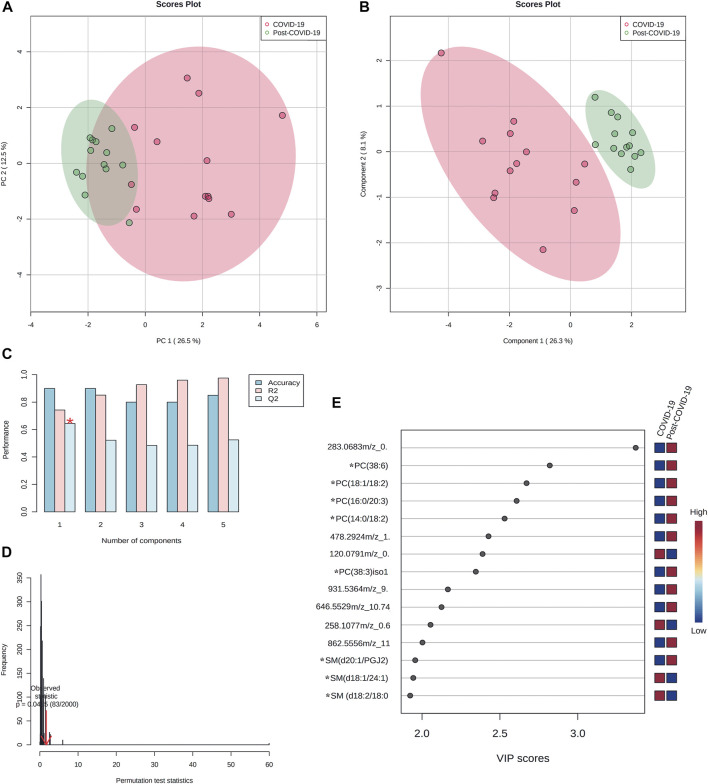
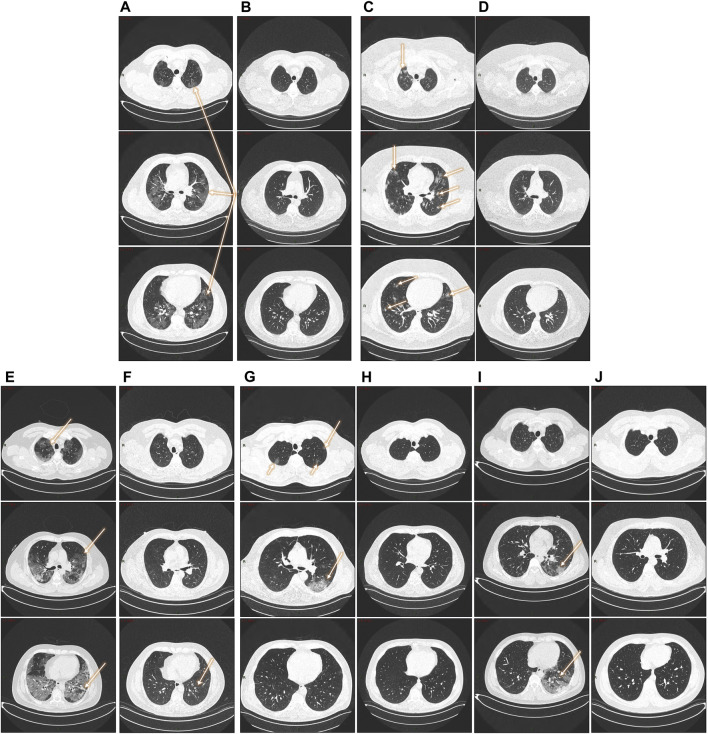
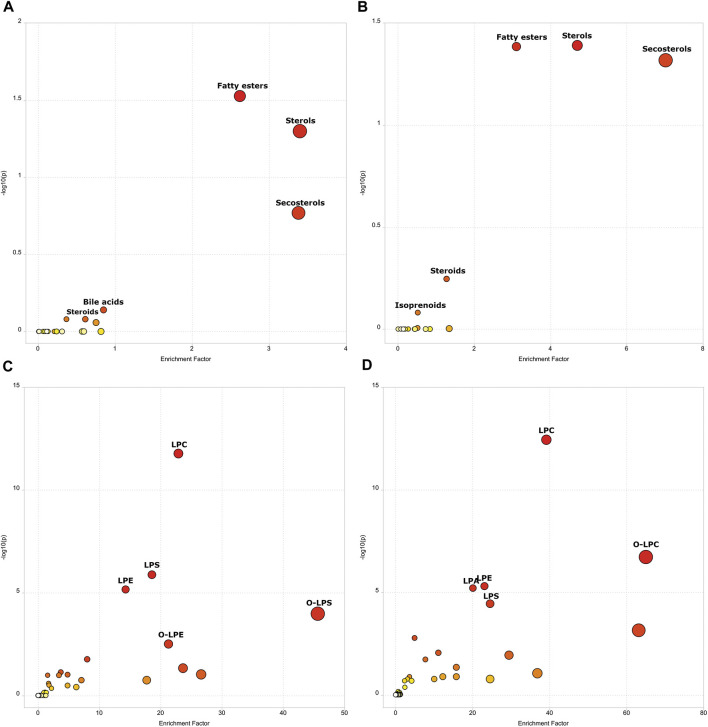
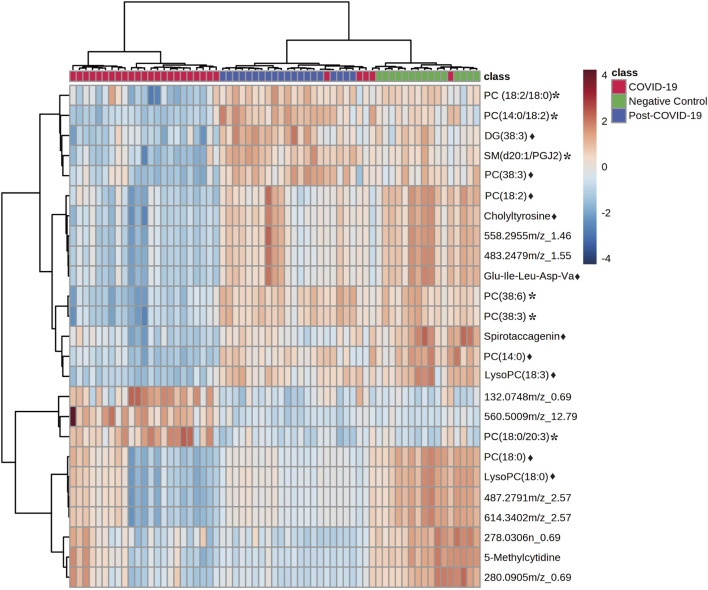
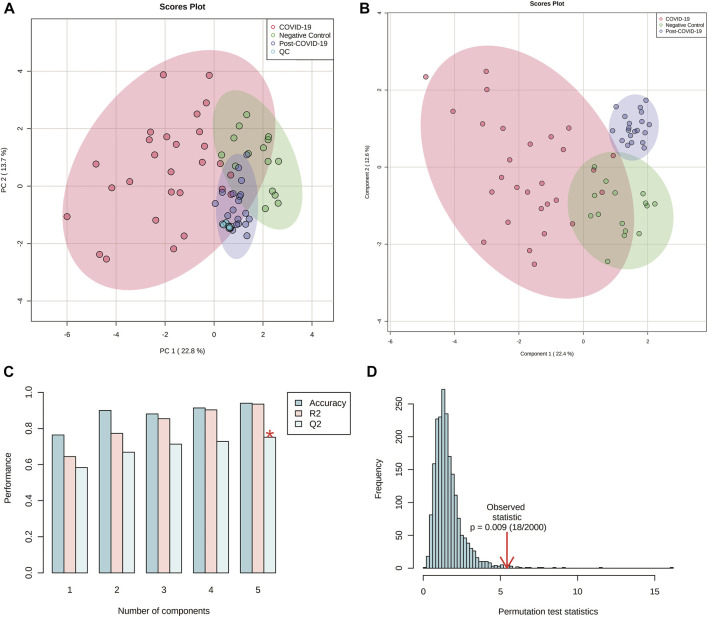
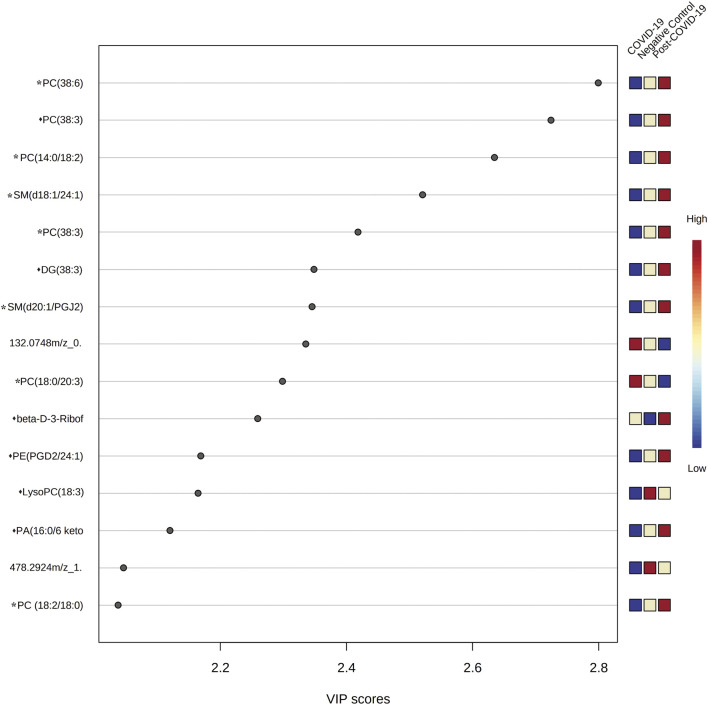
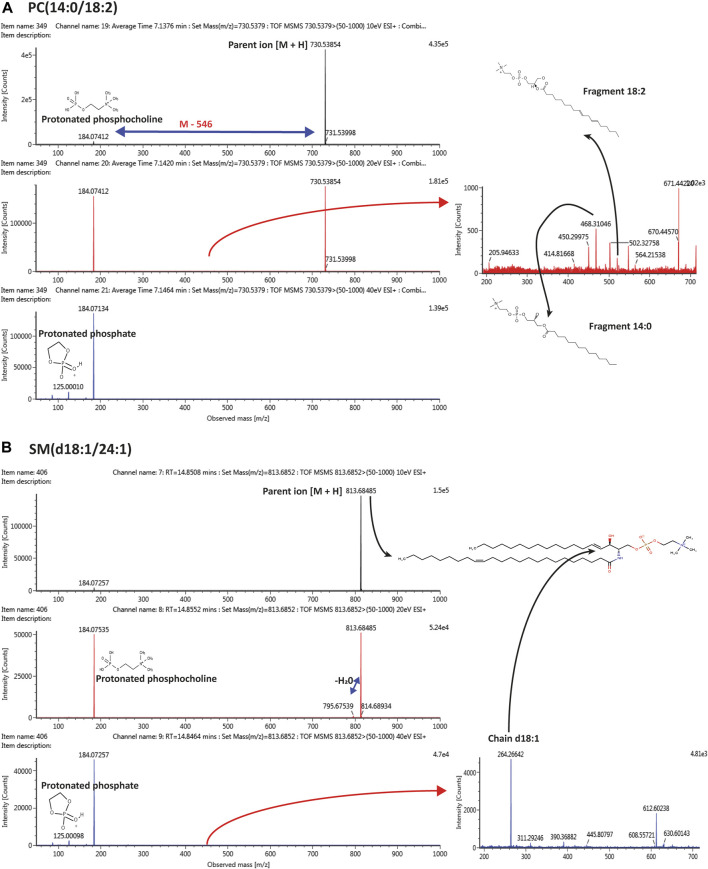
Similar to what it has been reported with preceding viral epidemics (such as MERS, SARS, or influenza), SARS-CoV-2 infection is also affecting the human immunometabolism with long-term consequences. Even with underreporting, an accumulated of almost 650 million people have been infected and 620 million recovered since the start of the pandemic; therefore, the impact of these long-term consequences in the world population could be significant. Recently, the World Health Organization recognized the post-COVID syndrome as a new entity, and guidelines are being established to manage and treat this new condition. However, there is still uncertainty about the molecular mechanisms behind the large number of symptoms reported worldwide. In this study we aimed to evaluate the clinical and lipidomic profiles (using non-targeted lipidomics) of recovered patients who had a mild and severe COVID-19 infection (acute phase, first epidemic wave); the assessment was made two years after the initial infection. Fatigue (59%) and musculoskeletal (50%) symptoms as the most relevant and persistent. Functional analyses revealed that sterols, bile acids, isoprenoids, and fatty esters were the predicted metabolic pathways affected in both COVID-19 and post-COVID-19 patients. Principal Component Analysis showed differences between study groups. Several species of phosphatidylcholines and sphingomyelins were identified and expressed in higher levels in post-COVID-19 patients compared to controls. The paired analysis (comparing patients with an active infection and 2 years after recovery) show 170 dysregulated features. The relationship of such metabolic dysregulations with the clinical symptoms, point to the importance of developing diagnostic and therapeuthic markers based on cell signaling pathways.
与之前的病毒流行(如中东呼吸综合征、严重急性呼吸综合征或流感)情况类似,新型冠状病毒2感染也正在影响人类免疫代谢,并产生长期后果。即使存在报告不足的情况,自疫情开始以来,累计已有近6.5亿人感染,6.2亿人康复;因此,这些长期后果对世界人口的影响可能很大。最近,世界卫生组织将新冠后综合征认定为一种新病症,目前正在制定管理和治疗这一新病症的指南。然而,全球报告的大量症状背后的分子机制仍不明确。在本研究中,我们旨在评估轻度和重度新冠病毒感染(急性期,第一波疫情)康复患者的临床和脂质组学特征(使用非靶向脂质组学);评估在初次感染两年后进行。疲劳(59%)和肌肉骨骼症状(50%)最为相关且持续存在。功能分析显示,甾醇、胆汁酸、类异戊二烯和脂肪酸酯是新冠病毒感染患者和新冠后患者中预测受到影响的代谢途径。主成分分析显示研究组之间存在差异。与对照组相比,新冠后患者中几种磷脂酰胆碱和鞘磷脂的种类被鉴定出来且表达水平更高。配对分析(比较活跃感染患者和康复两年后的患者)显示有170个失调特征。这种代谢失调与临床症状的关系表明,基于细胞信号通路开发诊断和治疗标志物具有重要意义。