Wichitnithad Wisut, Nantaphol Siriwan, Noppakhunsomboon Kachathong, Rojsitthisak Pornchai
Department of Analytical Development, Pharma Nueva Co., Ltd, Bangkok 10900, Thailand.
Department of Clinical Development, Pharma Nueva Co., Ltd, Bangkok 10900, Thailand.
Saudi Pharm J. 2023 Feb;31(2):295-311. doi: 10.1016/j.jsps.2022.12.010. Epub 2022 Dec 24.
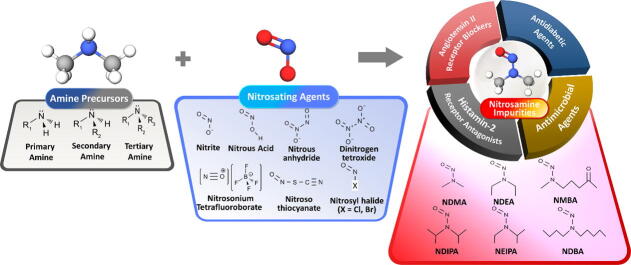
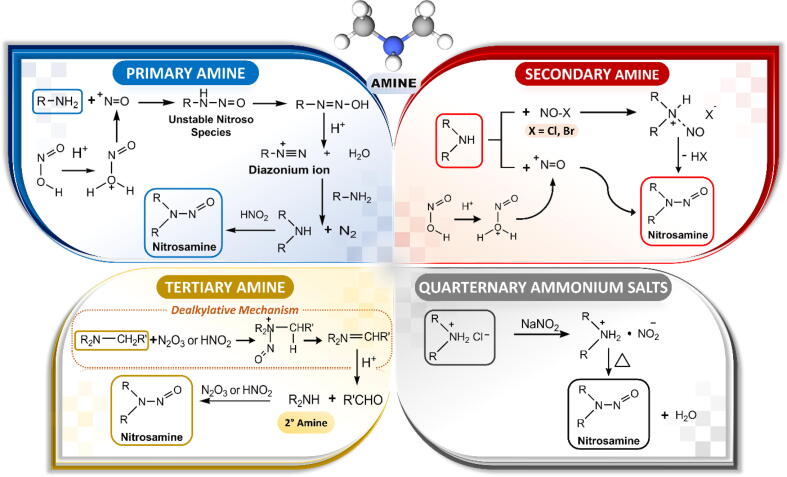
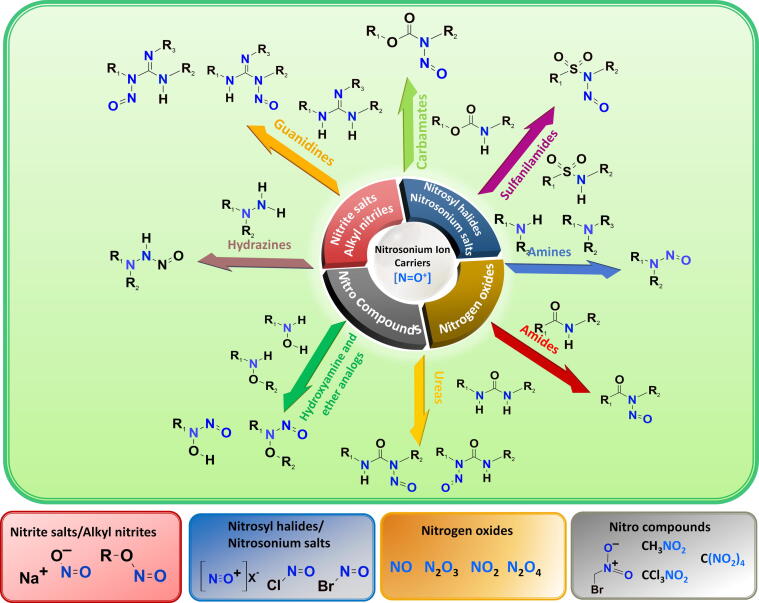
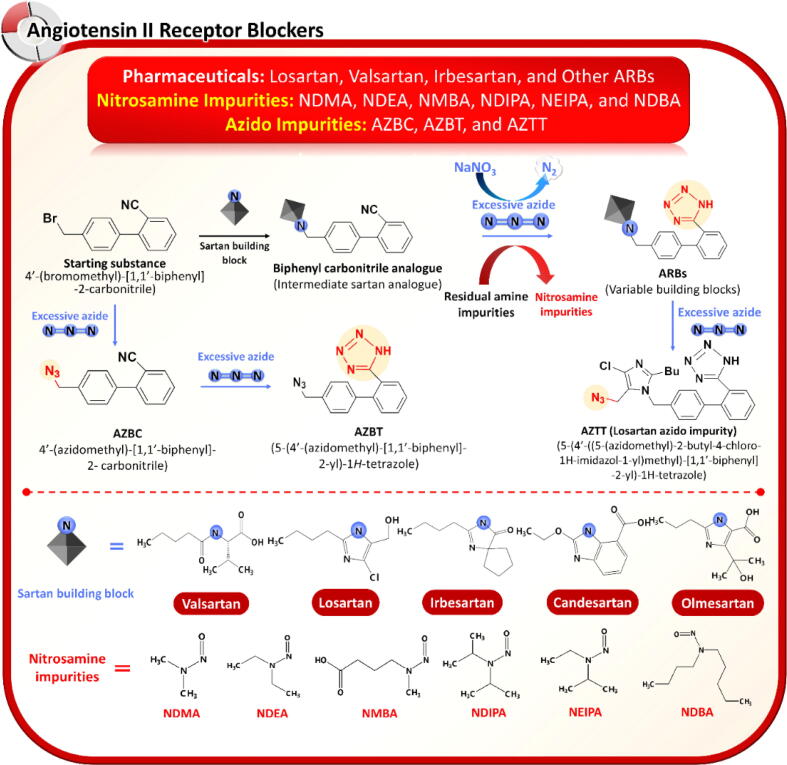
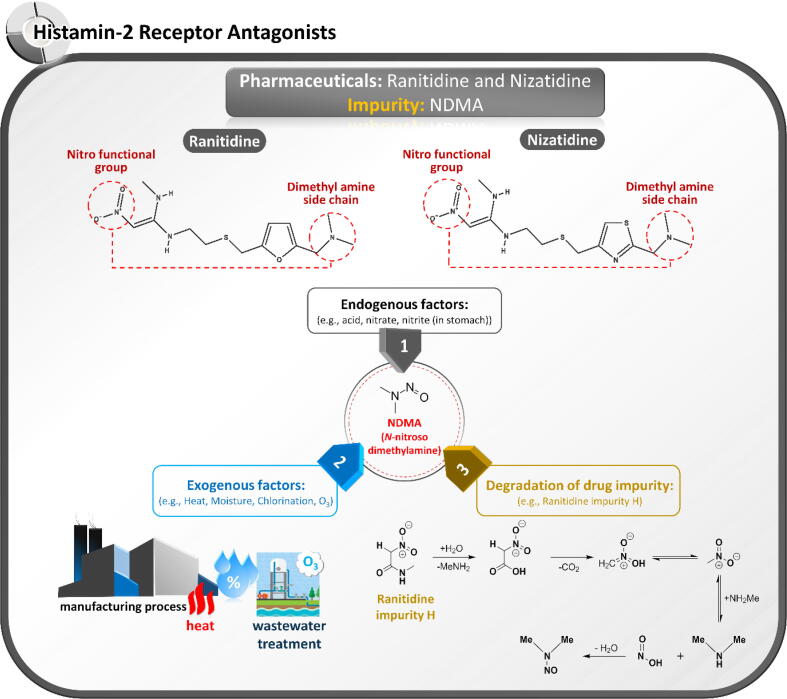
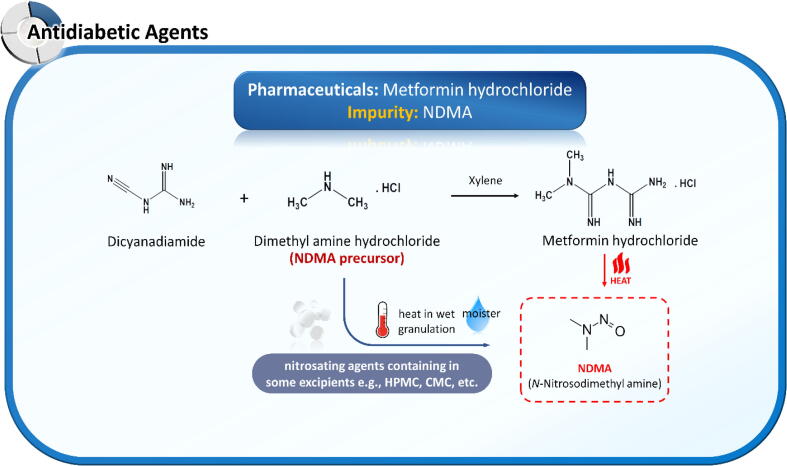
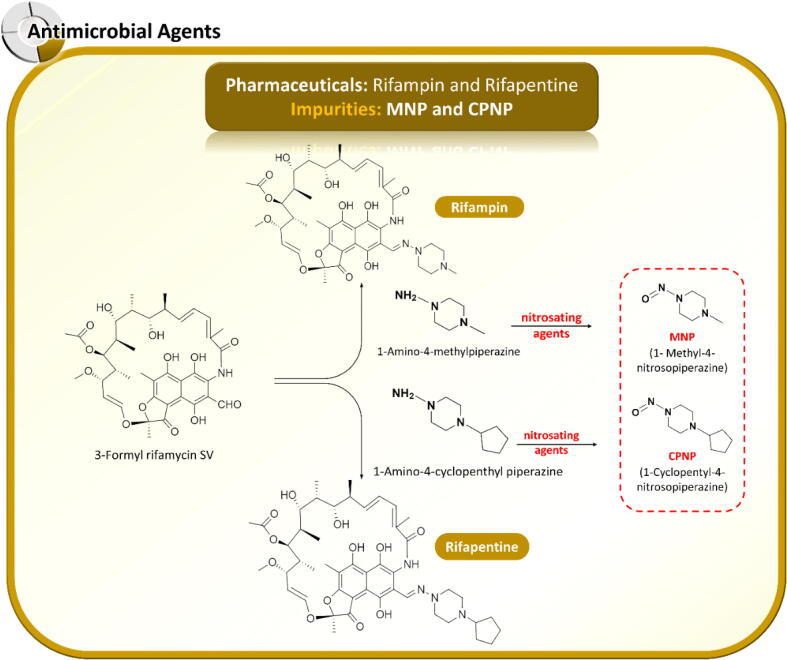
Over the last two years, global regulatory authorities have raised safety concerns on nitrosamine contamination in several drug classes, including angiotensin II receptor antagonists, histamine-2 receptor antagonists, antimicrobial agents, and antidiabetic drugs. To avoid carcinogenic and mutagenic effects in patients relying on these medications, authorities have established specific guidelines in risk assessment scenarios and proposed control limits for nitrosamine impurities in pharmaceuticals. In this review, nitrosation pathways and possible root causes of nitrosamine formation in pharmaceuticals are discussed. The control limits of nitrosamine impurities in pharmaceuticals proposed by national regulatory authorities are presented. Additionally, a practical and science-based strategy for implementing the well-established control limits is notably reviewed in terms of an alternative approach for drug product -nitrosamines without published AI information from animal carcinogenicity testing. Finally, a novel risk evaluation strategy for predicting and investigating the possible nitrosation of amine precursors and amine pharmaceuticals as powerful prevention of nitrosamine contamination is addressed.
在过去两年里,全球监管机构对几类药物中的亚硝胺污染提出了安全担忧,这些药物包括血管紧张素II受体拮抗剂、组胺-2受体拮抗剂、抗菌药物和抗糖尿病药物。为避免依赖这些药物的患者产生致癌和致突变作用,监管机构已在风险评估方案中制定了具体指南,并提出了药品中亚硝胺杂质的控制限度。在本综述中,讨论了药品中亚硝胺形成的亚硝化途径和可能的根本原因。介绍了国家监管机构提出的药品中亚硝胺杂质的控制限度。此外,对于没有动物致癌性试验公布的人工智能信息的药品-亚硝胺替代方法,显著地从实施既定控制限度的实用且基于科学的策略方面进行了综述。最后,探讨了一种新的风险评估策略,用于预测和调查胺前体和胺类药物可能的亚硝化,以此作为预防亚硝胺污染的有力措施。