Department of Anesthesiology and Perioperative Medicine, Fuzong Clinical College (900th Hospital of the Joint Logistic Support Force), Fujian Medical University, Fuzhou, 350025, China.
Department of Anesthesiology and Perioperative Medicine, Dongfang Hospital, Xiamen University, Fuzhou, 350025, China.
J Neuroinflammation. 2023 Mar 21;20(1):82. doi: 10.1186/s12974-023-02765-2.
Central post-stroke pain (CPSP) is an intractable and disabling central neuropathic pain that severely affects patients' lives, well-being, and socialization abilities. However, CPSP has been poorly studied mechanistically and its treatment remains challenging. Here, we used a rat model of CPSP induced by thalamic hemorrhage to investigate its underlying mechanisms and the effect of stellate ganglion block (SGB) on CPSP and emotional comorbidities.
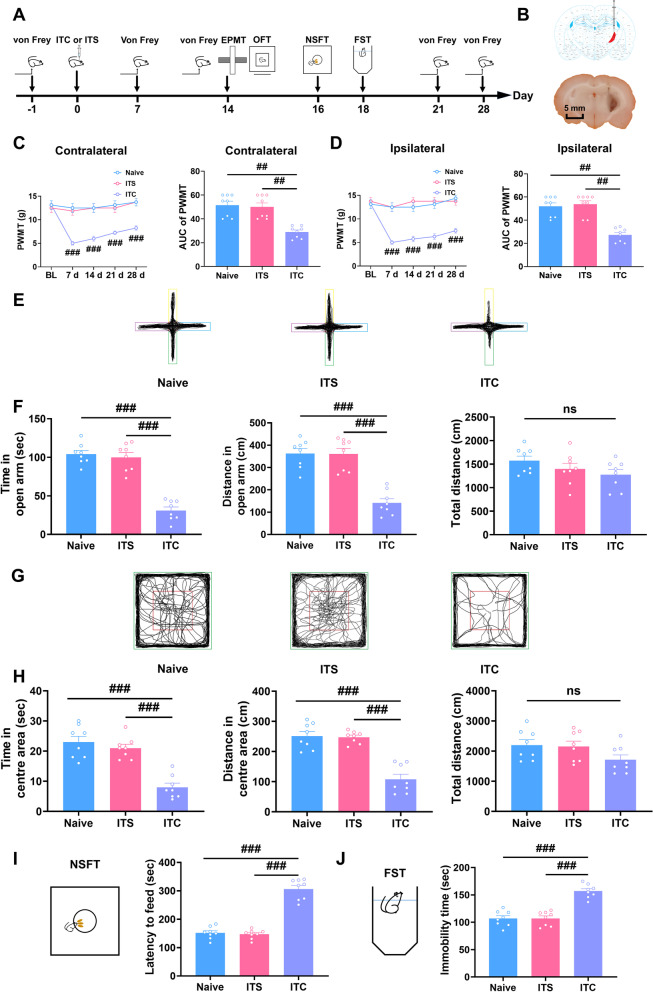
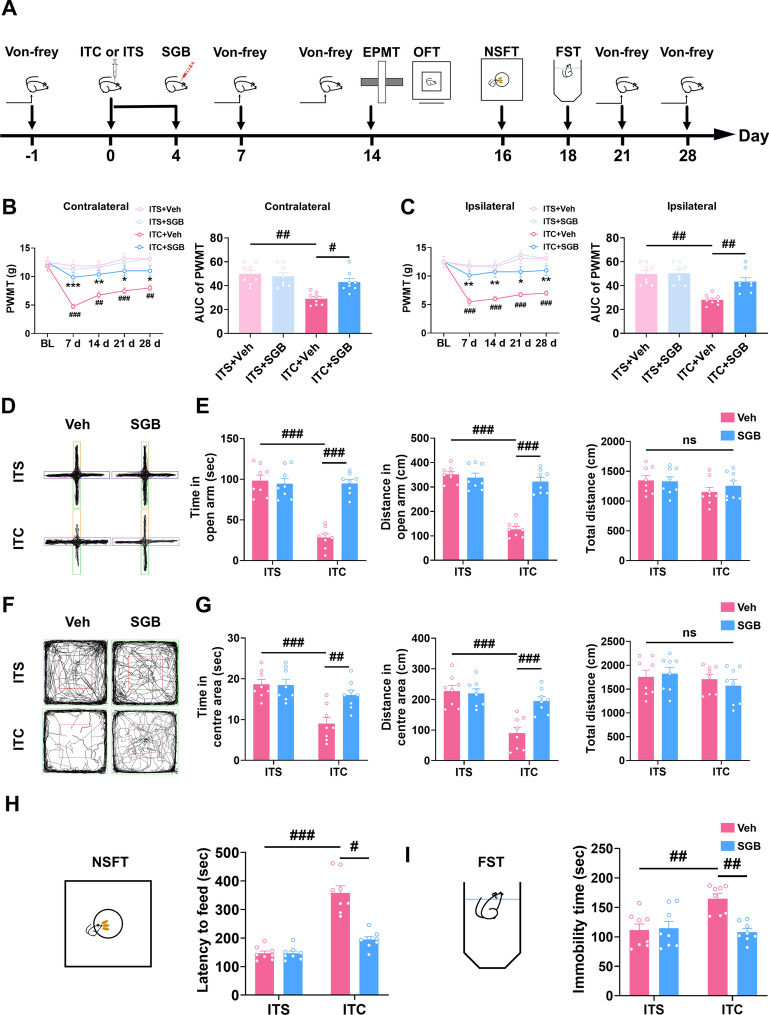
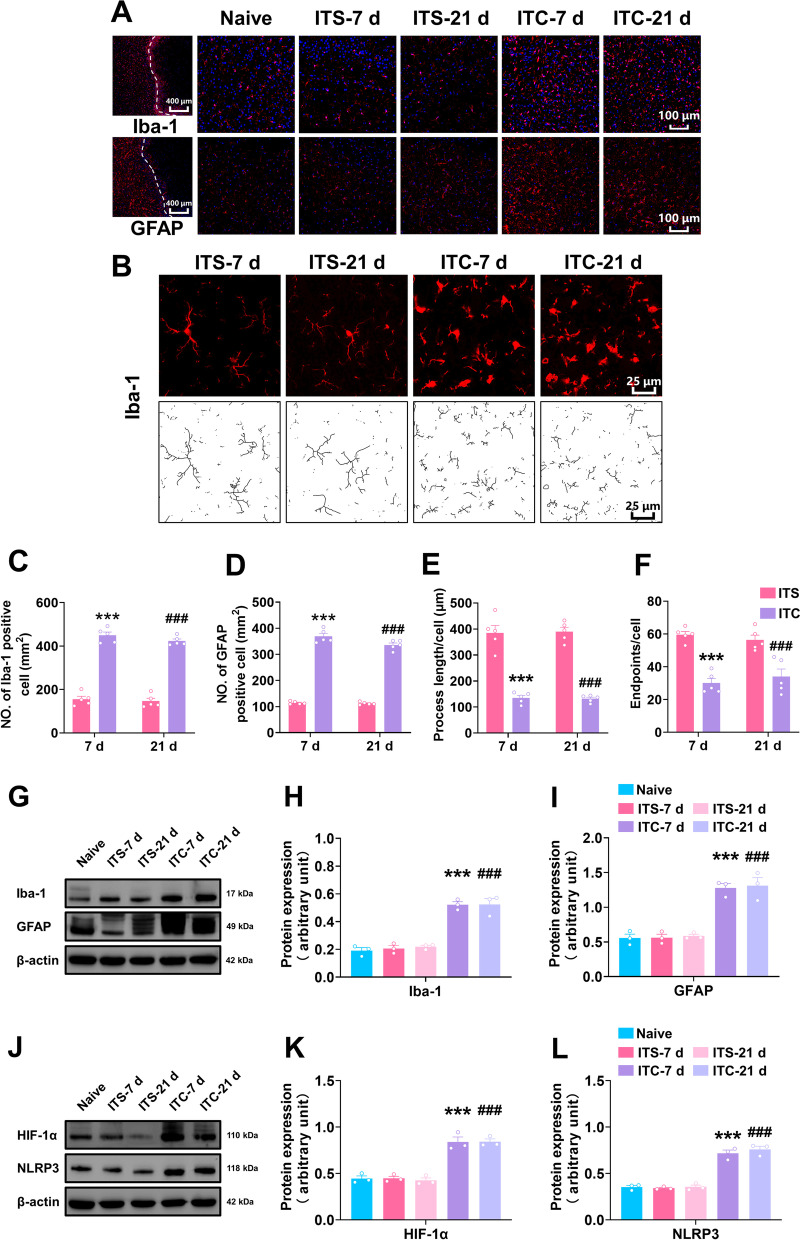
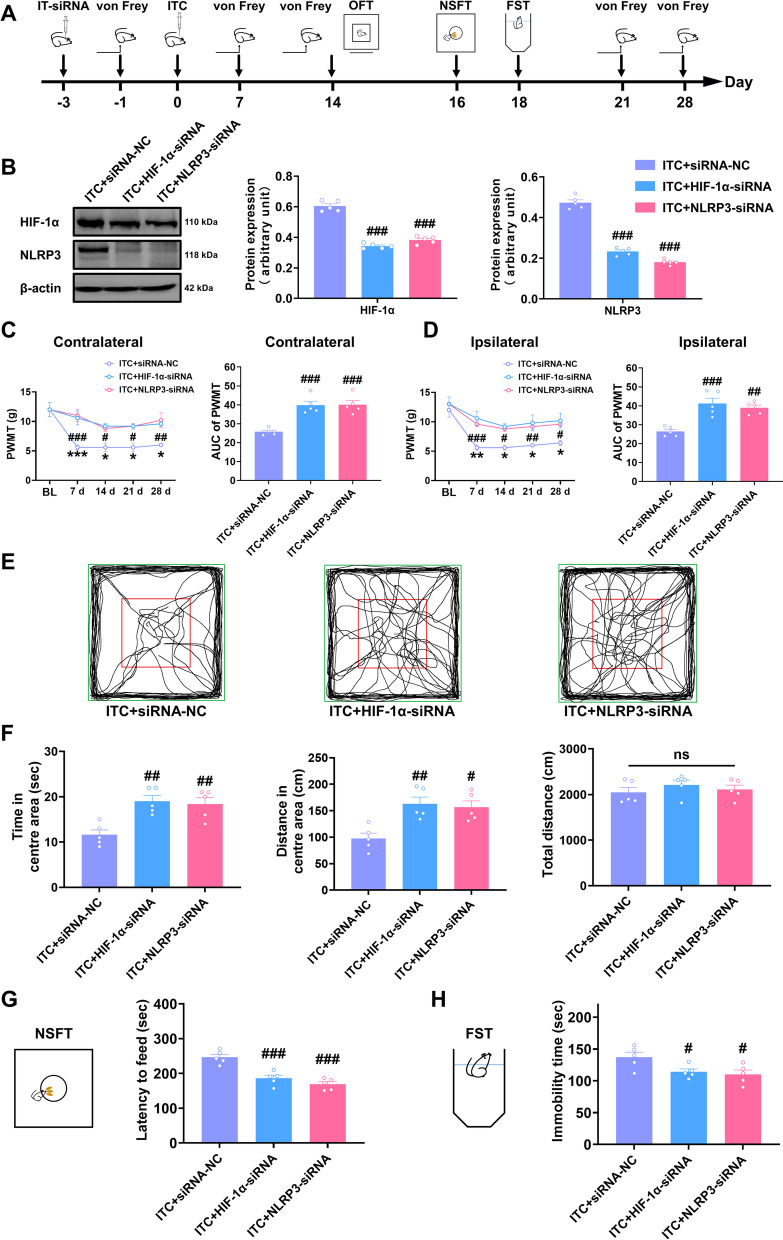
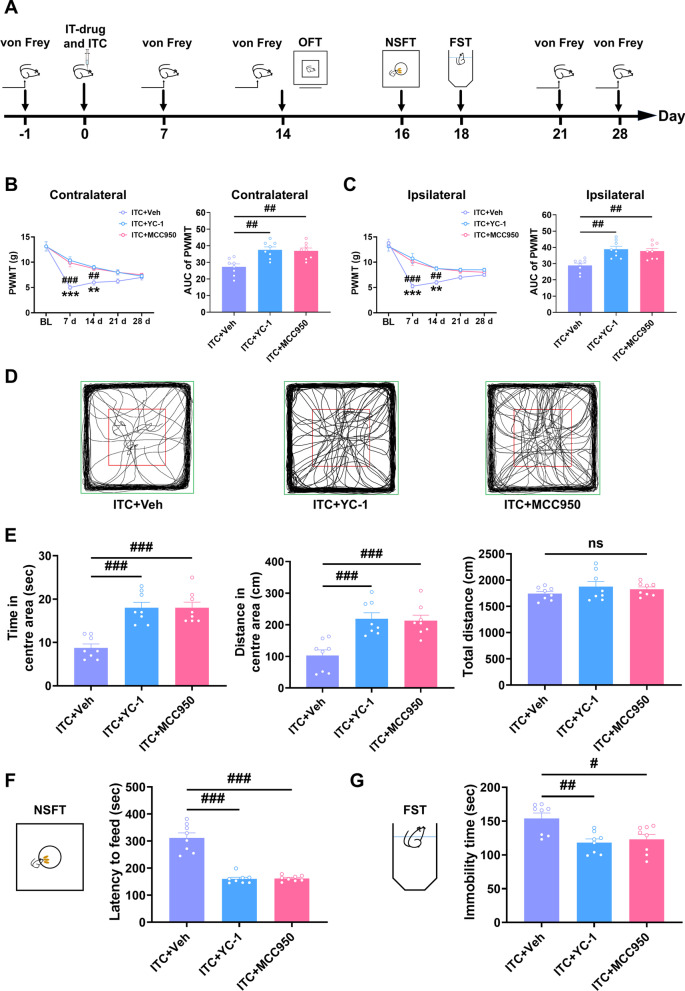
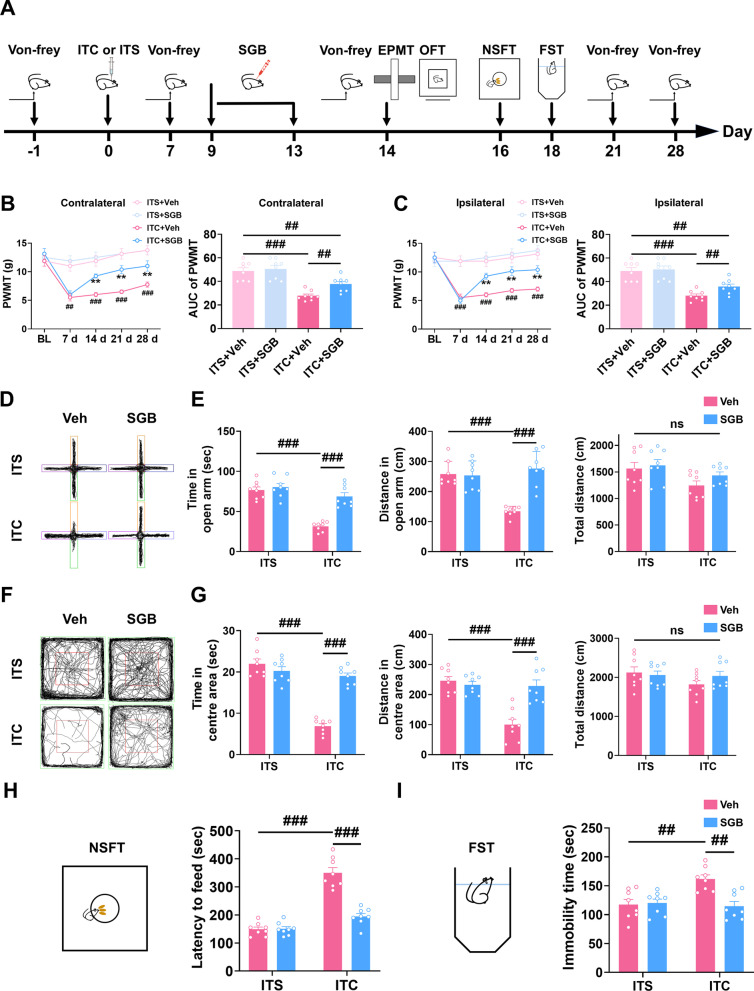
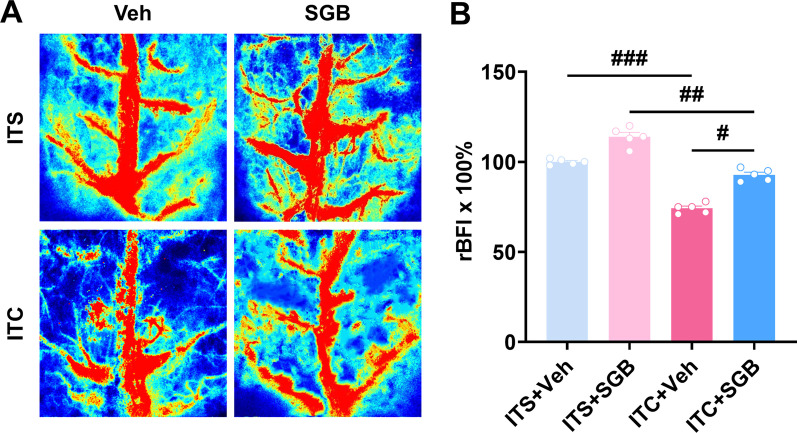
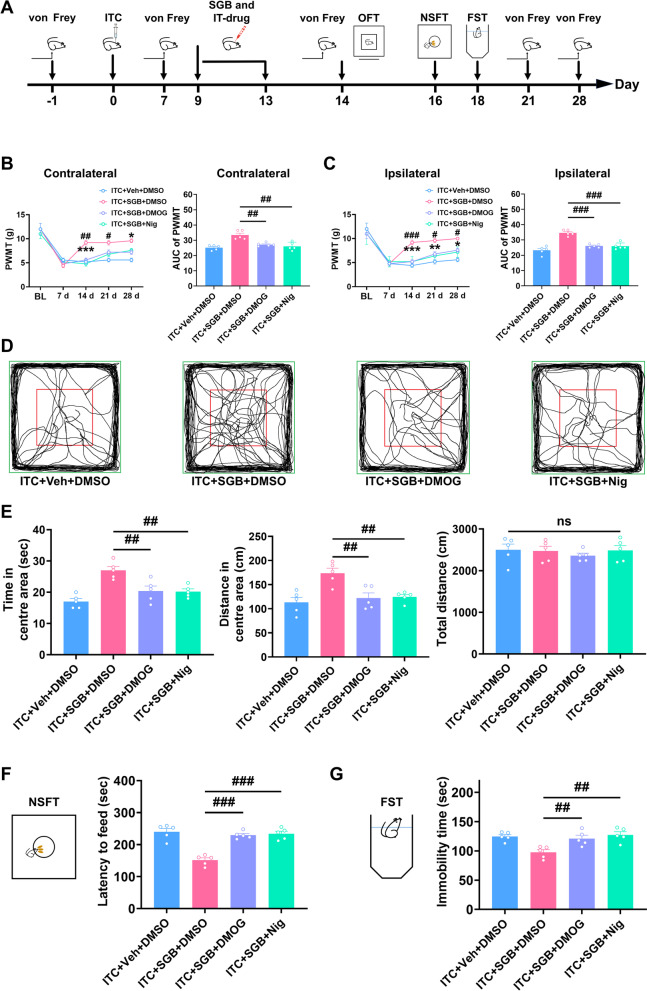
Thalamic hemorrhage was produced by injecting collagenase IV into the ventral-posterolateral nucleus (VPL) of the right thalamus. The up-and-down method with von Frey hairs was used to measure the mechanical allodynia. Behavioral tests were carried out to examine depressive and anxiety-like behaviors including the open field test (OFT), elevated plus maze test (EPMT), novelty-suppressed feeding test (NSFT), and forced swim test (FST). The peri-thalamic lesion tissues were collected for immunofluorescence, western blotting, and enzyme-linked immunosorbent assay (ELISA). Genetic knockdown of thalamic hypoxia-inducible factor-1α (HIF-1α) and NOD-like receptor thermal protein domain associated protein 3 (NLRP3) with microinjection of HIF-1α siRNA and NLRP3 siRNA into the VPL of thalamus were performed 3 days before collagenase injection into the same regions. Microinjection of lificiguat (YC-1) and MCC950 into the VPL of thalamus were administrated 30 min before the collagenase injection in order to inhibited HIF-1α and NLRP3 pharmacologically. Repetitive right SGB was performed daily for 5 days and laser speckle contrast imaging (LSCI) was conducted to examine cerebral blood flow.
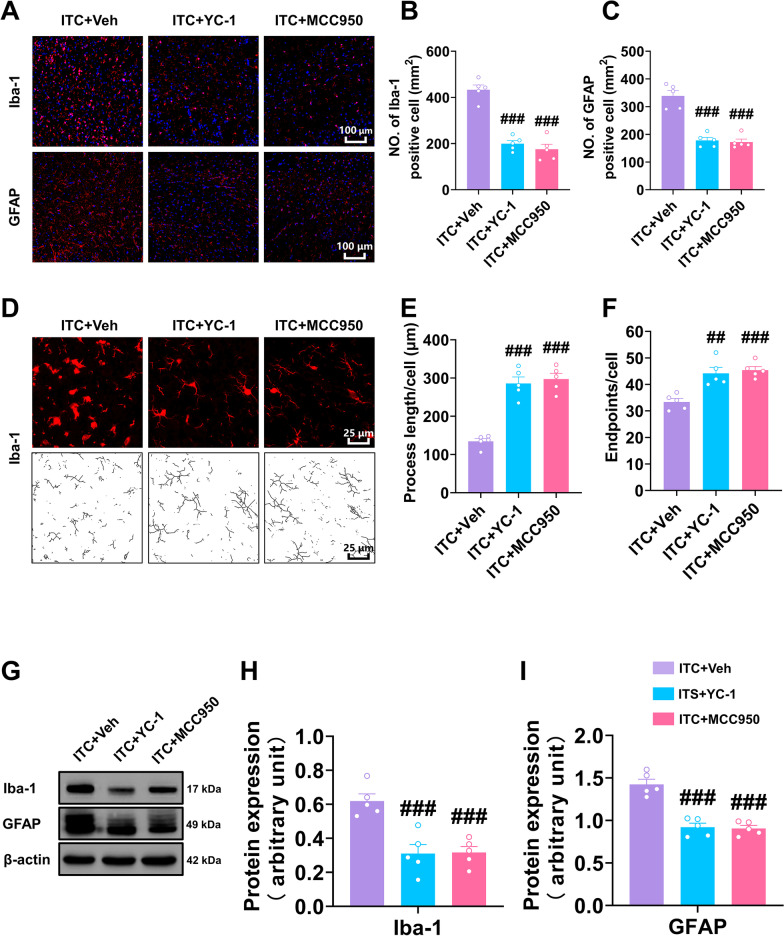
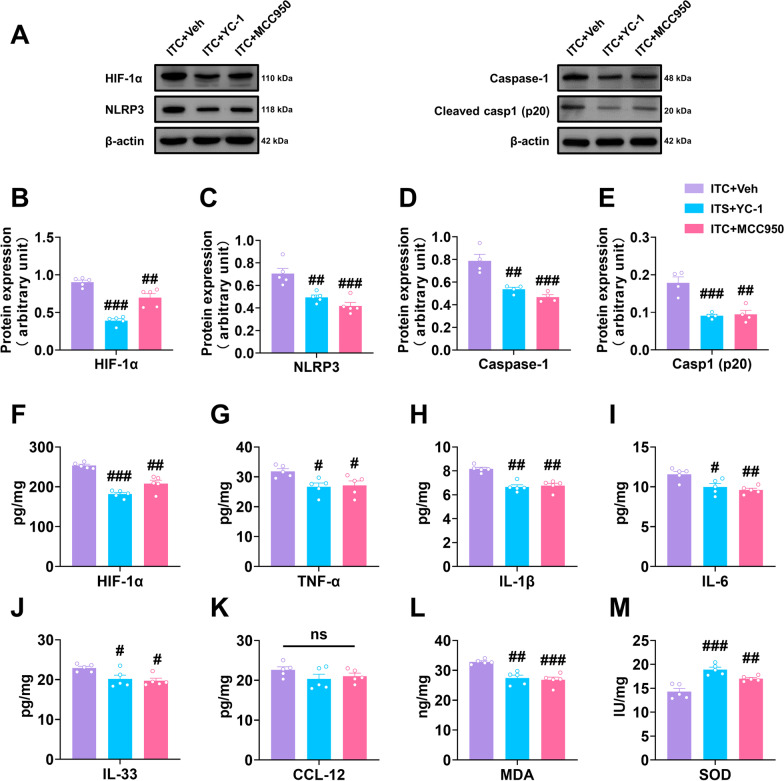
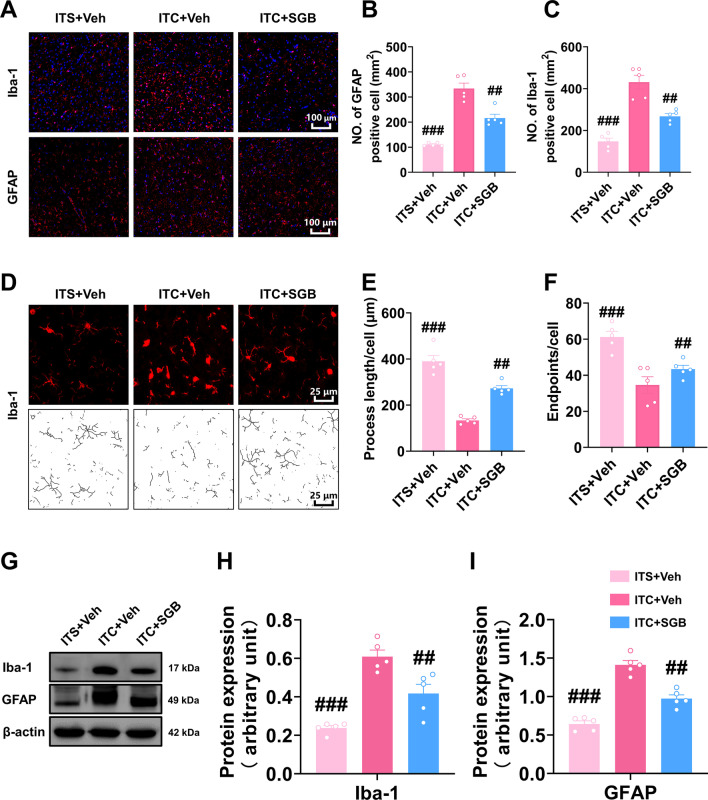
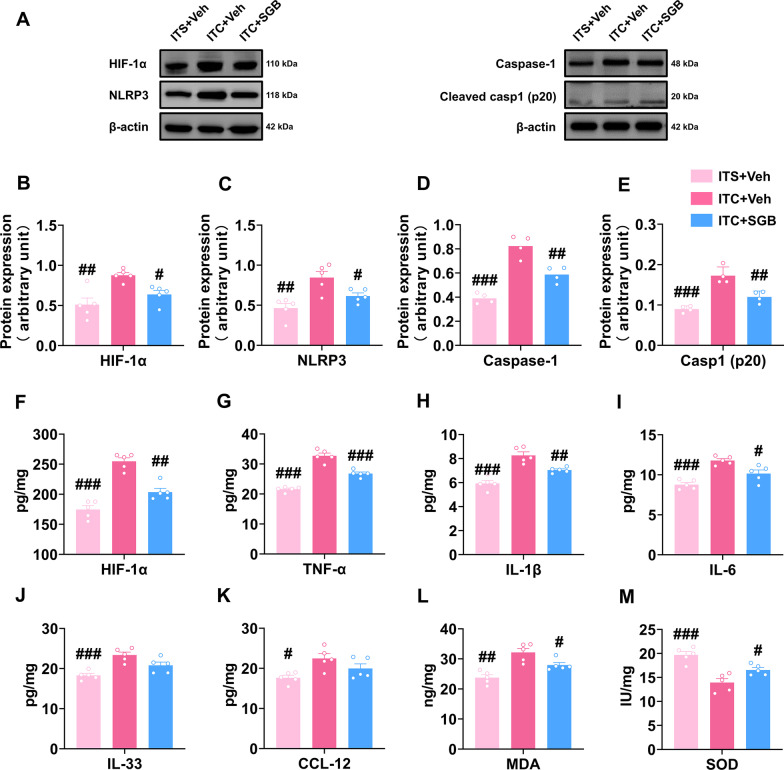
Thalamic hemorrhage caused persistent mechanical allodynia and anxiety- and depression-like behaviors. Accompanying the persistent mechanical allodynia, the expression of HIF-1α and NLRP3, as well as the activities of microglia and astrocytes in the peri-thalamic lesion sites, were significantly increased. Genetic knockdown of thalamic HIF-1α and NLRP3 significantly attenuated mechanical allodynia and anxiety- and depression-like behaviors following thalamic hemorrhage. Further studies revealed that intra-thalamic injection of YC-1, or MCC950 significantly suppressed the activation of microglia and astrocytes, the release of pro-inflammatory cytokines, the upregulation of malondialdehyde (MDA), and the downregulation of superoxide dismutase (SOD), as well as mechanical allodynia and anxiety- and depression-like behaviors following thalamic hemorrhage. In addition, repetitive ipsilateral SGB significantly restored the upregulated HIF-1α/NLRP3 signaling and the hyperactivated microglia and astrocytes following thalamic hemorrhage. The enhanced expression of pro-inflammatory cytokines and the oxidative stress in the peri-thalamic lesion sites were also reversed by SGB. Moreover, LSCI showed that repetitive SGB significantly increased cerebral blood flow following thalamic hemorrhage. Most strikingly, SGB not only prevented, but also reversed the development of mechanical allodynia and anxiety- and depression-like behaviors induced by thalamic hemorrhage. However, pharmacological activation of thalamic HIF-1α and NLRP3 with specific agonists significantly eliminated the therapeutic effects of SGB on mechanical allodynia and anxiety- and depression-like behaviors following thalamic hemorrhage.
This study demonstrated for the first time that SGB could improve CPSP with comorbid anxiety and depression by increasing cerebral blood flow and inhibiting HIF-1α/NLRP3 inflammatory signaling.
中枢性卒中后疼痛(CPSP)是一种难治性、致残性的中枢神经性疼痛,严重影响患者的生活、幸福感和社交能力。然而,CPSP 的发病机制研究不足,其治疗仍然具有挑战性。在这里,我们使用丘脑出血诱导的大鼠模型来研究其潜在机制,以及星状神经节阻滞(SGB)对 CPSP 和情绪共病的影响。
通过在右侧丘脑腹后外侧核(VPL)注射胶原酶 IV 来诱导丘脑出血。使用 von Frey 毛发进行上下法测量机械性痛觉过敏。进行行为测试以检查抑郁和焦虑样行为,包括旷场试验(OFT)、高架十字迷宫试验(EPMT)、新奇抑制进食试验(NSFT)和强迫游泳试验(FST)。收集丘脑周围损伤组织进行免疫荧光、Western blot 和酶联免疫吸附试验(ELISA)。在胶原酶注射到同一区域的前 3 天,通过微注射 HIF-1α siRNA 和 NLRP3 siRNA 到丘脑的 VPL 来进行丘脑缺氧诱导因子-1α(HIF-1α)和 NOD 样受体热蛋白结构域相关蛋白 3(NLRP3)的基因敲低。在胶原酶注射前 30 分钟,通过微注射 YC-1 和 MCC950 到丘脑的 VPL 来抑制 HIF-1α 和 NLRP3 的药理学作用。每天进行 5 次右侧 SGB,进行激光散斑对比成像(LSCI)以检查脑血流。
丘脑出血导致持续的机械性痛觉过敏和焦虑-和抑郁样行为。伴随持续的机械性痛觉过敏,HIF-1α 和 NLRP3 的表达,以及损伤部位周围的小胶质细胞和星形胶质细胞的活性显著增加。丘脑 HIF-1α 和 NLRP3 的基因敲低显著减轻了丘脑出血后的机械性痛觉过敏和焦虑-和抑郁样行为。进一步的研究表明,丘脑内注射 YC-1 或 MCC950 可显著抑制小胶质细胞和星形胶质细胞的激活、促炎细胞因子的释放、丙二醛(MDA)的上调和超氧化物歧化酶(SOD)的下调,以及丘脑出血后的机械性痛觉过敏和焦虑-和抑郁样行为。此外,重复同侧 SGB 可显著恢复丘脑出血后的 HIF-1α/NLRP3 信号转导和过度激活的小胶质细胞和星形胶质细胞。损伤部位的促炎细胞因子表达和氧化应激也被 SGB 逆转。此外,LSCI 显示重复 SGB 可显著增加丘脑出血后的脑血流。最引人注目的是,SGB 不仅预防,而且逆转了由丘脑出血引起的机械性痛觉过敏和焦虑-和抑郁样行为的发展。然而,用特异性激动剂激活丘脑 HIF-1α 和 NLRP3 会显著消除 SGB 对丘脑出血后机械性痛觉过敏和焦虑-和抑郁样行为的治疗作用。
本研究首次表明,SGB 可通过增加脑血流和抑制 HIF-1α/NLRP3 炎症信号来改善伴有焦虑和抑郁的 CPSP。