Melbourne School of Psychological Sciences, The University of Melbourne, Parkville, VIC, Australia.
PLoS One. 2023 Mar 28;18(3):e0283158. doi: 10.1371/journal.pone.0283158. eCollection 2023.
Cannabis is the third most commonly used drug worldwide, with studies suggesting a deleterious effect on some aspects of performance monitoring. It is unknown, however, whether diminished error awareness influences adaptive behaviour in cannabis users. Therefore, this study examined the effect of error awareness on learning from errors in cannabis users.
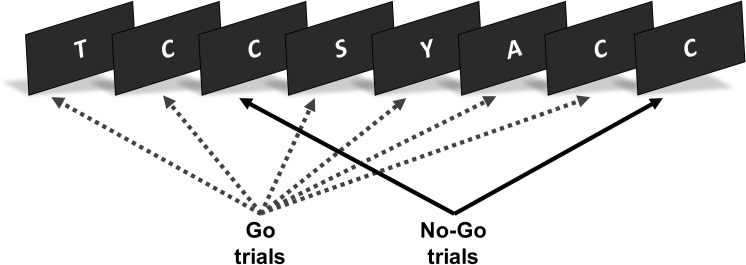
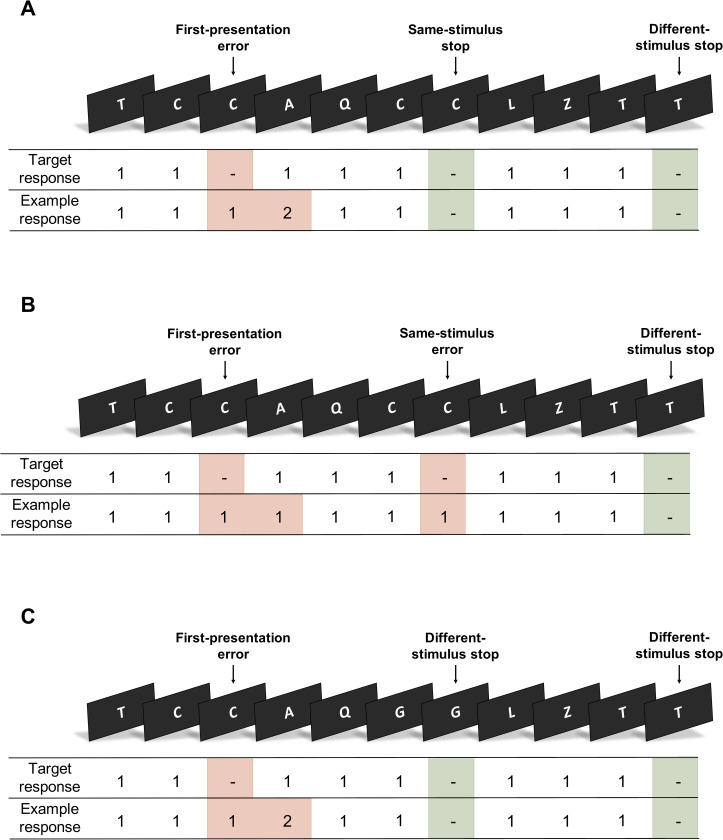
Thirty-six chronic cannabis users (Mage = 23.81 years; female, 36%) and 34 controls (Mage = 21.53 years; female, 76%) completed a Go/No-Go task that allowed participants to learn from errors and adapt their behaviour. Multilevel models were specified to determine whether the effect of error awareness on learning from errors differs between cannabis users and controls, and whether cannabis-use measures predict error correction while accounting for error awareness.
While error awareness and correction rates did not differ between the groups, there was a significant effect of age of use onset on error correction in cannabis users. Further, the effect of error awareness was dependent on age of onset, and cannabis use-related frequency and harm. That is, cannabis users reporting an earlier age of regular use or scoring higher on the cannabis use index were less likely to perform correctly following an aware error.
It appears overall cannabis use might not be tightly coupled to behavioural indices of performance monitoring. There is evidence, however, that aspects of cannabis use predict impairments in learning from errors that may be associated with treatment outcomes.
大麻是全球使用第三广泛的毒品,有研究表明它对某些方面的表现监测有不良影响。然而,人们并不知道错误意识的减弱是否会影响大麻使用者的适应行为。因此,本研究考察了错误意识对大麻使用者从错误中学习的影响。
36 名慢性大麻使用者(平均年龄=23.81 岁;女性,36%)和 34 名对照者(平均年龄=21.53 岁;女性,76%)完成了 Go/No-Go 任务,该任务允许参与者从错误中学习并调整他们的行为。指定了多层次模型,以确定错误意识对错误学习的影响是否在大麻使用者和对照组之间存在差异,以及大麻使用措施是否可以预测错误纠正,同时考虑错误意识。
尽管大麻使用者和对照组之间的错误意识和纠正率没有差异,但使用起始年龄对大麻使用者的错误纠正有显著影响。此外,错误意识的影响取决于使用起始年龄以及大麻使用的频率和危害程度。也就是说,报告较早的定期使用年龄或大麻使用指数得分较高的大麻使用者在意识到错误后不太可能正确执行。
总体而言,大麻使用似乎与表现监测的行为指标没有紧密联系。然而,有证据表明,大麻使用的某些方面会预测从错误中学习的能力受损,这可能与治疗结果有关。