Adisornkanj Ploy, Chanprasit Rajit, Eliason Steven, Fons Juan M, Intachai Worrachet, Tongsima Sissades, Olsen Bjorn, Arold Stefan T, Ngamphiw Chumpol, Amendt Brad A, Tucker Abigail S, Kantaputra Piranit
Center of Excellence in Medical Genetics Research, Faculty of Dentistry, Chiang Mai University, Chiang Mai 50200, Thailand.
Division of Pediatric Dentistry, Department of Orthodontics and Pediatric Dentistry, Faculty of Dentistry, Chiang Mai University, Chiang Mai 50200, Thailand.
Biology (Basel). 2023 Mar 1;12(3):393. doi: 10.3390/biology12030393.
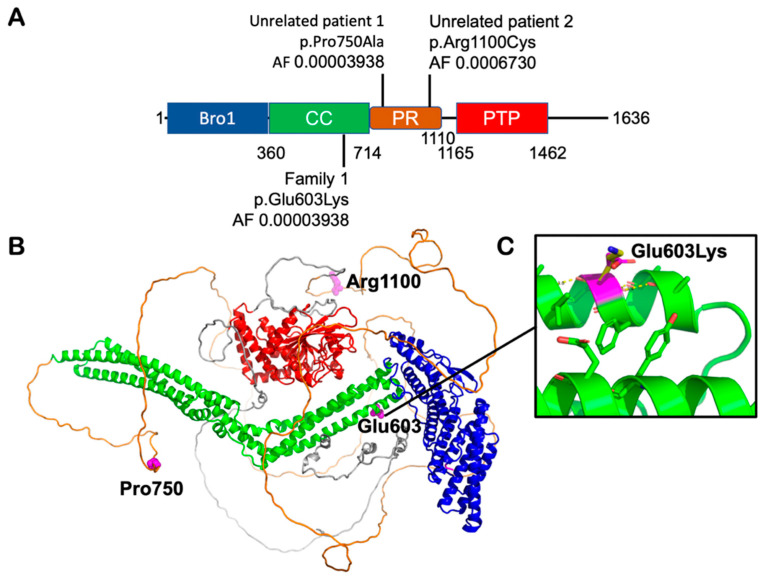
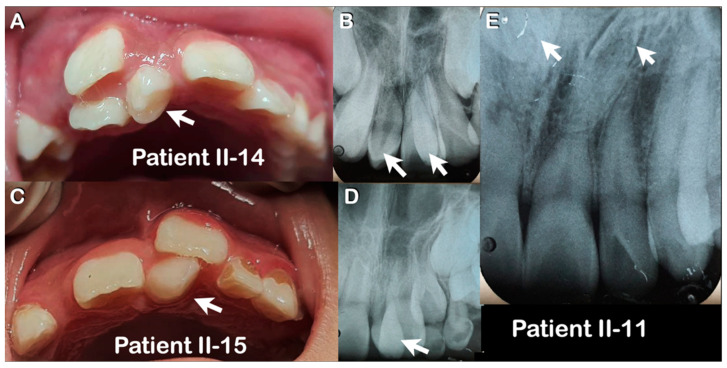
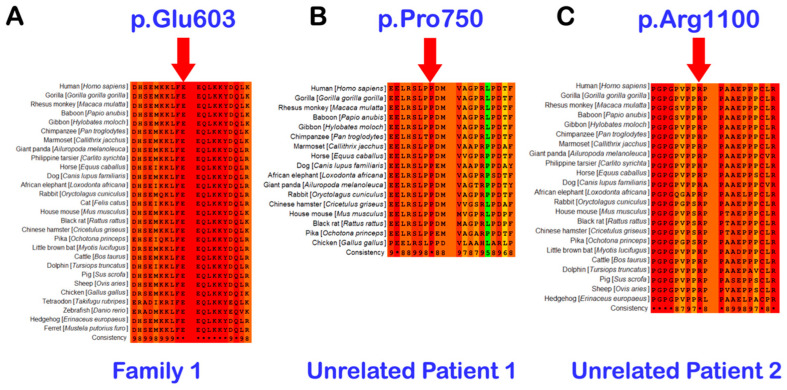
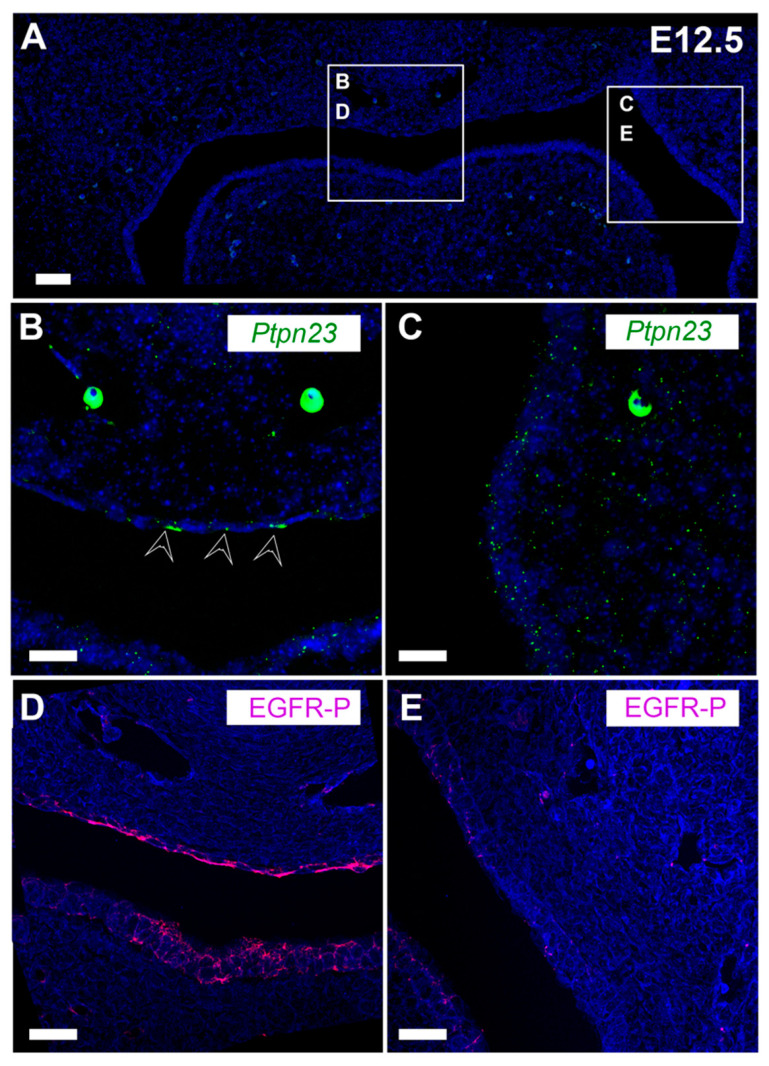
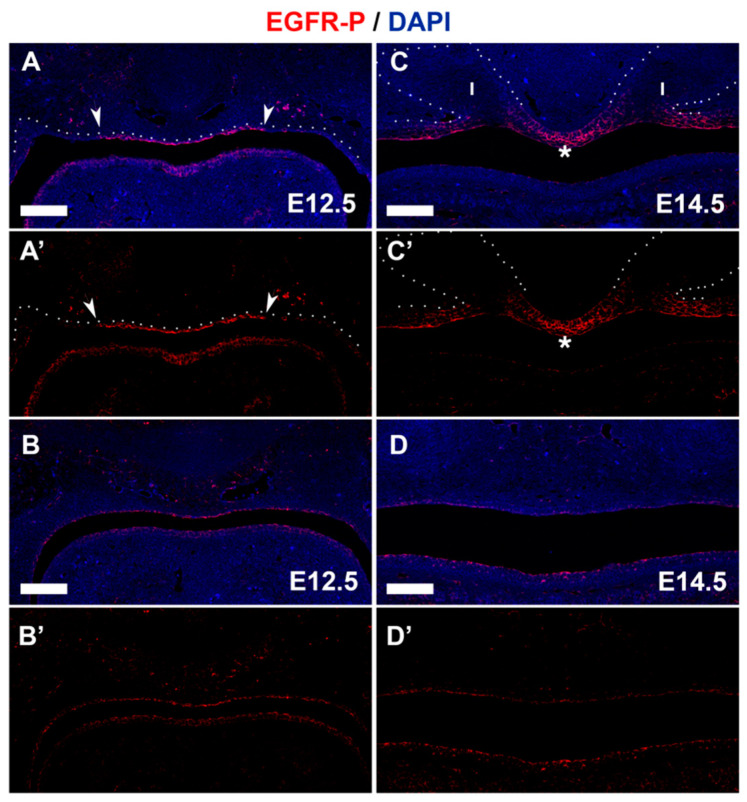
A mesiodens is a supernumerary tooth located in the midline of the premaxilla. To investigate the genetic cause of mesiodens, clinical and radiographic examination were performed on 23 family members of a two-generation Hmong family. Whole exome sequencing (WES) or Sanger sequencing were performed in 22 family members and two unrelated Thai patients with mesiodens. WES in the Hmong family revealed a missense mutation (c.1807G>A;p.Glu603Lys) in in seven affected members and six unaffected members. The mode of inheritance was autosomal dominance with incomplete penetrance (53.84%). Two additional mutations in , c.2248C>G;p.Pro750Ala and c.3298C>T;p.Arg1100Cys were identified in two unrelated patients with mesiodens. is a regulator of endosomal trafficking functioning to move activated membrane receptors, such as EGFR, from the endosomal sorting complex towards the ESCRT-III complex for multivesicular body biogenesis, lysosomal degradation, and subsequent downregulation of receptor signaling. Immunohistochemical study and RNAscope on developing mouse embryos showed broad expression of in oral tissues, while immunofluorescence showed that EGFR was specifically concentrated in the midline epithelium. Importantly, mutant protein was shown to have reduced phosphatase activity. In conclusion, mesiodens were associated with genetic variants in , suggesting that mesiodens may form due to defects in endosomal trafficking, leading to disrupted midline signaling.
正中多生牙是位于上颌前部中线的一颗额外牙齿。为了研究正中多生牙的遗传原因,对一个苗族两代家族的23名家庭成员进行了临床和影像学检查。对22名家庭成员以及两名患有正中多生牙的无关泰国患者进行了全外显子组测序(WES)或桑格测序。苗族家族的WES在7名患病成员和6名未患病成员中发现了一个错义突变(c.1807G>A;p.Glu603Lys)。遗传模式为常染色体显性遗传,外显率不完全(53.84%)。在两名患有正中多生牙的无关患者中鉴定出另外两个突变,c.2248C>G;p.Pro750Ala和c.3298C>T;p.Arg1100Cys。[蛋白名称]是内体运输的调节因子,其功能是将激活的膜受体(如表皮生长因子受体,EGFR)从内体分选复合物转运至ESCRT-III复合物,以进行多泡体生物发生、溶酶体降解以及随后受体信号的下调。对发育中的小鼠胚胎进行的免疫组织化学研究和RNAscope显示,[蛋白名称]在口腔组织中广泛表达,而免疫荧光显示EGFR特异性集中在中线上皮。重要的是,[蛋白名称]突变蛋白的磷酸酶活性降低。总之,正中多生牙与[蛋白名称]的基因变异有关,提示正中多生牙可能由于内体运输缺陷而形成,导致中线信号中断。