Zhou Zechen, Wang Yu, Li Xiaoyi, Zhang Yinan, Yuan Lichuang, Chen Dafang, Wang Xuedong
Department of Epidemiology and Biostatistics, School of Public Health, Peking University Health Science Center, Beijing 100191, China.
Department of Cardiology, Beijing Hepingli Hospital, Beijing 100013, China.
Biomedicines. 2023 Mar 15;11(3):908. doi: 10.3390/biomedicines11030908.
Atrial fibrillation (AF) is the most common cardiac arrhythmia, with uncovered genetic etiology and pathogenesis. We aimed to screen out AF susceptibility genes with potential pathogenesis significance in the Chinese population.
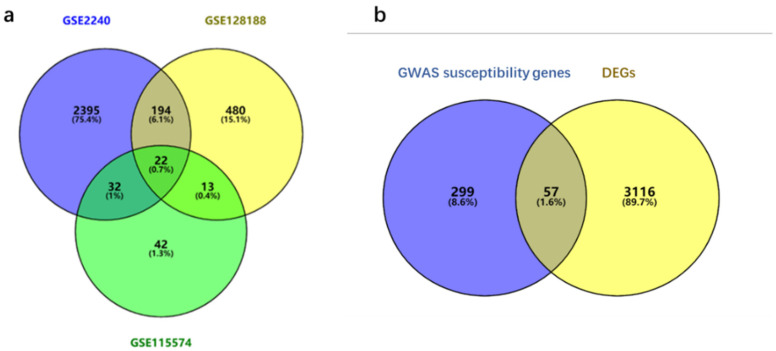
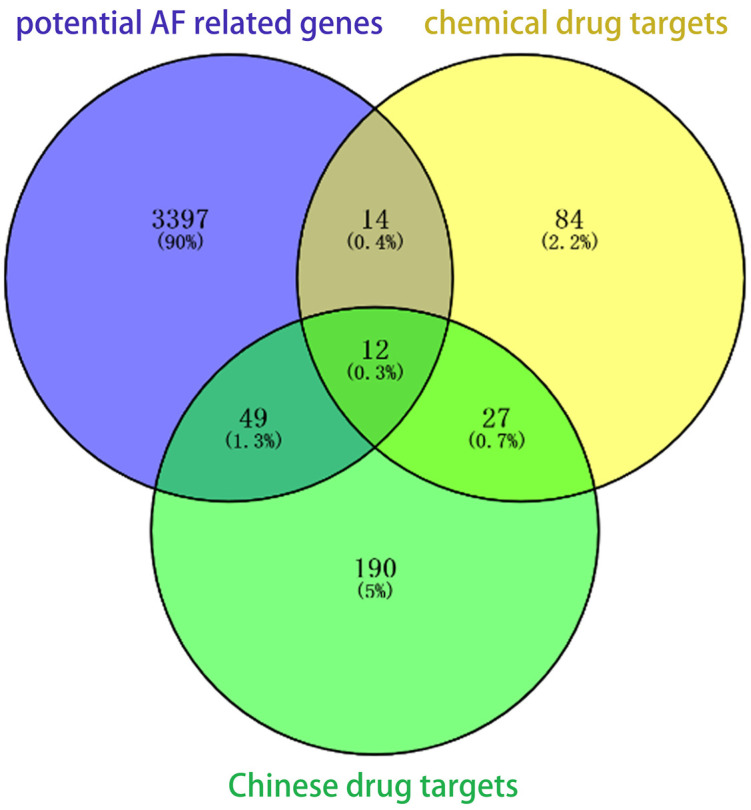
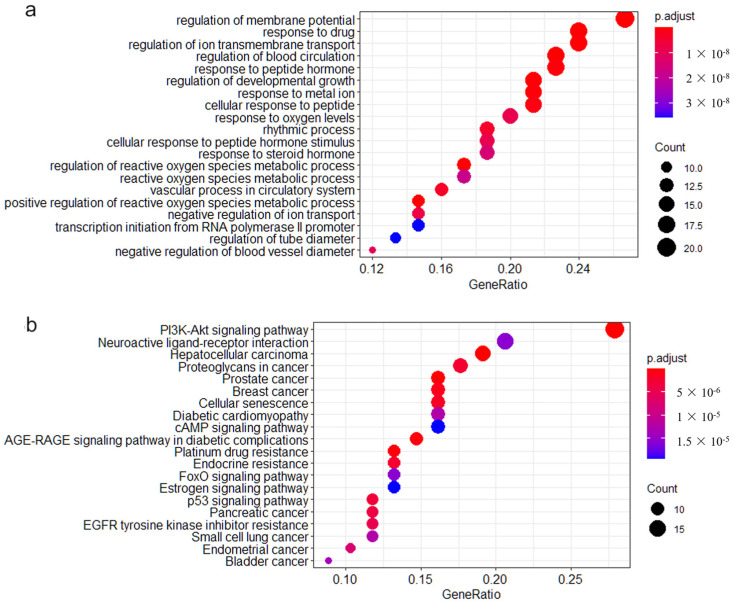
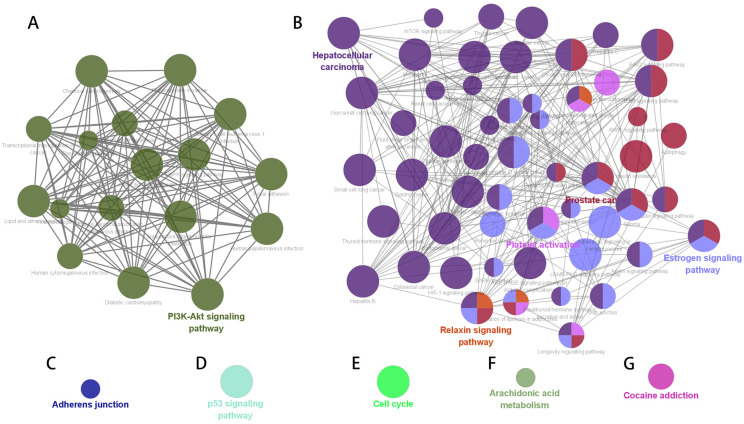
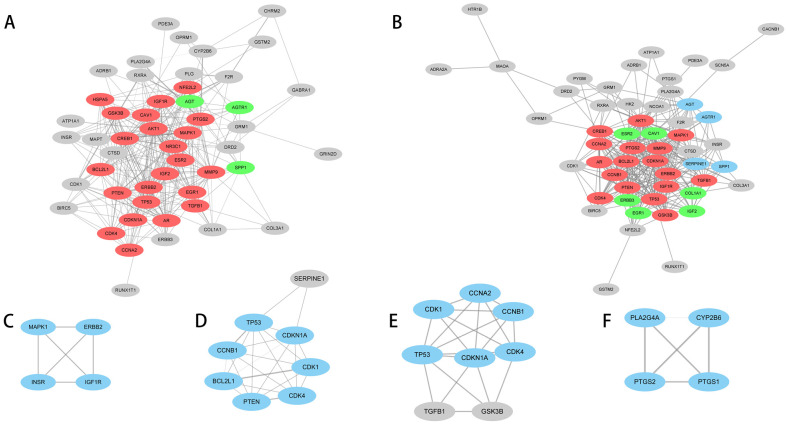
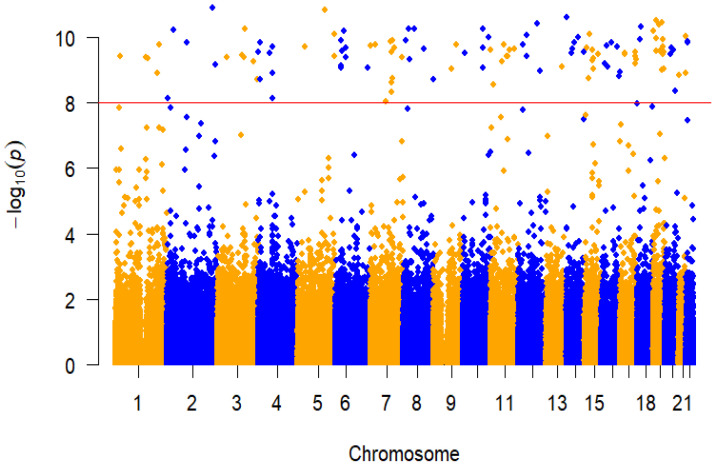
Differentially expressed genes (DEGs) were screened by the Limma package in three GEO data sets of atrial tissue. AF-related genes were identified by combination of DEGs and public GWAS susceptibility genes. Potential drug target genes were selected using the DrugBank, STITCH and TCMSP databases. Pathway enrichment analyses of AF-related genes were performed using the databases GO and KEGG databases. The pathway gene network was visualized by Cytoscape software to identify gene-gene interactions and hub genes. GWAS analysis of 110 cases of AF and 1201 controls was carried out through a genome-wide efficient mixed model in the Fangshan population to verify the results of bioinformatic analysis.
A total of 3173 DEGs were identified, 57 of which were found to be significantly associated with of AF in public GWAS results. A total of 75 AF-related genes were found to be potential therapeutic targets. Pathway enrichment analysis selected 79 significant pathways and classified them into 7 major pathway networks. A total of 35 hub genes were selected from the pathway networks. GWAS analysis identified 126 AF-associated loci. and were found to be overlapping genes between bioinformatic analysis and GWAS analysis.
We screened out several pivotal genes and pathways involved in AF pathogenesis. Among them, and were significantly associated with the risk of AF in the Chinese population. Our study provided new insights into the mechanisms of action of AF.
心房颤动(AF)是最常见的心律失常,其遗传病因和发病机制尚未完全明确。我们旨在筛选出在中国人群中具有潜在发病机制意义的AF易感基因。
使用Limma软件包在三个心房组织的GEO数据集中筛选差异表达基因(DEG)。通过将DEG与公共全基因组关联研究(GWAS)易感基因相结合来鉴定AF相关基因。利用DrugBank、STITCH和中药系统药理学数据库(TCMSP)选择潜在的药物靶基因。使用基因本体论(GO)和京都基因与基因组百科全书(KEGG)数据库对AF相关基因进行通路富集分析。通过Cytoscape软件将通路基因网络可视化,以识别基因-基因相互作用和枢纽基因。通过全基因组高效混合模型对房山区110例AF患者和1201例对照进行GWAS分析,以验证生物信息学分析结果。
共鉴定出3173个DEG,其中57个在公共GWAS结果中被发现与AF显著相关。共发现75个AF相关基因是潜在的治疗靶点。通路富集分析选择了79条显著通路,并将其分为7个主要通路网络。从通路网络中总共选择了35个枢纽基因。GWAS分析确定了126个AF相关位点。发现[具体基因1]和[具体基因2]是生物信息学分析和GWAS分析之间的重叠基因。
我们筛选出了几个参与AF发病机制的关键基因和通路。其中,[具体基因1]和[具体基因2]与中国人群中AF的风险显著相关。我们的研究为AF的作用机制提供了新的见解。