Zaric Kontic Marina, Dragic Milorad, Martinovic Jelena, Mihajlovic Katarina, Brkic Zeljka, Mitrovic Natasa, Grkovic Ivana
Department of Molecular Biology and Endocrinology, VINČA Institute of Nuclear Sciences-National Institute of the Republic of Serbia, University of Belgrade, 11351 Belgrade, Serbia.
Laboratory for Neurobiology, Department of General Physiology and Biophysics, Faculty of Biology, University of Belgrade, 11158 Belgrade, Serbia.
Pharmaceuticals (Basel). 2023 Feb 21;16(3):331. doi: 10.3390/ph16030331.
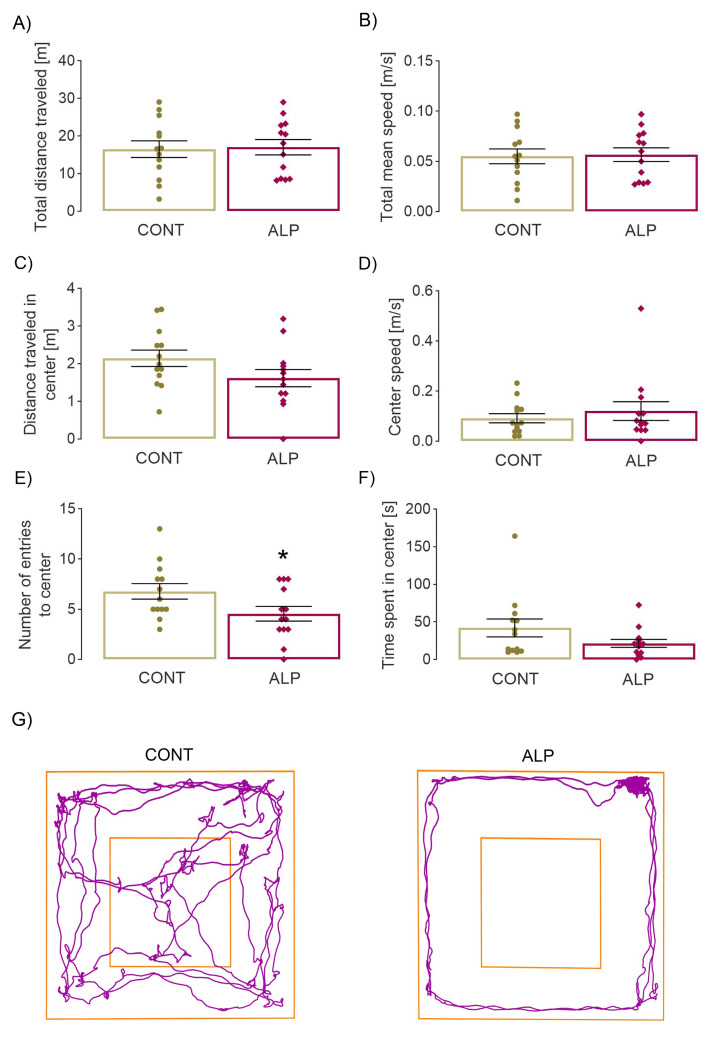
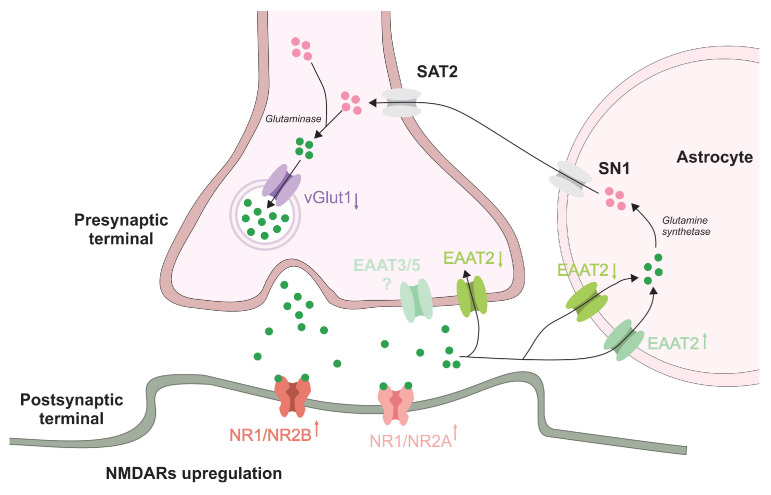
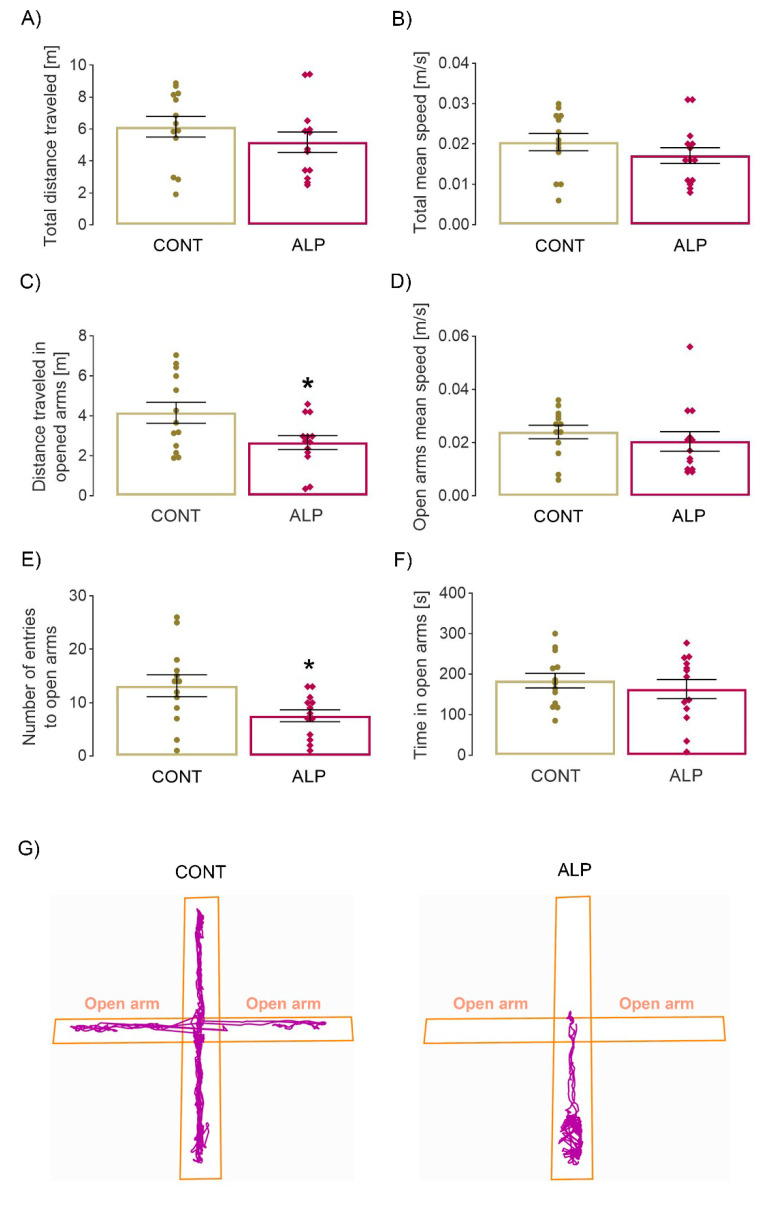
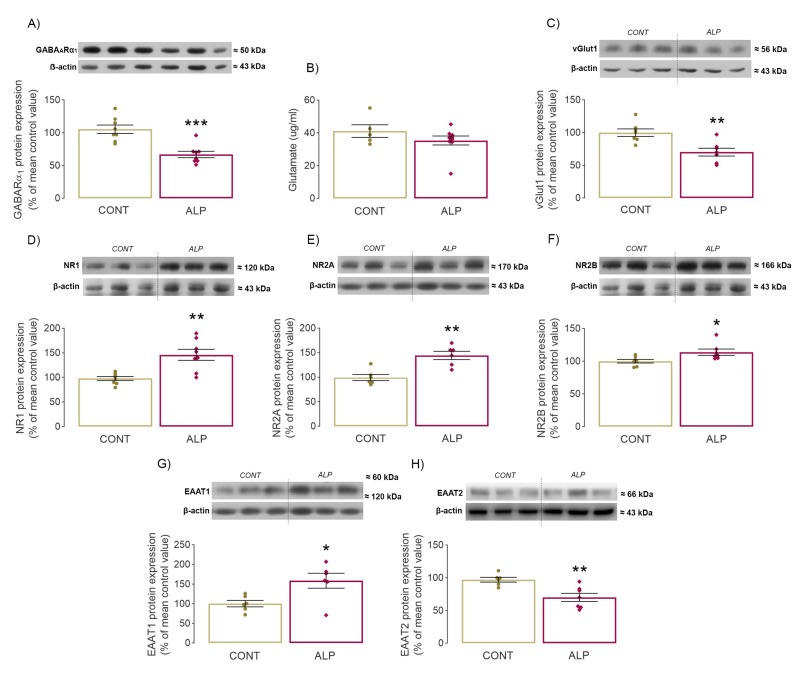
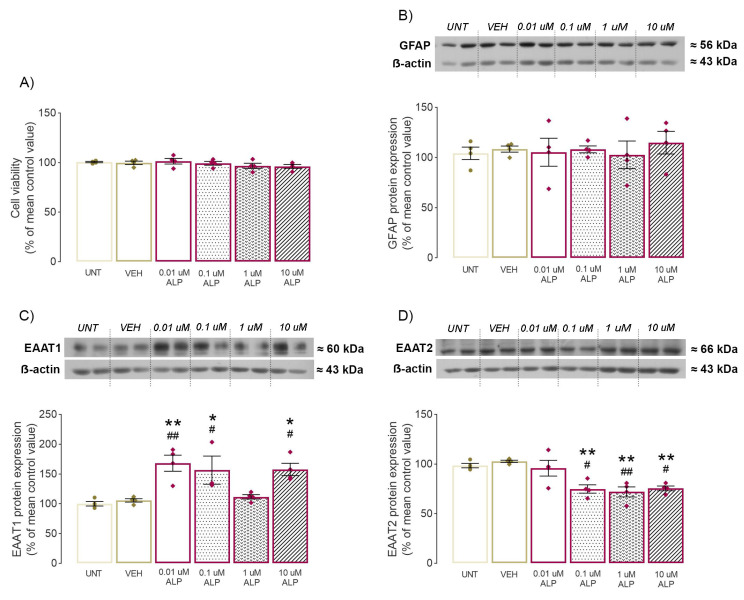
Alprazolam (ALP), a benzodiazepine (BDZ) used to treat anxiety, panic, and sleep disorders, is one of the most prescribed psychotropic drugs worldwide. The side effects associated with long-term (mis)use of ALP have become a major challenge in pharmacotherapy, emphasizing the unmet need to further investigate their underlying molecular mechanisms. Prolonged BDZ exposure may induce adaptive changes in the function of several receptors, including the primary target, gammaaminobutyric acid receptor type A (GABAR), but also other neurotransmitter receptors such as glutamatergic. The present study investigated the potential effects of prolonged ALP treatment on components of glutamatergic neurotransmission, with special emphasis on N-Methyl-D-aspartate receptor (NMDAR) in the hippocampus of adult male Wistar rats. The study revealed behavioral changes consistent with potential onset of tolerance and involvement of the glutamatergic system in its development. Specifically, an increase in NMDAR subunits (NR1, NR2A, NR2B), a decrease in vesicular glutamate transporter 1 (vGlut1), and differential modulation of excitatory amino acid transporters 1 and 2 (EAAT1/2, in vivo and in vitro) were observed, alongside a decrease in α1-containing GABAR following the treatment. By describing the development of compensatory actions in the glutamatergic system, the present study provides valuable information on neuroadaptive mechanisms following prolonged ALP intake.
阿普唑仑(ALP)是一种用于治疗焦虑、恐慌和睡眠障碍的苯二氮䓬类药物(BDZ),是全球处方量最大的精神药物之一。长期(误)用ALP所带来的副作用已成为药物治疗中的一项重大挑战,这凸显了进一步研究其潜在分子机制的未满足需求。长期接触BDZ可能会诱导多种受体功能的适应性变化,包括主要靶点γ-氨基丁酸A型受体(GABAR),以及其他神经递质受体,如谷氨酸能受体。本研究调查了长期ALP治疗对谷氨酸能神经传递成分的潜在影响,特别关注成年雄性Wistar大鼠海马中的N-甲基-D-天冬氨酸受体(NMDAR)。研究揭示了与耐受性潜在发作以及谷氨酸能系统参与其发展相一致的行为变化。具体而言,观察到NMDAR亚基(NR1、NR2A、NR2B)增加,囊泡谷氨酸转运体1(vGlut1)减少,兴奋性氨基酸转运体1和2(EAAT1/2,体内和体外)受到不同调节,同时治疗后含α1的GABAR减少。通过描述谷氨酸能系统中代偿作用的发展,本研究为长期摄入ALP后的神经适应性机制提供了有价值的信息。