Resource Institute for Chinese & Ethnic Materia Medica, Guizhou University of Traditional Chinese Medicine, Guiyang, China.
School of Life Science and Technology, University of Electronic Science and Technology of China, Chengdu, China.
CNS Neurosci Ther. 2023 Sep;29(9):2555-2571. doi: 10.1111/cns.14196. Epub 2023 Mar 29.
Using drugs to modulate microglial function may be an effective way to treat disorders, such as depression, that involve impaired neurogenesis. Akebia saponin D (ASD) can cross the blood-brain barrier and exert anti-inflammatory and neuroprotective effects, so we wondered whether it might influence adult hippocampal neurogenesis to treat depression.
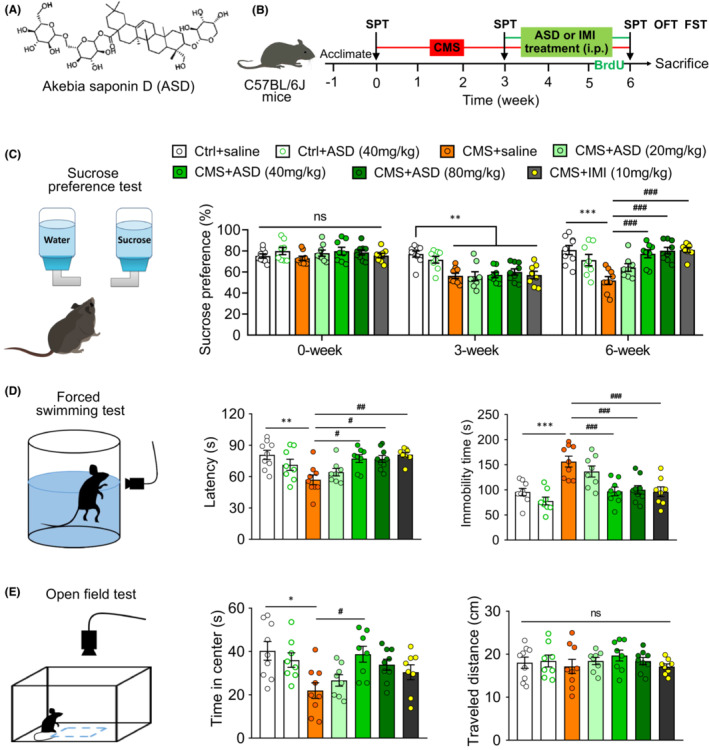
We exposed C57BL/6 mice to chronic mild stress (CMS) as a model of depression and then gave them ASD intraperitoneally once daily for 3 weeks. We investigated the effects of ASD on microglial phenotype, hippocampal neurogenesis, and animal behavior. The potential role of the peroxisome proliferator-activated receptor-gamma (PPAR-γ) or BDNF-TrkB pathway in the pro-neurogenesis and anti-depressant of ASD was identified using there inhibitors GW9662 and K252a, respectively. The neurogenic effects of ASD-treated microglia were evaluated using conditioned culture methods.
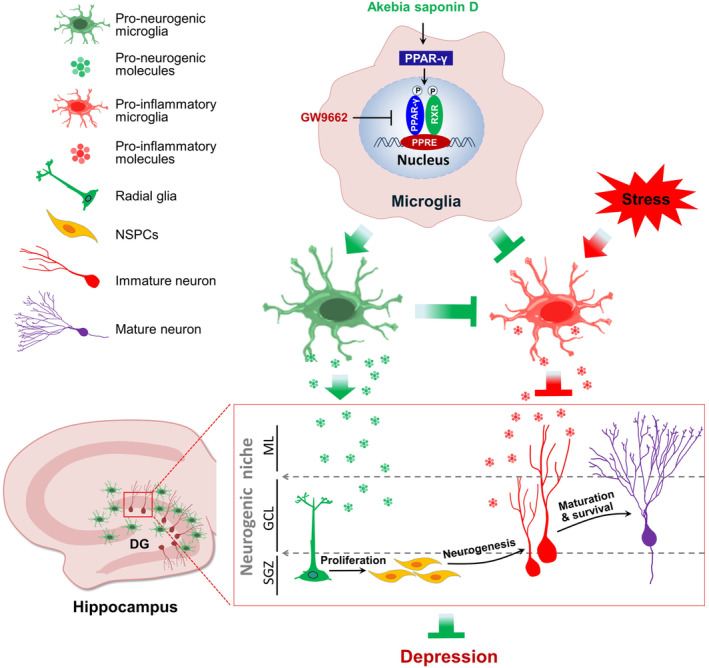
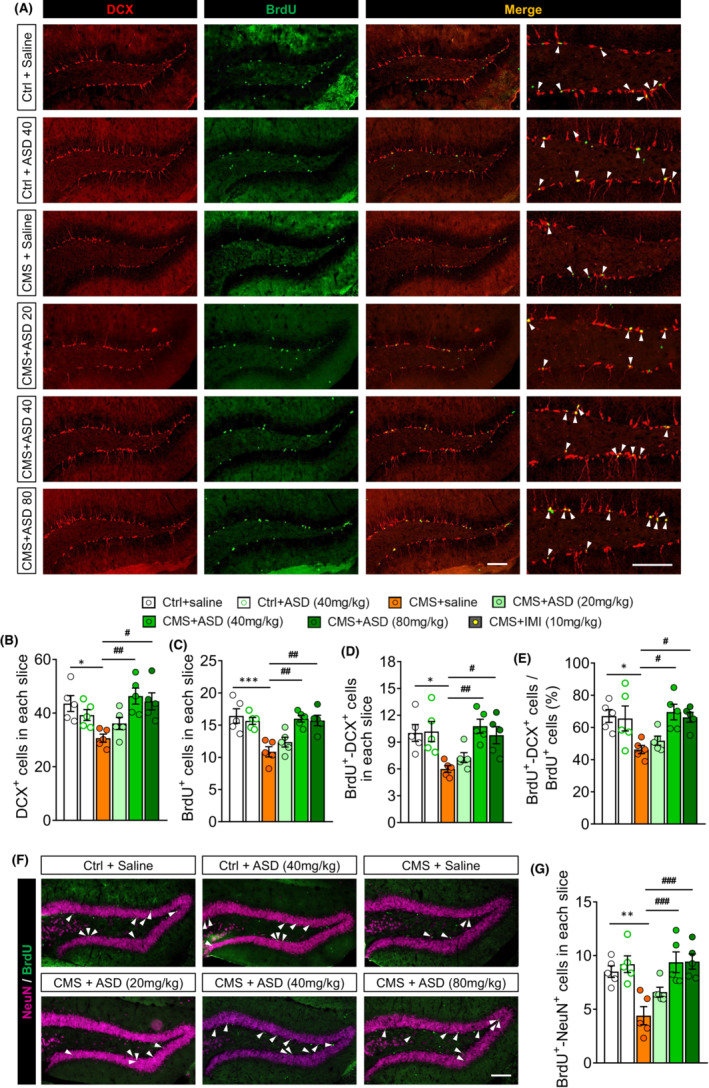
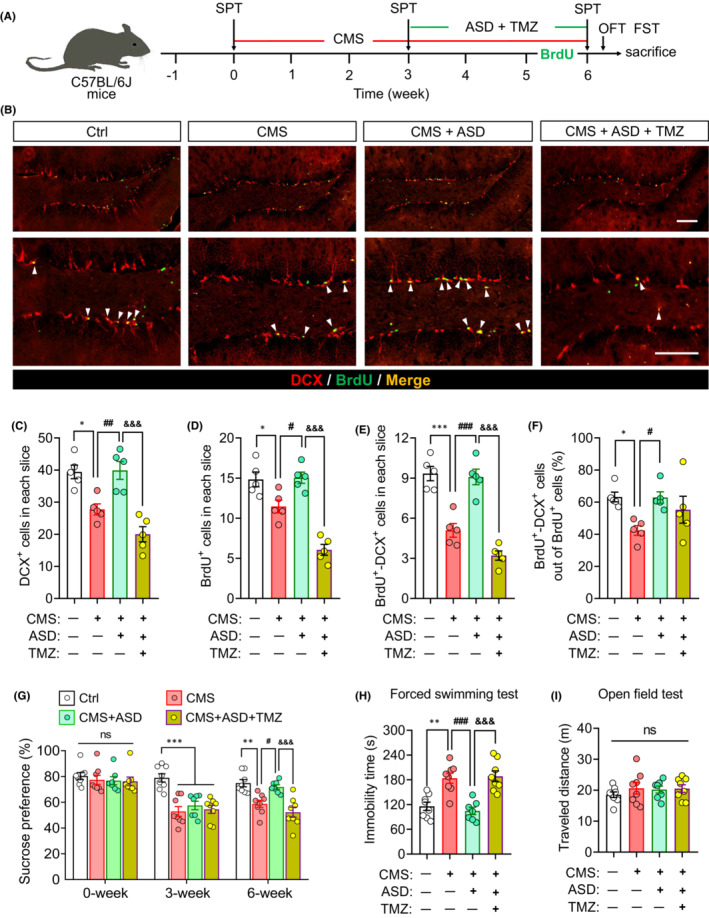
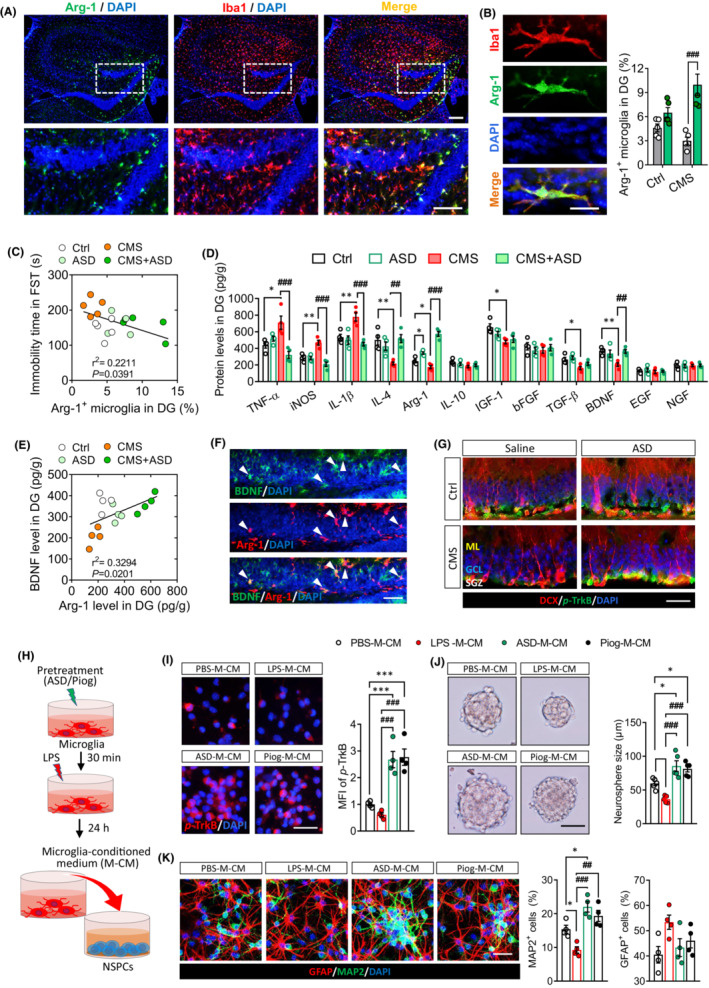
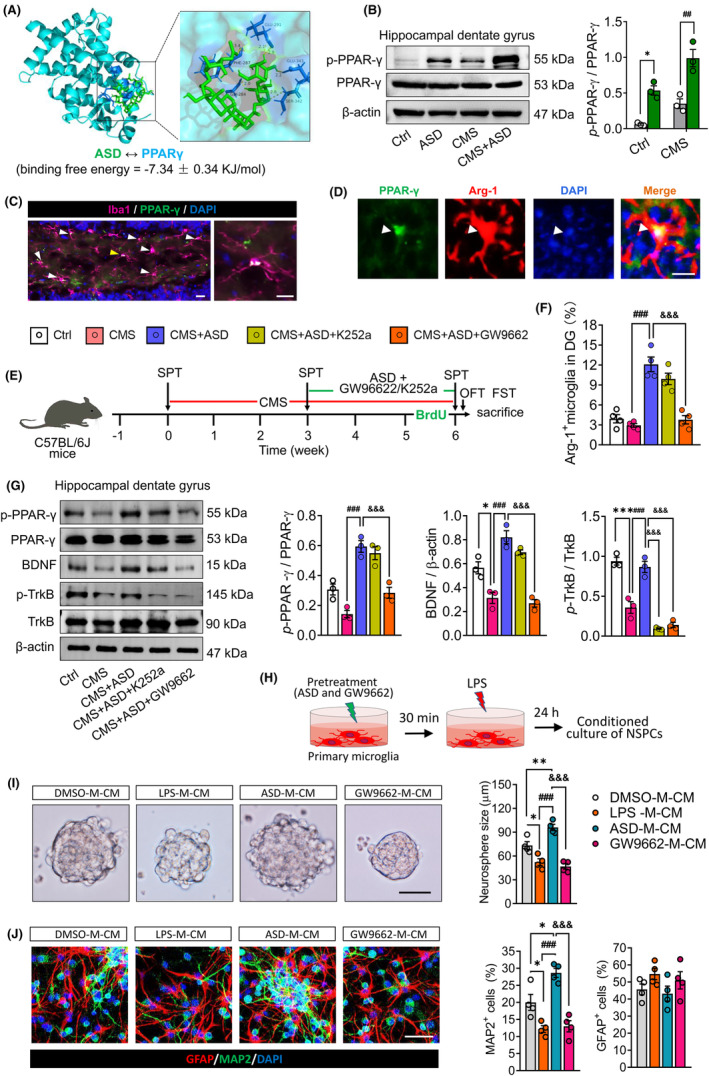
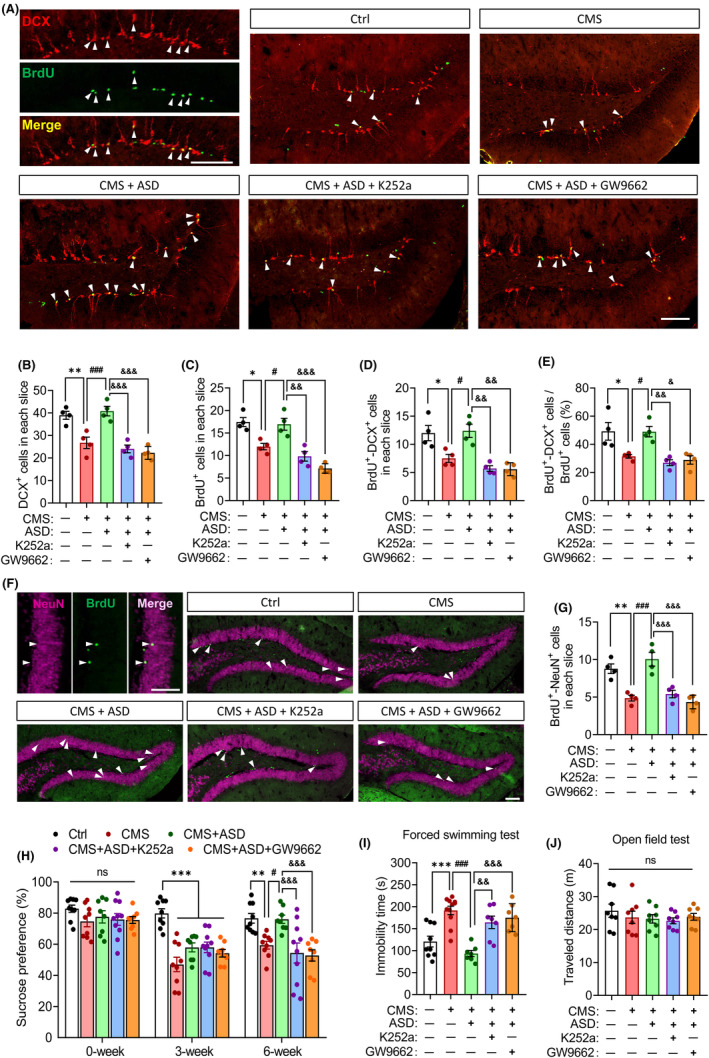
We found that CMS upregulated pro-inflammatory factors and inhibited hippocampal neurogenesis in dentate gyrus of mice, while inducing depressive-like behaviors. Dramatically, ASD (40 mg/kg) treatment reprogrammed an arginase (Arg)-1 microglial phenotype in dentate gyrus, which increased brain-derived neurotrophic factor (BDNF) expression and restored the hippocampal neurogenesis, and partially ameliorated the depressive-like behaviors of the CMS-exposed mice. K252a or neurogenesis inhibitor blocked the pro-neurogenic, anti-depressant effects of ASD. Furthermore, ASD activated PPAR-γ in dentate gyrus of CMS mice as well as in primary microglial cultures treated with lipopolysaccharide. Blocking the PPAR-γ using GW9962 suppressed the ASD-reprogrammed Arg-1 microglia and BDNF expression in dentate gyrus of CMS mice. Such blockade abolished the promoted effects of ASD-treated microglia on NSPC proliferation, survival, and neurogenesis. The pro-neurogenic and anti-depressant effects of ASD were blocked by GW9962.
These results suggested that ASD acts via the PPAR-γ pathway to induce a pro-neurogenic microglia in dentate gyrus of CMS mice that can increase BDNF expression and promote NSPC proliferation, survival, and neurogenesis.
利用药物调节小胶质细胞功能可能是治疗涉及神经发生受损的疾病(如抑郁症)的有效方法。三叶木通皂苷 D (ASD) 可以穿过血脑屏障,发挥抗炎和神经保护作用,因此我们想知道它是否可能影响成年海马神经发生来治疗抑郁症。
我们将 C57BL/6 小鼠暴露于慢性轻度应激 (CMS) 中作为抑郁症模型,然后每天腹膜内给予 ASD 一次,共 3 周。我们研究了 ASD 对小胶质细胞表型、海马神经发生和动物行为的影响。使用过氧化物酶体增殖物激活受体-γ (PPAR-γ) 或 BDNF-TrkB 通路的抑制剂 GW9662 和 K252a,分别鉴定了 ASD 在促进神经发生和抗抑郁作用中的潜在作用。使用条件培养方法评估了 ASD 处理的小胶质细胞的神经发生作用。
我们发现 CMS 上调了小胶质细胞中促炎因子并抑制了小鼠齿状回的海马神经发生,同时诱导了抑郁样行为。令人惊讶的是,ASD(40mg/kg)治疗在齿状回中重新编程了一种精氨酸酶 (Arg)-1 小胶质细胞表型,增加了脑源性神经营养因子 (BDNF) 的表达并恢复了海马神经发生,部分改善了 CMS 暴露小鼠的抑郁样行为。K252a 或神经发生抑制剂阻断了 ASD 的促神经发生、抗抑郁作用。此外,ASD 在 CMS 小鼠的齿状回以及用脂多糖处理的原代小胶质细胞中激活了 PPAR-γ。使用 GW9962 阻断 PPAR-γ 抑制了 CMS 小鼠齿状回中 ASD 重新编程的 Arg-1 小胶质细胞和 BDNF 表达。这种阻断消除了 ASD 处理的小胶质细胞对 NSPC 增殖、存活和神经发生的促进作用。ASD 的促神经发生和抗抑郁作用被 GW9962 阻断。
这些结果表明,ASD 通过 PPAR-γ 途径在 CMS 小鼠的齿状回中诱导促神经发生的小胶质细胞,从而增加 BDNF 的表达并促进 NSPC 的增殖、存活和神经发生。