Rheumatology and Clinical Immunology Unit, Internal Medicine Department, Cairo University, Cairo, Egypt.
School of Medicine, Newgiza University (NGU), Giza, Egypt.
Immunol Res. 2023 Aug;71(4):578-587. doi: 10.1007/s12026-023-09375-3. Epub 2023 Mar 29.
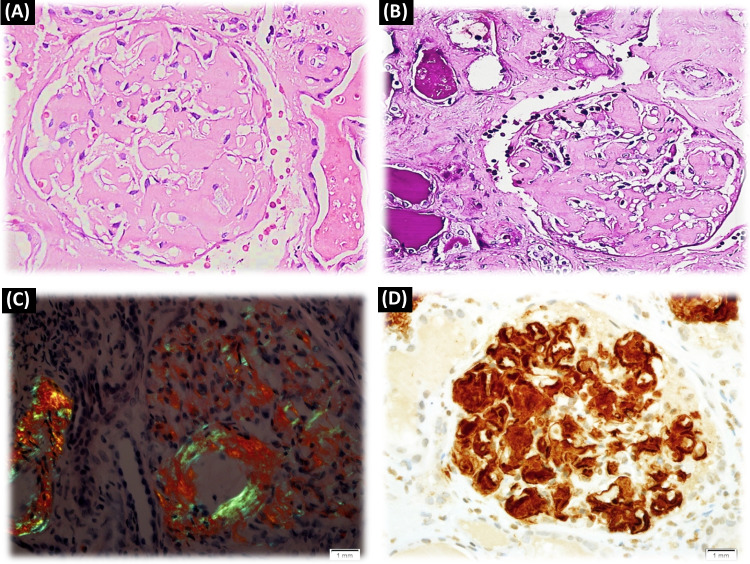
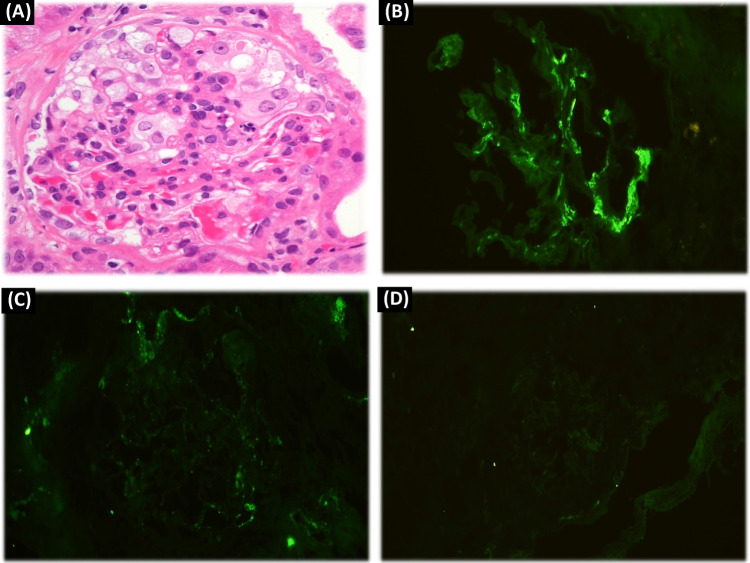
The kidney represents an important target of systemic inflammation. Its involvement in monogenic and multifactorial autoinflammatory diseases (AIDs) vary from peculiar and relatively frequent manifestations to some rare but severe features that may end up requiring transplantation. The pathogenetic background is also very heterogeneous ranging from amyloidosis to non-amyloid related damage rooted in inflammasome activation. Kidney involvement in monogenic and polygenic AIDs may present as renal amyloidosis, IgA nephropathy, and more rarely as various forms of glomerulonephritis (GN), namely segmental glomerulosclerosis, collapsing glomerulopathy, fibrillar, or membranoproliferative GN. Vascular disorders such as thrombosis or renal aneurysms and pseudoaneurysms may be encountered in patients with Behcet's disease. Patients with AIDs should be routinely assessed for renal involvement. Screening with urinalysis, serum creatinine, 24-h urinary protein, microhematuria, and imaging studies should be carried out for early diagnosis. Awareness of drug-induced nephrotoxicity, drug-drug interactions as well as addressing the issue of proper renal adjustment of drug doses deserve a special mention and should always be considered when dealing with patients affected by AIDs. Finally, we will explore the role of IL-1 inhibitors in AIDs patients with renal involvement. Targeting IL-1 may indeed have the potential to successfully manage kidney disease and improve long-term prognosis of AIDs patients.
肾脏是全身炎症的重要靶器官。其在单基因和多基因自身炎症性疾病(AIDs)中的作用从特殊且相对频繁的表现到一些罕见但严重的特征不等,这些特征最终可能需要进行移植。发病机制也非常多样化,从淀粉样变性到炎性小体激活引起的非淀粉样相关损伤。肾脏在单基因和多基因 AIDs 中的受累可表现为肾淀粉样变性、IgA 肾病,更罕见的表现为各种形式的肾小球肾炎(GN),即局灶节段性肾小球硬化、塌陷性肾小球病、纤维状或膜增生性 GN。血管病变,如血栓形成或肾动脉瘤和假性动脉瘤,可能发生在贝切特病患者中。AIDs 患者应常规评估肾脏受累情况。应进行尿分析、血清肌酐、24 小时尿蛋白、微量血尿和影像学研究等筛查,以进行早期诊断。应特别注意药物诱导的肾毒性、药物相互作用以及解决药物剂量的适当肾脏调整问题,并在处理受 AIDs 影响的患者时始终考虑这些问题。最后,我们将探讨白细胞介素-1 抑制剂在伴有肾脏受累的 AIDs 患者中的作用。靶向白细胞介素-1 确实有可能成功治疗肾脏疾病并改善 AIDs 患者的长期预后。