Heeren Senne, Maes Ilse, Sanders Mandy, Lye Lon-Fye, Arevalo Jorge, Llanos-Cuentas Alejandro, Garcia Lineth, Lemey Philippe, Beverley Stephen M, Cotton James A, Dujardin Jean-Claude, den Broeck Frederik Van
Department of Biomedical Sciences, Institute of Tropical Medicine, Antwerp, Belgium.
Department of Microbiology, Immunology and Transplantation, Rega Institute for Medical Research, Katholieke Universiteit Leuven, Leuven, Belgium.
bioRxiv. 2023 Mar 25:2023.03.24.534103. doi: 10.1101/2023.03.24.534103.
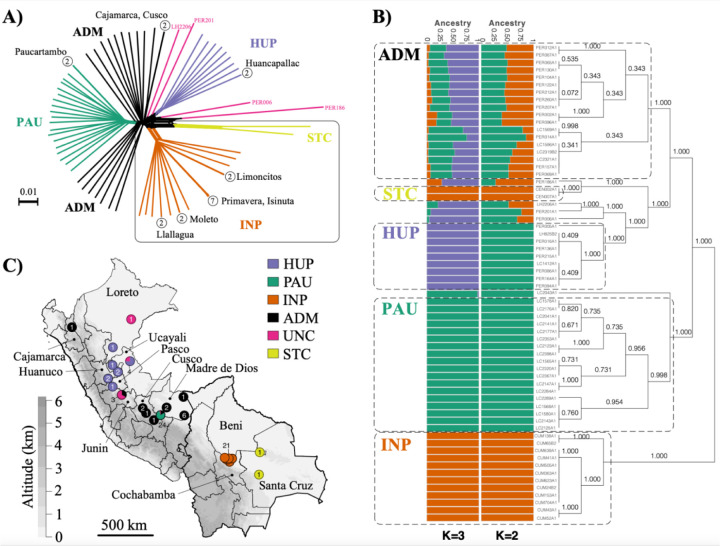
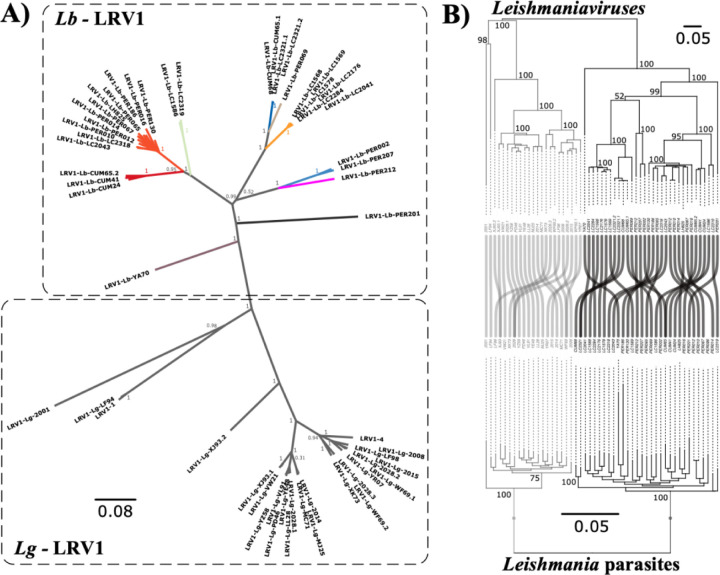
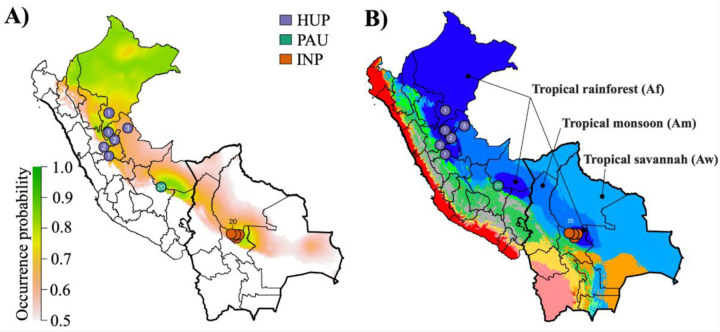
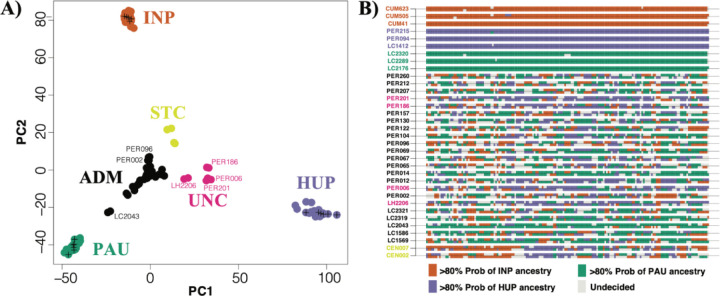
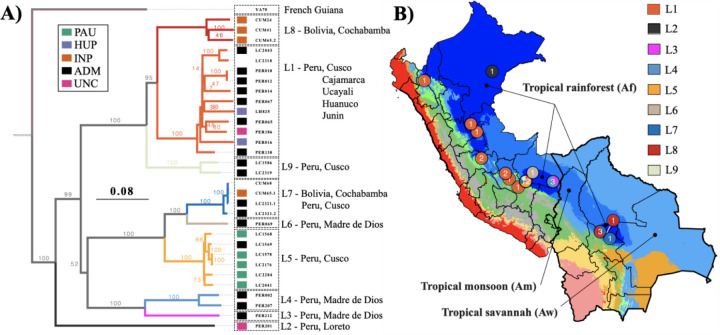
Viruses are the most abundant biological entities on Earth and play a significant role in the evolution of many organisms and ecosystems. In pathogenic protozoa, the presence of endosymbiotic viruses has been linked to an increased risk of treatment failure and severe clinical outcome. Here, we studied the molecular epidemiology of the zoonotic disease cutaneous leishmaniasis in Peru and Bolivia through a joint evolutionary analysis of parasites and their endosymbiotic RNA virus. We show that parasite populations circulate in isolated pockets of suitable habitat and are associated with single viral lineages that appear in low prevalence. In contrast, groups of hybrid parasites were geographically and ecologically dispersed, and commonly infected from a pool of genetically diverse viruses. Our results suggest that parasite hybridization, likely due to increased human migration and ecological perturbations, increased the frequency of endosymbiotic interactions known to play a key role in disease severity.
病毒是地球上数量最为丰富的生物实体,在许多生物体和生态系统的进化过程中发挥着重要作用。在致病原生动物中,内共生病毒的存在与治疗失败风险增加及严重临床后果相关。在此,我们通过对寄生虫及其内共生RNA病毒进行联合进化分析,研究了秘鲁和玻利维亚人畜共患疾病皮肤利什曼病的分子流行病学。我们发现,寄生虫种群在适宜栖息地的孤立区域中传播,并与低流行率的单一病毒谱系相关。相比之下,杂交寄生虫群体在地理和生态上更为分散,且通常感染一系列基因多样的病毒。我们的研究结果表明,可能由于人类迁移增加和生态扰动导致的寄生虫杂交,增加了已知在疾病严重程度中起关键作用的内共生相互作用的频率。