Department of Surgery, University of California, San Francisco, Zuckerberg San Francisco General Hospital, San Francisco, CA, United States.
Trauma and Transfusion Medicine Research Center, Department of Surgery, University of Pittsburgh, Pittsburgh, PA, United States.
Front Immunol. 2023 Mar 14;14:1130288. doi: 10.3389/fimmu.2023.1130288. eCollection 2023.
Thromboinflammatory complications are well described sequalae of Coronavirus Disease 2019 (COVID-19), and there is evidence of both hyperreactive platelet and inflammatory neutrophil biology that contributes to the thromoinflammatory milieu. It has been demonstrated in other thromboinflammatory diseases that the circulating environment may affect cellular behavior, but what role this environment exerts on platelets and neutrophils in COVID-19 remains unknown. We tested the hypotheses that 1) plasma from COVID-19 patients can induce a prothrombotic platelet functional phenotype, and 2) contents released from platelets (platelet releasate) from COVID-19 patients can induce a proinflammatory neutrophil phenotype.
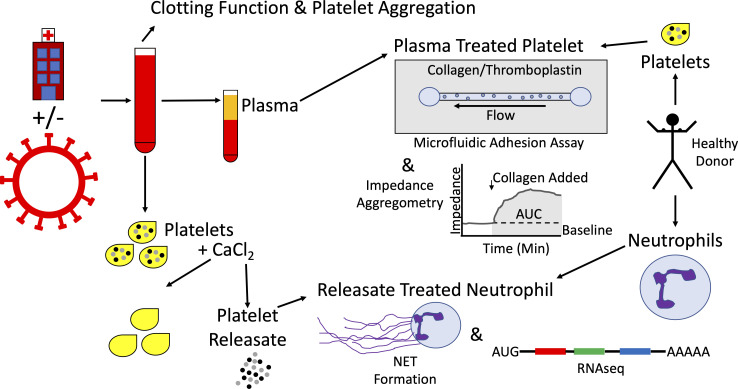
We treated platelets with COVID-19 patient and disease control plasma, and measured their aggregation response to collagen and adhesion in a microfluidic parallel plate flow chamber coated with collagen and thromboplastin. We exposed healthy neutrophils to platelet releasate from COVID-19 patients and disease controls and measured neutrophil extracellular trap formation and performed RNA sequencing.
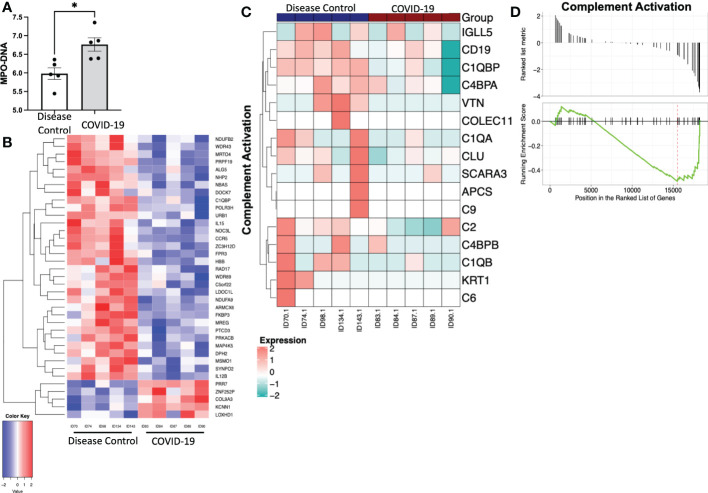
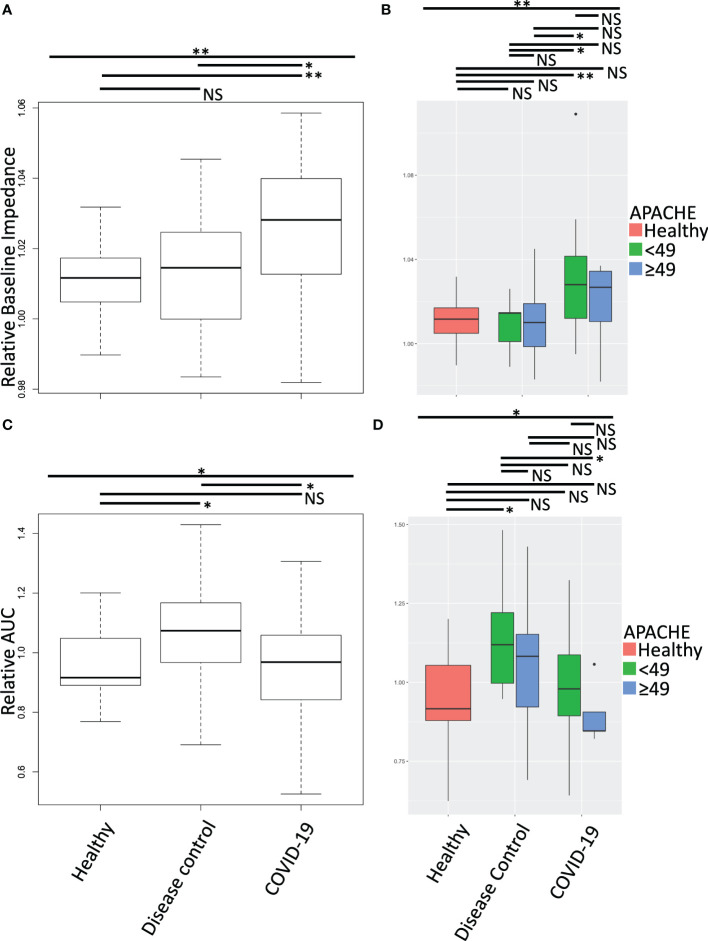
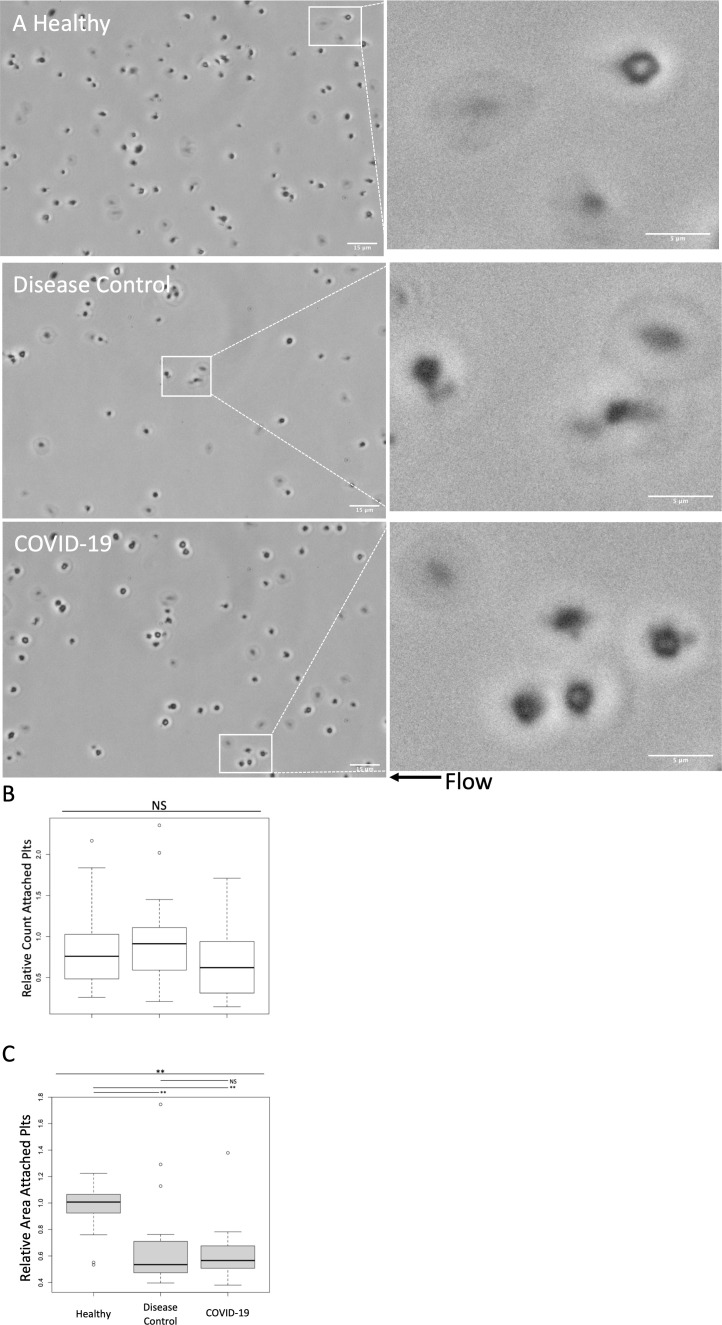
We found that COVID-19 patient plasma promoted auto-aggregation, thereby reducing response to further stimulation . Neither disease condition increased the number of platelets adhered to a collagen and thromboplastin coated parallel plate flow chamber, but both markedly reduced platelet size. COVID-19 patient platelet releasate increased myeloperoxidasedeoxyribonucleic acid complexes and induced changes to neutrophil gene expression.
Together these results suggest aspects of the soluble environment circulating platelets, and that the contents released from those neutrophil behavior independent of direct cellular contact.
血栓炎症并发症是 2019 年冠状病毒病(COVID-19)的典型后遗症,有证据表明,超反应性血小板和炎症性中性粒细胞生物学共同导致了血栓炎症环境。在其他血栓炎症性疾病中已经证明,循环环境可能会影响细胞行为,但 COVID-19 中这种环境对血小板和中性粒细胞的作用尚不清楚。我们检验了以下两个假设:1)COVID-19 患者的血浆可以诱导促血栓形成的血小板功能表型,2)来自 COVID-19 患者的血小板(血小板释放物)释放的物质可以诱导促炎中性粒细胞表型。
我们用 COVID-19 患者和疾病对照血浆处理血小板,并在涂有胶原蛋白和凝血酶原的微流控平行板流动室中测量其对胶原蛋白的聚集反应和粘附。我们将健康中性粒细胞暴露于 COVID-19 患者和疾病对照的血小板释放物中,并测量中性粒细胞细胞外陷阱的形成并进行 RNA 测序。
我们发现 COVID-19 患者血浆促进了自身聚集,从而降低了对进一步刺激的反应。两种疾病状况都没有增加粘附在胶原蛋白和凝血酶原涂覆的平行板流动室上的血小板数量,但都显著减小了血小板的大小。COVID-19 患者的血小板释放物增加了髓过氧化物酶脱氧核糖核酸复合物,并诱导中性粒细胞基因表达发生变化。
这些结果共同表明了循环血小板的可溶性环境的某些方面,以及这些内容物在没有直接细胞接触的情况下释放对中性粒细胞行为的影响。