Bowles Center for Alcohol Studies, University of North Carolina School of Medicine, Chapel Hill, NC, USA.
Curriculum in Neuroscience, University of North Carolina School of Medicine, Chapel Hill, NC, USA.
Nat Commun. 2023 Mar 31;14(1):1800. doi: 10.1038/s41467-023-36808-2.
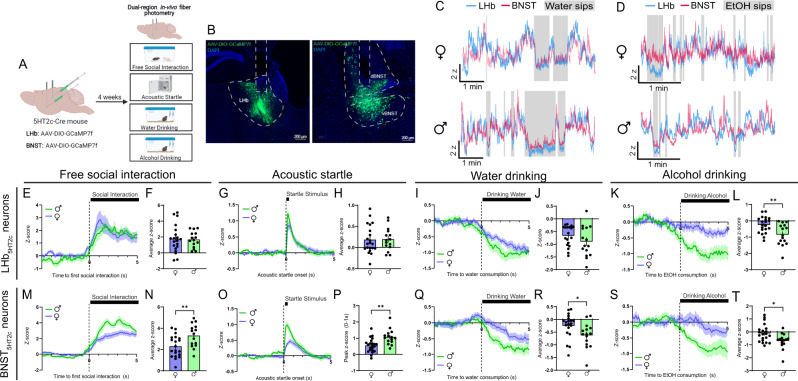
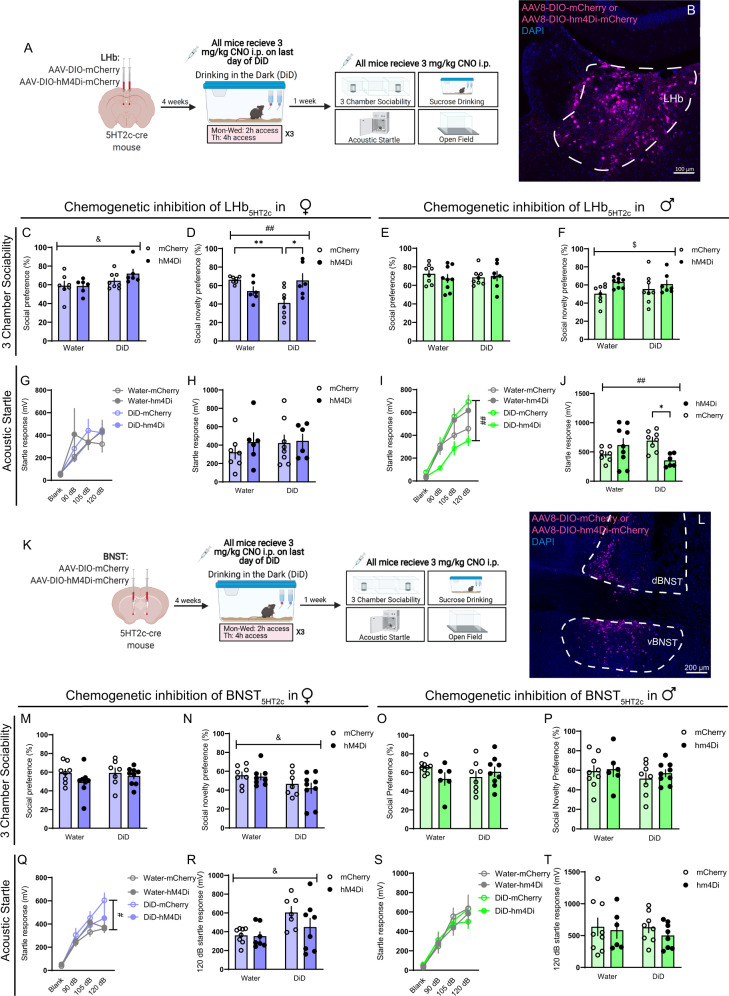
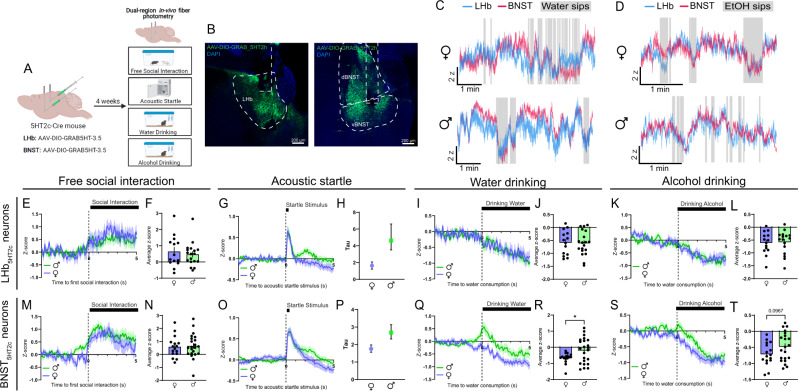
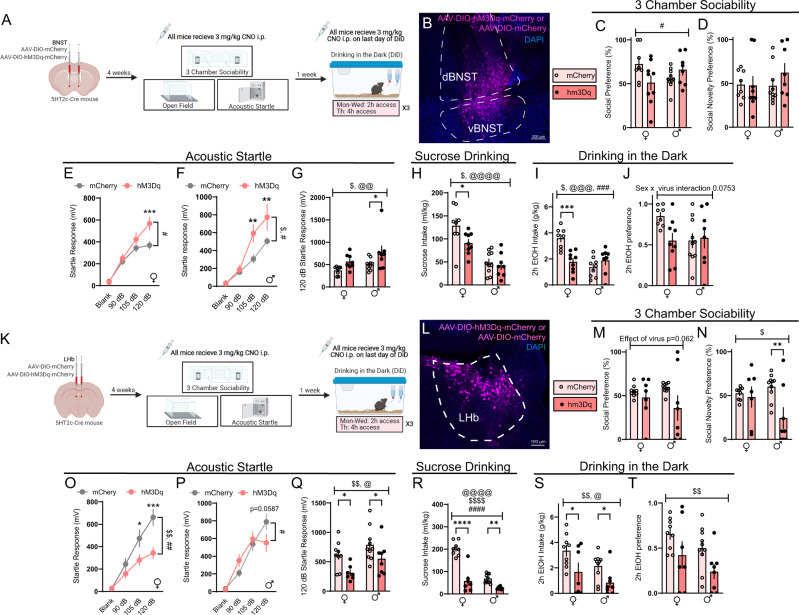
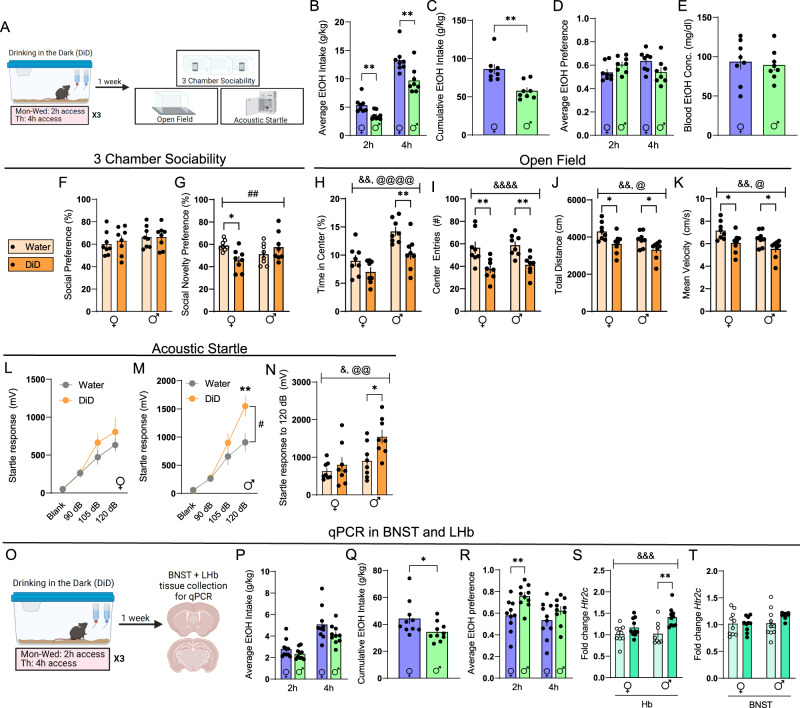
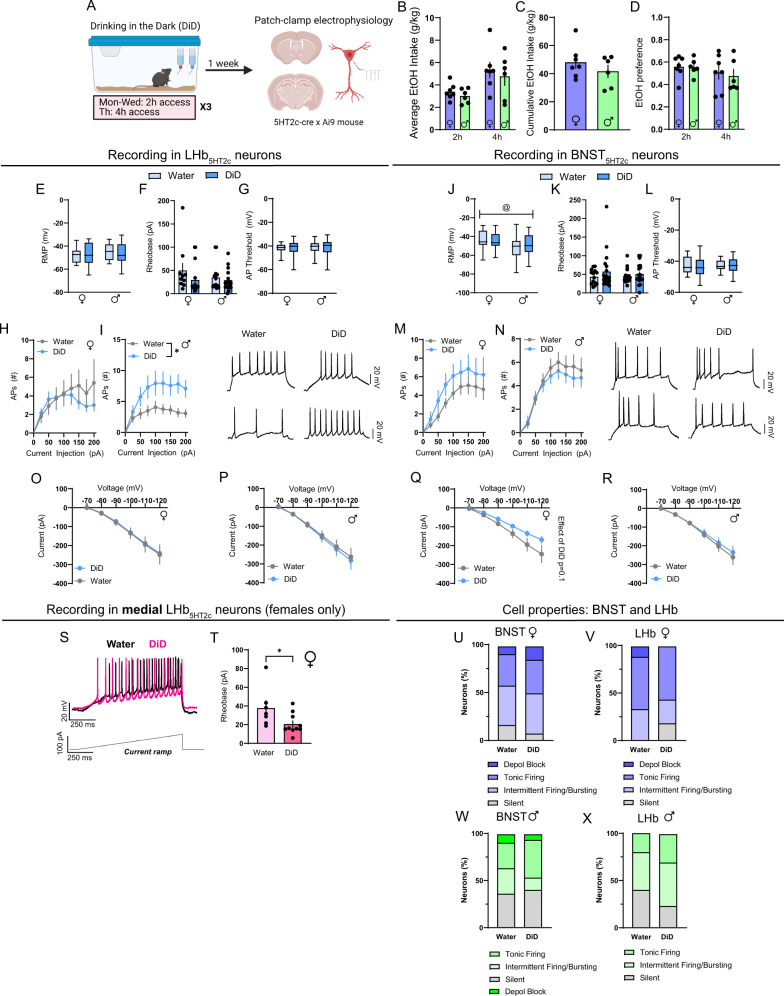
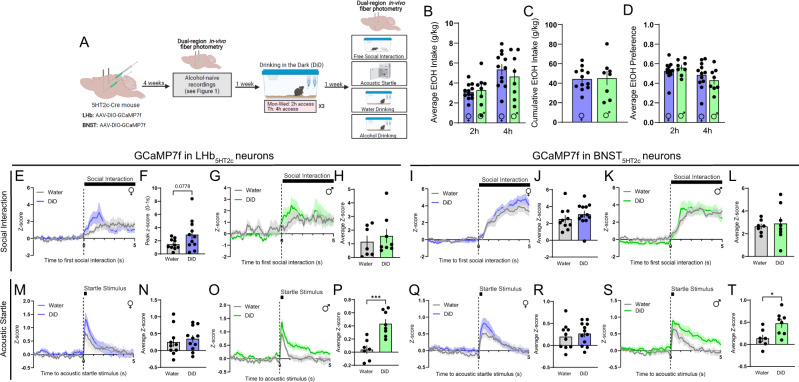
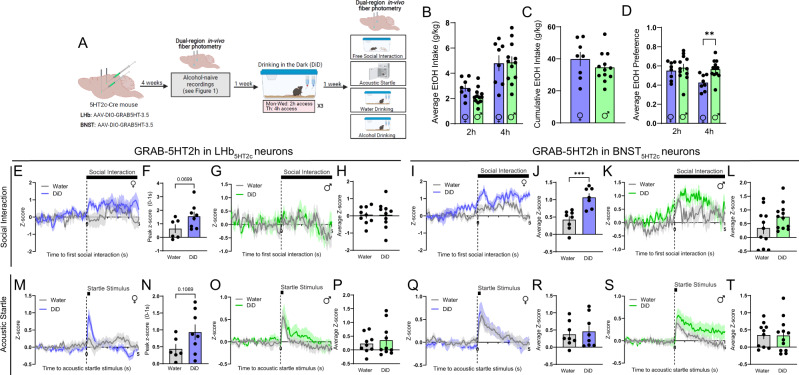
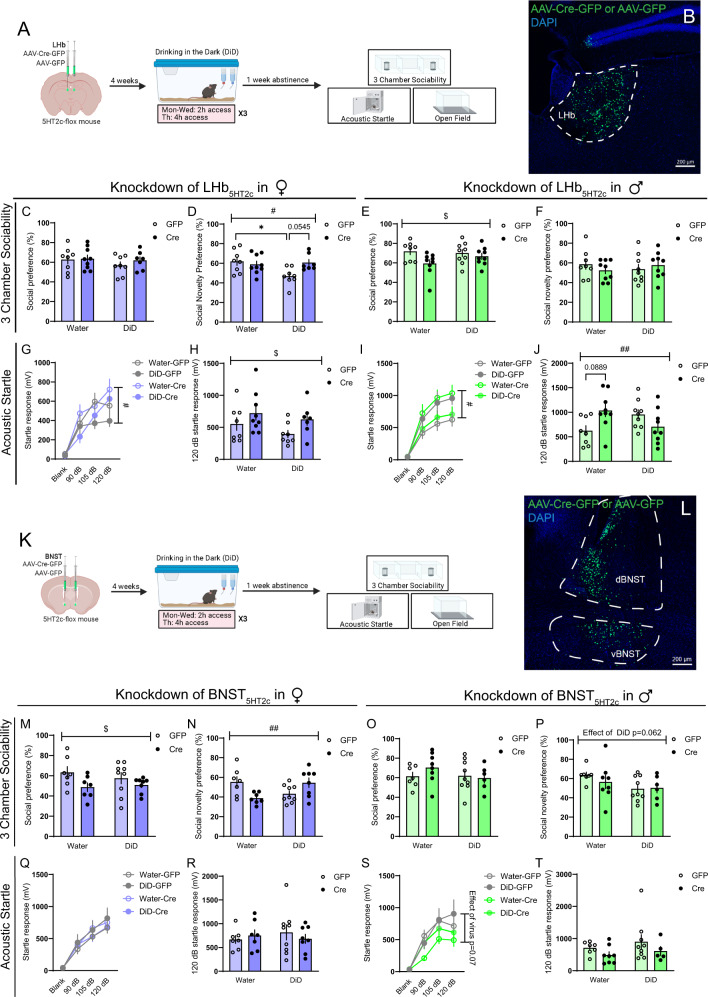
Binge alcohol consumption induces discrete social and arousal disturbances in human populations that promote increased drinking and accelerate the progression of Alcohol Use Disorder. Here, we show in a mouse model that binge alcohol consumption disrupts social recognition in females and potentiates sensorimotor arousal in males. These negative behavioral outcomes were associated with sex-specific adaptations in serotonergic signaling systems within the lateral habenula (LHb) and the bed nucleus of the stria terminalis (BNST), particularly those related to the receptor 5HT. While both BNST and LHb neurons expressing this receptor display potentiated activation following binge alcohol consumption, the primary causal mechanism underlying the effects of alcohol on social and arousal behaviors appears to be excessive activation of LHb neurons. These findings may have valuable implications for the development of sex-specific treatments for mood and alcohol use disorders targeting the brain's serotonin system.
binge 饮酒会在人群中引起离散的社交和觉醒障碍,从而促进饮酒量的增加,并加速酒精使用障碍的进展。在这里,我们在小鼠模型中表明, binge 饮酒会破坏雌性动物的社交识别能力,并增强雄性动物的感觉运动觉醒。这些负面行为结果与外侧缰核 (LHb) 和终纹床核 (BNST) 内 5-羟色胺能信号系统中的性别特异性适应有关,特别是与受体 5HT 有关。虽然表达这种受体的 BNST 和 LHb 神经元在 binge 饮酒后表现出增强的激活,但酒精对社交和觉醒行为影响的主要因果机制似乎是 LHb 神经元的过度激活。这些发现对于开发针对大脑 5-羟色胺系统的针对情绪和酒精使用障碍的性别特异性治疗方法可能具有重要意义。