Nguyen Thuy-Tien T, Katt William P, Cerione Richard A
Department of Chemistry & Chemical Biology, Cornell University, Ithaca, NY 14853, USA.
Department of Molecular Medicine, Cornell University, Ithaca, NY 14853, USA.
Future Drug Discov. 2023 Mar;4(4):FDD79. doi: 10.4155/fdd-2022-0011. Epub 2023 Mar 27.
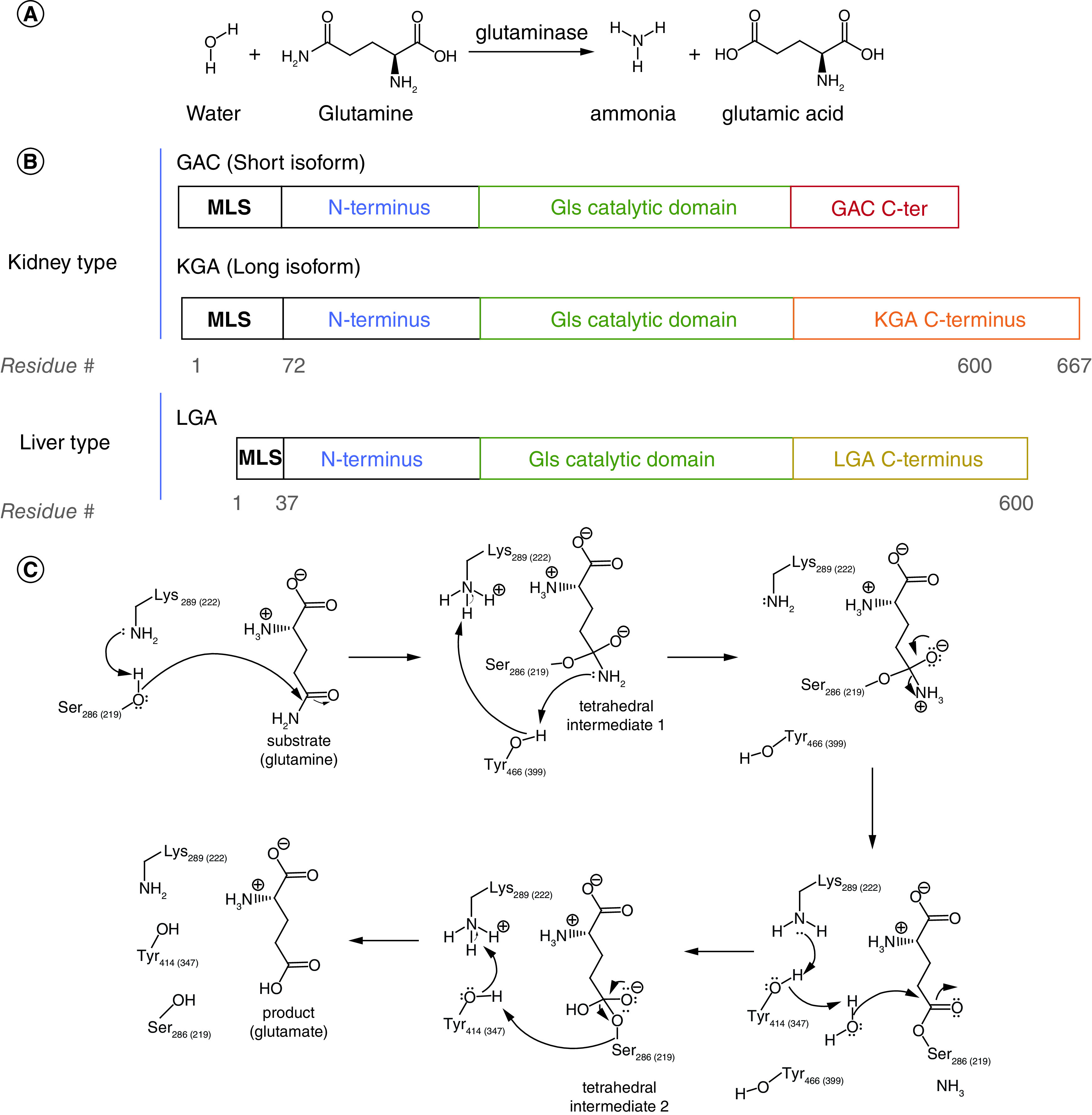
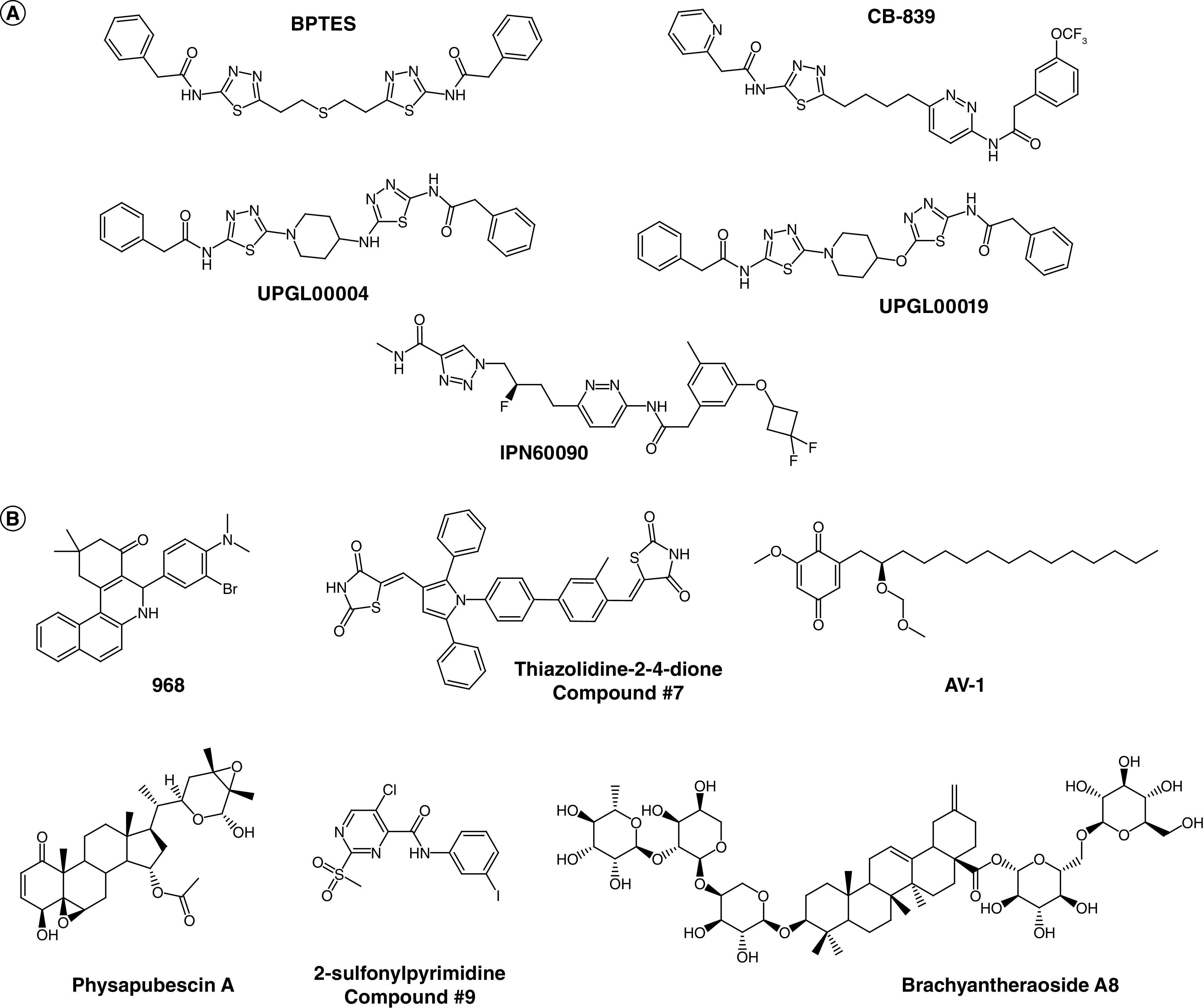
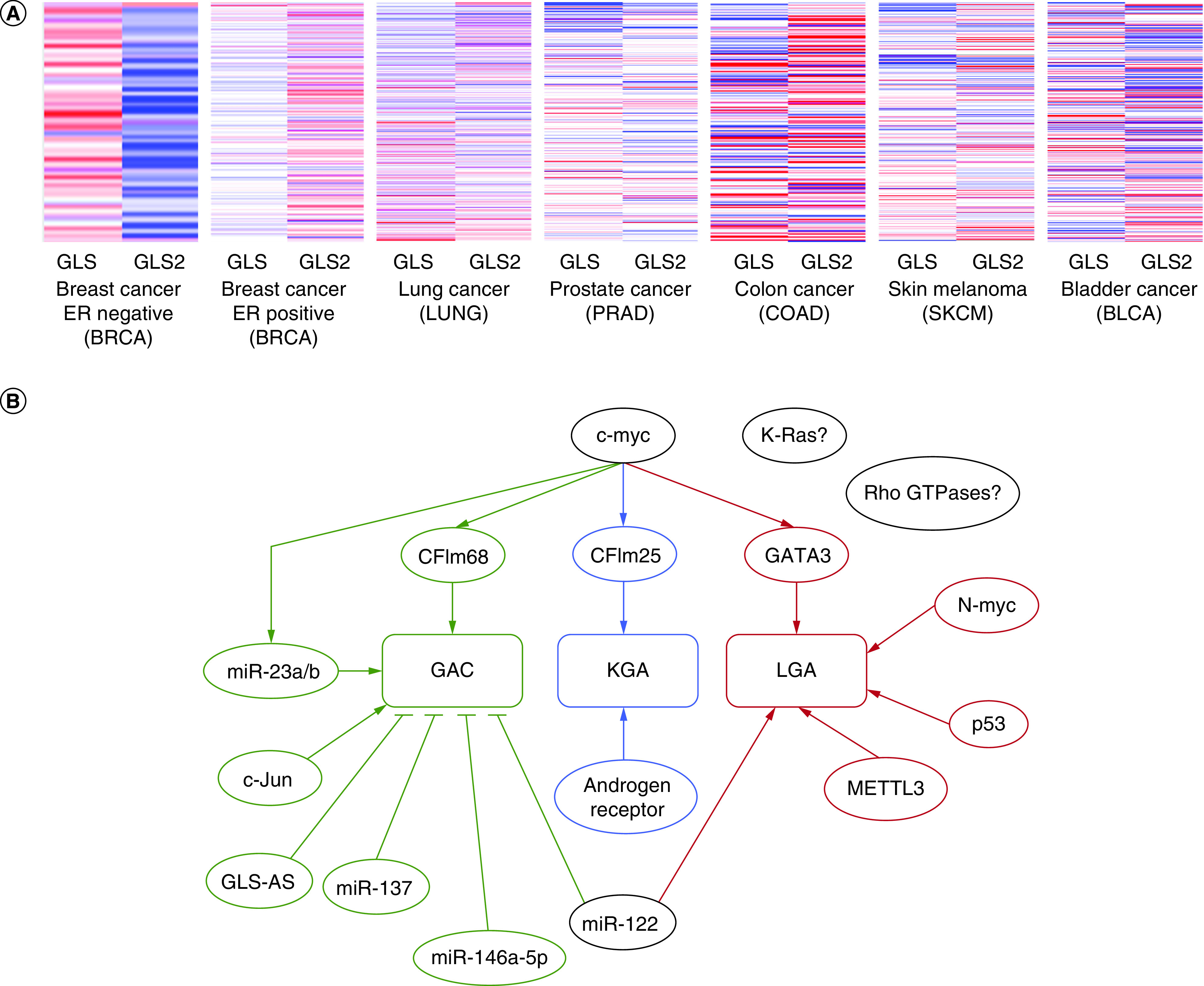
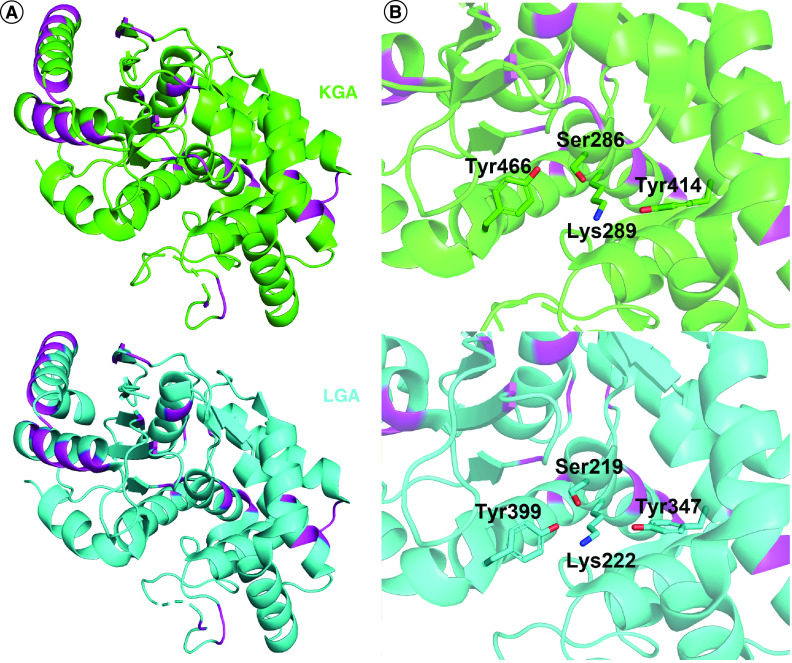
Metabolic reprogramming is a major hallmark of malignant transformation in cancer, and part of the so-called Warburg effect, in which the upregulation of glutamine catabolism plays a major role. The glutaminase enzymes convert glutamine to glutamate, which initiates this pathway. Inhibition of different forms of glutaminase (KGA, GAC, or LGA) demonstrated potential as an emerging anti-cancer therapeutic strategy. The regulation of these enzymes, and the molecular basis for their inhibition, have been the focus of much recent research. This review will explore the recent progress in understanding the molecular basis for activation and inhibition of different forms of glutaminase, as well as the recent focus on combination therapies of glutaminase inhibitors with other anti-cancer drugs.
代谢重编程是癌症恶性转化的一个主要标志,也是所谓的瓦伯格效应的一部分,其中谷氨酰胺分解代谢的上调起主要作用。谷氨酰胺酶将谷氨酰胺转化为谷氨酸,从而启动这条途径。抑制不同形式的谷氨酰胺酶(KGA、GAC或LGA)已显示出作为一种新兴抗癌治疗策略的潜力。这些酶的调控及其抑制的分子基础一直是近期许多研究的重点。本综述将探讨在理解不同形式谷氨酰胺酶激活和抑制的分子基础方面的最新进展,以及近期对谷氨酰胺酶抑制剂与其他抗癌药物联合治疗的关注。