Department of Neurology, Faculty of Medicine, Heinrich-Heine-University, 40225 Düsseldorf, Germany.
Institut für Anorganische Chemie und Strukturchemie, Heinrich-Heine-University, 40204 Düsseldorf, Germany.
Int J Mol Sci. 2022 May 13;23(10):5479. doi: 10.3390/ijms23105479.
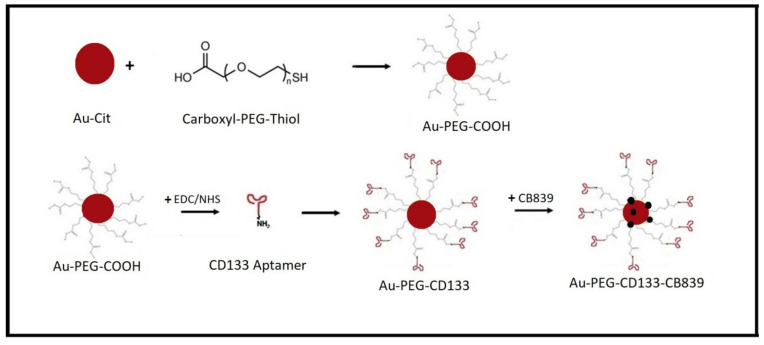
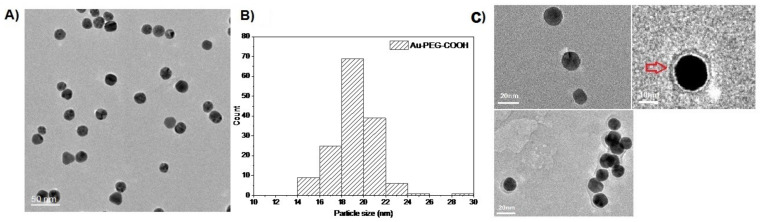
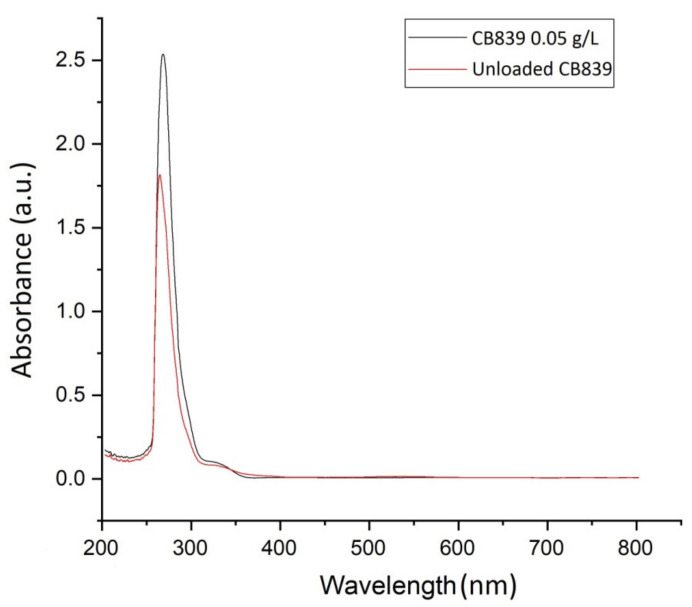
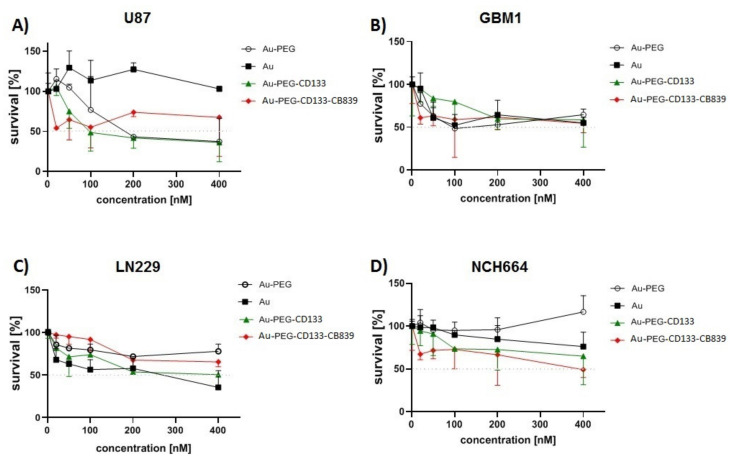
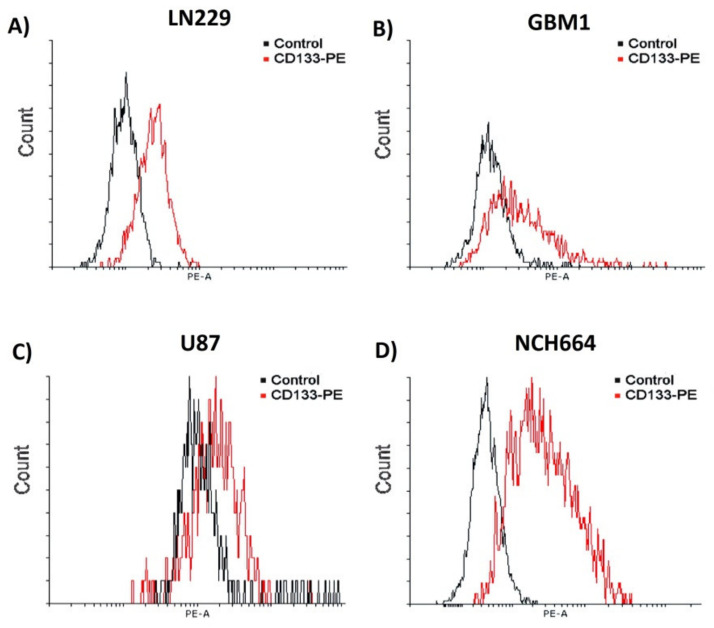
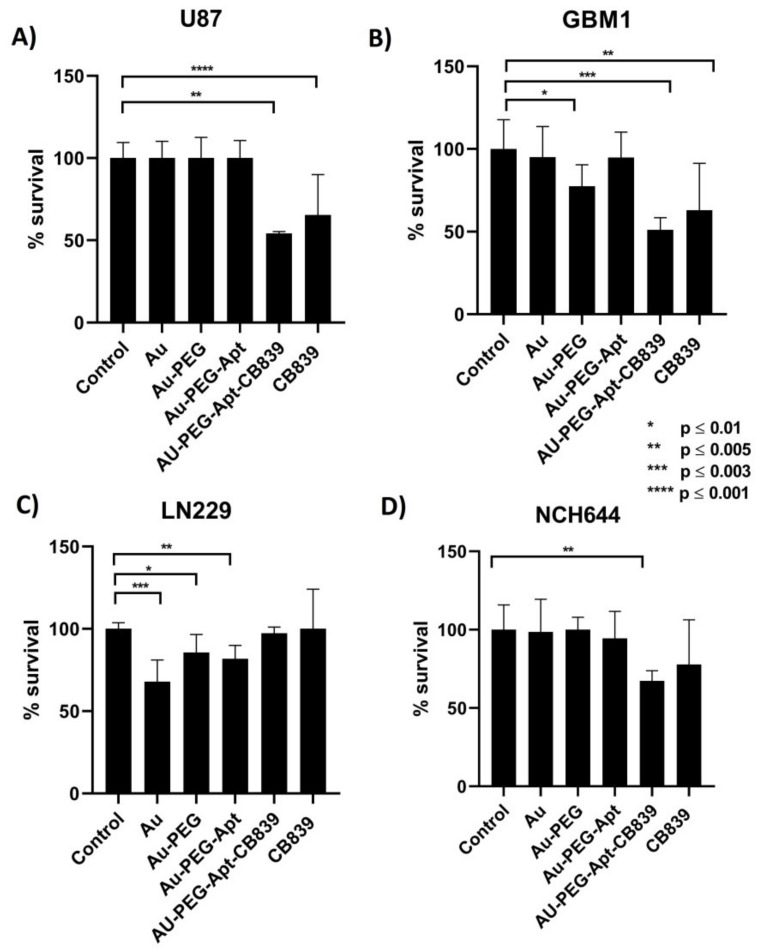
The failure of a long-lasting curative therapeutic benefit of currently applied chemotherapies against malignant cancers is suggested to be caused by the ineffectiveness of such interventions on cancer stem cells (CSCs). CD133/AC133 is a cell surface protein previously shown to have potential to identify CSCs in various tumors, including brain tumors. Moreover, an increase in the rate of cellular metabolism of glutamine and glucose are contributors to the fast cellular proliferation of some high-grade malignancies. Inhibition of glutaminolysis by utilizing pharmacological inhibitors of the enzyme glutaminase 1 (GLS1) can be an effective anti-CSC strategy. In this study, the clinical-stage GLS1 inhibitor Telaglenastat (CB-839) was loaded into PEGylated gold nanoparticles equipped with the covalently conjugated CD133 aptamer (Au-PEG-CD133-CB-839) and exposed to a collection of CD133-positive brain tumor models in vitro. Our results show that Au-PEG-CD133-CB-839 significantly decreased the viability of CD133-postive cancer cells in a dose-dependent manner, which was higher as compared to the effects of treatment of the cells with the individual components of the assembled nanodrug. Interestingly, the treatment effect was observed in glioblastoma stem cells modeling different transcriptomic subtypes of the disease. The presented platform is the fundament for subsequent target specificity characterization and in vivo application.
目前应用的化疗对恶性癌症的长期治疗效果不佳,这表明这些干预措施对癌症干细胞(CSC)无效。CD133/AC133 是一种细胞表面蛋白,先前已显示出有潜力在各种肿瘤中识别 CSC,包括脑肿瘤。此外,谷氨酰胺和葡萄糖的细胞代谢率增加是某些高级别恶性肿瘤快速细胞增殖的原因之一。通过利用谷氨酰胺酶 1(GLS1)的药理学抑制剂抑制谷氨酰胺分解可以成为一种有效的抗 CSC 策略。在这项研究中,临床阶段的 GLS1 抑制剂 Telaglenastat(CB-839)被装载到配备共价连接的 CD133 适体(Au-PEG-CD133-CB-839)的聚乙二醇化金纳米粒子中,并在体外暴露于一系列 CD133 阳性脑肿瘤模型中。我们的结果表明,Au-PEG-CD133-CB-839 以剂量依赖性方式显著降低 CD133 阳性癌细胞的活力,与单独使用组装纳米药物的各个成分处理细胞的效果相比更高。有趣的是,在模拟疾病不同转录亚型的神经胶质瘤干细胞中观察到了治疗效果。所提出的平台是后续靶向特异性表征和体内应用的基础。