Nielsen Søren Saxmose, Alvarez Julio, Bicout Dominique Joseph, Calistri Paolo, Canali Elisabetta, Drewe Julian Ashley, Garin-Bastuji Bruno, Gonzales Rojas Jose Luis, Gortazar Schmidt Christian, Herskin Mette, Michel Virginie, Miranda Chueca Miguel Angel, Padalino Barbara, Pasquali Paolo, Roberts Helen Clare, Spoolder Hans, Stahl Karl, Velarde Antonio, Viltrop Arvo, Jensen Margit Bak, Waiblinger Susanne, Candiani Denise, Lima Eliana, Mosbach-Schulz Olaf, Van der Stede Yves, Vitali Marika, Winckler Christoph
EFSA J. 2023 Mar 29;21(3):e07896. doi: 10.2903/j.efsa.2023.7896. eCollection 2023 Mar.
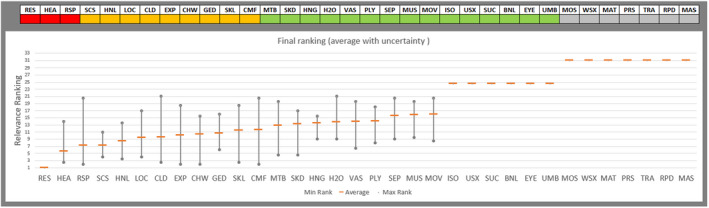
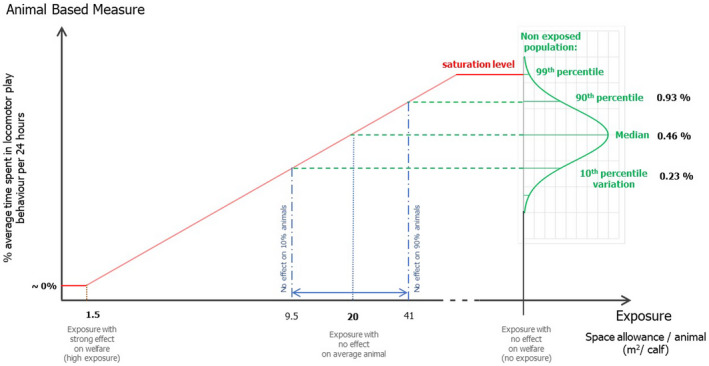
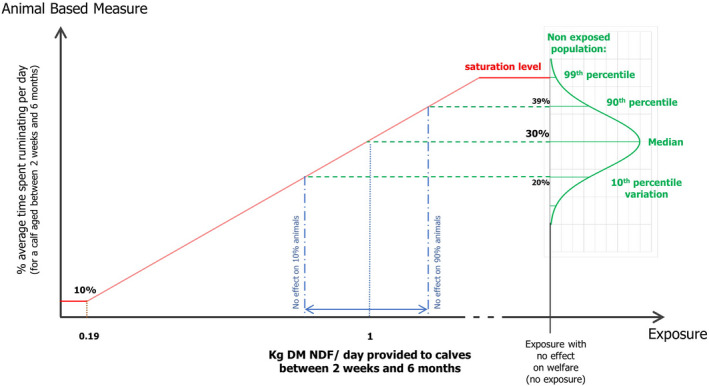
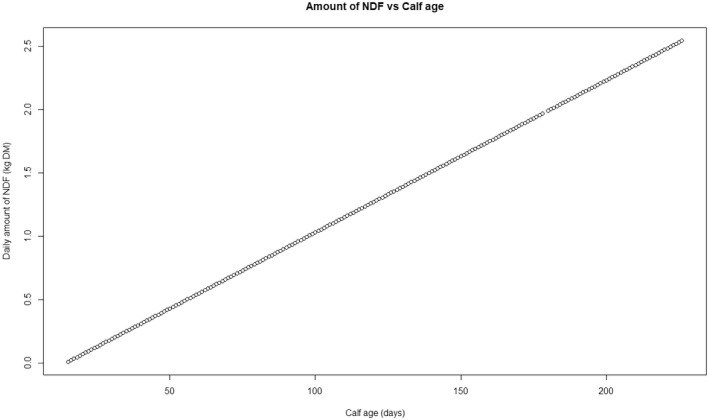
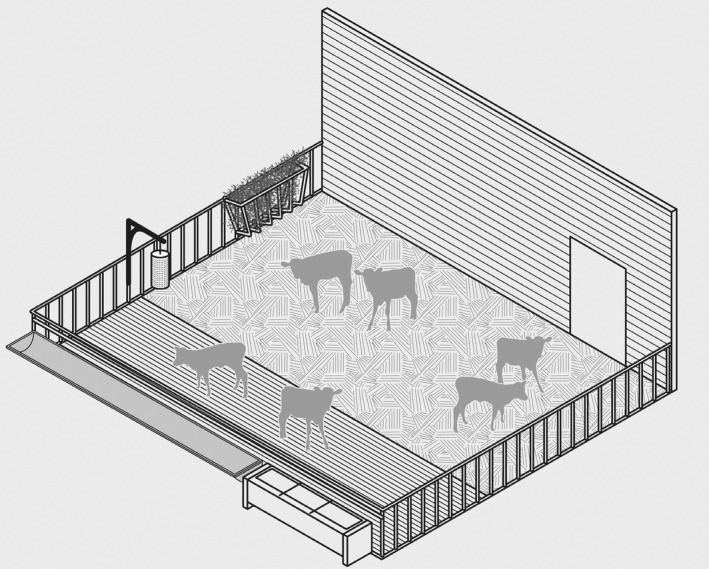
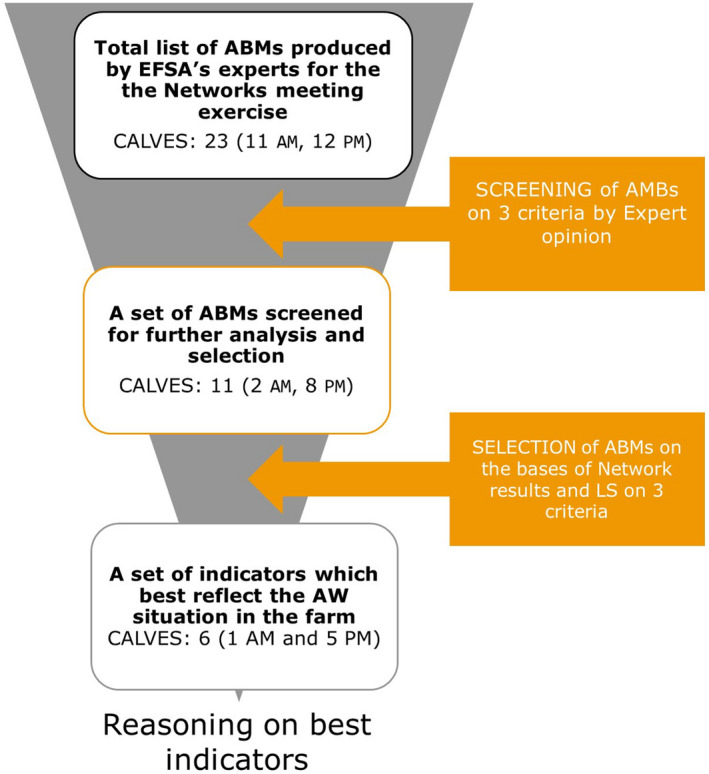
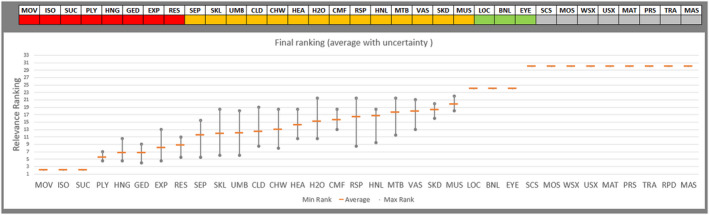
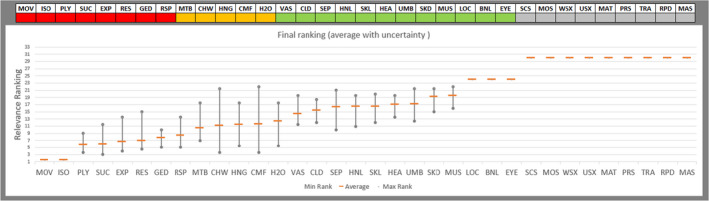
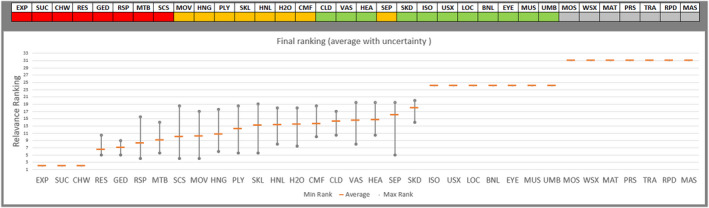
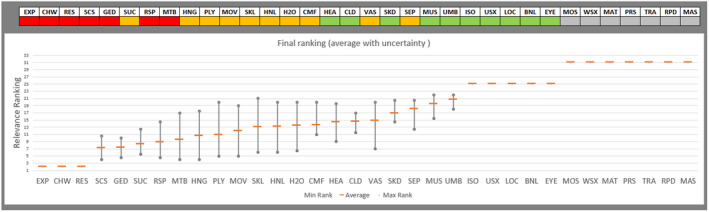
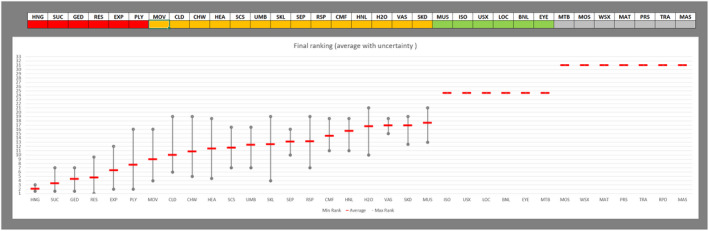
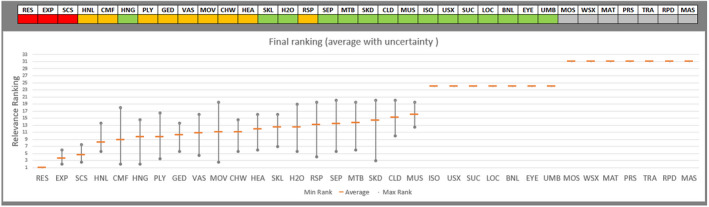
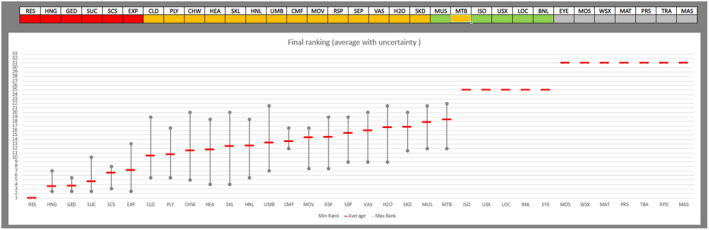
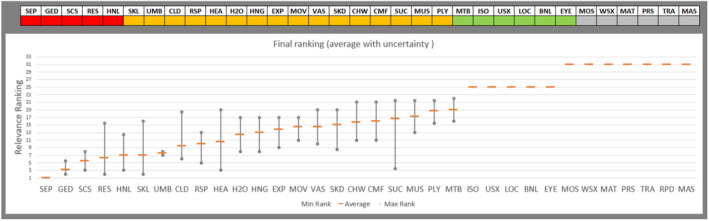
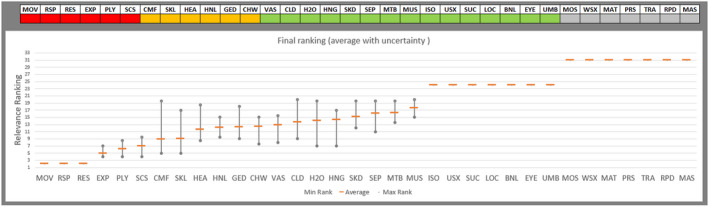
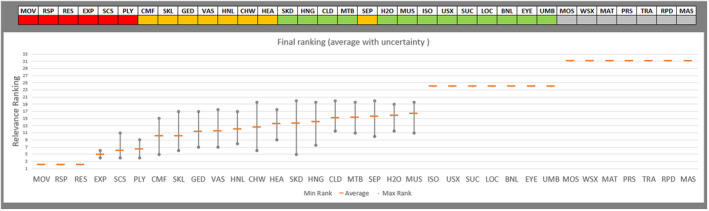
This Scientific Opinion addresses a European Commission request on the welfare of calves as part of the Farm to Fork strategy. EFSA was asked to provide a description of common husbandry systems and related welfare consequences, as well as measures to prevent or mitigate the hazards leading to them. In addition, recommendations on three specific issues were requested: welfare of calves reared for white veal (space, group housing, requirements of iron and fibre); risk of limited cow-calf contact; and animal-based measures (ABMs) to monitor on-farm welfare in slaughterhouses. The methodology developed by EFSA to address similar requests was followed. Fifteen highly relevant welfare consequences were identified, with respiratory disorders, inability to perform exploratory or foraging behaviour, gastroenteric disorders and group stress being the most frequent across husbandry systems. Recommendations to improve the welfare of calves include increasing space allowance, keeping calves in stable groups from an early age, ensuring good colostrum management and increasing the amounts of milk fed to dairy calves. In addition, calves should be provided with deformable lying surfaces, water via an open surface and long-cut roughage in racks. Regarding specific recommendations for veal systems, calves should be kept in small groups (2-7 animals) within the first week of life, provided with ~ 20 m/calf and fed on average 1 kg neutral detergent fibre (NDF) per day, preferably using long-cut hay. Recommendations on cow-calf contact include keeping the calf with the dam for a minimum of 1 day post-partum. Longer contact should progressively be implemented, but research is needed to guide this implementation in practice. The ABMs body condition, carcass condemnations, abomasal lesions, lung lesions, carcass colour and bursa swelling may be collected in slaughterhouses to monitor on-farm welfare but should be complemented with behavioural ABMs collected on farm.
本科学意见是应欧盟委员会要求,作为“从农场到餐桌”战略的一部分,针对犊牛福利问题而发布的。欧盟食品安全局被要求描述常见的饲养系统及其相关的福利影响,以及预防或减轻导致这些影响的危害的措施。此外,还就三个具体问题提出了建议:用于生产白牛肉的犊牛的福利(空间、群居饲养、铁和纤维需求);母牛与犊牛接触有限的风险;以及用于监测屠宰场农场动物福利的基于动物的措施(ABMs)。遵循了欧盟食品安全局为处理类似要求而制定的方法。确定了15个高度相关的福利影响,其中呼吸系统疾病、无法进行探索或觅食行为、胃肠疾病和群体应激在各种饲养系统中最为常见。改善犊牛福利的建议包括增加空间供应量、从小就让犊牛保持稳定的群体、确保良好的初乳管理以及增加喂给奶牛犊的牛奶量。此外,应给犊牛提供可变形的躺卧表面、通过开放表面提供水以及在架子上放置长切粗饲料。关于小牛肉系统的具体建议,犊牛应在出生后第一周内以小群体(2 - 7头动物)饲养,每头犊牛提供约20平方米的空间,平均每天饲喂1千克中性洗涤纤维(NDF),最好使用长切干草。关于母牛与犊牛接触的建议包括产后让犊牛与母牛至少接触1天。应逐步增加接触时间,但需要开展研究以指导实际操作中的实施。屠宰场可收集基于动物的措施(ABMs)的身体状况、胴体判废情况、皱胃病变、肺部病变、胴体颜色和囊泡肿胀情况,以监测农场动物福利,但应以在农场收集的行为性基于动物的措施(ABMs)作为补充。