Wang Xuesong, Liu Dongsong, Li Dan, Yan Jiai, Yang Ju, Zhong Xiaohui, Xu Qin, Xu Yuanze, Xia Yanping, Wang Qinyue, Cao Hong, Zhang Feng
Affiliated Hospital of Jiangnan University, Wuxi, China.
School of Medicine, Nantong University, Nantong, China.
Nutr Metab (Lond). 2023 Apr 4;20(1):22. doi: 10.1186/s12986-023-00735-2.
To investigate the ameliorative effects of glucosamine (GS), chondroitin sulphate (CS) and glucosamine plus chondroitin sulphate (GC) on rheumatoid arthritis (RA) in rats, and to explore the mechanism of GS, CS and GC in improving RA based on the gut microbiota.
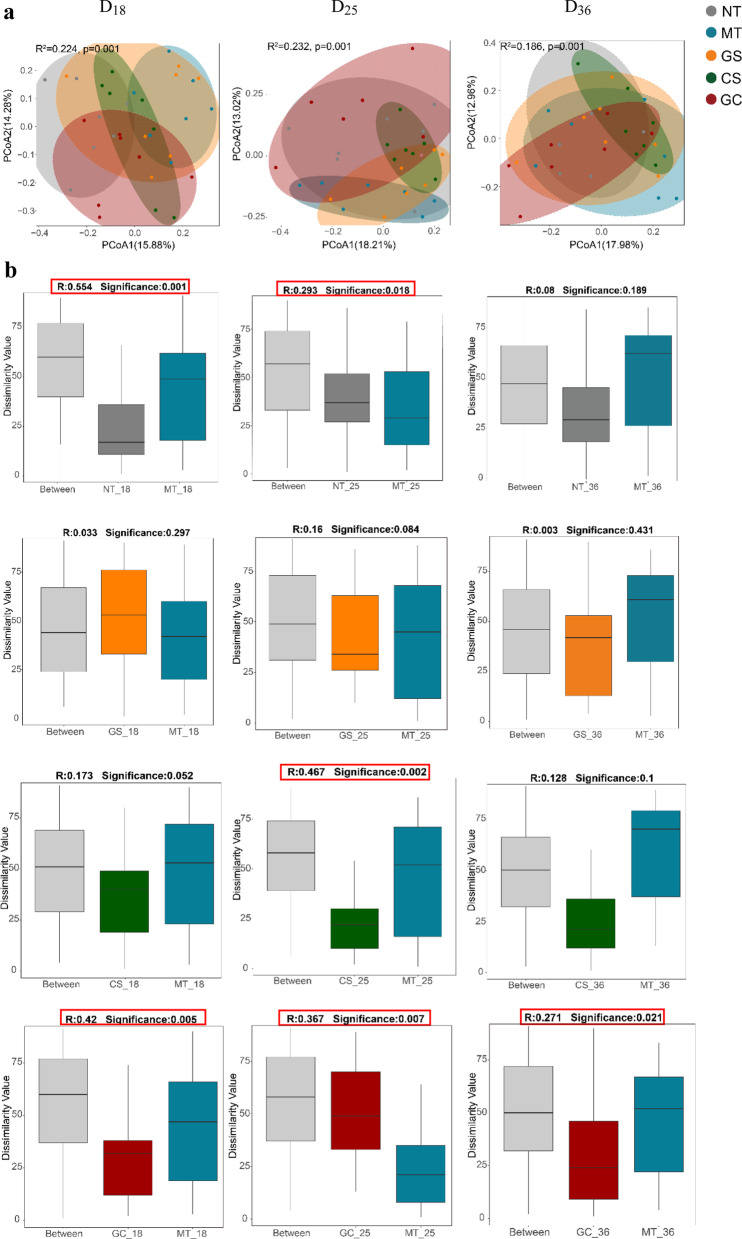
RA rat models were effectively developed 14 days after CFA injection, and then garaged with GS, CS and GC. Body weight and paw volume of rats were monitored at multiple time points at the beginning of CFA injection. Until D, serum and ankle tissue specimens were used to measure levels of circulating inflammatory factors (TNF-α, IL-1β, MMP-3, NO and PGE) and local inflammatory indicators (TLR-4 and NF-κB). On D, D, and D, intergroup gut microbiota was compared using 16S rRNA gene sequencing and bioinformatics analysis. We also performed the correlation analysis of gut bacteria, joint swelling and inflammatory indicators.
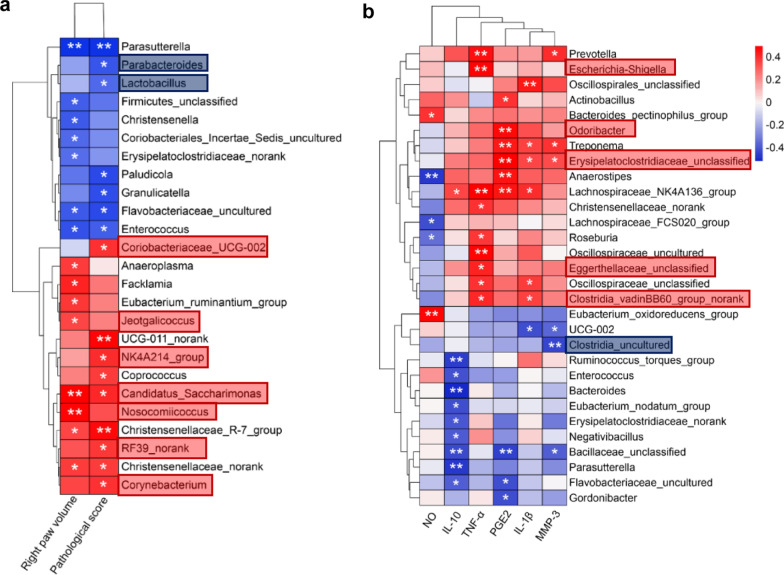
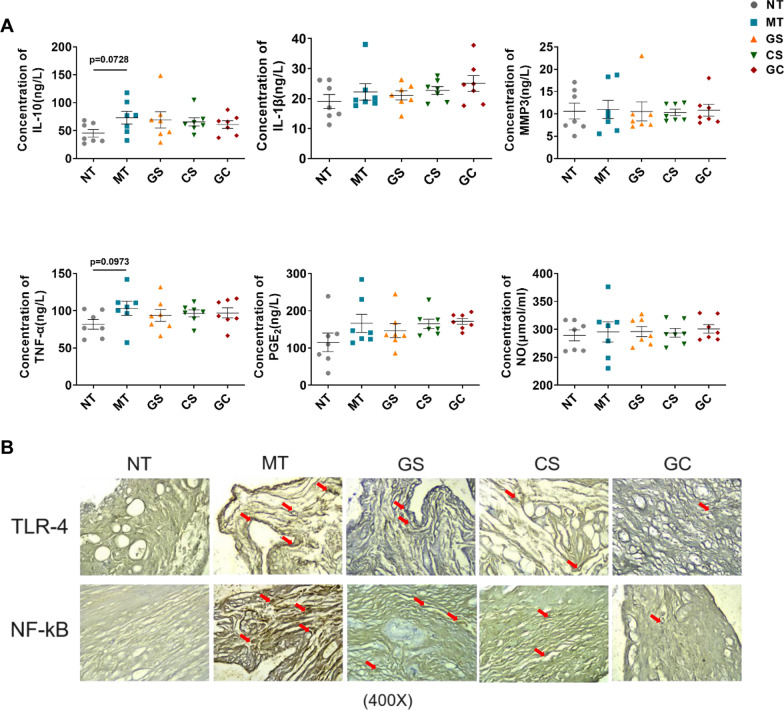
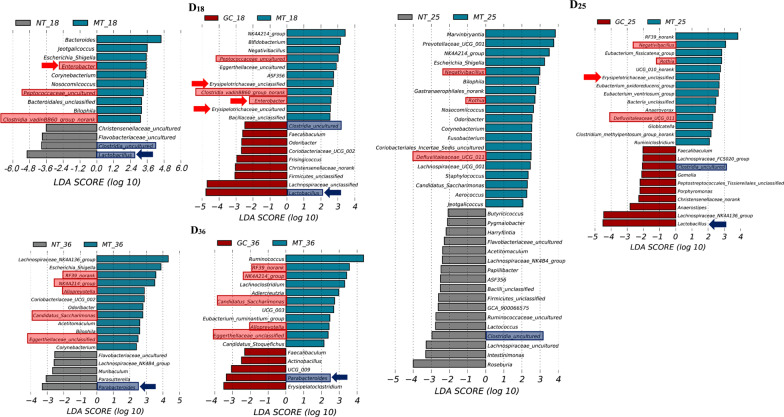
GC, rather than GS and CS, could reduce right paw volumes, levels of TLR-4 and NF-κB in synovial tissues. In addition, enriched genera in RA model rats screened out by LEfSe analysis could be inhibited by GC intervention, including potential LPS-producing bacteria (Enterobacter, Bacteroides, Erysipelotrichaceae_unclassified and Erysipelotrichaceae_uncultured) and some other opportunistic pathogens (Esherichia_Shigella, Nosocomiicoccus, NK4A214_group, Odoribacter, Corynebacterium and Candidatus_Saccharimonas.etc.) that positively correlated with pro-inflammatory cytokines, right paw volume, and pathology scores. Furthermore, the gut microbiota dysbiosis was observed to recover before alleviating joint swelling after interventions.
GC could inhibit potential LPS-producing bacteria and the activation of TLR-4/NF-κB pathway in RA rats, thus alleviating RA-induced joint injury.
研究氨基葡萄糖(GS)、硫酸软骨素(CS)以及氨基葡萄糖加硫酸软骨素(GC)对大鼠类风湿性关节炎(RA)的改善作用,并基于肠道微生物群探索GS、CS和GC改善RA的机制。
在注射弗氏完全佐剂(CFA)14天后有效建立RA大鼠模型,然后用GS、CS和GC进行灌胃。在注射CFA开始时的多个时间点监测大鼠的体重和爪体积。直至第[具体天数],采集血清和踝关节组织标本以测量循环炎症因子(TNF-α、IL-1β、MMP-3、NO和PGE)水平以及局部炎症指标(TLR-4和NF-κB)。在第[具体天数]、[具体天数]和[具体天数],使用16S rRNA基因测序和生物信息学分析比较组间肠道微生物群。我们还进行了肠道细菌、关节肿胀和炎症指标的相关性分析。
GC而非GS和CS能够减小右爪体积,降低滑膜组织中TLR-4和NF-κB的水平。此外,通过线性判别分析效应大小(LEfSe)分析筛选出的RA模型大鼠中富集的菌属可被GC干预抑制,包括潜在的产LPS细菌(肠杆菌属、拟杆菌属、丹毒丝菌科未分类和未培养的丹毒丝菌科)以及其他一些与促炎细胞因子、右爪体积和病理评分呈正相关的机会性病原体(埃希氏菌属-志贺氏菌属、医院球菌属、NK4A214组、气味杆菌属、棒状杆菌属和暂定糖单胞菌属等)。此外,观察到在干预后关节肿胀减轻之前肠道微生物群失调有所恢复。
GC可抑制RA大鼠中潜在的产LPS细菌以及TLR-4/NF-κB途径的激活,从而减轻RA诱导的关节损伤。