Sulamanidze Constantin, Lanfranchi Luciano, Diaspro Alberto
Plastic and Reconstructive Surgeon at Total Charm Clinic of Plastic and Aesthetic Surgery, Tbilisi, Georgia.
Plastic and Reconstructive Surgeon, Milan, Italy.
Plast Reconstr Surg Glob Open. 2023 Apr 3;11(4):e4907. doi: 10.1097/GOX.0000000000004907. eCollection 2023 Apr.
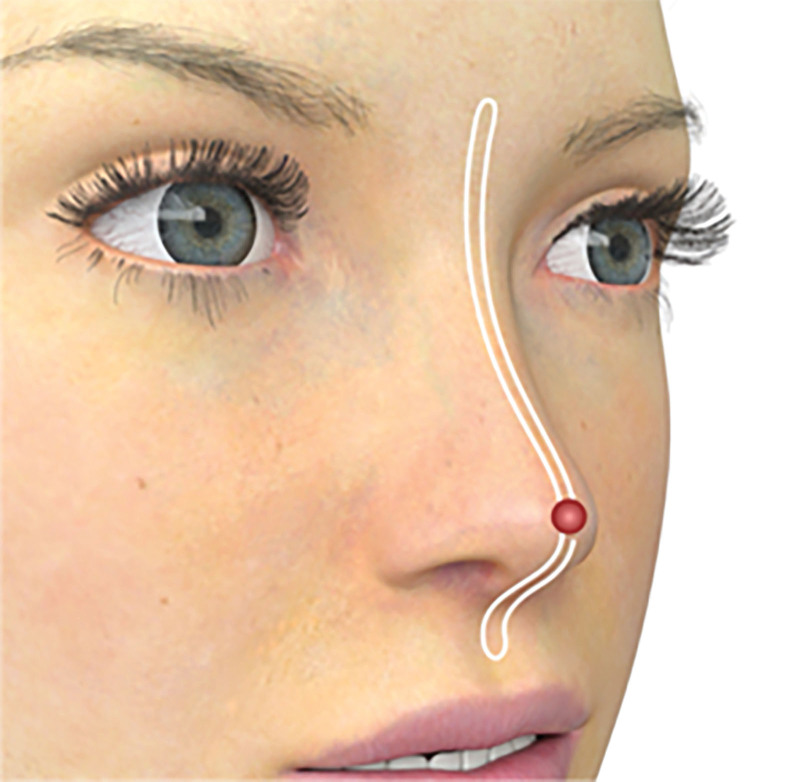
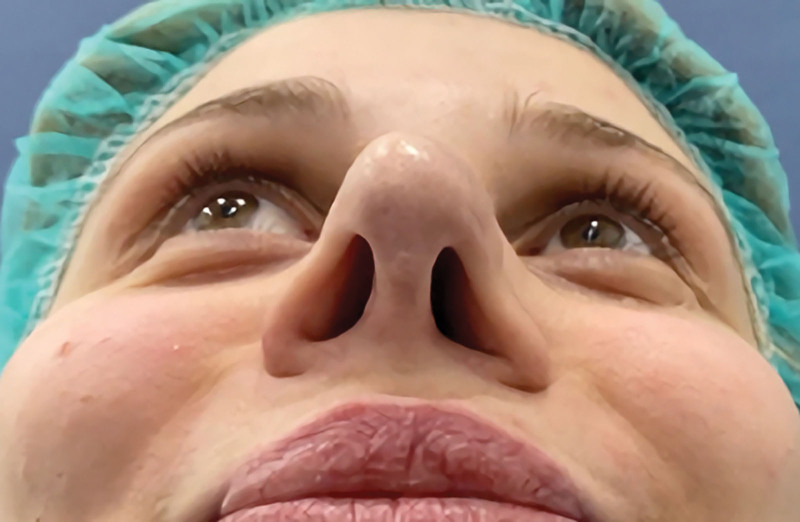
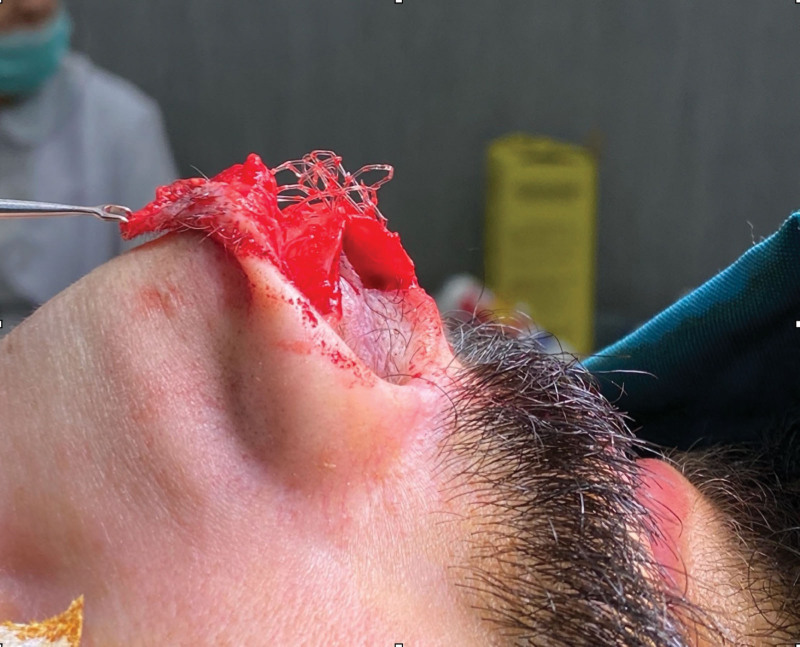
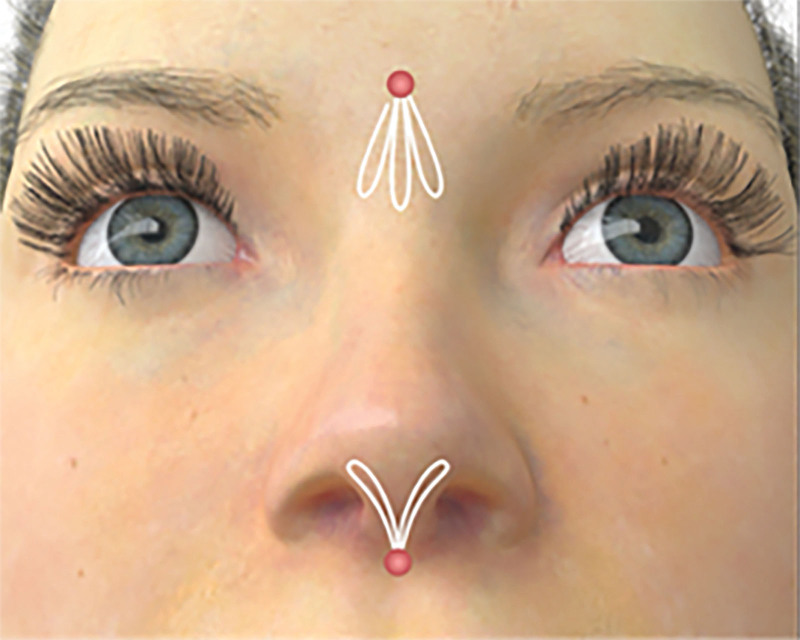
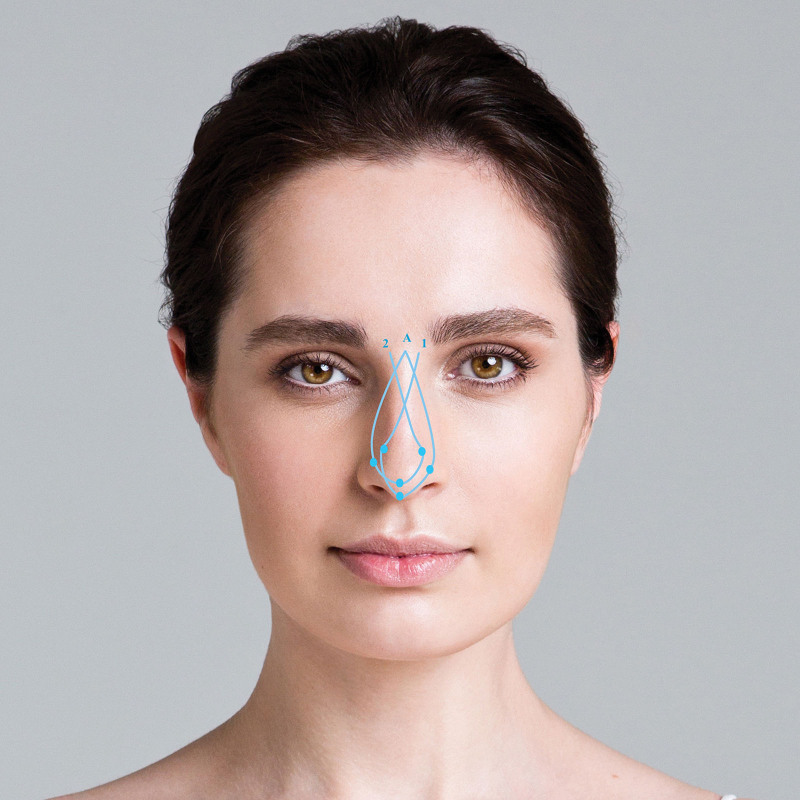
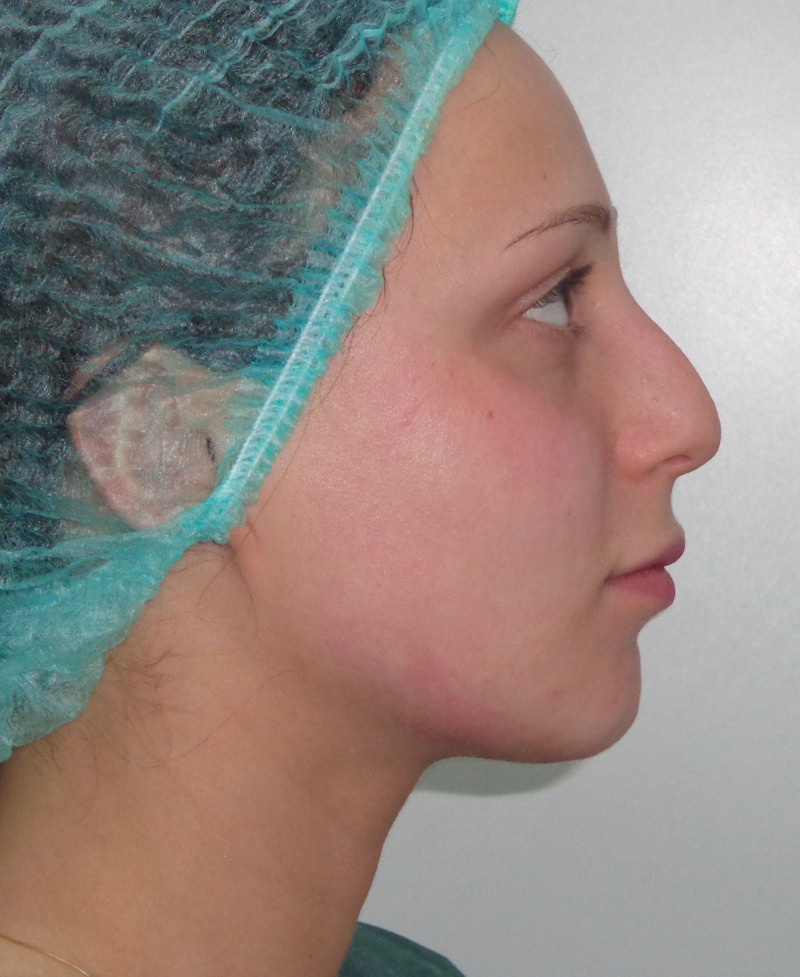
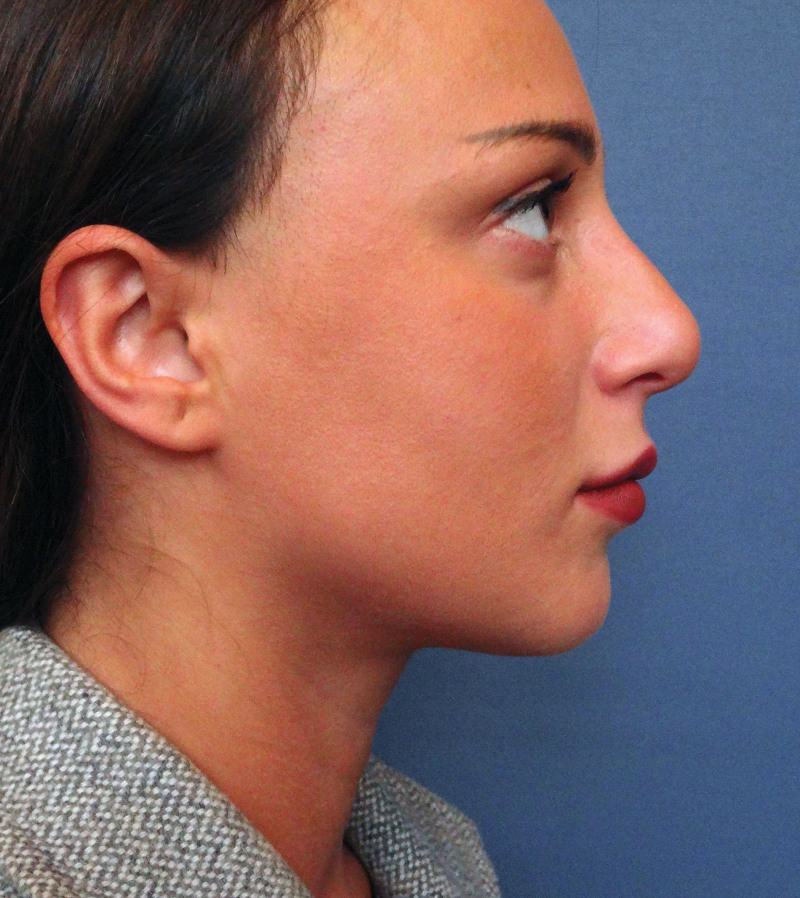
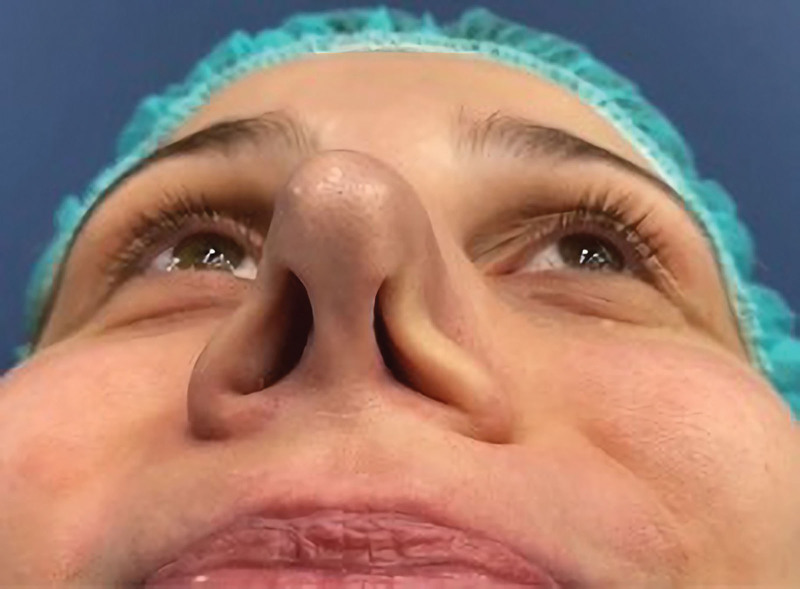
Nose thread lifting is a relatively recent technique. It offers a chance to approach nose morphology defects without turning to surgery to obtain a temporary improvement. Nevertheless, it lacks standardization and it can therefore offer quite variable results and short durability. The authors' experience is presented here along with a recommended methodological approach to deliver reliable techniques for predictable results. Thread lifting techniques for nose reshaping by means of insertion of poly-L-lactic/poly-caprolactone threads are presented, based on principles of graft-based techniques, to obtain temporary morphological correction of selected nose deformities.
A total of 553 patients underwent nose reshaping using poly-L-lactic/poly-caprolactone threads. Of the procedures, 471 were primary treatment, and 82 were secondary treatment after a previous rhinoplasty. The mean follow-up period was carried out through patient photographs and lasted 33.4 months (range 2-60 months). Clinical examinations and patient satisfaction surveys were done at 6 months and 1 year from thread lifting.
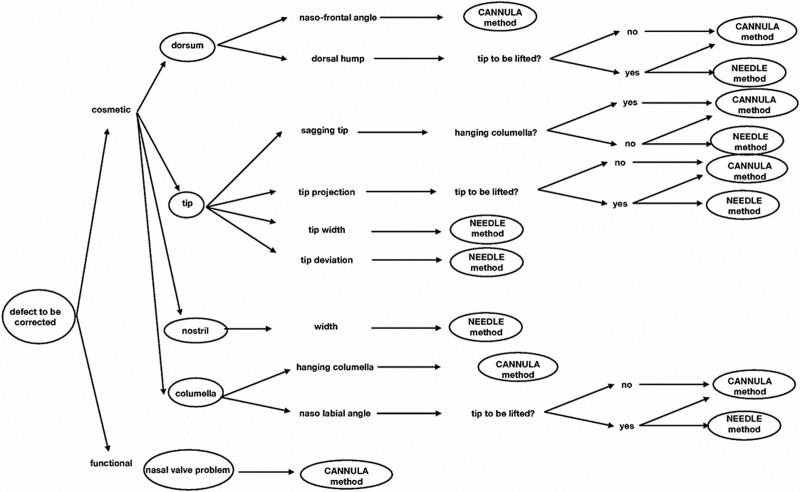
The Freiburg questionnaire survey (subjective Global Aesthetic Improvement Scale) allowed the authors to confirm a 95% satisfaction rate after 6 months, and 62% at 1 year after treatment. A flow chart based on the recorded results is presented to support operators in selecting the proper correction method to adopt, based on the different listed indications.
Nose reshaping techniques with poly-L-lactic/poly-caprolactone threads are presented together with patients' treatment satisfaction. Standardization is based upon the authors' experience. Contraindications and encountered complications are discussed, so as to provide the readers with a complete "state-of-the art" presentation of these techniques. In the authors' experience, this is a reliable and safe approach to obtain temporary amelioration of selected nose defects via a nonsurgical and minimally invasive method.
鼻线提升是一种相对较新的技术。它为解决鼻形态缺陷提供了一个无需借助手术就能获得暂时改善的机会。然而,它缺乏标准化,因此效果可能差异很大且维持时间短。本文介绍了作者的经验以及一种推荐的方法,以提供可靠的技术来获得可预测的结果。基于基于移植技术的原理,介绍了通过插入聚-L-乳酸/聚己内酯线进行鼻整形的线提升技术,以获得对选定鼻畸形的临时形态矫正。
共有553例患者使用聚-L-乳酸/聚己内酯线进行鼻整形。其中,471例为初次治疗,82例为先前隆鼻术后的二次治疗。平均随访期通过患者照片进行,持续33.4个月(范围2 - 60个月)。在埋线提升后6个月和1年进行临床检查和患者满意度调查。
弗莱堡问卷调查(主观整体美学改善量表)使作者确认治疗6个月后满意度为95%,治疗1年后为62%。根据记录结果呈现了一个流程图,以帮助操作人员根据列出的不同适应症选择合适的矫正方法。
介绍了使用聚-L-乳酸/聚己内酯线进行鼻整形的技术以及患者的治疗满意度。标准化基于作者的经验。讨论了禁忌症和遇到的并发症,以便为读者提供这些技术的完整“最新情况”介绍。根据作者的经验,这是一种通过非手术和微创方法获得选定鼻缺陷临时改善的可靠且安全的方法。