Raut Asavari, Samad Abdul, Verma Jay, Kshirsagar Pranad
Department of Clinical Pharmacy, Poona College of Pharmacy, Bharati Vidyapeeth (Deemed to be University), Pune, 411038, Maharashtra, India.
Clin Epidemiol Glob Health. 2023 May-Jun;21:101283. doi: 10.1016/j.cegh.2023.101283. Epub 2023 Apr 4.
The determinants of COVID-19 vaccine acceptance, hesitancy, and refusal remain poorly understood. We assessed the general population of Pune after visiting tertiary care hospital for their willingness to accept the vaccine and the reason for their hesitancy and refusal.
A six-month descriptive cross-sectional study with 386 community members over the age of 18 who visited the Tertiary Hospital OPD was conducted. The vaccine acceptance and hesitancy was assessed using a self designed detailed questionnaire with a one-time face-to-face interview.
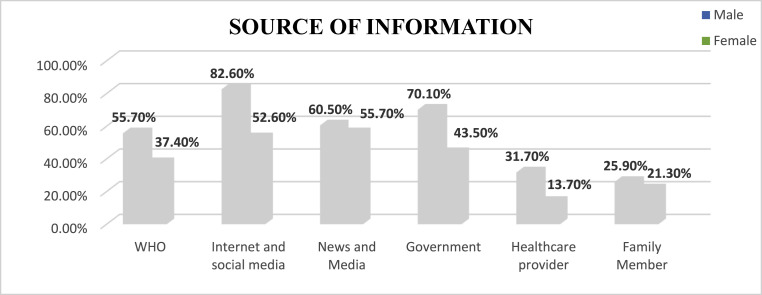
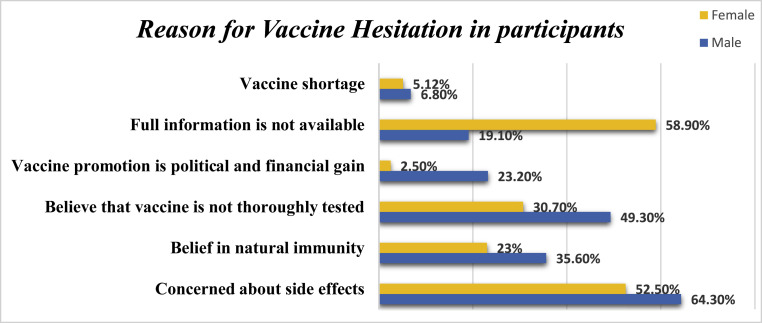
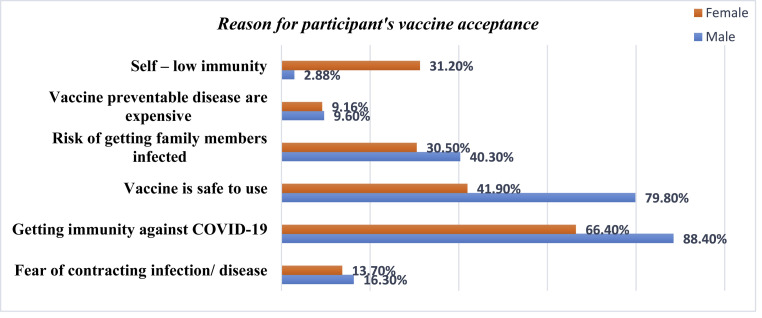
Acceptance for vaccine was observed in 235 (60.8%) participants, while 151 (39.2%) hesitated and refused. Participants with lower education (P < 0.00001), no employment did not readily accept the vaccine (P < 0.00001). Pregnant, breast-feeding women (21.8%) hesitated vaccine because of lack of evidence regarding vaccine safety. Participants (73.6%) were readily accepting (third dose) booster dose of vaccine when available. The reason for vaccine hesitance was the concern about side effects (58.2%) and reason for acceptance was to get immunity against COVID-19 (76.1%). Vaccine information source appears to be an influential aspect, as participants who obtained vaccination information from healthcare providers had no concerns regarding vaccination.
The study has found a link between average education level, unemployment and vaccine acceptance and hesitancy. Factors influencing vaccine hesitancy include lack of vaccine information, vaccine side effects, and misinformation spread via social media. Clinical pharmacists can play an important role in boosting up vaccine acceptance by providing appropriate information in community.
人们对新冠疫苗接受、犹豫和拒绝的决定因素仍知之甚少。我们在三级医院就诊后,对浦那的普通民众进行了评估,了解他们接受疫苗的意愿以及犹豫和拒绝的原因。
对386名18岁以上前往三级医院门诊的社区成员进行了为期6个月的描述性横断面研究。通过自行设计的详细问卷进行一次性面对面访谈,评估疫苗接受情况和犹豫程度。
235名(60.8%)参与者表示接受疫苗,而151名(39.2%)表示犹豫或拒绝。受教育程度较低(P < 0.00001)、无业的参与者不太愿意接受疫苗(P < 0.00001)。孕妇、哺乳期妇女(21.8%)因缺乏疫苗安全性证据而对疫苗持犹豫态度。当有第三剂加强针时,73.6%的参与者愿意接受。犹豫接种疫苗的原因是担心副作用(58.2%),而接受疫苗的原因是获得针对新冠病毒的免疫力(76.1%)。疫苗信息来源似乎是一个有影响力的因素,因为从医疗保健提供者那里获得疫苗接种信息的参与者对接种疫苗没有顾虑。
该研究发现平均教育水平、失业与疫苗接受和犹豫之间存在关联。影响疫苗犹豫的因素包括缺乏疫苗信息、疫苗副作用以及通过社交媒体传播的错误信息。临床药剂师可以通过在社区提供适当信息,在提高疫苗接受度方面发挥重要作用。