• 文献检索
  • 文档翻译
  • 深度研究
  • 学术资讯
  • Suppr Zotero 插件Zotero 插件
  • 邀请有礼
  • 套餐&价格
  • 历史记录
应用&插件
Suppr Zotero 插件Zotero 插件浏览器插件Mac 客户端Windows 客户端微信小程序
定价
高级版会员购买积分包购买API积分包
服务
文献检索文档翻译深度研究API 文档MCP 服务
关于我们
关于 Suppr公司介绍联系我们用户协议隐私条款
关注我们

Suppr 超能文献

核心技术专利:CN118964589B侵权必究
粤ICP备2023148730 号-1Suppr @ 2026

文献检索

告别复杂PubMed语法,用中文像聊天一样搜索,搜遍4000万医学文献。AI智能推荐,让科研检索更轻松。

立即免费搜索

文件翻译

保留排版,准确专业,支持PDF/Word/PPT等文件格式,支持 12+语言互译。

免费翻译文档

深度研究

AI帮你快速写综述,25分钟生成高质量综述,智能提取关键信息,辅助科研写作。

立即免费体验

基于 DNA 损伤修复相关特征的风险分层反映了乳腺癌的微环境特征、代谢状态和治疗反应。

Risk stratification based on DNA damage-repair-related signature reflects the microenvironmental feature, metabolic status and therapeutic response of breast cancer.

机构信息

National Key Laboratory of Medical Immunology and Institute of Immunology, Naval Medical University, Shanghai, China.

出版信息

Front Immunol. 2023 Mar 24;14:1127982. doi: 10.3389/fimmu.2023.1127982. eCollection 2023.

DOI:10.3389/fimmu.2023.1127982
PMID:37033959
原文链接:https://pmc.ncbi.nlm.nih.gov/articles/PMC10080010/
Abstract

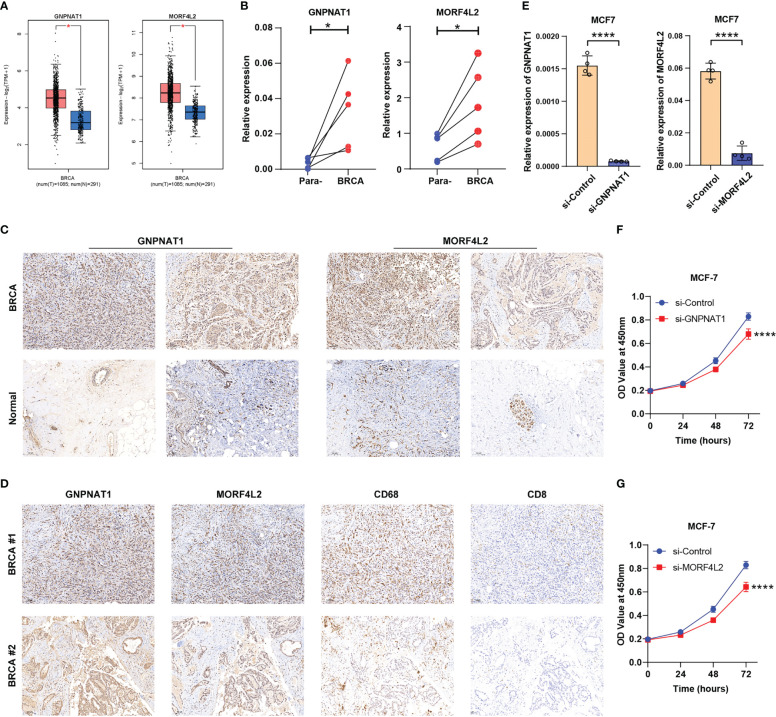
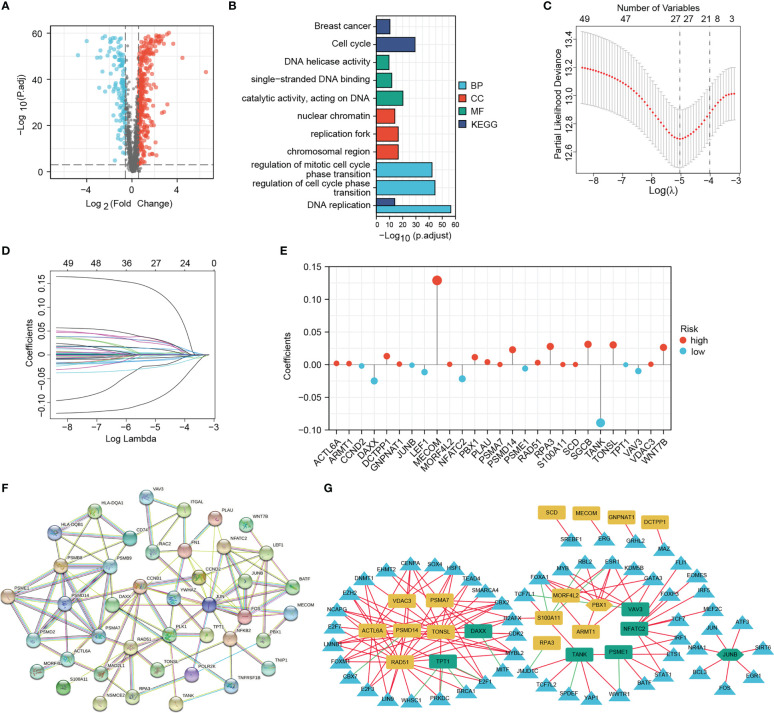
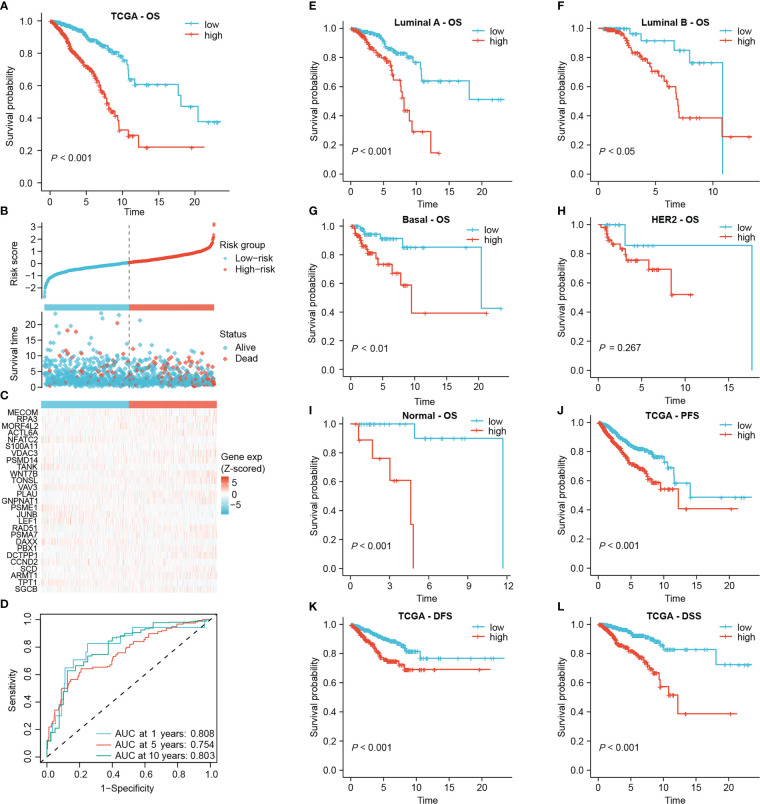
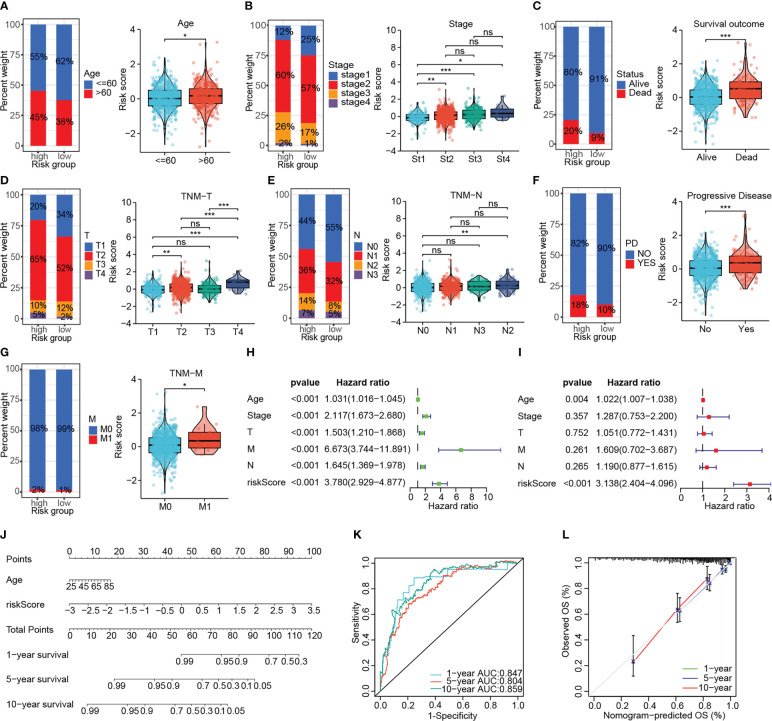
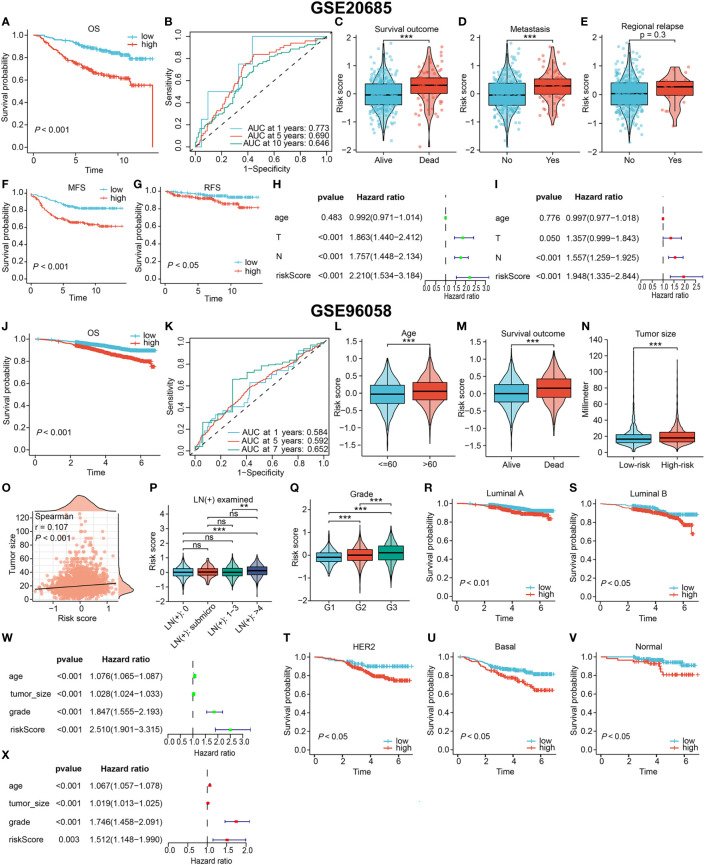
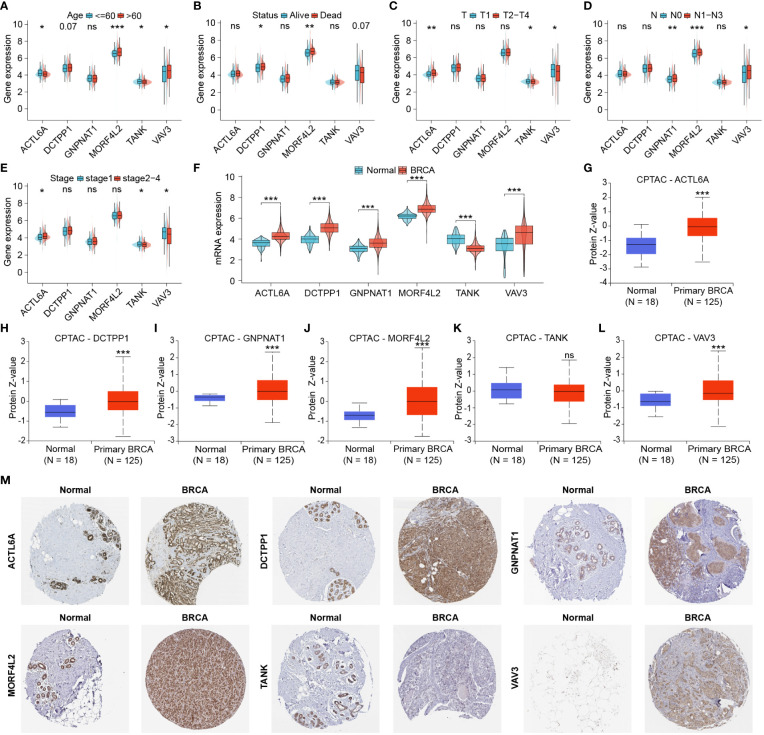
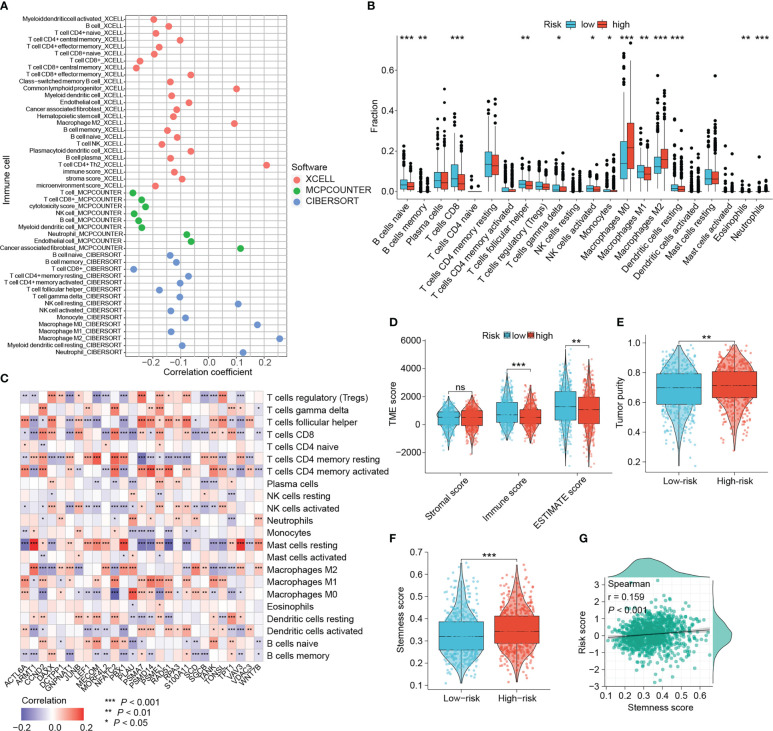
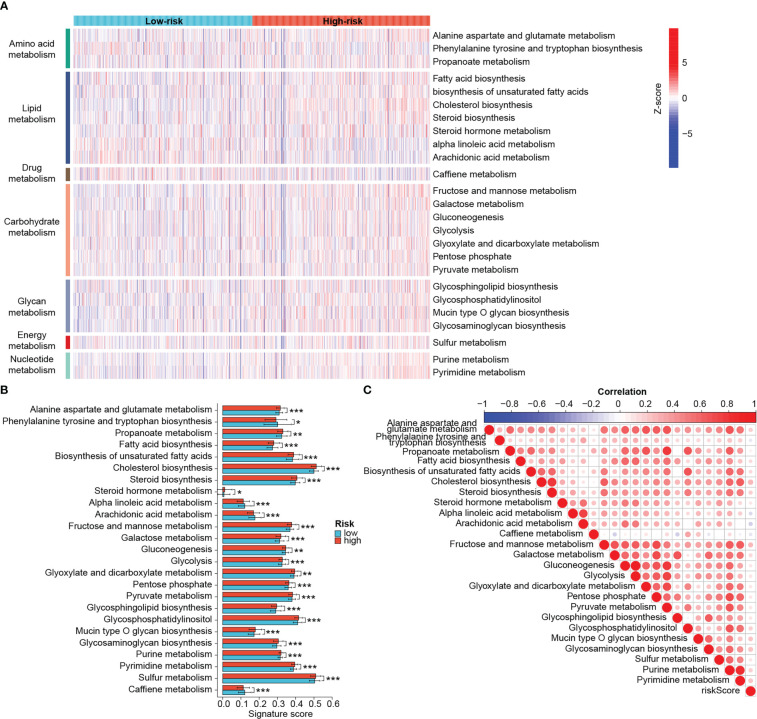
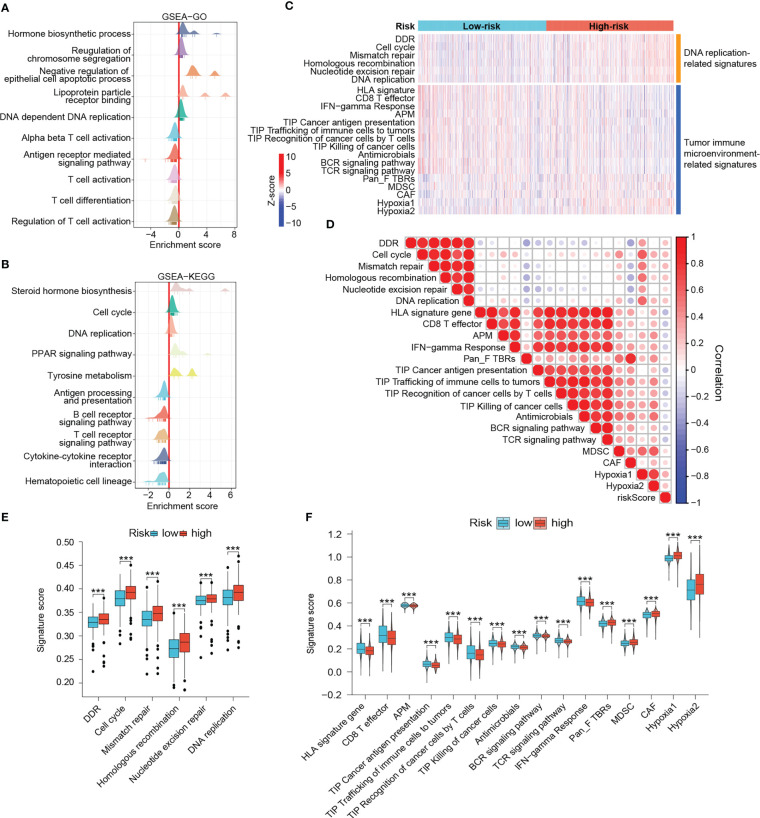
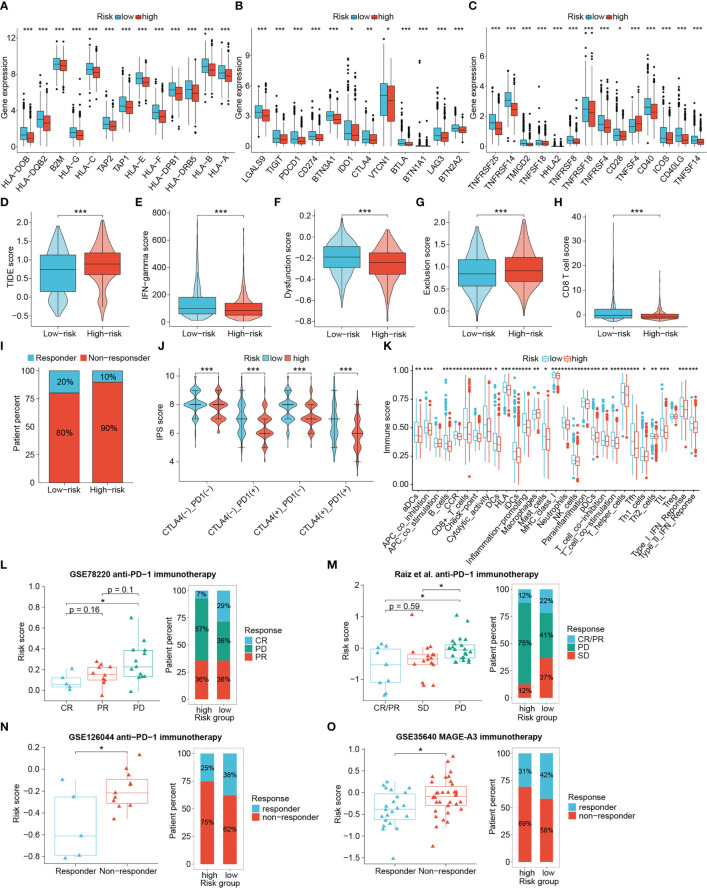
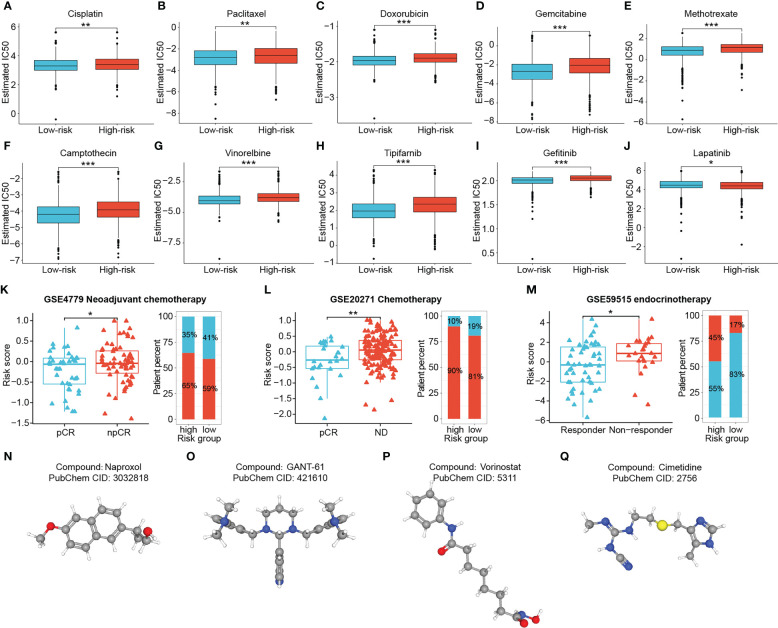
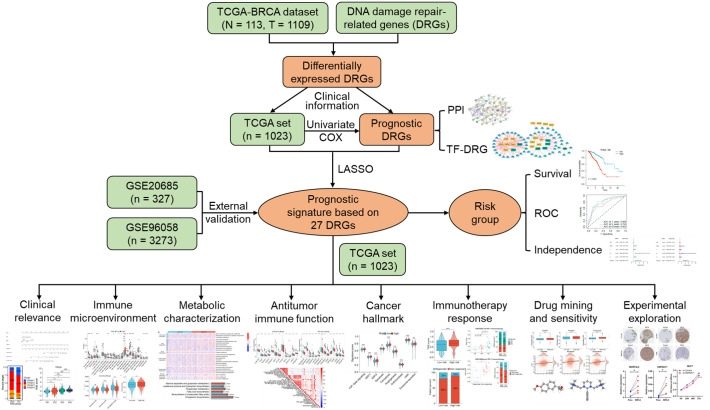
DNA damage-repair machinery participates in maintaining genomic integrity and affects tumorigenesis. Molecular signatures based on DNA damage-repair-related genes (DRGs) capable of comprehensively indicating the prognosis, tumor immunometabolic profile and therapeutic responsiveness of breast cancer (BRCA) patients are still lacking. Integrating public datasets and bioinformatics algorithms, we developed a robust prognostic signature based on 27 DRGs. Multiple patient cohorts identified significant differences in various types of survival between high- and low-risk patients stratified by the signature. The signature correlated well with clinicopathological factors and could serve as an independent prognostic indicator for BRCA patients. Furthermore, low-risk tumors were characterized by more infiltrated CD8 T cells, follicular helper T cells, M1 macrophages, activated NK cells and resting dendritic cells, and fewer M0 and M2 macrophages. The favorable immune infiltration patterns of low-risk tumors were also accompanied by specific metabolic profiles, decreased DNA replication, and enhanced antitumor immunity. Low-risk patients may respond better to immunotherapy, and experience improved outcomes with conventional chemotherapy or targeted medicine. Real-world immunotherapy and chemotherapy cohorts verified the predictive results. Additionally, four small molecule compounds promising to target high-risk tumors were predicted. experiments confirmed the high expression of GNPNAT1 and MORF4L2 in BRCA tissues and their association with immune cells, and the knockdown of these two DRGs suppressed the proliferation of human BRCA cells. In summary, this DNA damage-repair-related signature performed well in predicting patient prognosis, immunometabolic profiles and therapeutic sensitivity, hopefully contributing to precision medicine and new target discovery of BRCA.

摘要

DNA 损伤修复机制参与维持基因组完整性,并影响肿瘤发生。基于能够全面反映乳腺癌(BRCA)患者预后、肿瘤免疫代谢特征和治疗反应的 DNA 损伤修复相关基因(DRGs)的分子特征仍然缺乏。通过整合公共数据集和生物信息学算法,我们开发了一个基于 27 个 DRGs 的稳健预后特征。多个患者队列确定了根据该特征分层的高风险和低风险患者在各种类型生存中的显著差异。该特征与临床病理因素密切相关,可作为 BRCA 患者的独立预后指标。此外,低风险肿瘤的特征是浸润更多的 CD8 T 细胞、滤泡辅助 T 细胞、M1 巨噬细胞、活化 NK 细胞和静止树突状细胞,而 M0 和 M2 巨噬细胞较少。低风险肿瘤有利的免疫浸润模式也伴随着特定的代谢特征,减少 DNA 复制,并增强抗肿瘤免疫。低风险患者可能对免疫治疗反应更好,并通过常规化疗或靶向药物治疗获得更好的结果。真实世界的免疫治疗和化疗队列验证了预测结果。此外,还预测了四种有希望针对高风险肿瘤的小分子化合物。实验证实 GNPNAT1 和 MORF4L2 在 BRCA 组织中高表达,并与免疫细胞相关,这两种 DRGs 的敲低抑制了人 BRCA 细胞的增殖。总之,这个与 DNA 损伤修复相关的特征在预测患者预后、免疫代谢特征和治疗敏感性方面表现良好,有望为 BRCA 的精准医学和新靶标发现做出贡献。
https://cdn.ncbi.nlm.nih.gov/pmc/blobs/d2d6/10080010/a72d2da2c454/fimmu-14-1127982-g012.jpg
https://cdn.ncbi.nlm.nih.gov/pmc/blobs/d2d6/10080010/03c3150d49e6/fimmu-14-1127982-g001.jpg
https://cdn.ncbi.nlm.nih.gov/pmc/blobs/d2d6/10080010/6c237b300fa8/fimmu-14-1127982-g002.jpg
https://cdn.ncbi.nlm.nih.gov/pmc/blobs/d2d6/10080010/cd62de649d46/fimmu-14-1127982-g003.jpg
https://cdn.ncbi.nlm.nih.gov/pmc/blobs/d2d6/10080010/59ab0639fa22/fimmu-14-1127982-g004.jpg
https://cdn.ncbi.nlm.nih.gov/pmc/blobs/d2d6/10080010/dc1d60200f39/fimmu-14-1127982-g005.jpg
https://cdn.ncbi.nlm.nih.gov/pmc/blobs/d2d6/10080010/204b6a72154d/fimmu-14-1127982-g006.jpg
https://cdn.ncbi.nlm.nih.gov/pmc/blobs/d2d6/10080010/555d606ee077/fimmu-14-1127982-g007.jpg
https://cdn.ncbi.nlm.nih.gov/pmc/blobs/d2d6/10080010/9e830074c2fe/fimmu-14-1127982-g008.jpg
https://cdn.ncbi.nlm.nih.gov/pmc/blobs/d2d6/10080010/0599c0fd2cd0/fimmu-14-1127982-g009.jpg
https://cdn.ncbi.nlm.nih.gov/pmc/blobs/d2d6/10080010/be014f3c321e/fimmu-14-1127982-g010.jpg
https://cdn.ncbi.nlm.nih.gov/pmc/blobs/d2d6/10080010/ca9c2fe64670/fimmu-14-1127982-g011.jpg
https://cdn.ncbi.nlm.nih.gov/pmc/blobs/d2d6/10080010/a72d2da2c454/fimmu-14-1127982-g012.jpg
https://cdn.ncbi.nlm.nih.gov/pmc/blobs/d2d6/10080010/03c3150d49e6/fimmu-14-1127982-g001.jpg
https://cdn.ncbi.nlm.nih.gov/pmc/blobs/d2d6/10080010/6c237b300fa8/fimmu-14-1127982-g002.jpg
https://cdn.ncbi.nlm.nih.gov/pmc/blobs/d2d6/10080010/cd62de649d46/fimmu-14-1127982-g003.jpg
https://cdn.ncbi.nlm.nih.gov/pmc/blobs/d2d6/10080010/59ab0639fa22/fimmu-14-1127982-g004.jpg
https://cdn.ncbi.nlm.nih.gov/pmc/blobs/d2d6/10080010/dc1d60200f39/fimmu-14-1127982-g005.jpg
https://cdn.ncbi.nlm.nih.gov/pmc/blobs/d2d6/10080010/204b6a72154d/fimmu-14-1127982-g006.jpg
https://cdn.ncbi.nlm.nih.gov/pmc/blobs/d2d6/10080010/555d606ee077/fimmu-14-1127982-g007.jpg
https://cdn.ncbi.nlm.nih.gov/pmc/blobs/d2d6/10080010/9e830074c2fe/fimmu-14-1127982-g008.jpg
https://cdn.ncbi.nlm.nih.gov/pmc/blobs/d2d6/10080010/0599c0fd2cd0/fimmu-14-1127982-g009.jpg
https://cdn.ncbi.nlm.nih.gov/pmc/blobs/d2d6/10080010/be014f3c321e/fimmu-14-1127982-g010.jpg
https://cdn.ncbi.nlm.nih.gov/pmc/blobs/d2d6/10080010/ca9c2fe64670/fimmu-14-1127982-g011.jpg
https://cdn.ncbi.nlm.nih.gov/pmc/blobs/d2d6/10080010/a72d2da2c454/fimmu-14-1127982-g012.jpg

相似文献

1
Risk stratification based on DNA damage-repair-related signature reflects the microenvironmental feature, metabolic status and therapeutic response of breast cancer.基于 DNA 损伤修复相关特征的风险分层反映了乳腺癌的微环境特征、代谢状态和治疗反应。
Front Immunol. 2023 Mar 24;14:1127982. doi: 10.3389/fimmu.2023.1127982. eCollection 2023.
2
GNPNAT1 is a potential biomarker correlated with immune infiltration and immunotherapy outcome in breast cancer.GNPNAT1 是乳腺癌中与免疫浸润和免疫治疗结果相关的潜在生物标志物。
Front Immunol. 2023 May 5;14:1152678. doi: 10.3389/fimmu.2023.1152678. eCollection 2023.
3
Integrating single-cell and bulk transcriptomic analyses to develop a cancer-associated fibroblast-derived biomarker for predicting prognosis and therapeutic response in breast cancer.整合单细胞和批量转录组分析,开发一种癌症相关成纤维细胞衍生的生物标志物,用于预测乳腺癌的预后和治疗反应。
Front Immunol. 2024 Jan 3;14:1307588. doi: 10.3389/fimmu.2023.1307588. eCollection 2023.
4
Development of a metabolism-related signature for predicting prognosis, immune infiltration and immunotherapy response in breast cancer.用于预测乳腺癌预后、免疫浸润及免疫治疗反应的代谢相关特征的开发
Am J Cancer Res. 2022 Dec 15;12(12):5440-5461. eCollection 2022.
5
A new 4-gene-based prognostic model accurately predicts breast cancer prognosis and immunotherapy response by integrating WGCNA and bioinformatics analysis.一个新的基于 4 个基因的预后模型通过整合 WGCNA 和生物信息学分析,准确地预测乳腺癌的预后和免疫治疗反应。
Front Immunol. 2024 Feb 2;15:1331841. doi: 10.3389/fimmu.2024.1331841. eCollection 2024.
6
A degradome-based prognostic signature that correlates with immune infiltration and tumor mutation burden in breast cancer.基于降解组的预后标志物与乳腺癌免疫浸润和肿瘤突变负荷相关。
Front Immunol. 2023 Mar 13;14:1140993. doi: 10.3389/fimmu.2023.1140993. eCollection 2023.
7
Comprehensive analysis of pyroptotic gene prognostic signatures associated with tumor immune microenvironment and genomic mutation in breast cancer.全面分析与乳腺癌肿瘤免疫微环境和基因组突变相关的细胞焦亡基因预后特征。
Front Immunol. 2022 Aug 25;13:933779. doi: 10.3389/fimmu.2022.933779. eCollection 2022.
8
Amino Acid Metabolism-Related lncRNA Signature Predicts the Prognosis of Breast Cancer.氨基酸代谢相关长链非编码RNA特征预测乳腺癌预后
Front Genet. 2022 May 13;13:880387. doi: 10.3389/fgene.2022.880387. eCollection 2022.
9
A DNA-Methylation-Driven Genes Based Prognostic Signature Reveals Immune Microenvironment in Pancreatic Cancer.基于 DNA 甲基化驱动基因的预后标志物揭示了胰腺癌中的免疫微环境。
Front Immunol. 2022 Feb 10;13:803962. doi: 10.3389/fimmu.2022.803962. eCollection 2022.
10
Oncogenic signaling pathway-related long non-coding RNAs for predicting prognosis and immunotherapy response in breast cancer.用于预测乳腺癌预后和免疫治疗反应的致癌信号通路相关长链非编码RNA
Front Immunol. 2022 Aug 4;13:891175. doi: 10.3389/fimmu.2022.891175. eCollection 2022.

引用本文的文献

1
UBE2N as a novel prognostic and therapeutic biomarker of lung adenocarcinoma.UBE2N作为肺腺癌一种新的预后和治疗生物标志物。
Front Immunol. 2025 Aug 11;16:1636503. doi: 10.3389/fimmu.2025.1636503. eCollection 2025.
2
MORF4L2 induces immunosuppressive microenvironment and immunotherapy resistance through GRHL2/MORF4L2/H4K12Ac/CSF1 axis in triple-negative breast cancer.MORF4L2通过GRHL2/MORF4L2/H4K12Ac/CSF1轴在三阴性乳腺癌中诱导免疫抑制微环境和免疫治疗耐药性。
Biomark Res. 2025 Jan 9;13(1):6. doi: 10.1186/s40364-024-00719-1.
3
Comprehensive single-cell and bulk transcriptomic analyses to develop an NK cell-derived gene signature for prognostic assessment and precision medicine in breast cancer.

本文引用的文献

1
Construction of a DNA damage repair gene signature for predicting prognosis and immune response in breast cancer.构建用于预测乳腺癌预后和免疫反应的DNA损伤修复基因特征。
Front Oncol. 2023 Jan 11;12:1085632. doi: 10.3389/fonc.2022.1085632. eCollection 2022.
2
Development of a metabolism-related signature for predicting prognosis, immune infiltration and immunotherapy response in breast cancer.用于预测乳腺癌预后、免疫浸润及免疫治疗反应的代谢相关特征的开发
Am J Cancer Res. 2022 Dec 15;12(12):5440-5461. eCollection 2022.
3
Knockdown of replication protein A 3 induces protective autophagy and enhances cisplatin sensitivity in lung adenocarcinoma by inhibiting AKT/mTOR signaling via binding to cyclin-dependent kinases regulatory subunit 2.
全面的单细胞和批量转录组分析,为乳腺癌的预后评估和精准医学开发 NK 细胞衍生的基因特征。
Front Immunol. 2024 Oct 23;15:1460607. doi: 10.3389/fimmu.2024.1460607. eCollection 2024.
4
A Novel Tumor-Associated Neutrophil-Related Risk Signature Based on Single-Cell and Bulk RNA-Sequencing Analyses Predicts the Prognosis and Immune Landscape of Breast Cancer.基于单细胞和批量RNA测序分析的新型肿瘤相关中性粒细胞相关风险特征预测乳腺癌的预后和免疫格局
J Cancer. 2024 Sep 3;15(17):5655-5671. doi: 10.7150/jca.100338. eCollection 2024.
5
Integrating single-cell and bulk transcriptomic analyses to develop a cancer-associated fibroblast-derived biomarker for predicting prognosis and therapeutic response in breast cancer.整合单细胞和批量转录组分析,开发一种癌症相关成纤维细胞衍生的生物标志物,用于预测乳腺癌的预后和治疗反应。
Front Immunol. 2024 Jan 3;14:1307588. doi: 10.3389/fimmu.2023.1307588. eCollection 2023.
敲低复制蛋白 A3 通过与细胞周期蛋白依赖性激酶调节亚基 2 结合抑制 AKT/mTOR 信号通路诱导肺腺癌保护性自噬并增强顺铂敏感性。
Drug Dev Res. 2022 Nov;83(7):1589-1599. doi: 10.1002/ddr.21978. Epub 2022 Jul 28.
4
Anti-neoplastic action of Cimetidine/Vitamin C on histamine and the PI3K/AKT/mTOR pathway in Ehrlich breast cancer.西咪替丁/维生素 C 对组氨酸和 PI3K/AKT/mTOR 通路在艾氏腹水癌中的抗肿瘤作用。
Sci Rep. 2022 Jul 7;12(1):11514. doi: 10.1038/s41598-022-15551-6.
5
Dapl1 controls NFATc2 activation to regulate CD8 T cell exhaustion and responses in chronic infection and cancer.Dapl1 控制 NFATc2 的激活,从而调节慢性感染和癌症中的 CD8 T 细胞耗竭和反应。
Nat Cell Biol. 2022 Jul;24(7):1165-1176. doi: 10.1038/s41556-022-00942-8. Epub 2022 Jun 30.
6
CRISPR-mediated MECOM depletion retards tumor growth by reducing cancer stem cell properties in lung squamous cell carcinoma.CRISPR 介导的 MECOM 耗竭通过降低肺鳞癌细胞中的癌症干细胞特性来抑制肿瘤生长。
Mol Ther. 2022 Nov 2;30(11):3341-3357. doi: 10.1016/j.ymthe.2022.06.011. Epub 2022 Jun 22.
7
Targeting nucleotide metabolism: a promising approach to enhance cancer immunotherapy.靶向核苷酸代谢:增强癌症免疫治疗的有前途的方法。
J Hematol Oncol. 2022 Apr 27;15(1):45. doi: 10.1186/s13045-022-01263-x.
8
Tumor-resident intracellular microbiota promotes metastatic colonization in breast cancer.肿瘤驻留细胞内微生物群促进乳腺癌的转移定植。
Cell. 2022 Apr 14;185(8):1356-1372.e26. doi: 10.1016/j.cell.2022.02.027. Epub 2022 Apr 7.
9
Alterations of DNA damage response pathway: Biomarker and therapeutic strategy for cancer immunotherapy.DNA损伤反应通路的改变:癌症免疫治疗的生物标志物与治疗策略
Acta Pharm Sin B. 2021 Oct;11(10):2983-2994. doi: 10.1016/j.apsb.2021.01.003. Epub 2021 Jan 6.
10
Increased ACTL6A occupancy within mSWI/SNF chromatin remodelers drives human squamous cell carcinoma.ACTL6A 在 mSWI/SNF 染色质重塑因子中的占有率增加驱动人鳞状细胞癌。
Mol Cell. 2021 Dec 16;81(24):4964-4978.e8. doi: 10.1016/j.molcel.2021.10.005. Epub 2021 Oct 22.