Department of Hepatobiliary Surgery II, Zhujiang Hospital, Southern Medical University, Guangzhou, China.
Ultrasound Medical Center, Zhujiang Hospital, Southern Medical University, Guangzhou, China.
Front Immunol. 2022 Feb 10;13:803962. doi: 10.3389/fimmu.2022.803962. eCollection 2022.
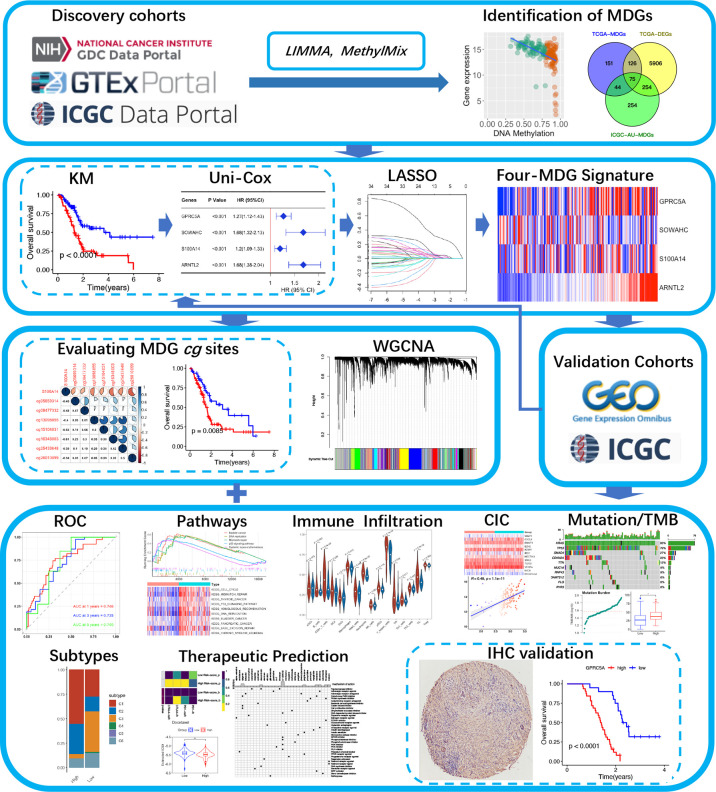
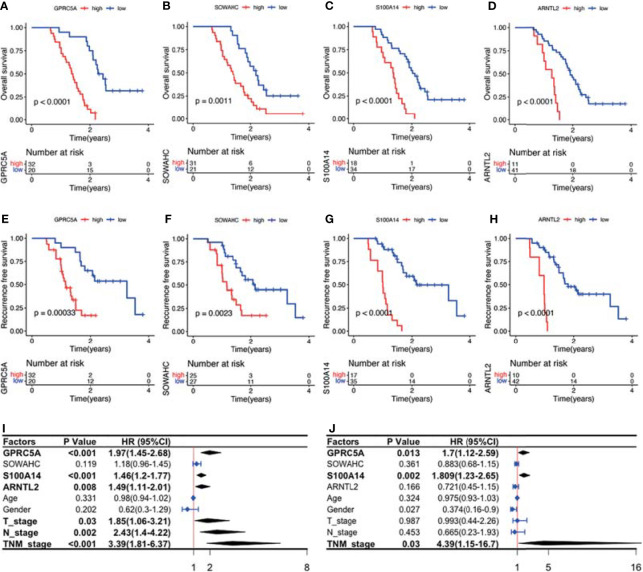
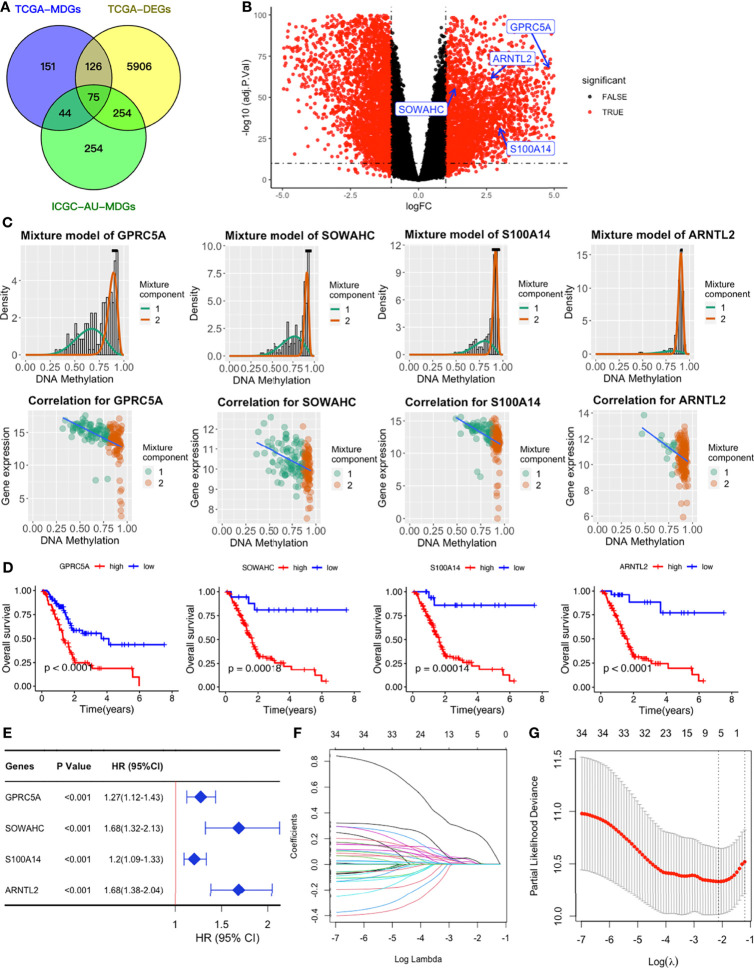
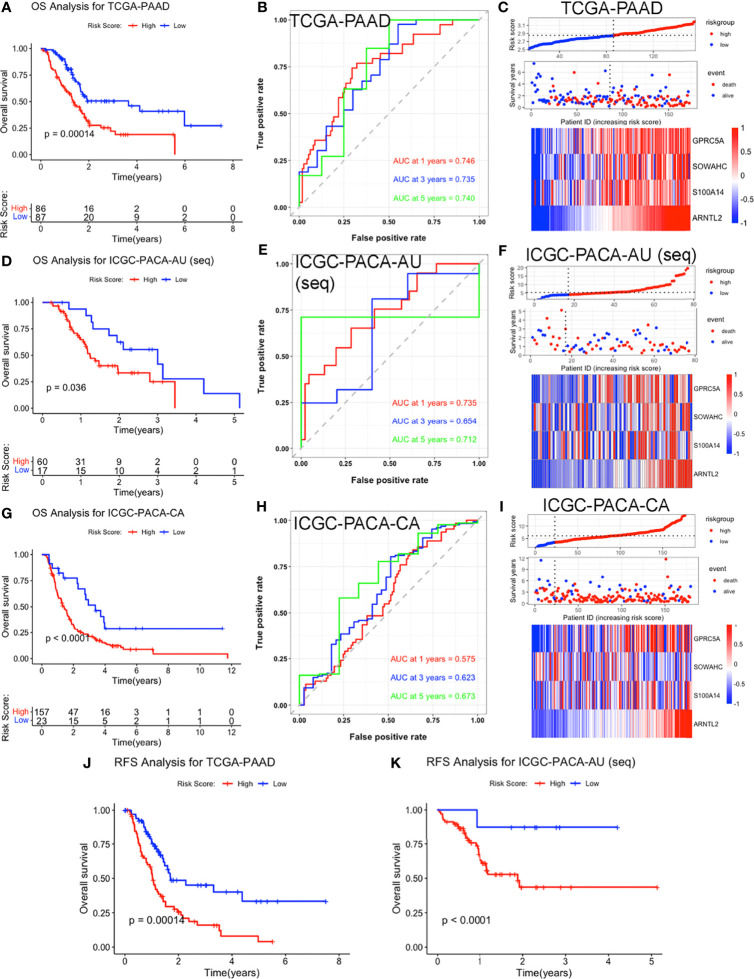
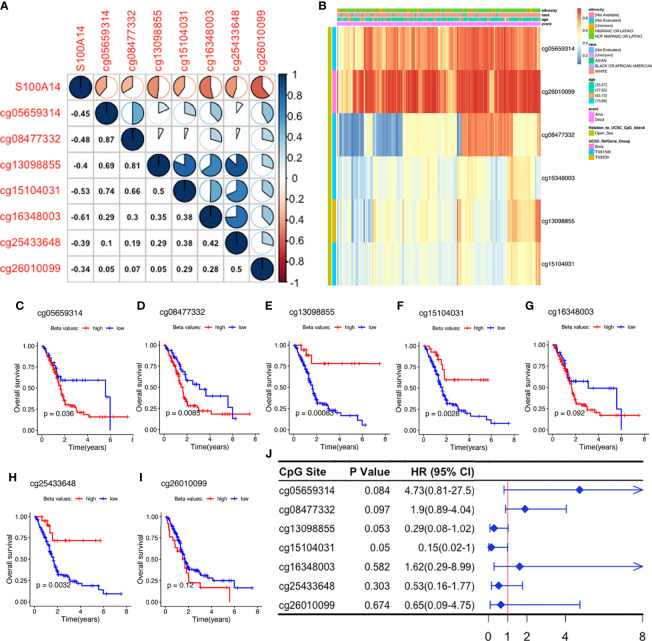
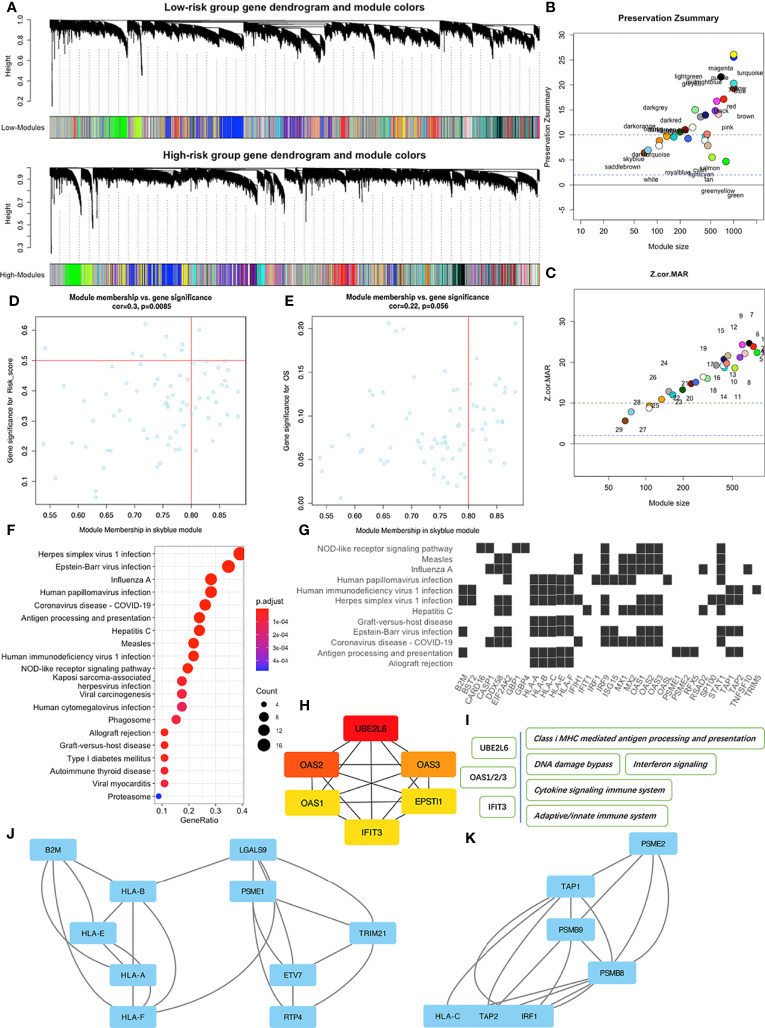
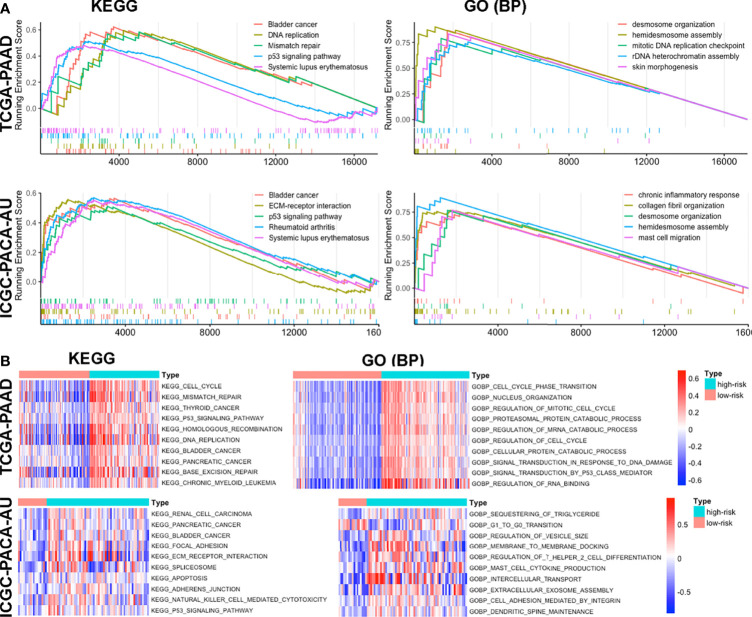
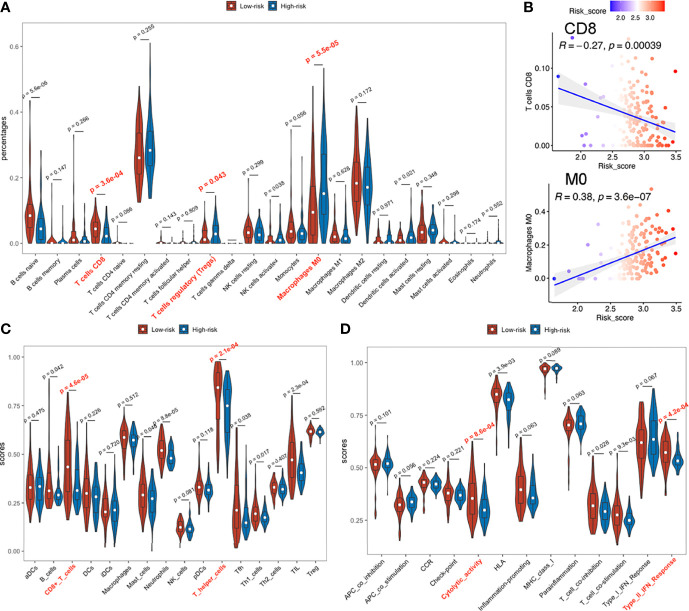
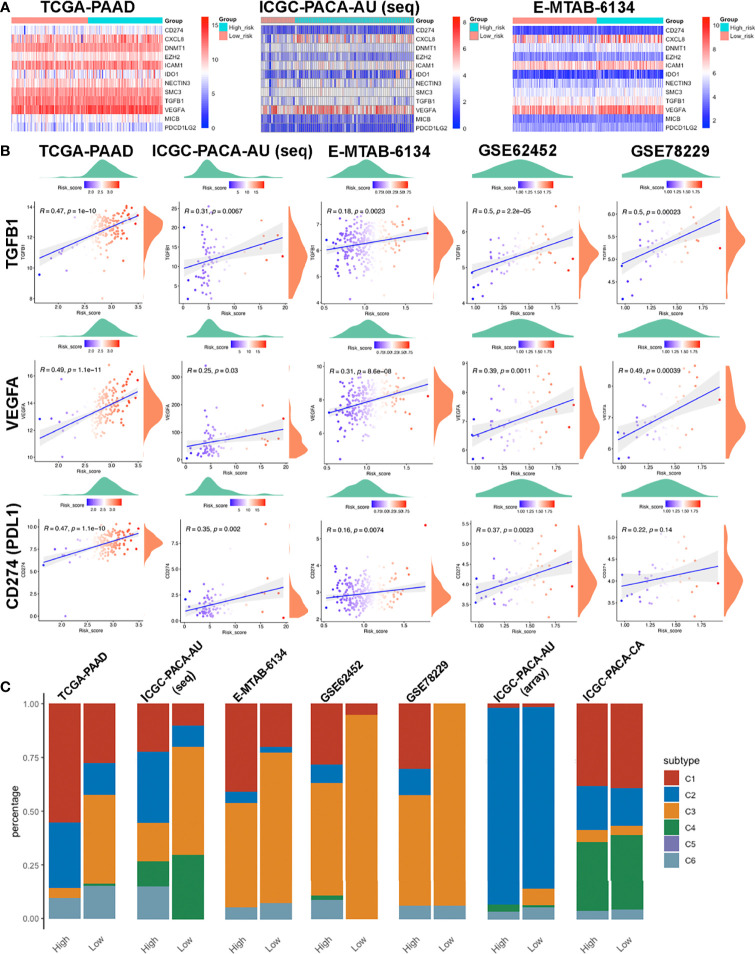
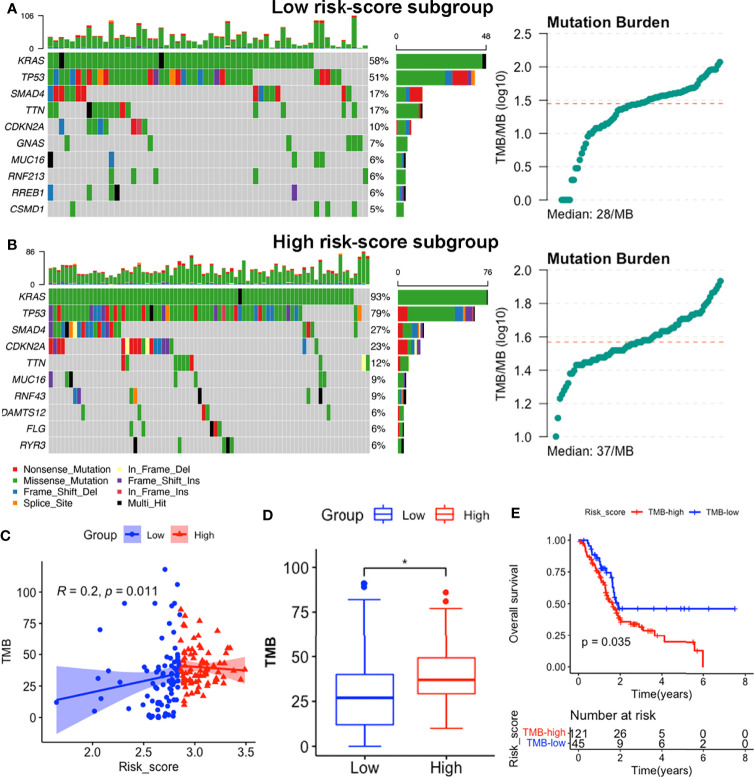
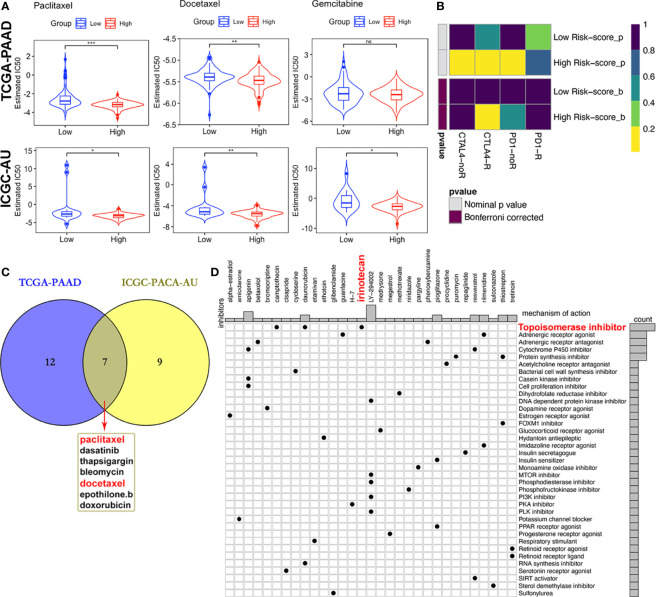
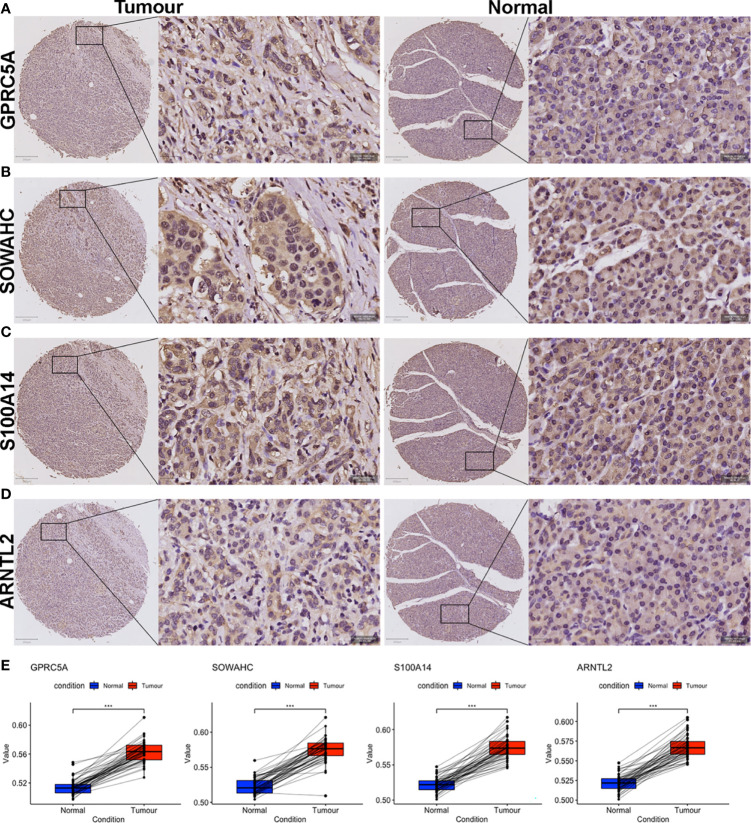
Pancreatic cancer (PACA), which is characterized by an immunosuppressive nature, remains one of the deadliest malignancies worldwide. Aberrant DNA methylation (DNAm) reportedly influences tumor immune microenvironment. Here, we evaluated the role of DNA methylation driven genes (MDGs) in PACA through integrative analyses of epigenomic, transcriptomic, genomic and clinicopathological data obtained from TCGA, ICGC, ArrayExpress and GEO databases. Thereafter, we established a four-MDG signature, comprising GPRC5A, SOWAHC, S100A14, and ARNTL2. High signature risk-scores were associated with poor histologic grades and late TNM stages. Survival analyses showed the signature had a significant predictive effect on OS. WGCNA revealed that the signature may be associated with immune system, while high risk-scores might reflect immune dysregulation. Furthermore, GSEA and GSVA revealed significant enrichment of p53 pathway and mismatch repair pathways in high risk-score subgroups. Immune infiltration analysis showed that CD8+ T cells were more abundant in low score subgroups, while M0 macrophages exhibited an opposite trend. Moreover, negative regulatory genes of cancer-immunity cycle (CIC) illustrated that immunosuppressors TGFB1, VEGFA, and CD274 (PDL1) were all positively correlated with risk-scores. Furthermore, the four signature genes were negatively correlated with CD8+ lymphocytes, but positively associated with myeloid derived suppressor cells (MDSC). Conversely, specimens with high risk-scores exhibited heavier tumor mutation burdens (TMB) and might show better responses to some chemotherapy and targeted drugs, which would benefit stratification of PACA patients. On the other hand, we investigated the corresponding proteins of the four MDGs using paraffin-embedded PACA samples collected from patients who underwent radical surgery in our center and found that all these four proteins were elevated in cancerous tissues and might serve as prognostic markers for PACA patients, high expression levels indicated poor prognosis. In conclusion, we successfully established a four-MDG-based prognostic signature for PACA patients. We envisage that this signature will help in evaluation of intratumoral immune texture and enable identification of novel stratification biomarkers for precision therapies.
胰腺癌(PACA)具有免疫抑制性,是全球最致命的恶性肿瘤之一。据报道,异常的 DNA 甲基化(DNAm)会影响肿瘤免疫微环境。在这里,我们通过整合来自 TCGA、ICGC、ArrayExpress 和 GEO 数据库的表观基因组学、转录组学、基因组学和临床病理数据,评估了 DNA 甲基化驱动基因(MDGs)在 PACA 中的作用。此后,我们建立了一个由 GPRC5A、SOWAHC、S100A14 和 ARNTL2 组成的四-MDG 特征。高特征风险评分与较差的组织学分级和晚期 TNM 分期相关。生存分析表明,该特征对 OS 具有显著的预测作用。WGCNA 显示特征可能与免疫系统有关,而高风险评分可能反映免疫失调。此外,GSEA 和 GSVA 显示高风险评分亚组中 p53 通路和错配修复通路显著富集。免疫浸润分析表明,低评分亚组中 CD8+T 细胞更为丰富,而 M0 巨噬细胞则呈现相反的趋势。此外,癌症免疫周期(CIC)的负调节基因表明,免疫抑制剂 TGFB1、VEGFA 和 CD274(PDL1)均与风险评分呈正相关。此外,四个特征基因与 CD8+淋巴细胞呈负相关,但与髓样来源抑制细胞(MDSC)呈正相关。相反,高风险评分的标本具有更高的肿瘤突变负担(TMB),并且可能对某些化疗和靶向药物有更好的反应,这将有利于 PACA 患者的分层。另一方面,我们使用从我们中心接受根治性手术的患者的石蜡包埋 PACA 样本研究了四个 MDG 的相应蛋白质,发现这四个蛋白质在癌组织中均升高,可能作为 PACA 患者的预后标志物,高表达水平表明预后不良。总之,我们成功建立了一个基于四个 MDG 的 PACA 患者预后特征。我们预计,该特征将有助于评估肿瘤内免疫结构,并为精准治疗识别新的分层生物标志物。