Department of Pharmacology & Clinical Pharmacology, Faculty of Medical & Health Sciences, University of Auckland, 85 Park Rd, Grafton, Auckland, 1023, New Zealand.
Department of Medicine, Faculty of Medical & Health Sciences, University of Auckland, Auckland, New Zealand.
Arthritis Res Ther. 2023 Apr 12;25(1):59. doi: 10.1186/s13075-023-03042-6.
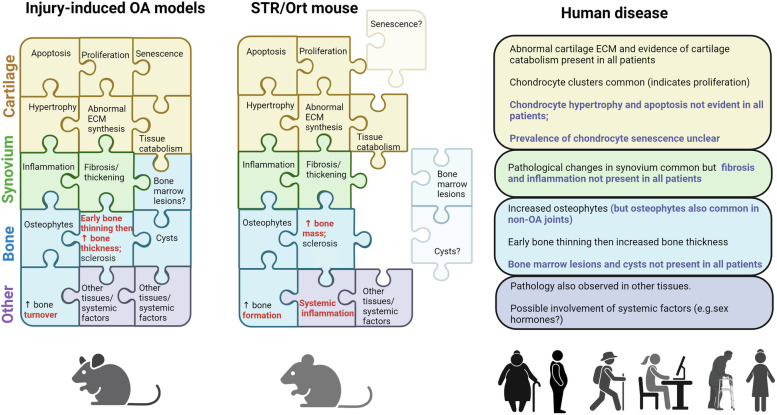
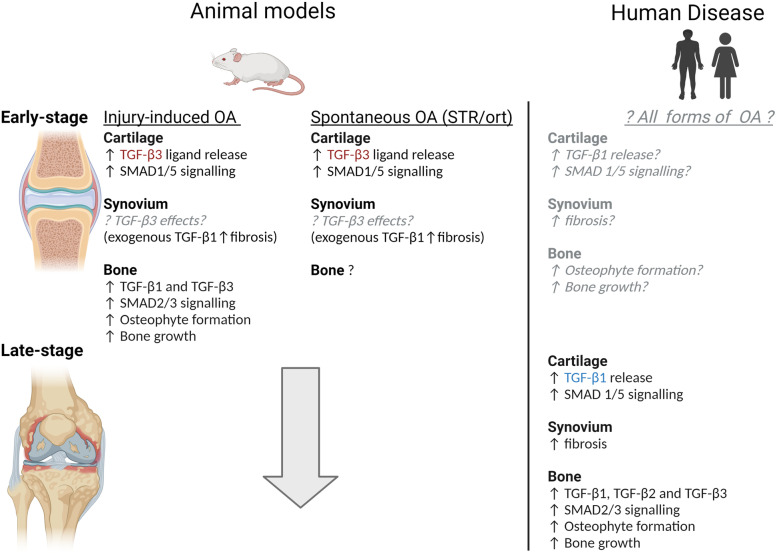
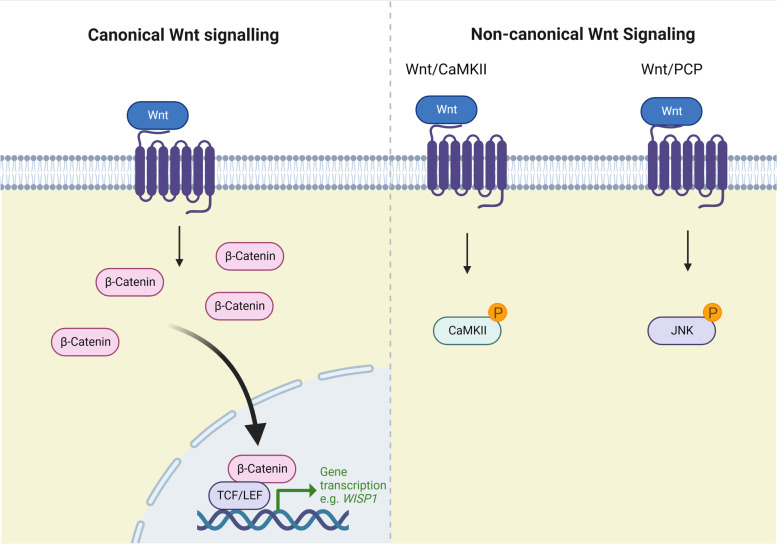
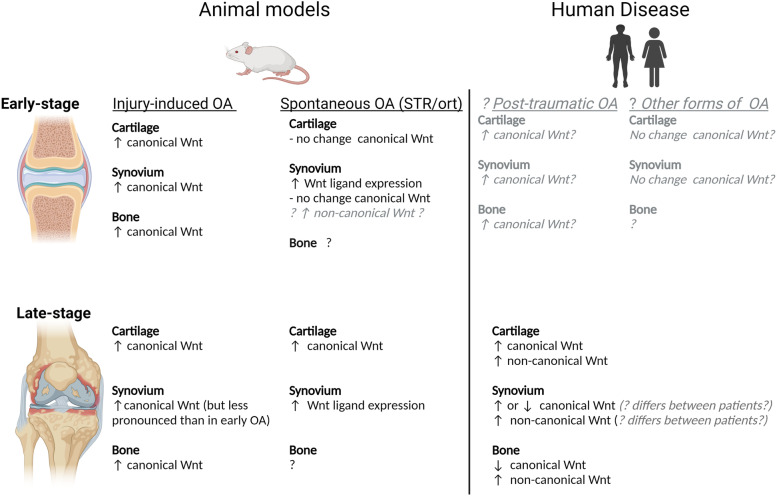
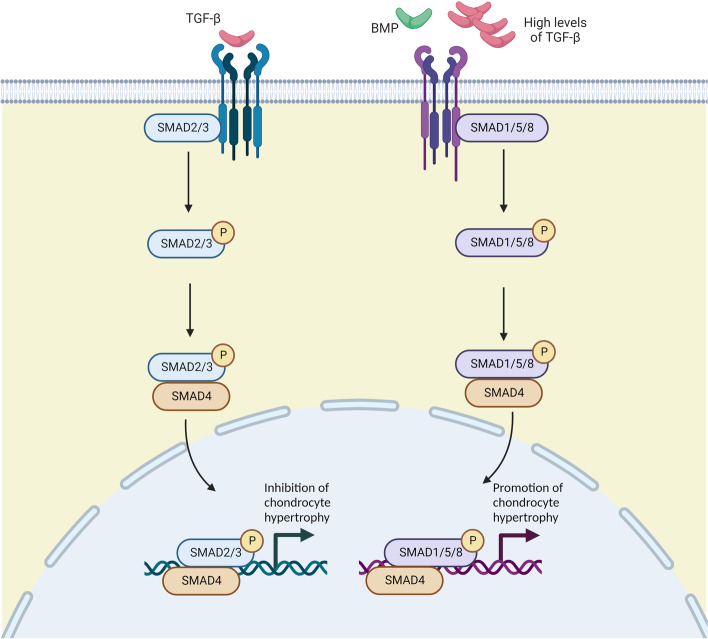
Efforts to develop effective disease-modifying drugs to treat osteoarthritis have so far proved unsuccessful with a number of promising drug candidates from pre-clinical studies failing to show efficacy in clinical trials. It is therefore timely to re-evaluate our current understanding of osteoarthritis pathogenesis and the similarities and differences in disease development between commonly used pre-clinical mouse models and human patients. There is substantial heterogeneity between patients presenting with osteoarthritis and mounting evidence that the pathways involved in osteoarthritis (e.g. Wnt signalling) differ between patient sub-groups. There is also emerging evidence that the pathways involved in osteoarthritis differ between the STR/ort mouse model (the most extensively studied mouse model of spontaneously occurring osteoarthritis) and injury-induced osteoarthritis mouse models. For instance, while canonical Wnt signalling is upregulated in the synovium and cartilage at an early stage of disease in injury-induced osteoarthritis mouse models, this does not appear to be the case in the STR/ort mouse. Such findings may prove insightful for understanding the heterogeneity in mechanisms involved in osteoarthritis pathogenesis in human disease. However, it is important to recognise that there are differences between mice and humans in osteoarthritis pathogenesis. A much more extensive array of pathological changes are evident in osteoarthritic joints in individual mice with osteoarthritis compared to individual patients. There are also specified differences in the pathways involved in disease development. For instance, although increased TGF-β signalling is implicated in osteoarthritis development in both mouse models of osteoarthritis and human disease, in mice, this is mainly mediated through TGF-β3 whereas in humans, it is through TGF-β1. Studies in other tissues have shown TGF-β1 is more potent than TGF-β3 in inducing the switch to SMAD1/5 signalling that occurs in osteoarthritic cartilage and that TGF-β1 and TGF-β3 have opposing effects on fibrosis. It is therefore possible that the relative contribution of TGF-β signalling to joint pathology in osteoarthritis differs between murine models and humans. Understanding the similarities and differences in osteoarthritis pathogenesis between mouse models and humans is critical for understanding the translational potential of findings from pre-clinical studies.
为了开发治疗骨关节炎的有效疾病修饰药物,目前已经进行了大量努力,但来自临床前研究的许多有前途的候选药物在临床试验中都未能显示出疗效。因此,及时重新评估我们目前对骨关节炎发病机制的理解以及临床前常用小鼠模型和人类患者之间疾病发展的相似性和差异性是非常重要的。出现骨关节炎的患者之间存在很大的异质性,并且有越来越多的证据表明,骨关节炎涉及的途径(例如 Wnt 信号通路)在患者亚组之间存在差异。也有新的证据表明,骨关节炎涉及的途径在 STR/ort 小鼠模型(最广泛研究的自发性发生骨关节炎的小鼠模型)和损伤诱导的骨关节炎小鼠模型之间存在差异。例如,虽然在损伤诱导的骨关节炎小鼠模型中,经典 Wnt 信号通路在疾病的早期阶段就被上调,但在 STR/ort 小鼠中似乎并非如此。这些发现可能有助于深入了解人类疾病中骨关节炎发病机制所涉及的机制异质性。然而,重要的是要认识到在骨关节炎发病机制方面,小鼠和人类之间存在差异。与单个患者相比,患有骨关节炎的个体小鼠的关节中明显存在更多种类的病理变化。疾病发展过程中涉及的途径也存在特定差异。例如,尽管 TGF-β 信号通路的增加与骨关节炎小鼠模型和人类疾病的骨关节炎发展都有关,但在小鼠中,主要是通过 TGF-β3 介导的,而在人类中,则是通过 TGF-β1 介导的。在其他组织中的研究表明,TGF-β1 在诱导骨关节炎软骨中发生的 SMAD1/5 信号通路转换方面比 TGF-β3 更有效,并且 TGF-β1 和 TGF-β3 对纤维化具有相反的作用。因此,TGF-β 信号通路对骨关节炎关节病理的相对贡献在小鼠模型和人类之间可能存在差异。了解骨关节炎发病机制在小鼠模型和人类之间的相似性和差异性,对于理解临床前研究结果的转化潜力至关重要。