Institute of Pediatrics, Children's Hospital of Fudan University, the Shanghai Key Laboratory of Medical Epigenetics, the Institutes of Biomedical Sciences, the State Key Laboratory of Genetic Engineering, Fudan University, Shanghai, China.
Clinical Research Center for Reproduction and Genetics in Hunan Province, Reproductive and Genetic Hospital of CITIC-Xiangya, Changsha, China.
EMBO Mol Med. 2023 Jun 7;15(6):e17177. doi: 10.15252/emmm.202217177. Epub 2023 Apr 13.
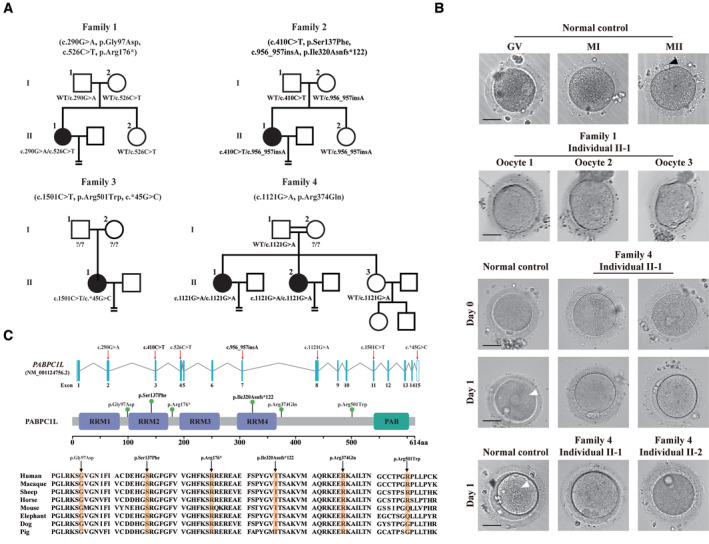
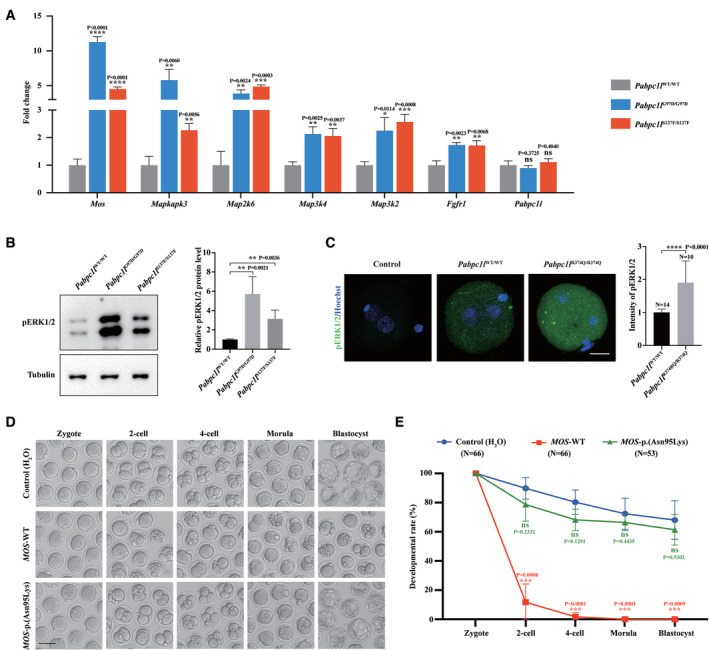
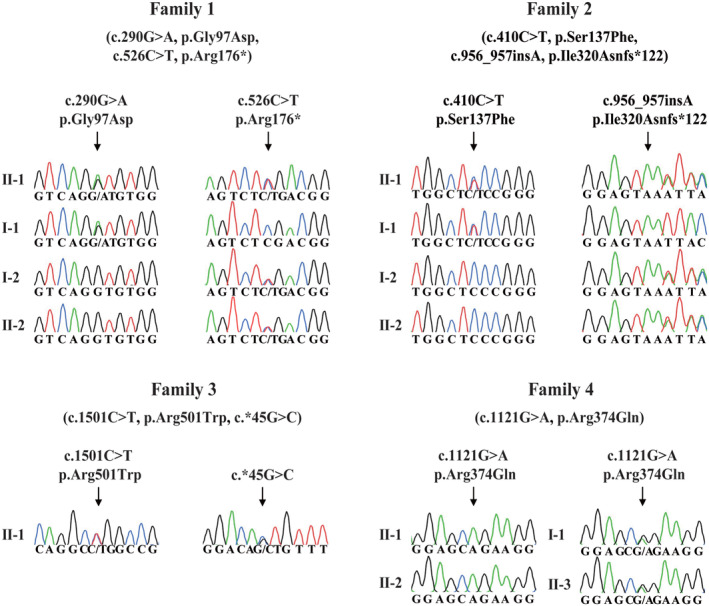
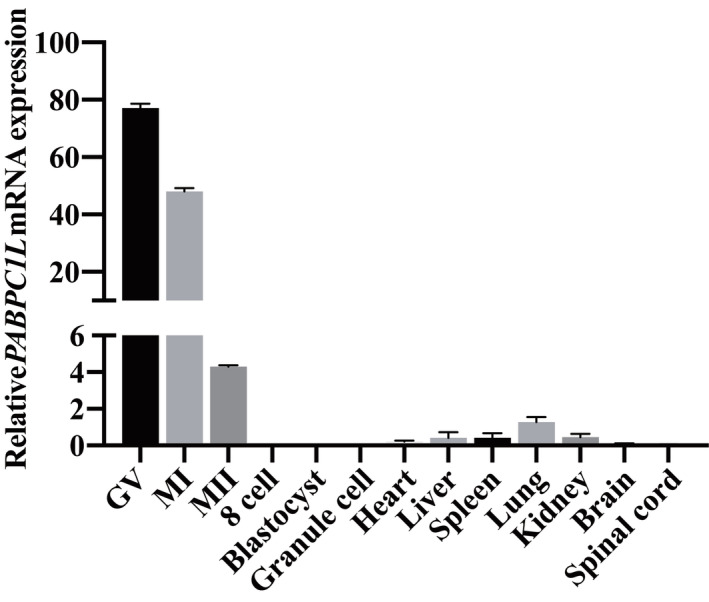
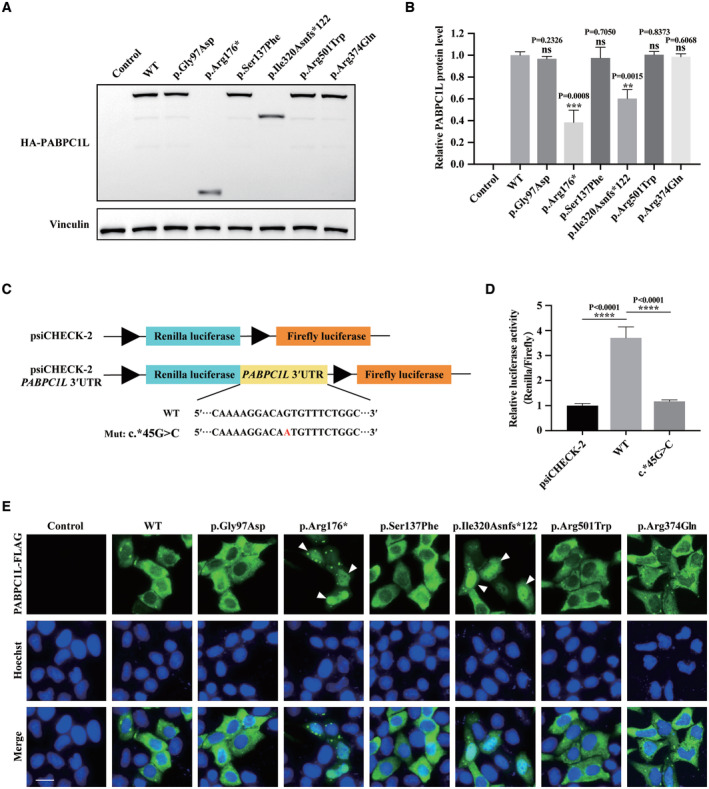
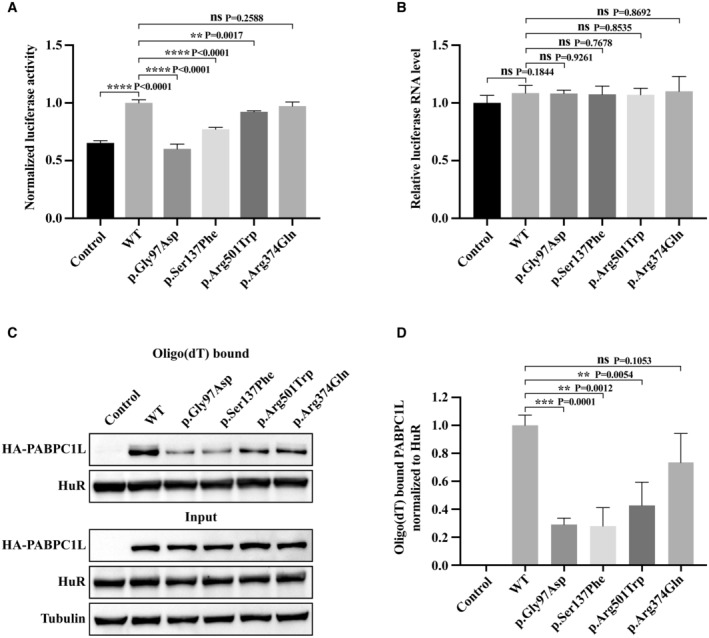
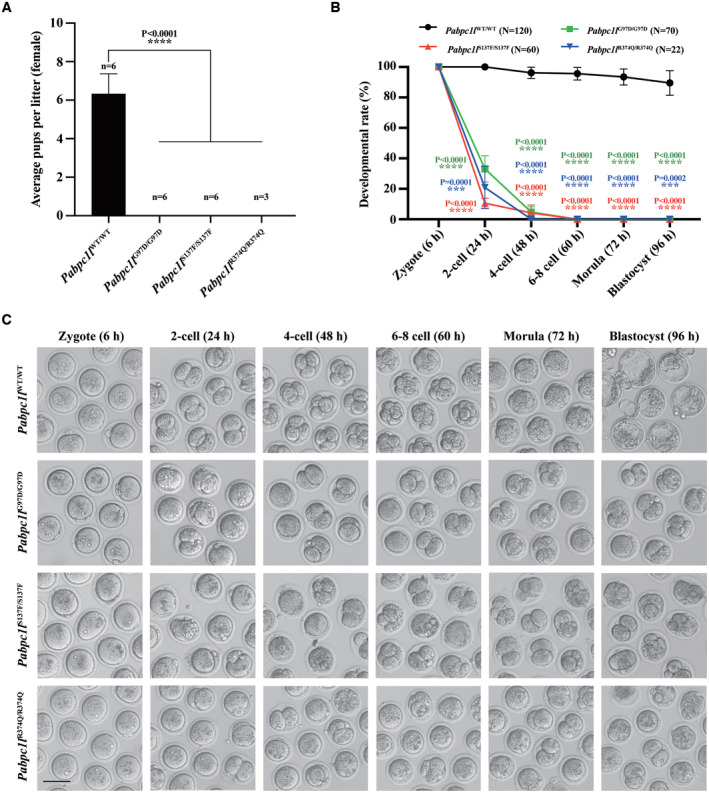
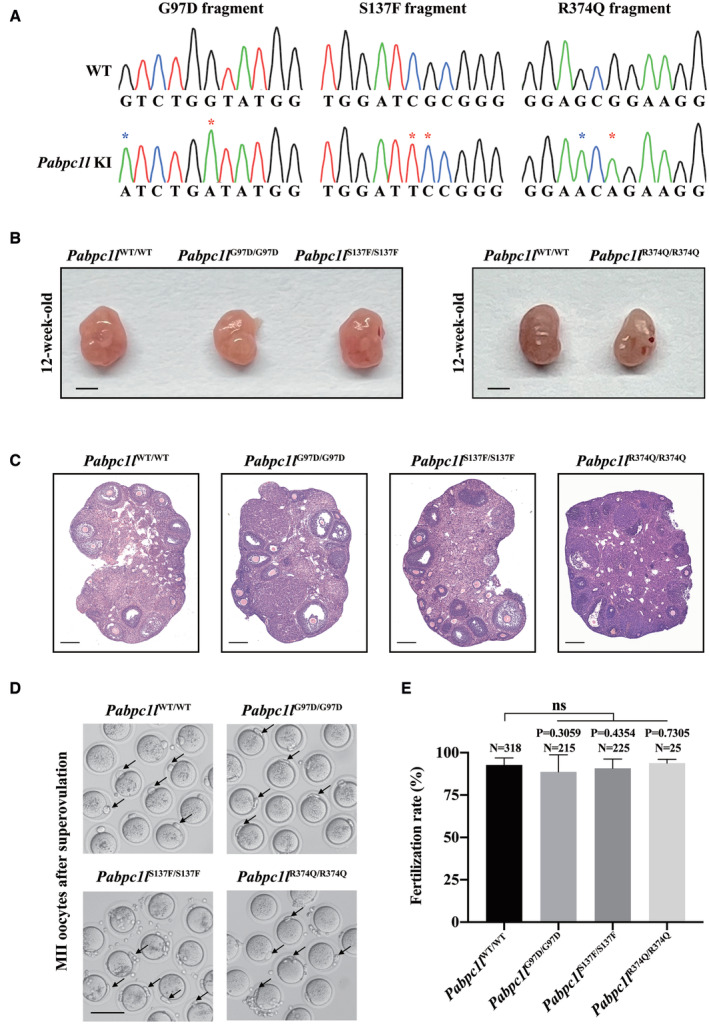
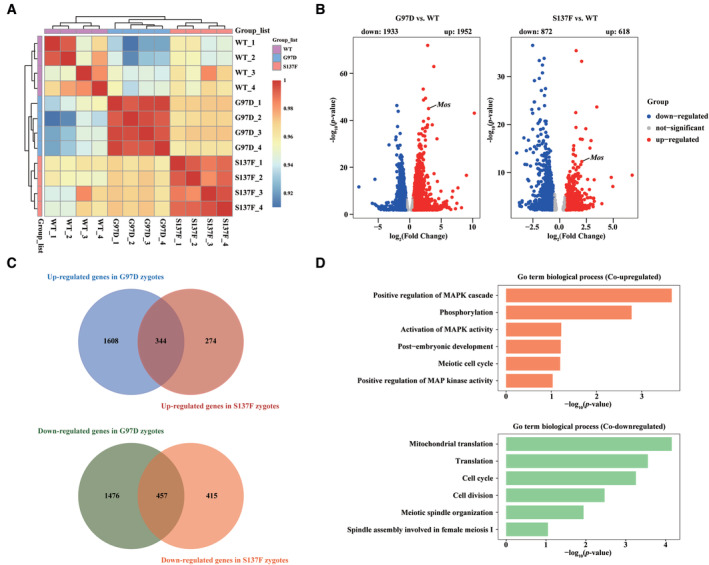
Oocyte maturation arrest is one of the important causes of female infertility, but the genetic factors remain largely unknown. PABPC1L, a predominant poly(A)-binding protein in Xenopus, mouse, and human oocytes and early embryos prior to zygotic genome activation, plays a key role in translational activation of maternal mRNAs. Here, we identified compound heterozygous and homozygous variants in PABPC1L that are responsible for female infertility mainly characterized by oocyte maturation arrest in five individuals. In vitro studies demonstrated that these variants resulted in truncated proteins, reduced protein abundance, altered cytoplasmic localization, and reduced mRNA translational activation by affecting the binding of PABPC1L to mRNA. In vivo, three strains of Pabpc1l knock-in (KI) female mice were infertile. RNA-sequencing analysis showed abnormal activation of the Mos-MAPK pathway in the zygotes of KI mice. Finally, we activated this pathway in mouse zygotes by injecting human MOS mRNA, and this mimicked the phenotype of KI mice. Our findings reveal the important roles of PABPC1L in human oocyte maturation and add a genetic potential candidate gene to be screened for causes of infertility.
卵母细胞成熟阻滞是女性不孕的重要原因之一,但遗传因素在很大程度上仍不清楚。PABPC1L 是爪蟾、小鼠和人类卵母细胞和早期胚胎中主要的多聚(A)结合蛋白,在母体 mRNA 的翻译激活中发挥关键作用。在这里,我们在五个个体中鉴定出 PABPC1L 的复合杂合子和纯合子变体,这些变体主要导致卵母细胞成熟阻滞,导致女性不孕。体外研究表明,这些变体通过影响 PABPC1L 与 mRNA 的结合,导致截短蛋白、蛋白丰度降低、细胞质定位改变和 mRNA 翻译激活减少。在体内,三种 Pabpc1l 敲入 (KI) 雌性小鼠不育。RNA 测序分析显示 KI 小鼠的 Mos-MAPK 途径异常激活。最后,我们通过注射人 MOS mRNA 在小鼠合子中激活该途径,这模拟了 KI 小鼠的表型。我们的研究结果揭示了 PABPC1L 在人类卵母细胞成熟中的重要作用,并为筛选不孕原因增加了一个遗传候选基因。