Graduate School of Dalian Medical University, Dalian, China.
Department of Engineering Mechanics, Dalian University of Technology, Dalian, China.
BMC Oral Health. 2023 Apr 15;23(1):220. doi: 10.1186/s12903-023-02945-9.
This experiment aimed to investigate the effects of bone conditions and osseointegration rates on the stress distribution of short implants using finite element analysis and also to provide some reference for the application of short implants from a biomechanical prospect.
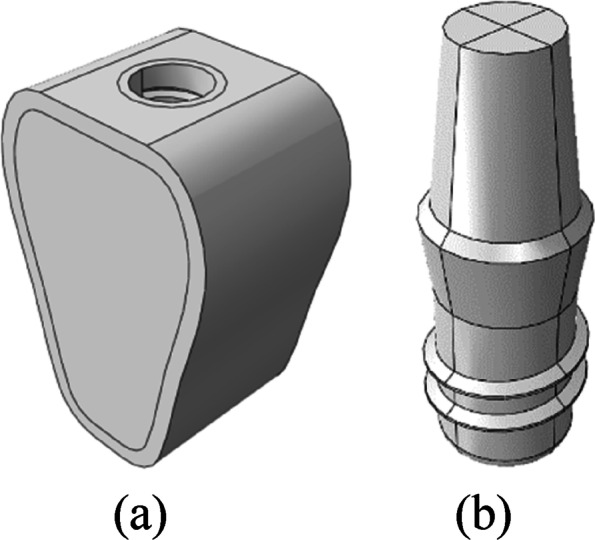
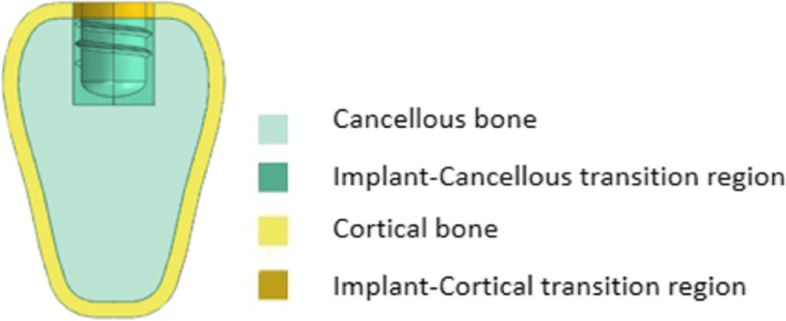
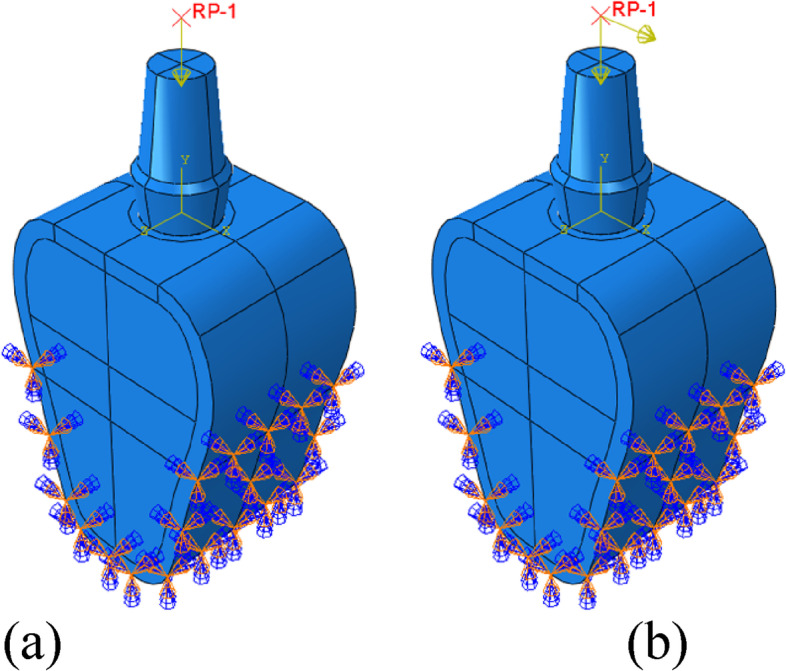
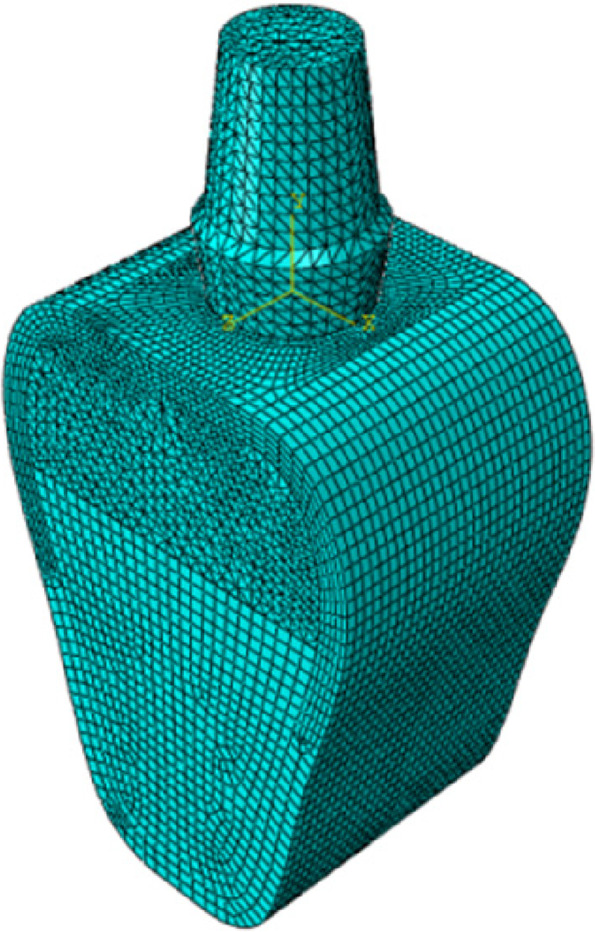
Anisotropic jaw bone models with three bone conditions and 4.1 × 6 mm implant models were created, and four osseointegration rates were simulated. Stress and strain for the implants and jaws were calculated during vertical or oblique loading.
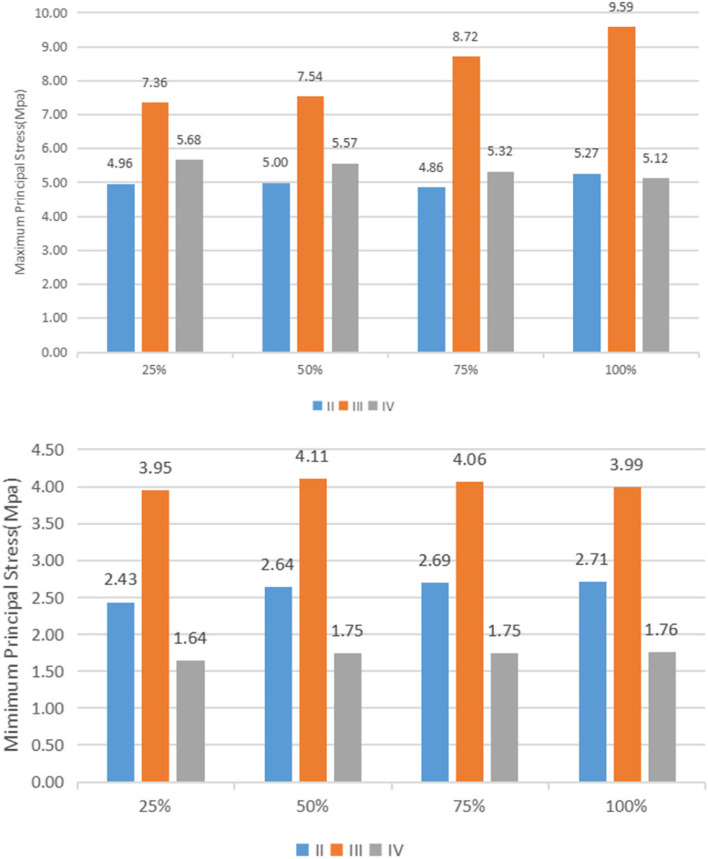
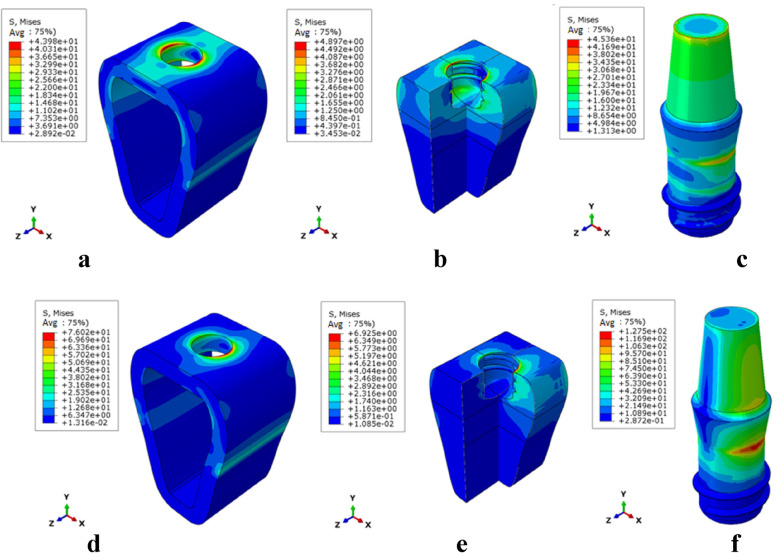
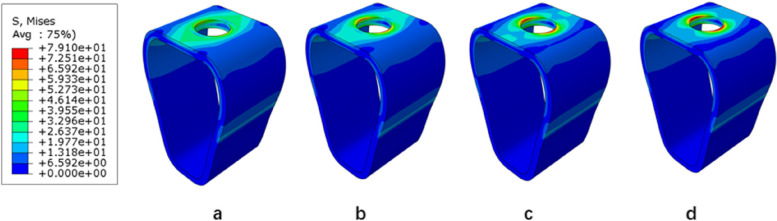
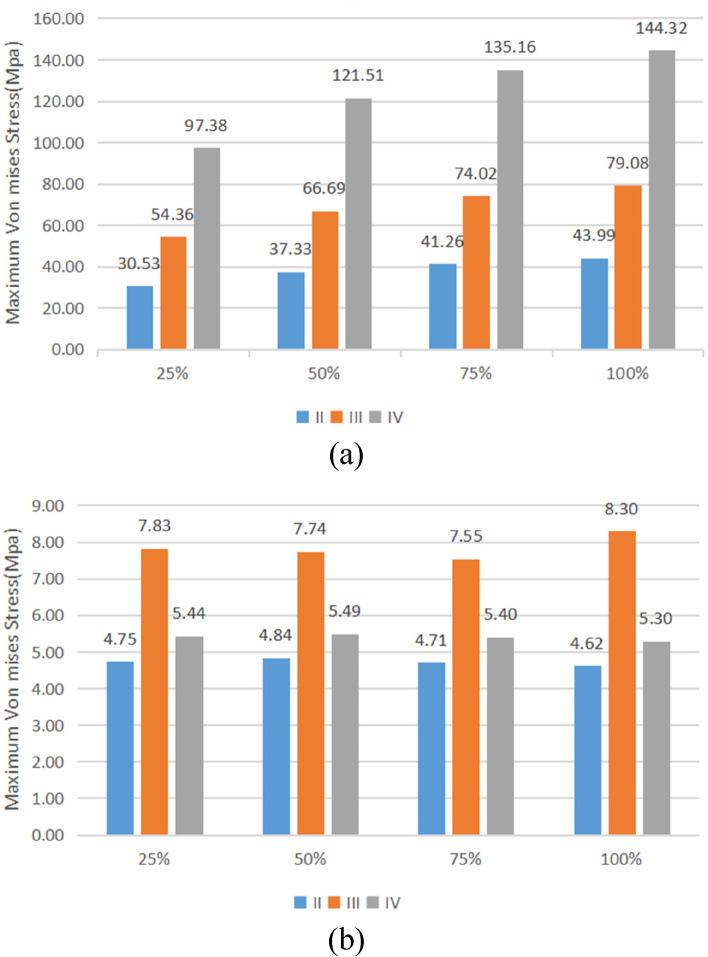
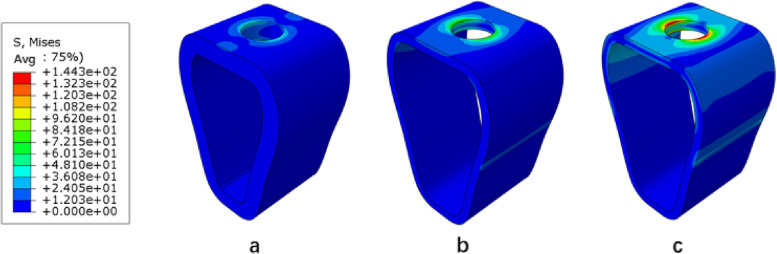
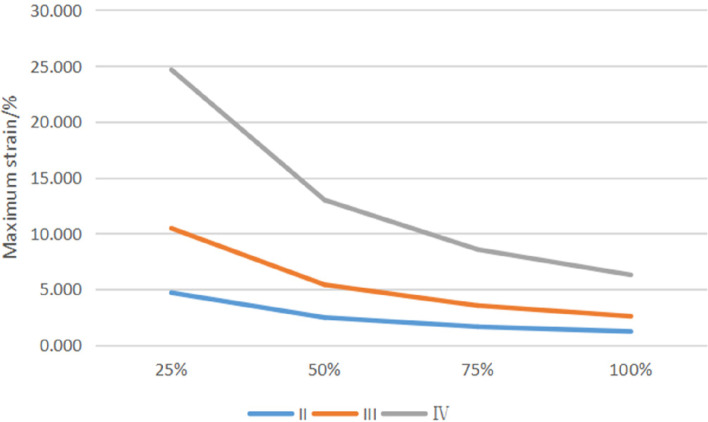
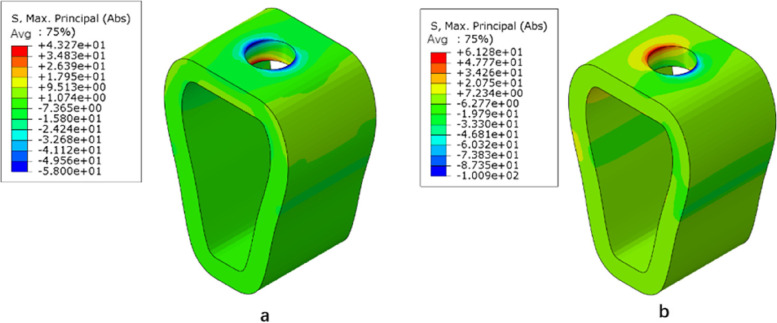
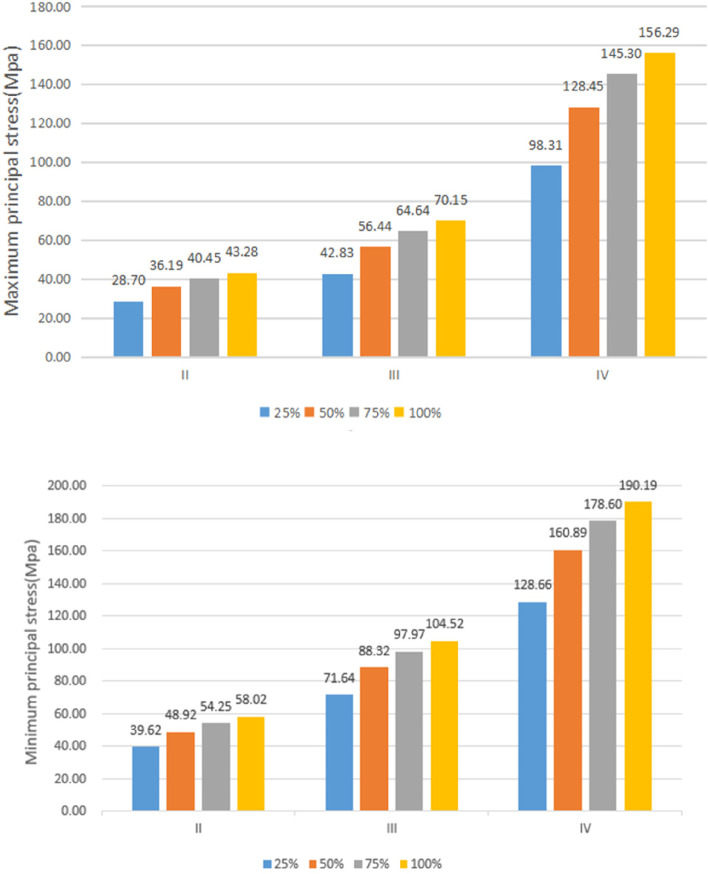
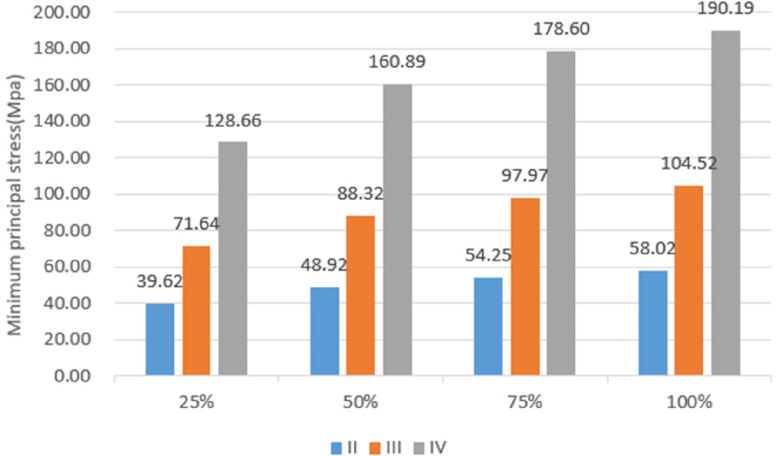
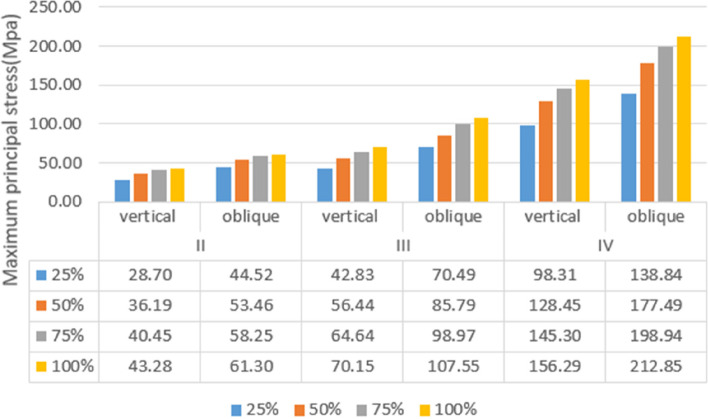
The cortical bone area around the implant neck was most stressed. The maximum von Mises stress in cortical bone increased with bone deterioration and osseointegration rate, with maximum values of 144.32 MPa and 203.94 MPa for vertical and inclined loading, respectively. The osseointegration rate had the greatest effect on the maximum principal stress in cortical bone of type III bone, with its value increasing by 63.8% at a 100% osseointegration rate versus a 25% osseointegration rate. The maximum and minimum principal stresses under inclined load are 1.3 ~ 1.7 and 1.4 ~ 1.8 times, respectively, those under vertical load. The stress on the jaw bone did not exceed the threshold when the osseointegration rate was ≥ 50% for Type II and 100% for Type III. High strain zones are found in cancellous bone, and the maximum strain increases as the bone condition deteriorate and the rate of osseointegration decreases.
The maximum stress in the jaw bone increases as the bone condition deteriorates and the osseointegration rate increases. Increased osseointegration rate reduces cancellous bone strain and improves implant stability without exceeding the yield strength of the cortical bone. When the bone condition is good, and the osseointegration ratio is relatively high, 6 mm short implants can be used. In clinical practice, incline loading is an unfavorable loading condition, and axial loading should be used as much as possible.
本实验旨在通过有限元分析研究不同骨条件和骨整合率对短种植体应力分布的影响,从生物力学角度为短种植体的应用提供参考。
建立了三种骨条件和 4.1×6mm 种植体模型的各向异性颌骨模型,并模拟了四种骨整合率。在垂直或倾斜加载下计算种植体和颌骨的应力和应变。
种植体颈部周围的皮质骨区域受力最大。皮质骨的最大 von Mises 应力随骨恶化和骨整合率的增加而增加,垂直和倾斜加载时的最大值分别为 144.32MPa 和 203.94MPa。骨整合率对 III 型骨皮质骨的最大主应力影响最大,在 100%骨整合率下比 25%骨整合率下增加了 63.8%。倾斜加载时的最大和最小主应力分别是垂直加载时的 1.31.7 倍和 1.41.8 倍。当骨整合率为 II 型≥50%和 III 型 100%时,颌骨上的应力不超过阈值。松质骨中存在高应变区,最大应变随骨条件恶化和骨整合率降低而增加。
随着骨条件恶化和骨整合率增加,颌骨的最大应力增加。增加的骨整合率减少了松质骨的应变,提高了种植体的稳定性,而不会超过皮质骨的屈服强度。在骨条件良好且骨整合率较高的情况下,可以使用 6mm 短种植体。在临床实践中,倾斜加载是一种不利的加载条件,应尽可能使用轴向加载。