Department of Pharmacology, University of Minnesota, Minneapolis, Minnesota.
Department of Pharmacology, University of Minnesota, Minneapolis, Minnesota.
Biol Psychiatry. 2023 Dec 1;94(11):863-874. doi: 10.1016/j.biopsych.2023.04.006. Epub 2023 Apr 15.
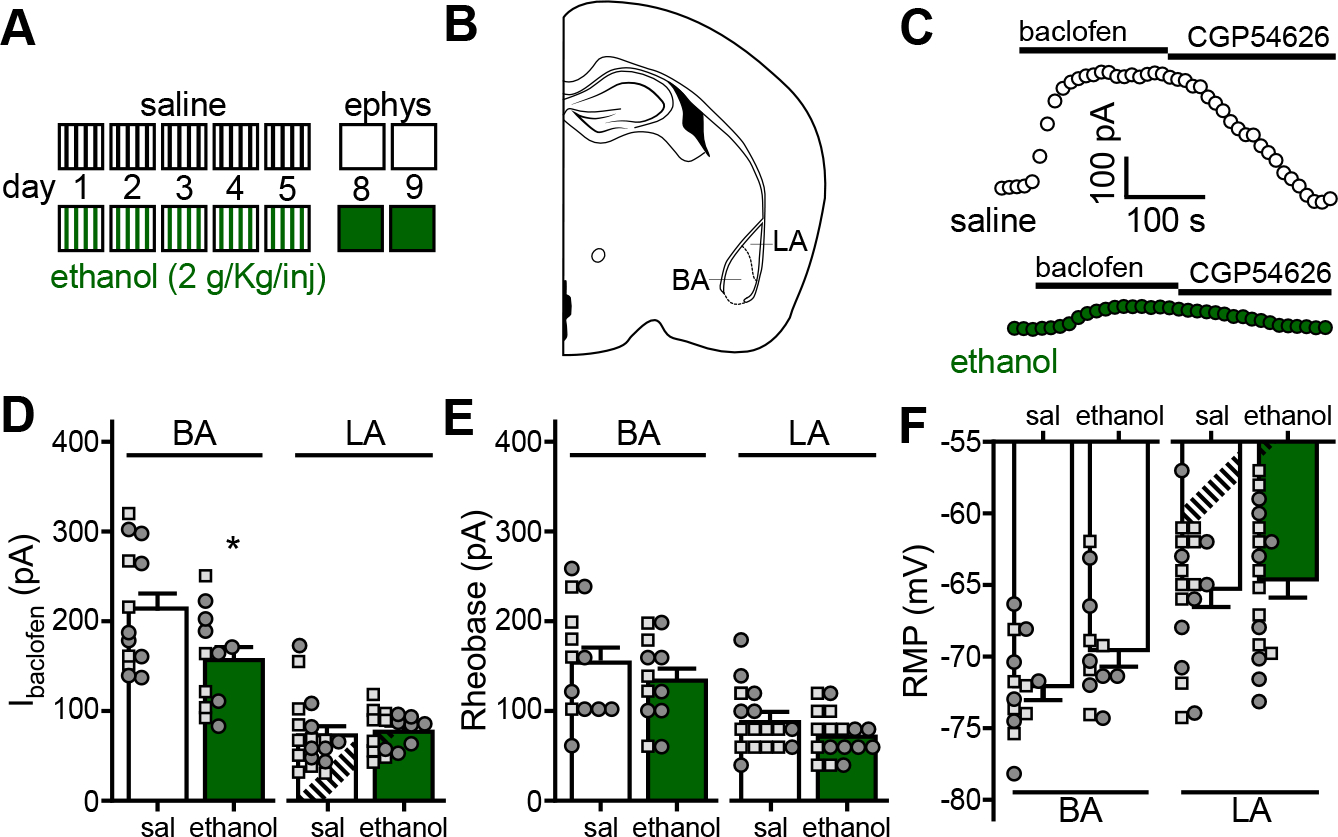
The basolateral amygdala (BLA) regulates mood and associative learning and has been linked to the development and persistence of alcohol use disorder. The GABAR (gamma-aminobutyric acid B receptor) is a promising therapeutic target for alcohol use disorder, and previous work suggests that exposure to ethanol and other drugs can alter neuronal GABAR-dependent signaling. The effect of ethanol on GABAR-dependent signaling in the BLA is unknown.
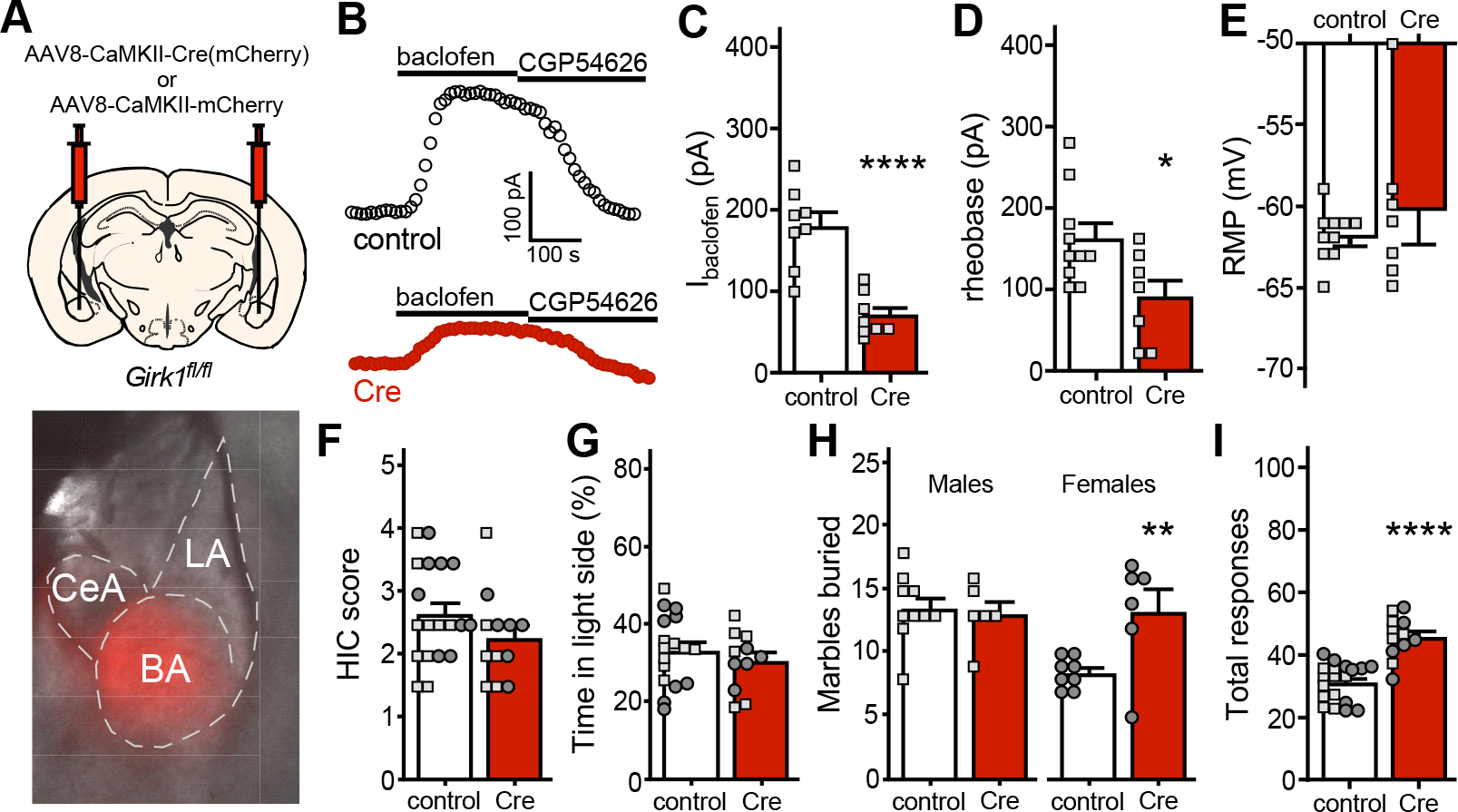
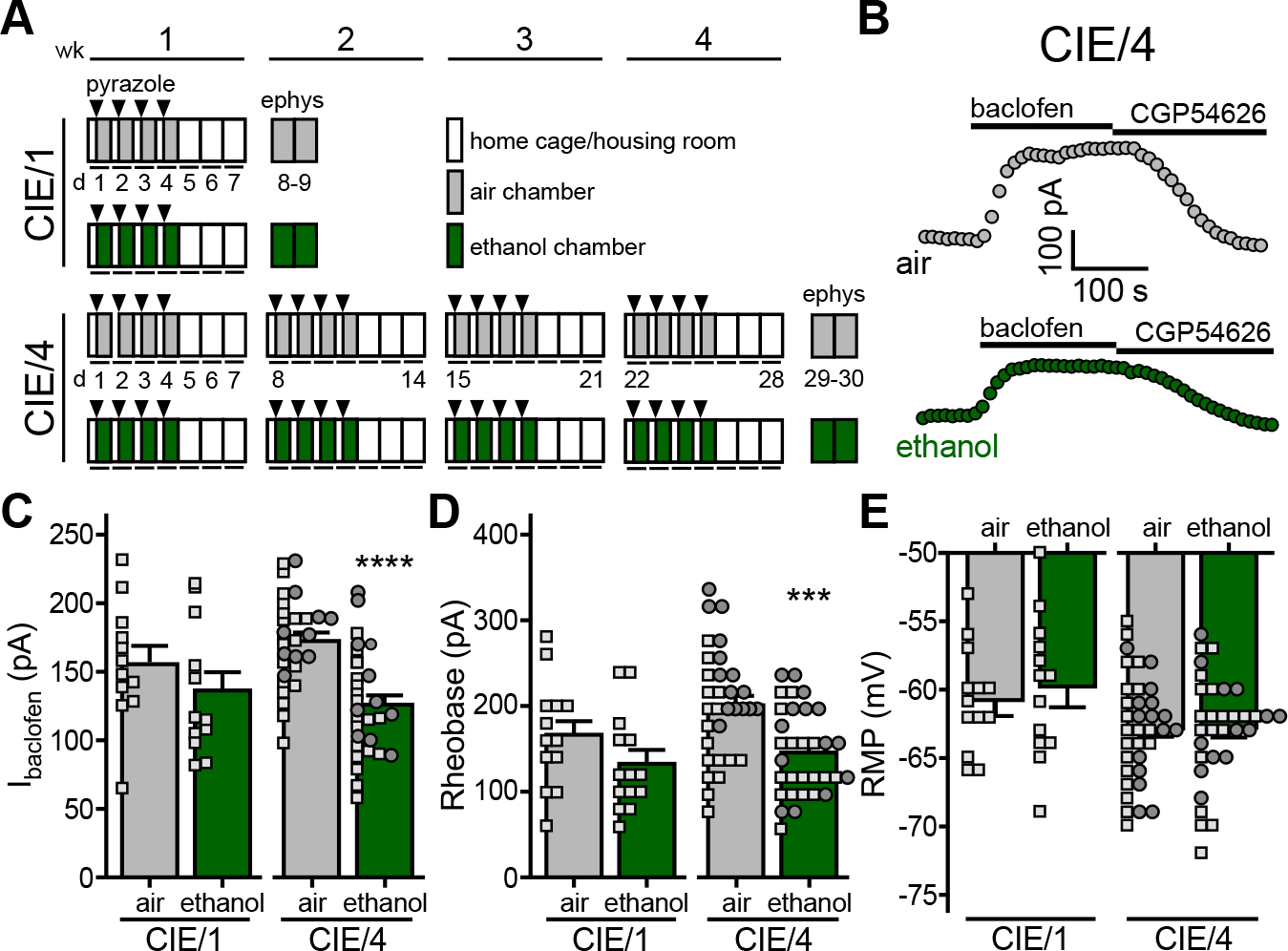
GABAR-dependent signaling in the mouse BLA was examined using slice electrophysiology following repeated ethanol exposure. Neuron-specific viral genetic manipulations were then used to understand the relevance of ethanol-induced neuroadaptations in the basal amygdala subregion (BA) to mood-related behavior.
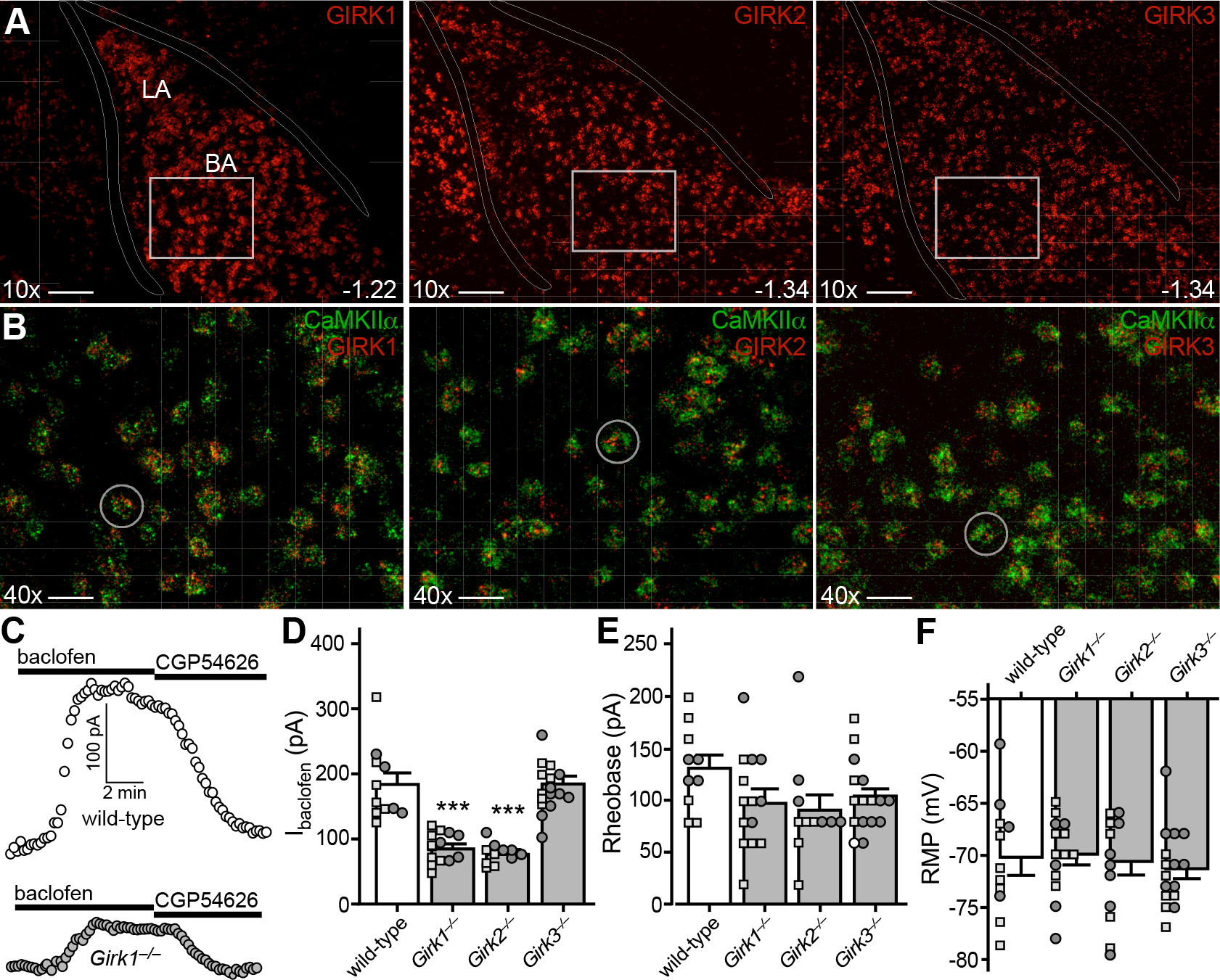
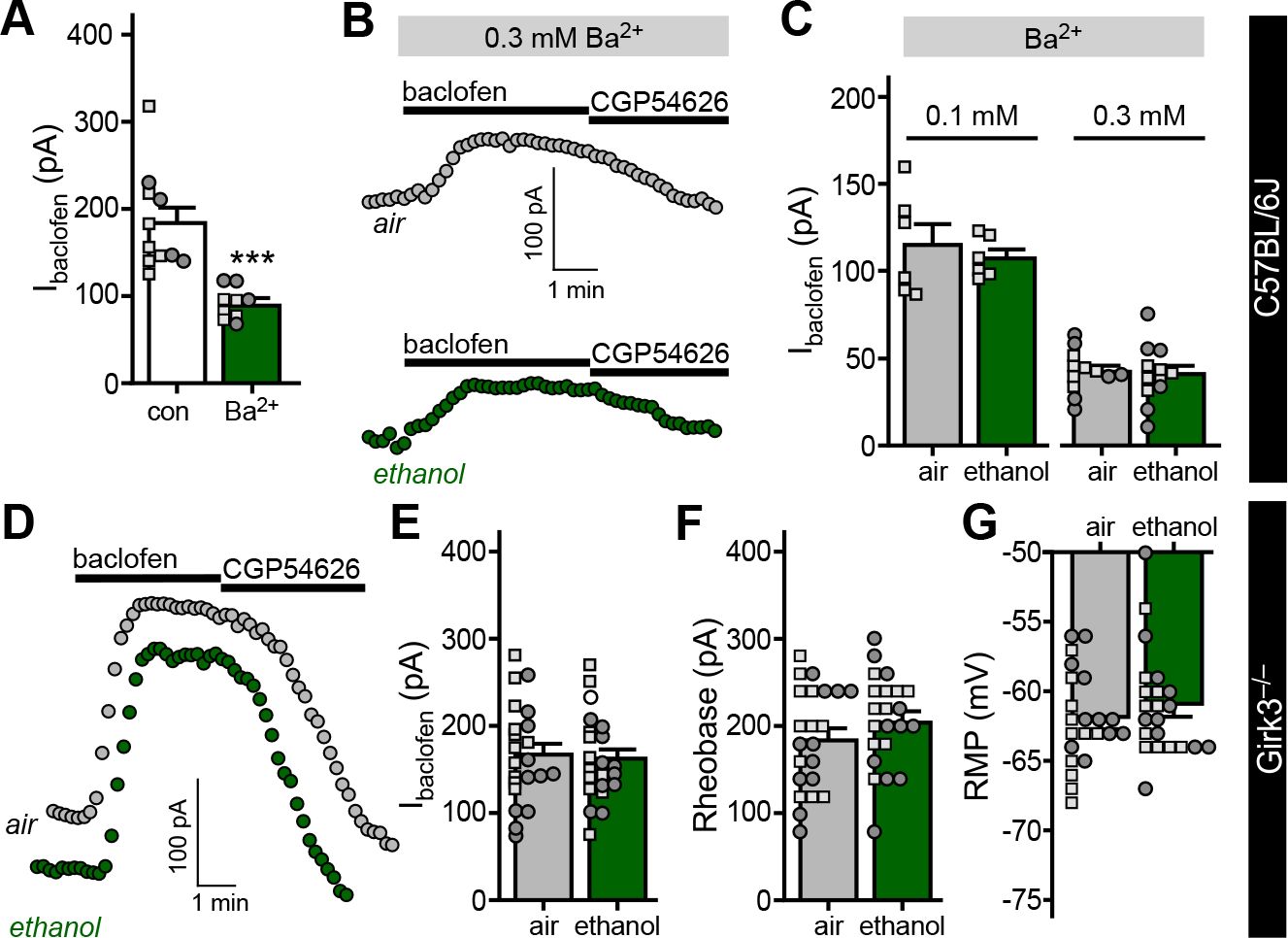
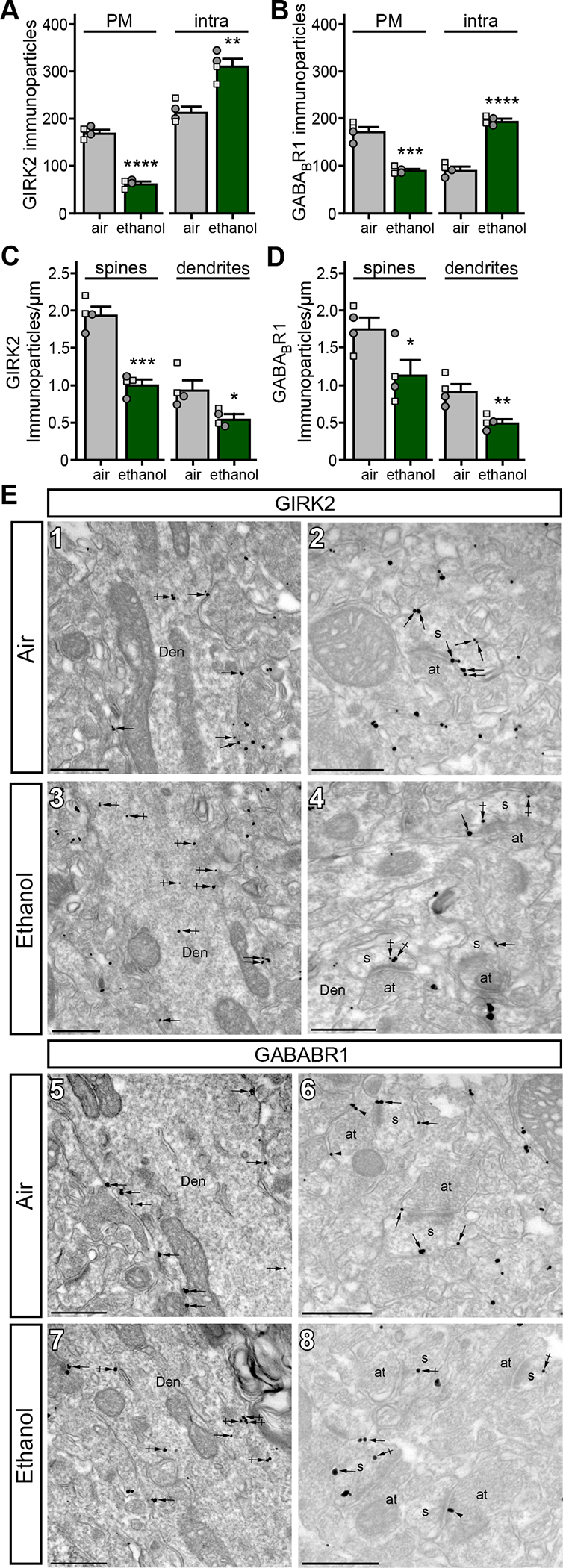
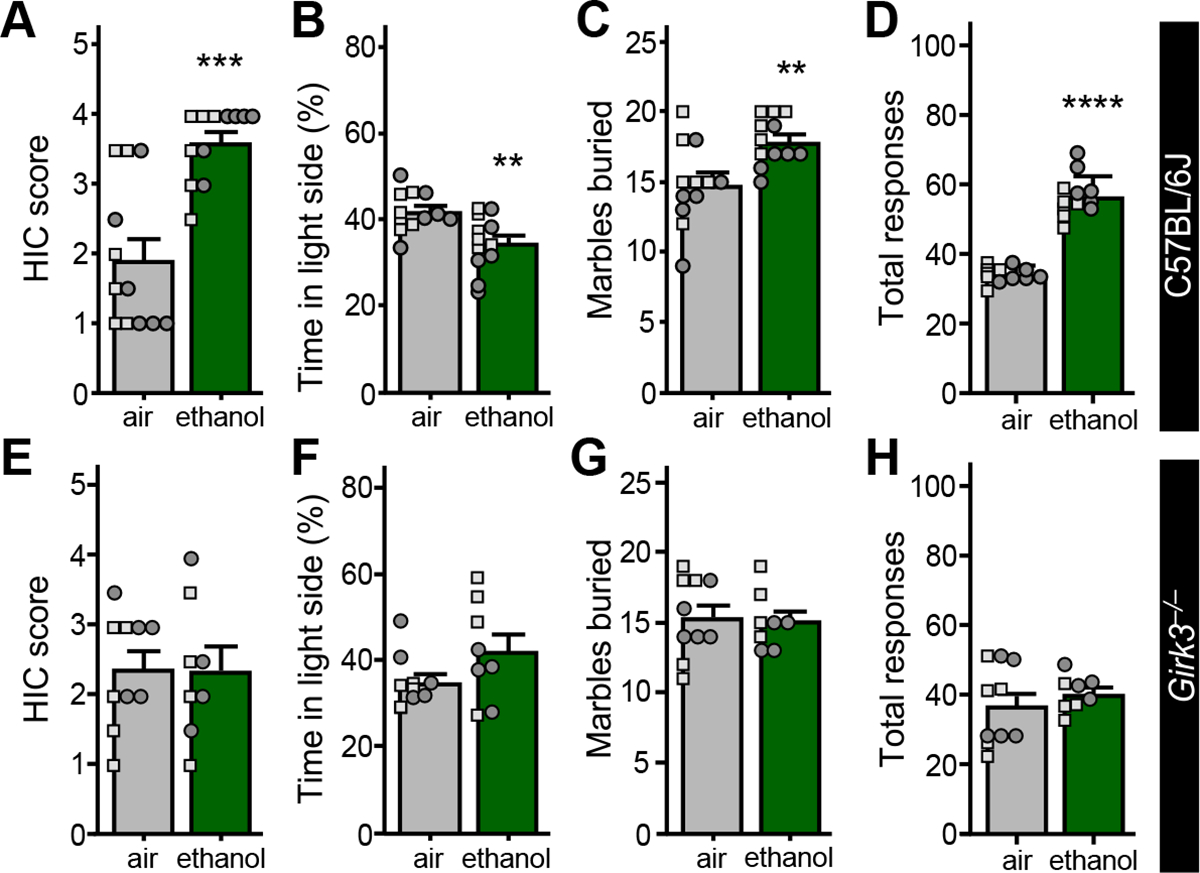
The somatodendritic inhibitory effect of GABAR activation on principal neurons in the basal but not the lateral subregion of the BLA was diminished following ethanol exposure. This adaptation was attributable to the suppression of GIRK (G protein-gated inwardly rectifying K) channel activity and was mirrored by a redistribution of GABAR and GIRK channels from the surface membrane to internal sites. While GIRK1 and GIRK2 subunits are critical for GIRK channel formation in BA principal neurons, GIRK3 is necessary for the ethanol-induced neuroadaptation. Viral suppression of GIRK channel activity in BA principal neurons from ethanol-naïve mice recapitulated some mood-related behaviors observed in C57BL/6J mice during ethanol withdrawal.
The ethanol-induced suppression of GIRK-dependent signaling in BA principal neurons contributes to some of the mood-related behaviors associated with ethanol withdrawal in mice. Approaches designed to prevent this neuroadaptation and/or strengthen GIRK-dependent signaling may prove useful for the treatment of alcohol use disorder.
基底外侧杏仁核(BLA)调节情绪和联想学习,与酒精使用障碍的发展和持续有关。GABAR(γ-氨基丁酸 B 受体)是治疗酒精使用障碍的一个有前途的靶点,先前的工作表明,暴露于乙醇和其他药物会改变神经元 GABAR 依赖性信号传导。乙醇对 BLA 中 GABAR 依赖性信号传导的影响尚不清楚。
使用重复乙醇暴露后的切片电生理学检查小鼠 BLA 中的 GABAR 依赖性信号传导。然后使用神经元特异性病毒遗传操作来了解基底杏仁核亚区(BA)中乙醇诱导的神经适应与情绪相关行为的相关性。
BLA 基底而非外侧亚区中 GABAR 激活对主神经元的胞体树突抑制作用在乙醇暴露后减弱。这种适应归因于 GIRK(G 蛋白门控内向整流钾)通道活性的抑制,并且与 GABAR 和 GIRK 通道从表面膜向内部位置的重新分布相匹配。虽然 GIRK1 和 GIRK2 亚基对于 BA 主神经元中的 GIRK 通道形成至关重要,但 GIRK3 对于乙醇诱导的神经适应是必要的。从乙醇-naive 小鼠的 BA 主神经元中病毒抑制 GIRK 通道活性可重现 C57BL/6J 小鼠在乙醇戒断期间观察到的一些与情绪相关的行为。
BA 主神经元中 GIRK 依赖性信号传导的乙醇诱导抑制导致与小鼠乙醇戒断相关的一些情绪相关行为。旨在预防这种神经适应和/或增强 GIRK 依赖性信号传导的方法可能对治疗酒精使用障碍有用。