Yalcin Gizem, Themeli Erlis, Stamhuis Evert, Philipsen Stefan, Puntoni Stefano
Rotterdam School of Management, Erasmus University Rotterdam, Postbus 1738, 3000 DR Rotterdam, Netherlands.
Erasmus School of Law, Erasmus University Rotterdam, Postbus 1738, 3000 DR, Rotterdam, Netherlands.
Artif Intell Law (Dordr). 2023;31(2):269-292. doi: 10.1007/s10506-022-09312-z. Epub 2022 Apr 5.
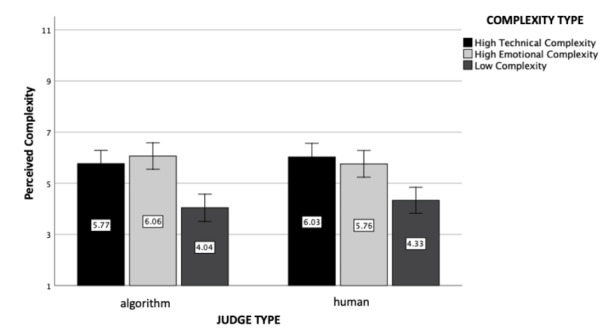
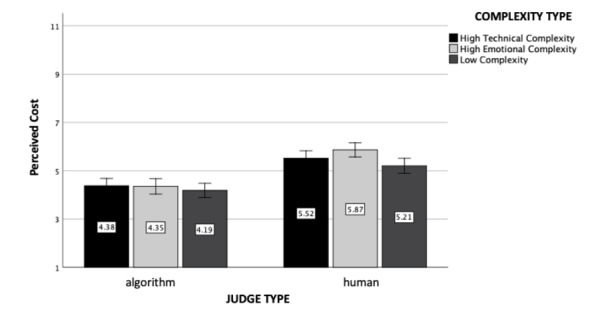
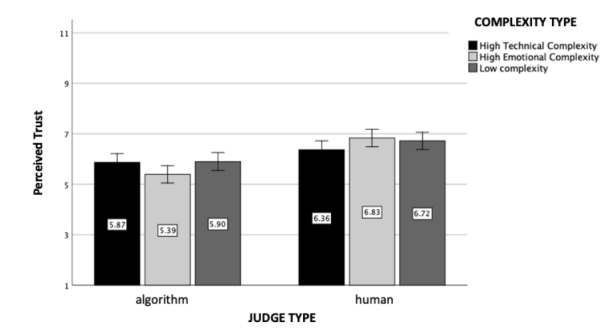
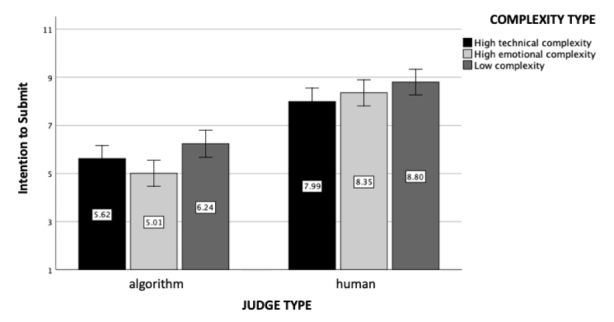
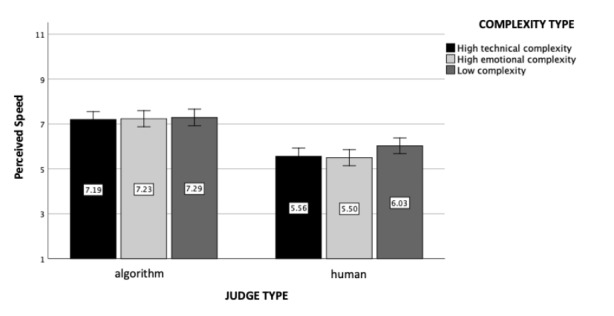
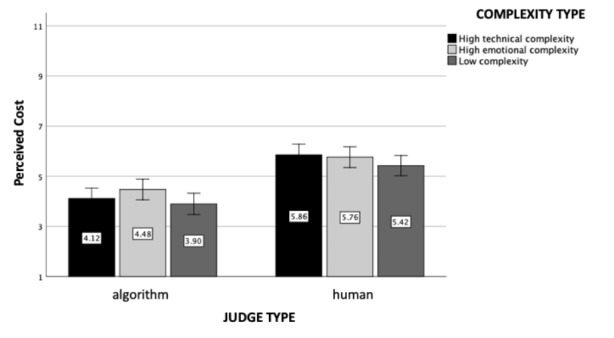
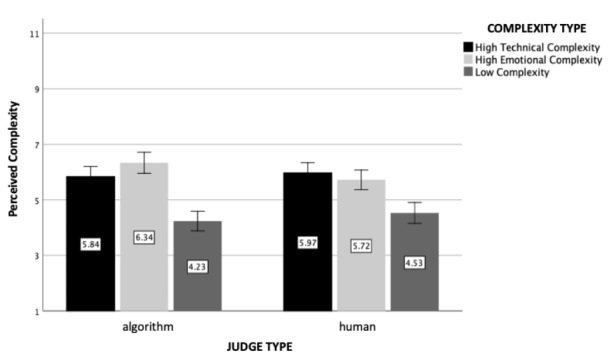
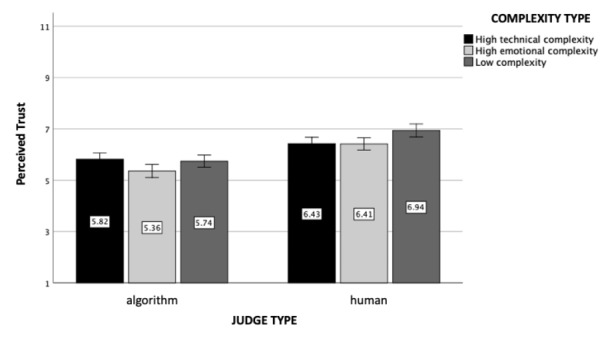
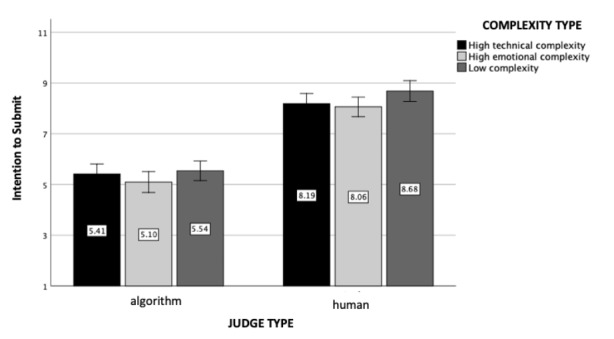
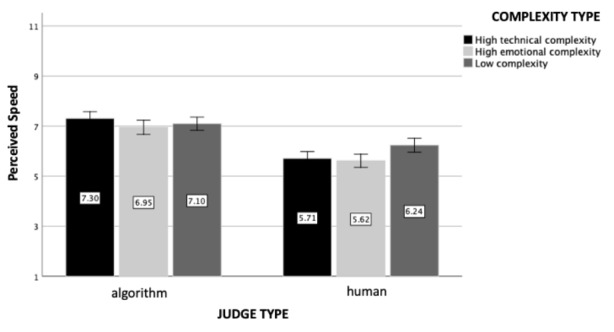
Artificial Intelligence and algorithms are increasingly able to replace human workers in cognitively sophisticated tasks, including ones related to justice. Many governments and international organizations are discussing policies related to the application of algorithmic judges in courts. In this paper, we investigate the public perceptions of algorithmic judges. Across two experiments (N = 1,822), and an internal meta-analysis (N = 3,039), our results show that even though court users acknowledge several advantages of algorithms (i.e., cost and speed), they trust human judges more and have greater intentions to go to the court when a human (vs. an algorithmic) judge adjudicates. Additionally, we demonstrate that the extent that individuals trust algorithmic and human judges depends on the nature of the case: trust for algorithmic judges is especially low when legal cases involve emotional complexities (vs. technically complex or uncomplicated cases).
The online version contains supplementary material available at 10.1007/s10506-022-09312-z.
人工智能和算法越来越能够在认知复杂的任务中取代人类工作者,包括与司法相关的任务。许多政府和国际组织正在讨论与在法庭上应用算法法官相关的政策。在本文中,我们调查了公众对算法法官的看法。通过两项实验(N = 1,822)以及一项内部荟萃分析(N = 3,039),我们的结果表明,尽管法庭使用者认可算法的若干优势(即成本和速度),但当由人类(而非算法)法官进行裁决时,他们更信任人类法官,并且有更强的意愿前往法庭。此外,我们证明了个体对算法法官和人类法官的信任程度取决于案件的性质:当法律案件涉及情感复杂性时(相对于技术复杂或简单的案件),对算法法官的信任尤其低。
在线版本包含可在10.1007/s10506-022-09312-z获取的补充材料。