School of Basic medical, Inner Mongolia Medical University, Hohhot, Inner Mongolia, China.
School of Life science, Inner Mongolia University, Hohhot, Inner Mongolia, China.
J Cell Mol Med. 2023 May;27(10):1436-1441. doi: 10.1111/jcmm.17743. Epub 2023 Apr 18.
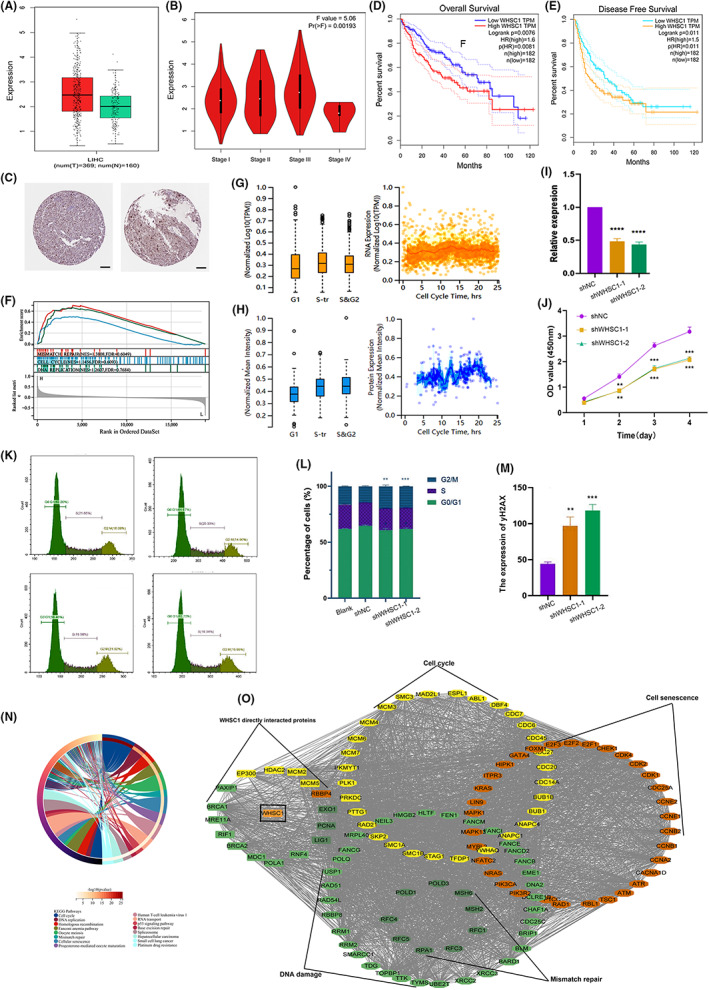
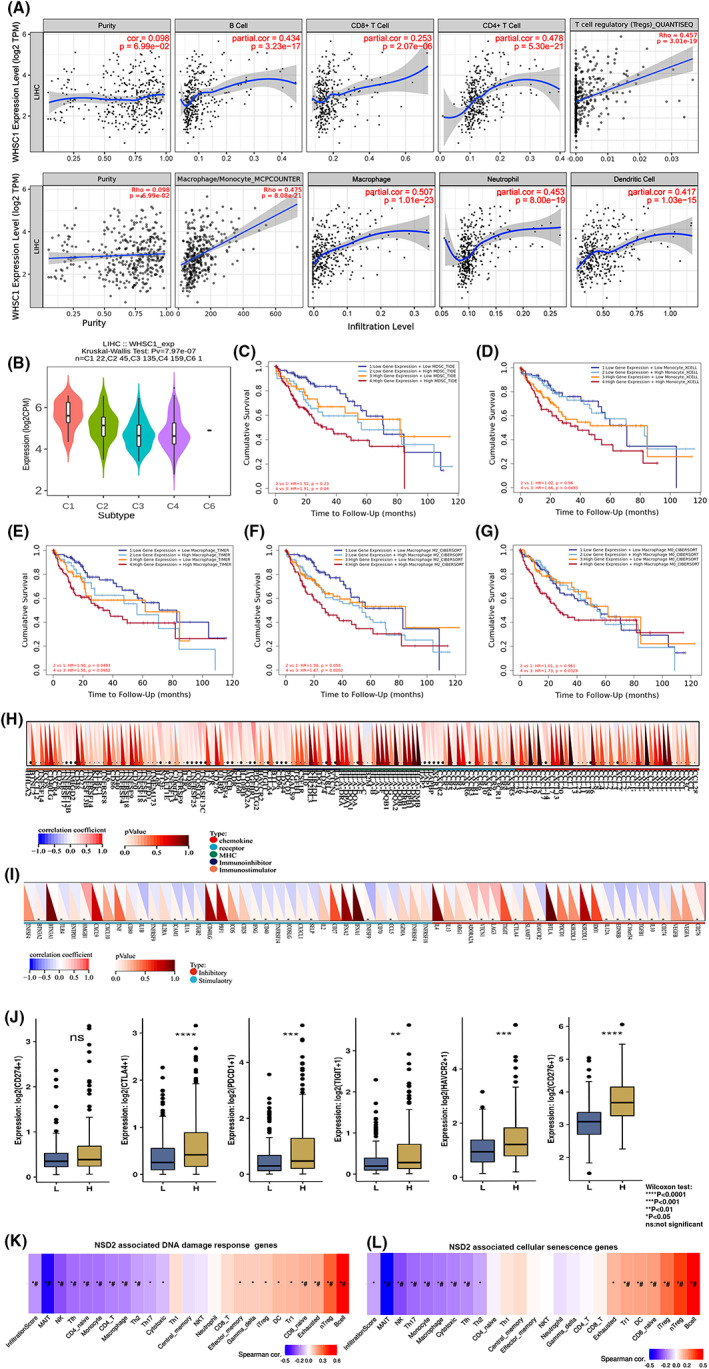
Wolf-Hirschhorn syndrome candidate 1 (WHSC1) is a transcriptional regulatory protein that encodes a histone methyltransferase to control H3K36me2 modification. WHSC1 was upregulated and associated with poor prognosis in HCC. The elevated WHSC1 likely due to the alterations of DNA methylation or RNA modification. WHSC1 perhaps form a chromatin cross talk with H3K27me3 and DNA methylation to regulate transcription factors expression in HCC. Functional analysis indicated that WHSC1 was involved in DNA damage repair, cell cycle, cellular senescence and immune regulations. Furthermore, WHSC1 was associated with the infiltrating levels of B cell, CD4+, Tregs and macrophage cells. Therefore, our findings suggested that WHSC1 might function as a promotor regulator to affect the development and progression of HCC. Thus, WHSC1 could be a potential biomarker in predicting the prognosis and therapeutic target for patients with HCC.
Wolf-Hirschhorn 综合征候选基因 1(WHSC1)是一种转录调控蛋白,可编码组蛋白甲基转移酶来控制 H3K36me2 修饰。WHSC1 在 HCC 中上调并与不良预后相关。WHSC1 的升高可能是由于 DNA 甲基化或 RNA 修饰的改变。WHSC1 可能与 H3K27me3 和 DNA 甲基化形成染色质串扰,以调节 HCC 中的转录因子表达。功能分析表明,WHSC1 参与 DNA 损伤修复、细胞周期、细胞衰老和免疫调节。此外,WHSC1 与 B 细胞、CD4+、Tregs 和巨噬细胞浸润水平相关。因此,我们的研究结果表明,WHSC1 可能作为一种启动子调节剂,影响 HCC 的发生和发展。因此,WHSC1 可能是预测 HCC 患者预后和治疗靶点的潜在生物标志物。