Department of Radiation Oncology, Shanghai Sixth People's Hospital Affiliated to Shanghai Jiao Tong University School of Medicine, Shanghai, China.
Department of Orthopedics, Shanghai Pudong Hospital, Pudong Medical Center, Fudan University, Shanghai, P. R. China.
Ann Med. 2023 Dec;55(1):2200257. doi: 10.1080/07853890.2023.2200257.
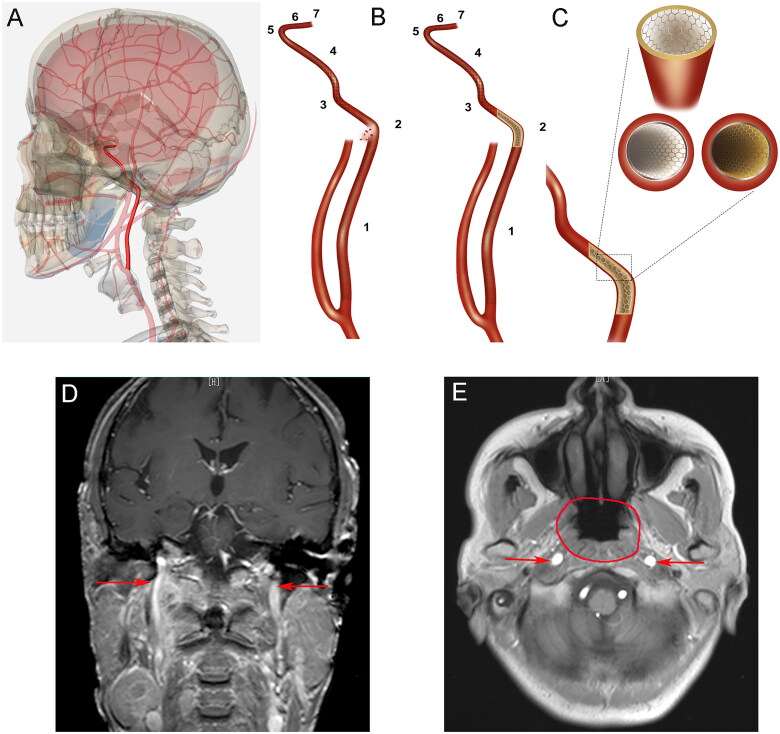
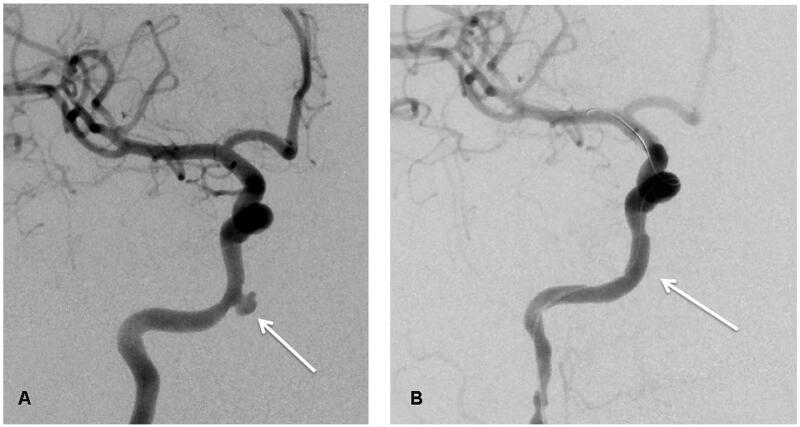
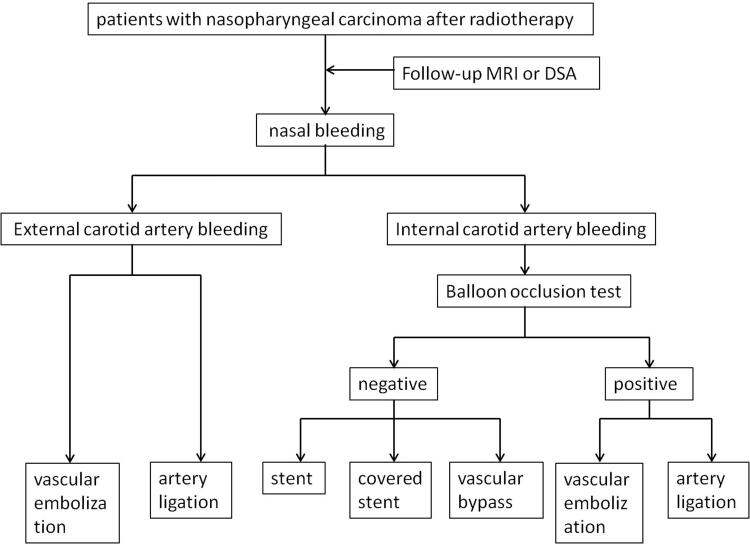
To investigate the treatment of intractable epistaxis after radiotherapy for nasopharyngeal carcinoma (NPC). This review focuses on the anatomy and pathophysiology, mechanism, and clinical treatments of epistaxis after NPC radiotherapy. For treating NPC, radiation therapy is the primary therapeutic modality. However, radiotherapy can lead to varied degrees of harm to the neighboring tissues and is correlated with numerous complications. Among these complications, epistaxis is a common occurrence after NPC radiotherapy, owing to damage to the surrounding tissues caused by radiotherapy. Unfortunately, epistaxis, particularly carotid blowout, can have a dangerous course and a high mortality rate. Accurate understanding of epistaxis following radiotherapy, prompt bleeding cessation, and reduction of bleeding volume are key considerations. Nasal tamponade is a crucial rescue treatment, while tracheotomy is an active and effective method. Intravascular balloon embolization is a reliable and effective treatment method for ICA hemorrhage, and vascular embolization is the primary approach for treating external carotid artery maxillary bleeding. Implantation of a covered stent can achieve hemostasis without altering hemodynamics. A comprehensive approach utilizing these methods can improve the success rate of treating nosebleeds following NPC radiotherapy.HighlightsThe mortality rate for carotid blowout following radiotherapy for NPC is high.Radiation therapy and tumor condition are correlated with epistaxis in NPC.Treatment methods for NPC-related epistaxis include posterior nostril tamponade, endoscopic hemostasis, DSA, selective vascular embolization, and stent implantation.The use of a covered stent for NPC-related carotid blowout achieves hemostasis without altering blood perfusion.Effective and timely application of various hemostasis methods is key to improving the success rate of rescue, considering the characteristics of NPC-related epistaxis.
探讨鼻咽癌(NPC)放射治疗后难治性鼻出血的治疗方法。本综述重点介绍 NPC 放射治疗后鼻出血的解剖学和生理学、发病机制以及临床治疗方法。放射治疗是治疗 NPC 的主要方法。然而,放射治疗会导致周围组织受到不同程度的损害,并与许多并发症相关。在这些并发症中,NPC 放射治疗后鼻出血较为常见,这是由于放射治疗对周围组织的损伤所致。不幸的是,鼻出血,尤其是颈动脉破裂,可能会导致危险的病程和高死亡率。准确了解放射治疗后鼻出血、及时止血和减少出血量是关键。鼻腔填塞是一种重要的抢救治疗方法,而气管切开术是一种积极有效的方法。血管内球囊栓塞是 ICA 出血的可靠有效治疗方法,血管栓塞是治疗颌外动脉上颌出血的主要方法。植入带膜支架可在不改变血流动力学的情况下实现止血。综合应用这些方法可以提高 NPC 放射治疗后鼻出血的治疗成功率。
NPC 放射治疗后颈动脉破裂的死亡率很高。
放射治疗和肿瘤状况与 NPC 中的鼻出血相关。
NPC 相关鼻出血的治疗方法包括后鼻孔填塞、内镜止血、DSA、选择性血管栓塞和支架植入。
带膜支架治疗 NPC 相关颈动脉破裂可在不改变血流灌注的情况下实现止血。
考虑到 NPC 相关鼻出血的特点,有效且及时地应用各种止血方法是提高抢救成功率的关键。