Department of Internal Medicine, Radboudumc Center for Infectious Diseases, Radboud Institute of Health Science, Radboud University Medical Center, Nijmegen, Netherlands.
Center for Tropical and Infectious Diseases, Faculty of Medicine, Diponegoro University, Dr. Kariadi Hospital, Semarang, Indonesia.
JCI Insight. 2023 Jun 8;8(11):e166166. doi: 10.1172/jci.insight.166166.
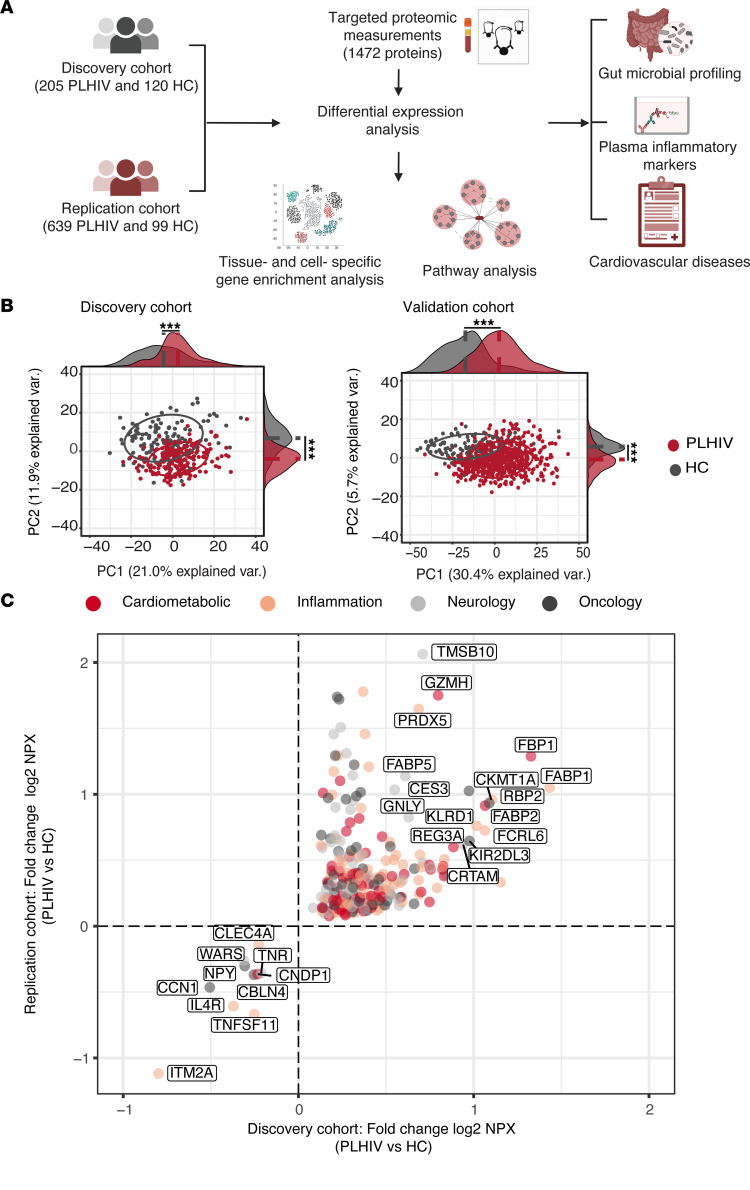
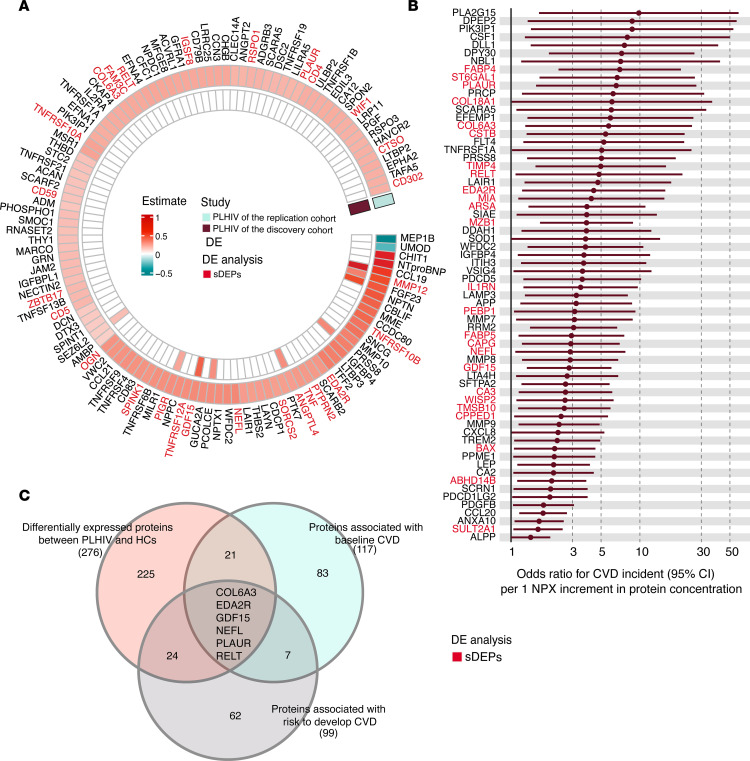
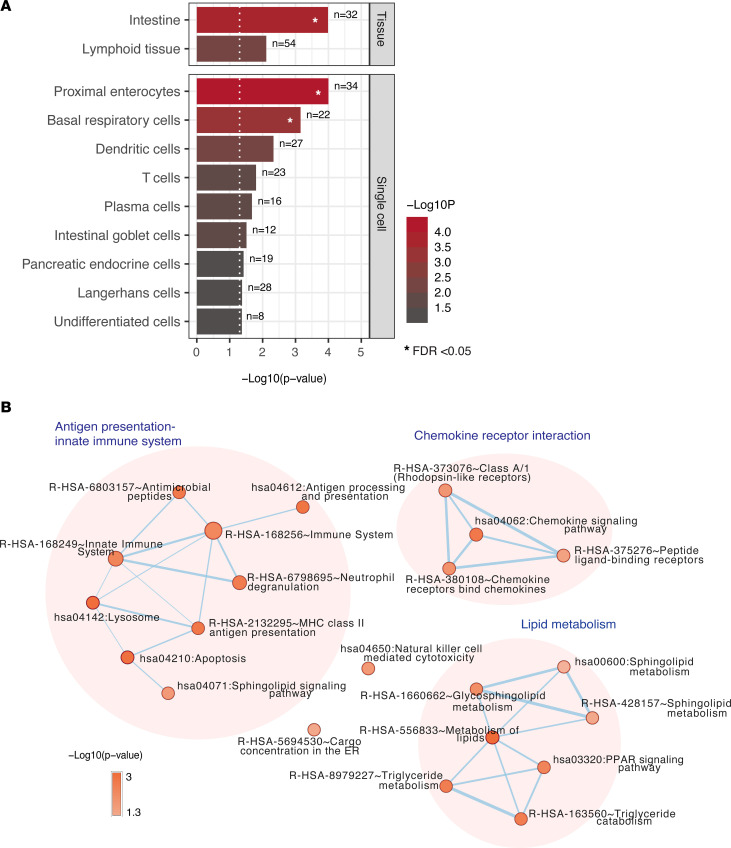
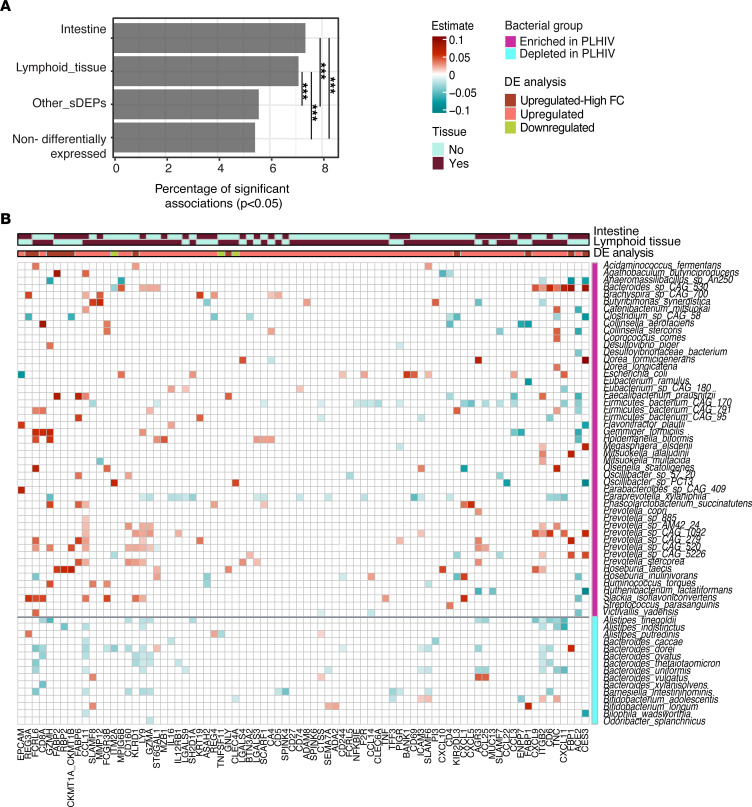
BACKGROUNDPeople living with HIV (PLHIV) receiving antiretroviral therapy (ART) exhibit persistent immune dysregulation and microbial dysbiosis, leading to development of cardiovascular diseases (CVDs). We initially compared plasma proteomic profiles between 205 PLHIV and 120 healthy control participants (HCs) and validated the results in an independent cohort of 639 PLHIV and 99 HCs. Differentially expressed proteins (DEPs) were then associated to microbiome data. Finally, we assessed which proteins were linked with CVD development in PLHIV.METHODSProximity extension assay technology was used to measure 1,472 plasma proteins. Markers of systemic inflammation (C-reactive protein, D-dimer, IL-6, soluble CD14, and soluble CD163) and microbial translocation (IFABP) were measured by ELISA, and gut bacterial species were identified using shotgun metagenomic sequencing. Baseline CVD data were available for all PLHIV, and 205 PLHIV were recorded for development of CVD during a 5-year follow-up.RESULTSPLHIV receiving ART had systemic dysregulation of protein concentrations, compared with HCs. Most of the DEPs originated from the intestine and lymphoid tissues and were enriched in immune- and lipid metabolism-related pathways. DEPs originating from the intestine were associated with specific gut bacterial species. Finally, we identified upregulated proteins in PLHIV (GDF15, PLAUR, RELT, NEFL, COL6A3, and EDA2R), unlike most markers of systemic inflammation, associated with the presence and risk of developing CVD during 5-year follow-up.CONCLUSIONOur findings suggest a systemic dysregulation of protein concentrations in PLHIV; some proteins were associated with CVD development. Most DEPs originated from the gut and were related to specific gut bacterial species.TRIAL REGISTRATIONClinicalTrials.gov NCT03994835.FUNDINGAIDS-fonds (P-29001), ViiV healthcare grant (A18-1052), Spinoza Prize (NWO SPI94-212), European Research Council (ERC) Advanced grant (grant 833247), and Indonesia Endowment Fund for Education.
接受抗逆转录病毒疗法 (ART) 的艾滋病毒感染者 (PLHIV) 表现出持续的免疫失调和微生物失调,导致心血管疾病 (CVD) 的发展。我们最初比较了 205 名 PLHIV 和 120 名健康对照参与者 (HCs) 的血浆蛋白质组谱,并在独立的 639 名 PLHIV 和 99 名 HCs 队列中验证了结果。差异表达蛋白 (DEP) 与微生物组数据相关联。最后,我们评估了哪些蛋白质与 PLHIV 的 CVD 发展有关。
使用邻近延伸分析技术测量了 1472 种血浆蛋白。通过酶联免疫吸附试验测量了系统炎症标志物(C 反应蛋白、D-二聚体、IL-6、可溶性 CD14 和可溶性 CD163)和微生物易位标志物(IFABP),并使用 shotgun 宏基因组测序鉴定了肠道细菌种类。所有 PLHIV 都有基线 CVD 数据,205 名 PLHIV 在 5 年随访期间记录了 CVD 的发展。
与 HCs 相比,接受 ART 的 PLHIV 存在全身蛋白质浓度的系统失调。大多数 DEP 来源于肠道和淋巴组织,并富集在免疫和脂质代谢相关途径中。来源于肠道的 DEP 与特定的肠道细菌种类有关。最后,我们在 PLHIV 中发现了上调的蛋白质(GDF15、PLAUR、RELT、NEFL、COL6A3 和 EDA2R),与大多数系统炎症标志物不同,与 5 年随访期间 CVD 的发生和风险相关。
我们的研究结果表明 PLHIV 全身蛋白质浓度存在失调;一些蛋白质与 CVD 的发展有关。大多数 DEP 来源于肠道,与特定的肠道细菌种类有关。
ClinicalTrials.gov NCT03994835。
艾滋病基金 (P-29001)、ViiV 医疗保健赠款 (A18-1052)、斯宾诺莎奖 (NWO SPI94-212)、欧洲研究理事会 (ERC) 高级赠款 (赠款 833247) 和印度尼西亚教育捐赠基金。