Centre for Bacterial Resistance Biology, Section of Molecular Microbiology, Department of Infectious Diseases, Imperial College London, London, SW7 2AZ, UK.
University of Maryland, Baltimore, MD, 21201, USA.
Nat Commun. 2023 Apr 20;14(1):2275. doi: 10.1038/s41467-023-37732-1.
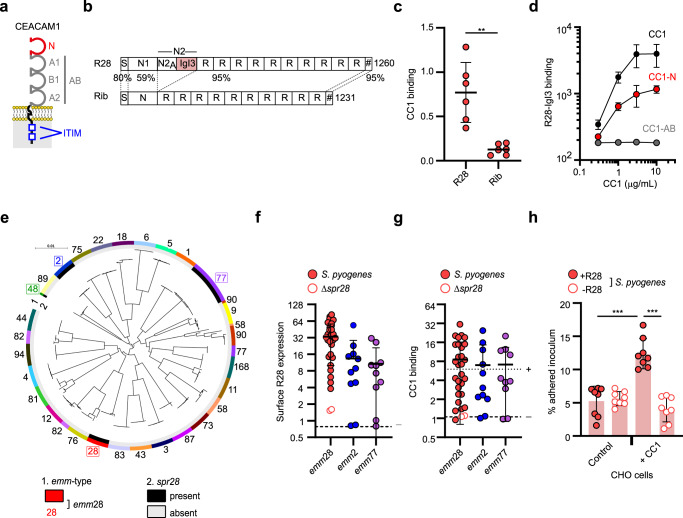
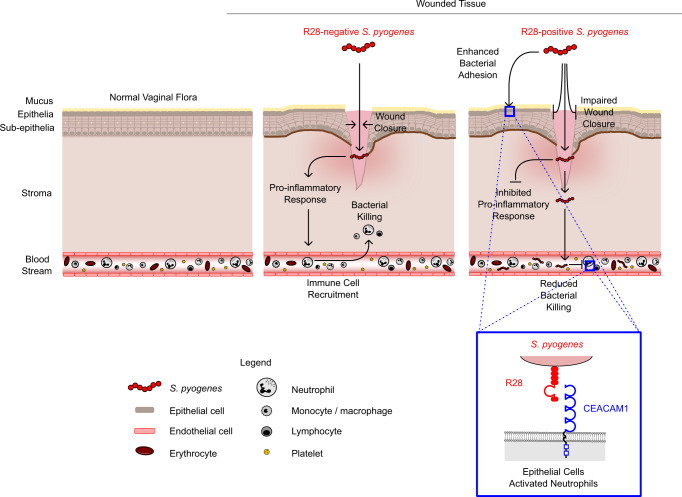
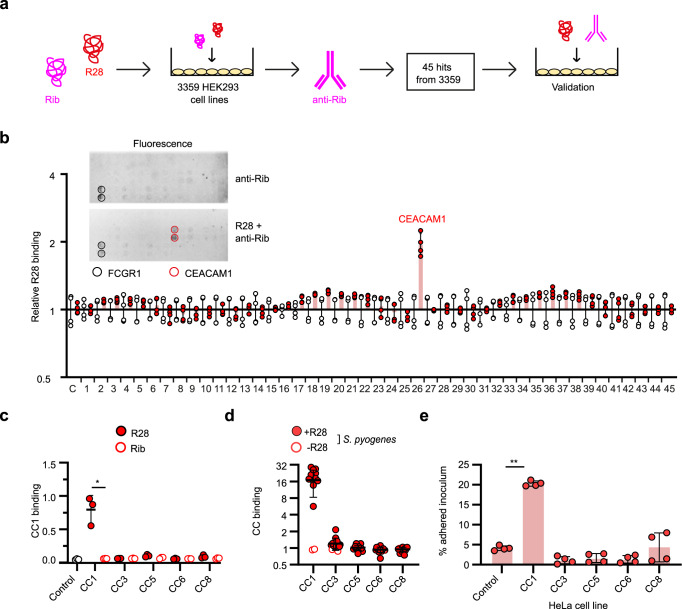
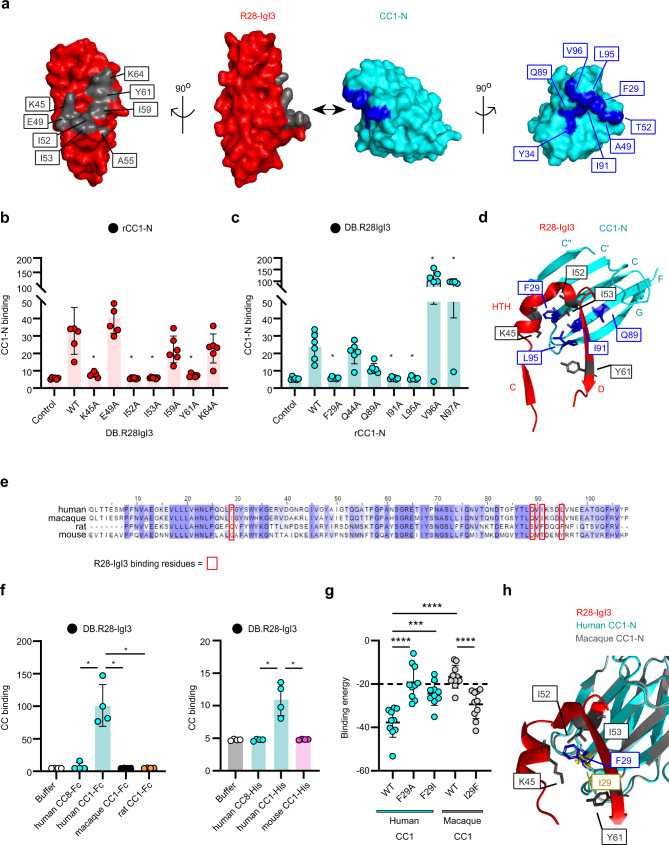
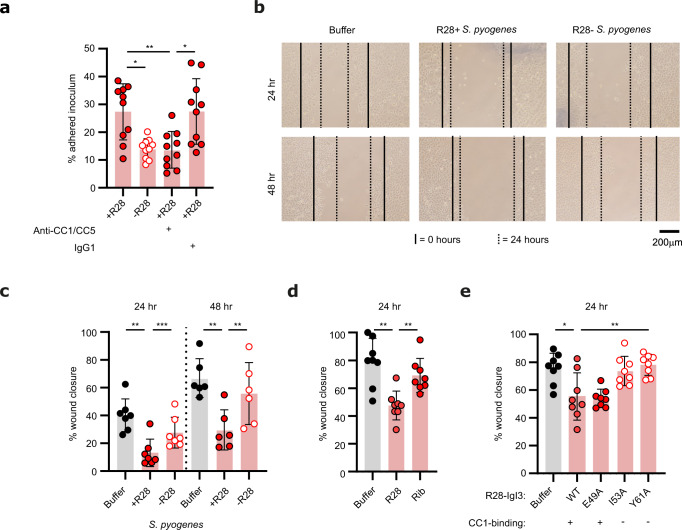
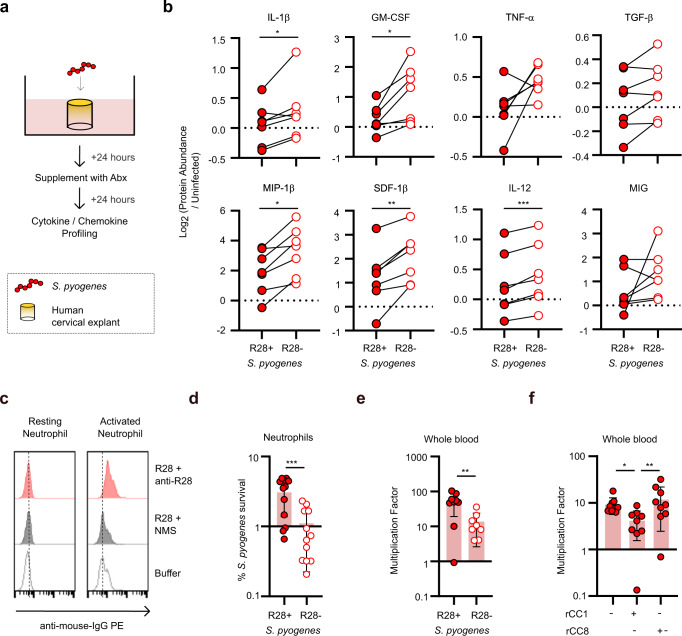
Life-threatening bacterial infections in women after childbirth, known as puerperal sepsis, resulted in classical epidemics and remain a global health problem. While outbreaks of puerperal sepsis have been ascribed to Streptococcus pyogenes, little is known about disease mechanisms. Here, we show that the bacterial R28 protein, which is epidemiologically associated with outbreaks of puerperal sepsis, specifically targets the human receptor CEACAM1. This interaction triggers events that would favor the development of puerperal sepsis, including adhesion to cervical cells, suppression of epithelial wound repair and subversion of innate immune responses. High-resolution structural analysis showed that an R28 domain with IgI3-like fold binds to the N-terminal domain of CEACAM1. Together, these findings demonstrate that a single adhesin-receptor interaction can drive the pathogenesis of bacterial sepsis and provide molecular insights into the pathogenesis of one of the most important infectious diseases in medical history.
分娩后危及生命的女性细菌感染,称为产褥期败血症,曾引发经典的传染病疫情,至今仍是全球卫生问题。虽然产褥期败血症的爆发曾归因于化脓性链球菌,但对其发病机制却知之甚少。在这里,我们表明,与产褥期败血症爆发相关的细菌 R28 蛋白,特异性靶向人类受体 CEACAM1。这种相互作用引发了有利于产褥期败血症发展的事件,包括与宫颈细胞的黏附、抑制上皮伤口修复和颠覆先天免疫反应。高分辨率结构分析表明,具有 IgI3 样折叠的 R28 结构域结合到 CEACAM1 的 N 端结构域。总之,这些发现表明,单一的黏附素-受体相互作用可以驱动细菌败血症的发病机制,并为医学史上最重要的传染病之一的发病机制提供了分子见解。