Laboratory of Functional Genetics of Rare Diseases, Department of Microbiology and Genetics, University of Salamanca (USAL), 37007, Salamanca, Spain.
Institute of Biomedical Research of Salamanca (IBSAL), 37007, Salamanca, Spain.
Commun Biol. 2023 Apr 20;6(1):436. doi: 10.1038/s42003-023-04815-0.
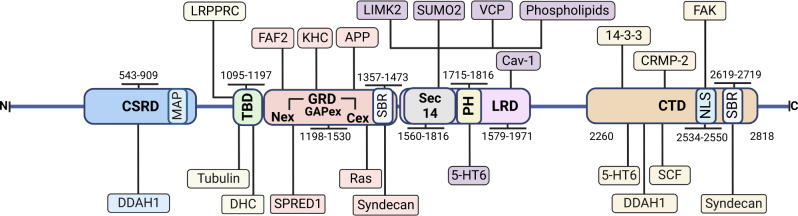
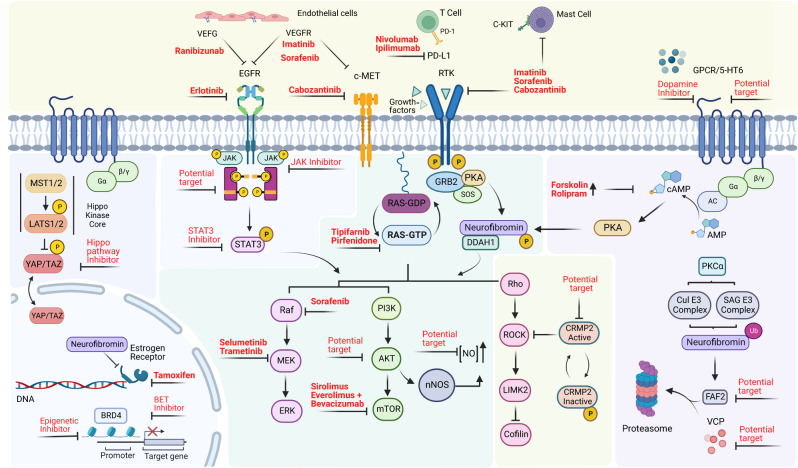
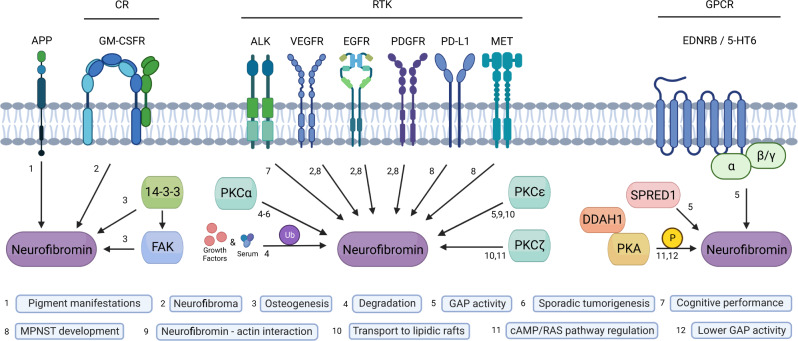
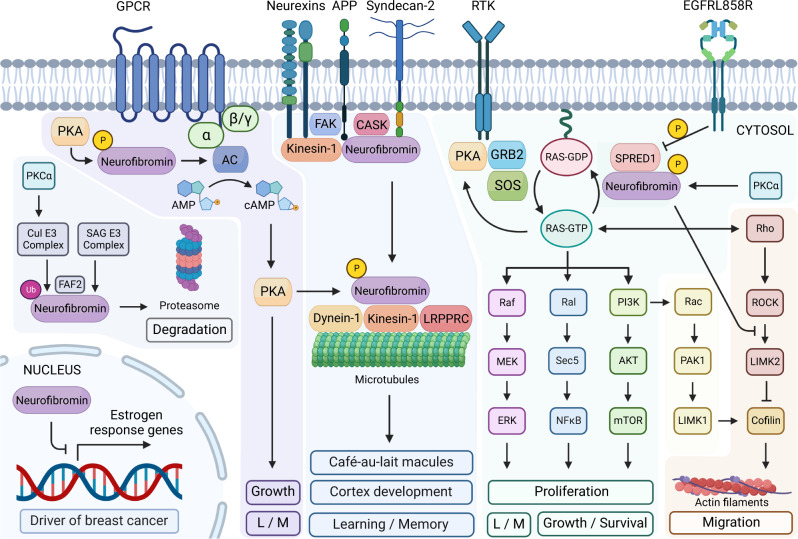
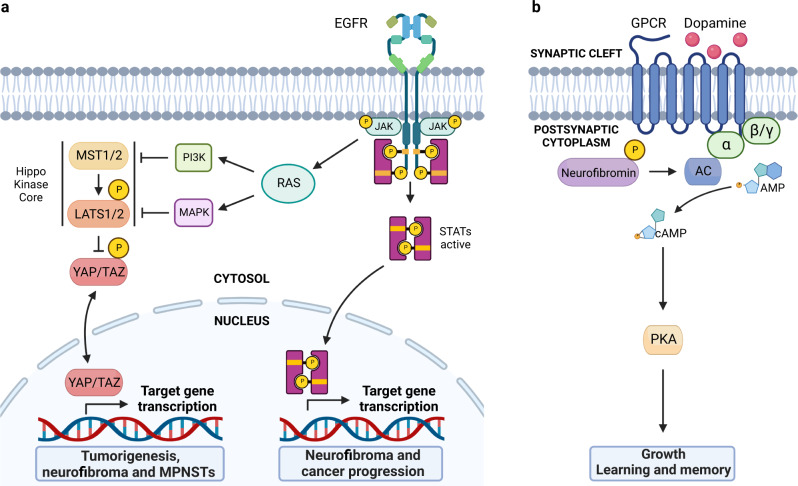
Neurofibromin controls many cell processes, such as growth, learning, and memory. If neurofibromin is not working properly, it can lead to health problems, including issues with the nervous, skeletal, and cardiovascular systems and cancer. This review examines neurofibromin's binding partners, signaling pathways and potential therapeutic targets. In addition, it summarizes the different post-translational modifications that can affect neurofibromin's interactions with other molecules. It is essential to investigate the molecular mechanisms that underlie neurofibromin variants in order to provide with functional connections between neurofibromin and its associated proteins for possible therapeutic targets based on its biological function.
神经纤维瘤蛋白控制着许多细胞过程,如生长、学习和记忆。如果神经纤维瘤蛋白不能正常工作,它可能会导致健康问题,包括神经系统、骨骼系统、心血管系统和癌症等方面的问题。本综述检查了神经纤维瘤蛋白的结合伙伴、信号通路和潜在的治疗靶点。此外,它还总结了可能影响神经纤维瘤蛋白与其他分子相互作用的不同翻译后修饰。研究神经纤维瘤蛋白变异体的分子机制对于提供神经纤维瘤蛋白与其相关蛋白之间的功能联系至关重要,以便根据其生物学功能确定可能的治疗靶点。