Department of Endocrinology, Key Laboratory of Endocrinology, National Health and Family Planning Commission, Peking Union Medical College Hospital, Chinese Academy of Medical Sciences and Peking Union Medical College, Beijing, China.
Key Laboratory of Human Disease Comparative Medicine, NHFPC, Institute of Laboratory Animal Science,Chinese Academy of Medical Sciences & Comparative Medical Center, Peking Union Medical College, Beijing, China.
Elife. 2023 Apr 21;12:e80365. doi: 10.7554/eLife.80365.
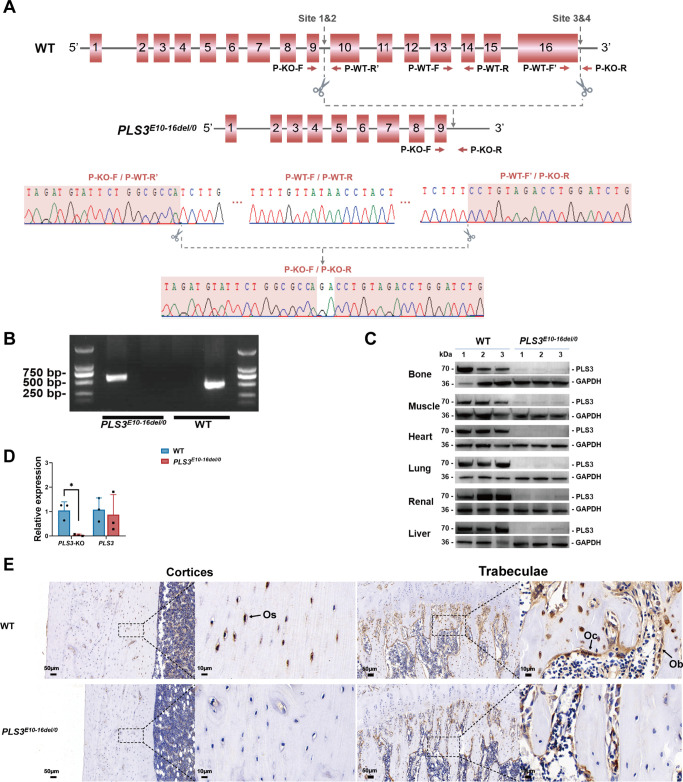
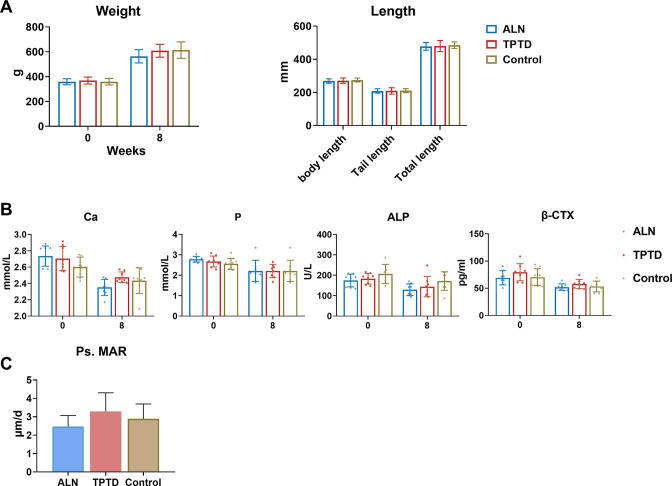
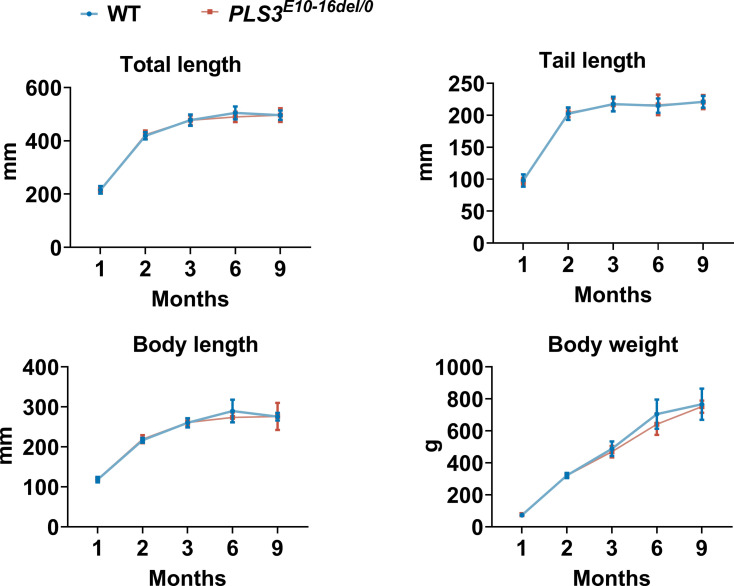
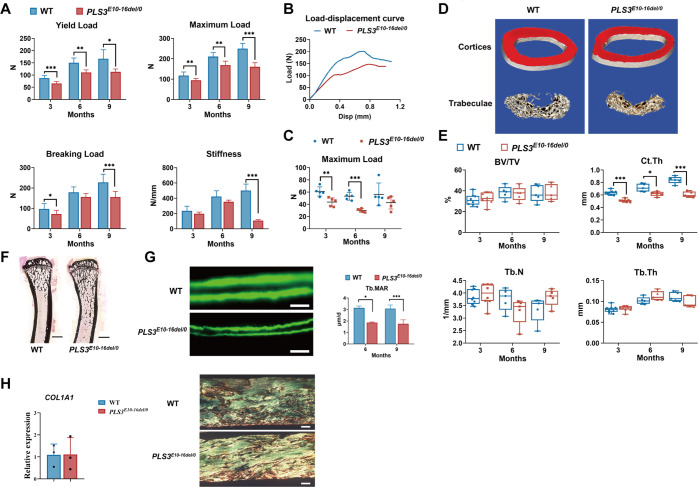
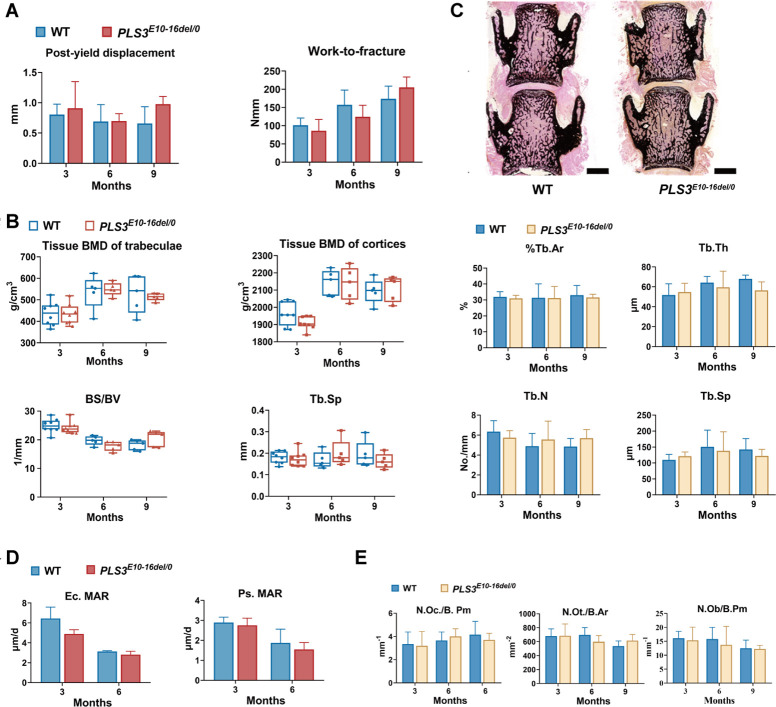
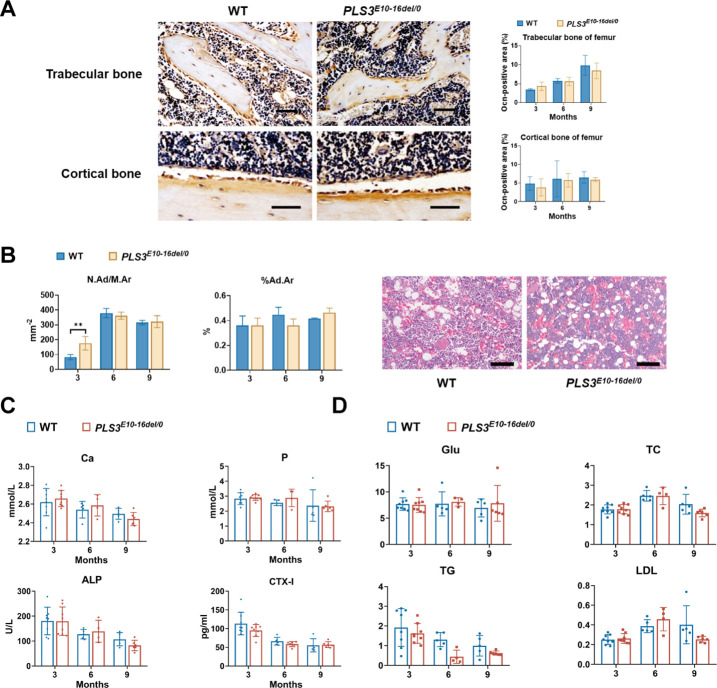
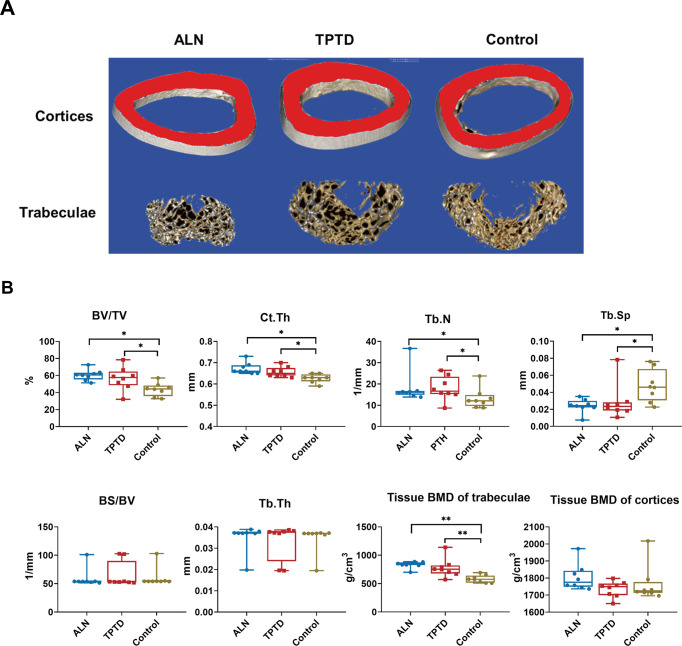
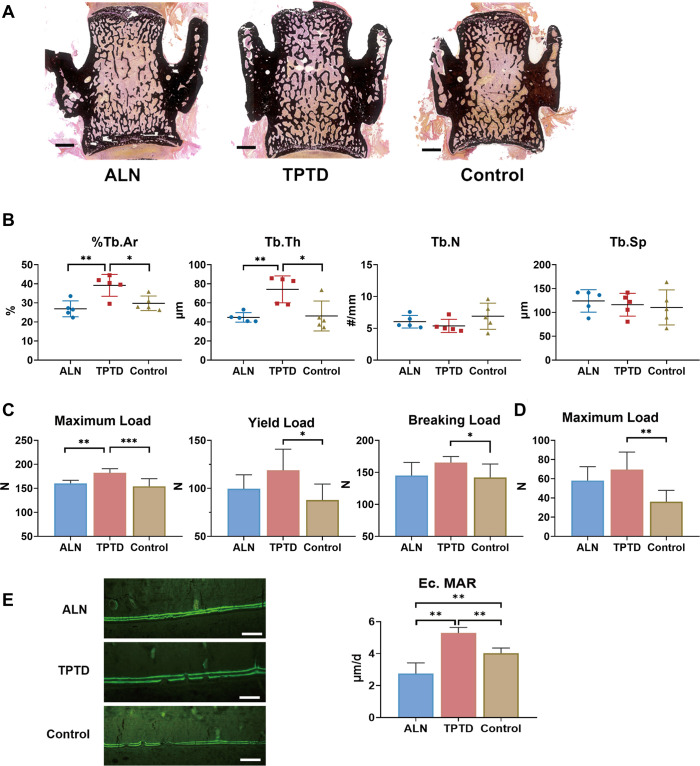
Plastin 3 (PLS3), a protein involved in formation of filamentous actin (F-actin) bundles, is important in human bone health. Recent studies identify as a novel bone regulator and mutations can lead to a rare monogenic early-onset osteoporosis. However, the mechanism of mutation leading to osteoporosis is unknown, and its effective treatment strategies have not been established. Here, we have constructed a novel rat model with clinically relevant hemizygous E10-16del mutation in () that recapitulates the osteoporotic phenotypes with obviously thinner cortical thickness, significant decreases in yield load, maximum load, and breaking load of femora at 3, 6, 9 months old compared to wild-type rats. Histomorphometric analysis indicates a significantly lower mineral apposition rate in rats. Treatment with alendronate (1.0 µg/kg/day) or teriparatide (40 µg/kg five times weekly) for 8 weeks significantly improves bone mass and bone microarchitecture, and bone strength is significantly increased after teriparatide treatment (p<0.05). Thus, our results indicate that plays an important role in the regulation of bone microstructure and bone strength, and we provide a novel animal model for the study of X-linked early-onset osteoporosis. Alendronate and teriparatide treatment could be a potential treatment for early-onset osteoporosis induced by mutation.
塑化蛋白 3(PLS3)是一种参与丝状肌动蛋白(F-actin)束形成的蛋白质,对人类骨骼健康很重要。最近的研究将其确定为一种新的骨骼调节因子,而突变可能导致罕见的单基因早发性骨质疏松症。然而,突变导致骨质疏松症的机制尚不清楚,其有效的治疗策略尚未建立。在这里,我们构建了一种新型大鼠模型,该模型在 ()中具有临床相关的半合子 E10-16del 突变,与野生型大鼠相比,在 3、6、9 个月大时,其表现出明显更薄的皮质厚度、屈服载荷、最大载荷和股骨断裂载荷显著降低的骨质疏松表型。组织形态计量学分析表明,突变大鼠的矿化沉积率明显降低。用阿仑膦酸钠(1.0μg/kg/天)或特立帕肽(40μg/kg,每周 5 次)治疗 8 周可显著增加骨量和骨微结构,特立帕肽治疗后骨强度显著增加(p<0.05)。因此,我们的结果表明,在骨骼微结构和骨骼强度的调节中起着重要作用,并且为研究 X 连锁早发性骨质疏松症提供了一种新型动物模型。阿仑膦酸钠和特立帕肽治疗可能是突变引起的早发性骨质疏松症的潜在治疗方法。